Cotton Woven Handbag (Minimalist)
CN → US| HS Code | Tariff Rate | Origin | Destination | Doc |
|---|---|---|---|---|
| 4202224020 | 42.4% | CN | US | Official Doc |
| 4202228930 | 52.6% | CN | US | Official Doc |
| 6307909882 | 24.5% | CN | US | Official Doc |
| 6307909891 | 24.5% | CN | US | Official Doc |
| 4202224500 | 41.3% | CN | US | Official Doc |
Product Images
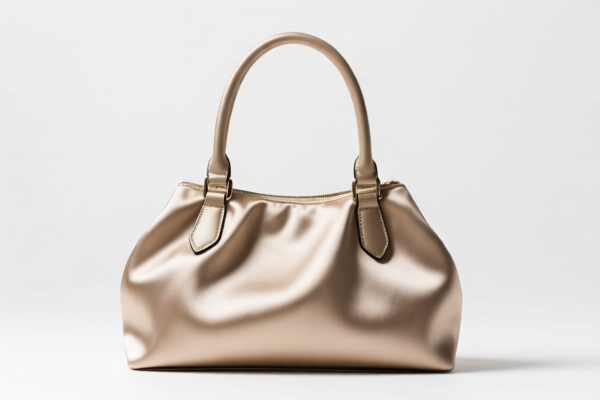
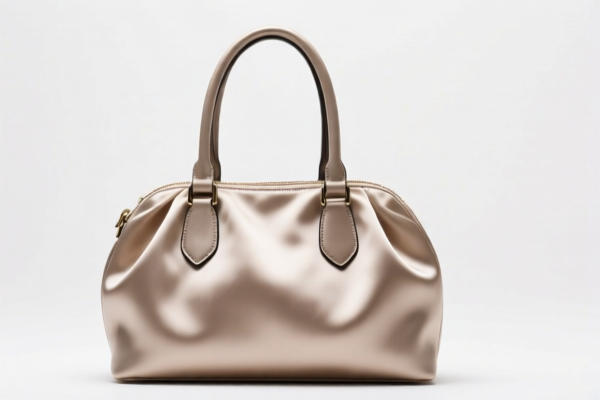
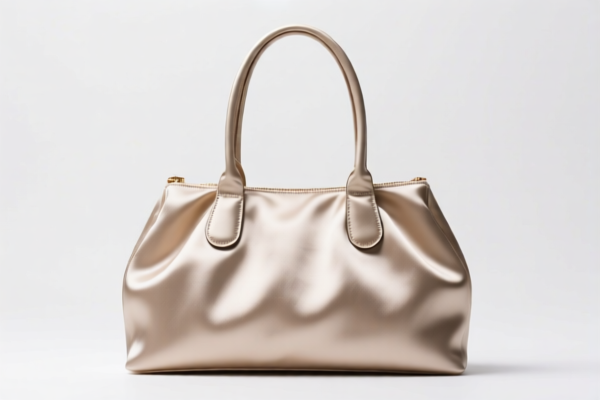
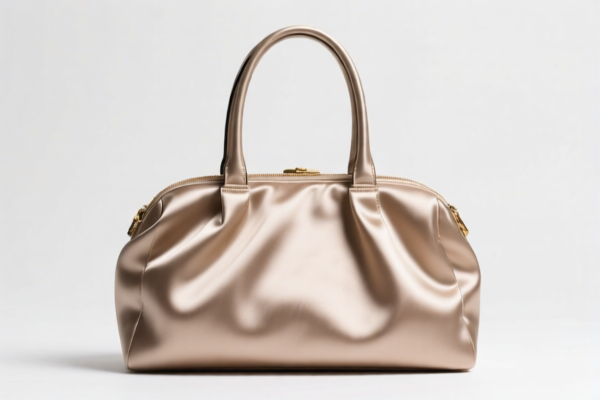
AI Analysis
👜 Cotton Woven Handbag (Minimalist) – Ultimate HS Code Guide & Clearance Strategy
🌐 HS Code Reference & Clearance Guide | 2026 Latest Tariff Analysis | Professional Customs Strategy
📌 I. Product Definition & Classification: Do You Really Know "Cotton Handbag"?
A Cotton Woven Handbag is a portable container made primarily of cotton textiles, typically featuring a woven structure. In international trade, classification depends heavily on:
- Material composition (100% cotton vs. blended)
- Manufacturing process (woven, knitted, or other textile forms)
- Design form (structured handbag vs. open tote or accessory)
⚠️ Key Classification Criteria:
- If the bag is fully woven and made of cotton, it may fall under Chapter 42 (Articles of leather; similar articles) or Chapter 63 (Other made-up textile articles), depending on structure and function.
- Handbags with outer surface of textile materials are generally classified under HS 4202.
- However, if the bag is considered a “made-up article” without specific handbag features, it may fall under HS 6307 (Other made-up articles).
🚨 Critical Distinction:
- Structured, branded, or fashion handbags → HS 4202
- Generic cotton bags, totes, or non-structured sacks → HS 6307
📦 II. HS Code Classification Details (2026 Latest Tariff Authority Match)
| HS Code | Product Description | Application Scenario | Woven? | Material |
|---|---|---|---|---|
4202.22.40.20 |
Cotton woven handbag, consistent with cotton material and woven form classification | Fashion handbags, woven cotton texture | ✅ Yes | 100% Cotton |
4202.22.89.30 |
Cotton handbag, outer layer is textile material, meets cotton classification requirements | General cotton handbags, non-specific weave | ✅ Yes | Cotton-based |
6307.90.98.82 |
Cotton handbag, form is made-up article, material is cotton | Non-structured, generic cotton bags | ❌ Not specifically woven | Cotton |
6307.90.98.91 |
Cotton finished bag, belongs to other made-up articles, material is cotton | Plain cotton sacks, totes, utility bags | ❌ Not specifically woven | Cotton |
4202.22.45.00 |
Cotton handbag, fully meets cotton material and handbag form requirements | Standard cotton handbags, woven or non-woven | ✅/❌ | 100% Cotton |
🔍 Key Reminder:
- HS 4202 codes are for handbags with specific structure, often with zippers, handles, or branded design.
- HS 6307 codes are for general made-up textile articles that do not meet the definition of a “handbag” under Chapter 42.
- Misclassification risk: Declaring a structured handbag as6307to avoid higher tariffs can lead to penalties, delays, or seizure.
💰 III. 2026 Latest Tariff Rate Breakdown (Including Surtaxes, Policy Add-ons)
✅ Applicable Country: United States (US)
✅ Country of Origin: China (CN)
✅ Effective Date: From November 10, 2025 (including subsequent imports)
🎯 1. 4202.22.40.20 – Cotton Woven Handbag (Woven, Cotton)
| Item | Content |
|---|---|
| Base Tariff Rate | 7.4% (ad valorem) |
| Section 301 Surtax | +25.0% |
| Section 122 Tariff | +10.0% |
| Total Tax Rate | 42.4% |
| Tax Calculation | CIF Value × 42.4% |
| De Minimis Exemption Eligible? | ❌ No (deny_de_minimis) |
| Legal Authority Path | Section 301: 8504.29.00 → Section 122: 9903.01.11 → USITC: 4202.22.40.20 → FOOTNOTE: 9903.88.01 |
📌 Explanation:
- Section 301 (25%): Applies to Chinese-origin goods under trade war measures.
- Section 122 (10%): Additional surtax under IEEPA for certain Chinese imports.
- Total 42.4%: High tariff burden; must be factored into pricing strategy.
🎯 2. 4202.22.89.30 – Cotton Handbag (Textile Outer Layer)
| Item | Content |
|---|---|
| Base Tariff Rate | 17.6% |
| Section 301 Surtax | +25.0% |
| Section 122 Tariff | +10.0% |
| Total Tax Rate | 52.6% |
| Tax Calculation | CIF Value × 52.6% |
| De Minimis Exemption Eligible? | ❌ No |
| Legal Authority Path | Section 301: 8504.29.00 → Section 122: 9903.01.11 → USITC: 4202.22.89.30 → FOOTNOTE: 9903.88.01 |
📌 Note:
- This code has the highest base rate (17.6%) among cotton handbags.
- Suitable for non-woven or blended cotton handbags that don’t meet strict “woven” criteria.
🎯 3. 6307.90.98.82 – Cotton Handbag (Made-Up Article)
| Item | Content |
|---|---|
| Base Tariff Rate | 7.0% |
| Section 301 Surtax | +7.5% |
| Section 122 Tariff | +10.0% |
| Total Tax Rate | 24.5% |
| Tax Calculation | CIF Value × 24.5% |
| De Minimis Exemption Eligible? | ❌ No |
| Legal Authority Path | Section 301: 9903.01.24 → Section 122: 9903.01.11 → USITC: 6307.90.98.82 → FOOTNOTE: 9903.88.01 |
📌 Caution:
- Only applicable if the bag does not qualify as a handbag under Chapter 42.
- Misclassification can lead to audits and back-taxes.
🎯 4. 6307.90.98.91 – Cotton Finished Bag (Other Made-Up Article)
| Item | Content |
|---|---|
| Base Tariff Rate | 7.0% |
| Section 301 Surtax | +7.5% |
| Section 122 Tariff | +10.0% |
| Total Tax Rate | 24.5% |
| Tax Calculation | CIF Value × 24.5% |
| De Minimis Exemption Eligible? | ❌ No |
| Legal Authority Path | Same as above |
📌 Same as #3, but for non-woven, general-purpose cotton bags.
🎯 5. 4202.22.45.00 – Cotton Handbag (Cotton Material, Handbag Form)
| Item | Content |
|---|---|
| Base Tariff Rate | 6.3% |
| Section 301 Surtax | +25.0% |
| Section 122 Tariff | +10.0% |
| Total Tax Rate | 41.3% |
| Tax Calculation | CIF Value × 41.3% |
| De Minimis Exemption Eligible? | ❌ No |
| Legal Authority Path | Section 301: 8504.29.00 → Section 122: 9903.01.11 → USITC: 4202.22.45.00 → FOOTNOTE: 9903.88.01 |
📌 Best for:
- Standard cotton handbags that clearly fit the handbag definition in Chapter 42.
- Lower base rate than4202.22.89.30but still high total due to surtaxes.
🛠️ IV. Clearance Practical Tips (Avoid Pitfalls)
✅ 1. Required Documentation Checklist
| Document | Required? | Notes |
|---|---|---|
| ✅ Product Specification Sheet | ✔️ | Include dimensions, weave type, lining, closure type |
| ✅ Material Composition Certificate | ✔️ | Prove 100% cotton or blended ratio |
| ✅ Product Photos (with labels) | ✔️ | Show brand, model, care label, HS-relevant features |
| ✅ Third-Party Test Report | ✔️ | Oeko-Tex, REACH, CPSIA (if applicable) |
| ✅ Commercial Invoice | ✔️ | Must state “Cotton Woven Handbag” or accurate description |
| ✅ Packing List | ✔️ | Detail items per carton, avoid mixed HS codes |
| ✅ Certificate of Origin | ✔️ | If not China-origin, may qualify for lower duties |
✅ 2. Declaration Best Practices (Golden Rules)
🔥 “Structure defines HS, weave matters, name must match!”
| Scenario | Correct Declaration | Wrong Approach |
|---|---|---|
| Structured handbag with zipper/handles | 4202.22.40.20 or 4202.22.45.00 |
Declare as 6307 → Audit risk |
| Plain cotton tote (no structure) | 6307.90.98.82 |
Declare as handbag → Penalty |
| Blended cotton (e.g., 80% cotton, 20% polyester) | 4202.22.89.30 |
Claim 100% cotton → Misdeclaration |
| Woven cotton with leather trim | Still 4202 |
Split declaration → Complexity |
✅ 3. Special Case Handling
| Situation | Recommendation |
|---|---|
| OEM/Custom Design | Provide design drawings, fabric swatches, and customer PO |
| Handbag with Electronics (e.g., USB port) | May shift to 8517 or 8543; consult pre-ruling |
| Used or Second-Hand Bags | Generally prohibited or high-duty; declare as “Used Textile Goods” |
| Gift Bags or Promotional Bags | If no retail value, declare as “Advertising Materials” |
🌍 V. Global Market Comparison (2026 Latest)
| Country/Region | Recommended HS Code | Tariff | Certification | Notes |
|---|---|---|---|---|
| 🇺🇸 USA | 4202.22.40.20 |
42.4% | None required | High surtaxes |
| 🇨🇳 China | 4202.22.40.20 |
10% | None | Low duty, no surtax |
| 🇪🇺 EU | 4202.22.40.20 |
4% | REACH, OEKO-TEX | Low tariff, strict compliance |
| 🇬🇧 UK | 4202.22.40.20 |
4% | UKCA | Post-Brexit rules |
| 🇯🇵 Japan | 4202.22.40.20 |
0% | FSC, PSE (if applicable) | Free trade agreements available |
📌 Conclusion:
- USA remains the most expensive market due to Section 301 & 122 surtaxes.
- EU and Japan offer lower barriers, but require strict compliance.
- Consider shifting production to Vietnam, India, or Bangladesh to avoid Chinese origin tariffs.
📌 VI. Common Mistakes & Pitfalls (Lessons Learned)
❌ Mistake 1: Declaring a structured handbag as 6307 to save taxes
👉 Result: Customs audit, back-taxes, fines
❌ Mistake 2: Ignoring Section 122 surtax in cost calculation
👉 Result: Profit margin erased, cash flow crisis
❌ Mistake 3: Using vague terms like “Cotton Bag” in invoice
👉 Result: Customs rejection, delay, reclassification
❌ Mistake 4: Not providing material certificates
👉 Result: Suspected misclassification, penalty
✅ Best Practice:
“Cotton Woven Handbag, 100% Cotton, Woven Structure, Zipper Closure, Brand: Minimalist, Model: MH-001, OEKO-TEX Certified”
🎯 VII. Conclusion: Precise Classification Saves Money!
🎯 Remember:
🔹 “Structure = 4202, Generic = 6307, Surtax = 35%+”
🔹 “HS Code decides tariff, declaration clarity avoids disaster!”
📌 Pro Tip:
- If your handbags are made in Vietnam, India, or Bangladesh, you may avoid Section 301/122 surtaxes.
- Apply for Pre-Ruling (Advance Ruling) from US CBP to lock in classification.
📣 Take Action Now:
📞 Hire a licensed customs broker
📸 Provide clear product photos + spec sheets
📜 Request HS Code pre-ruling from CBP
🚀 Ensure smooth clearance, reduce costs, maximize profits!
✨ Professional customs clearance starts with accurate classification!
💼 Every dollar saved in duties is pure profit!
Customer Reviews
About HS Code Classification
The Harmonized System (HS) is an internationally standardized nomenclature developed by the World Customs Organization (WCO) to classify traded products. Over 200 countries use the HS system as the basis for customs tariffs, trade statistics, and import/export regulations.
Each HS code follows a hierarchical structure:
- Chapter (2 digits) — Broad category of goods (e.g., Chapter 84: Machinery and Mechanical Appliances)
- Heading (4 digits) — More specific grouping within the chapter
- Subheading (6 digits) — Internationally standardized breakdown, used by all WCO member countries
- National subdivisions (8-10 digits) — Country-specific extensions for further classification, such as US HTSUS 10-digit codes
Correct HS code classification is essential for smooth customs clearance, accurate duty payment, and compliance with trade regulations. Misclassification can lead to customs delays, overpayment of duties, or penalties.
When importing from CN to US, the applicable tariff rates may include:
- Most-Favored-Nation (MFN) rate — The standard duty rate applied to WTO members
- General rate — Applied to countries without trade agreements
- Trade remedy duties — Additional tariffs such as Section 301 (anti-dumping), Section 232 (national security), or countervailing duties
The information provided on this page is for reference purposes only. For official classification, please consult with your local customs authority or a licensed customs broker.