Cotton Woven Handbag (Portable)
CN → US| HS Code | Tariff Rate | Origin | Destination | Doc |
|---|---|---|---|---|
| 4202224020 | 42.4% | CN | US | Official Doc |
| 4202228930 | 52.6% | CN | US | Official Doc |
| 4202224500 | 41.3% | CN | US | Official Doc |
| 6305200000 | 23.7% | CN | US | Official Doc |
| 4202224020 | 42.4% | CN | US | Official Doc |
Product Images
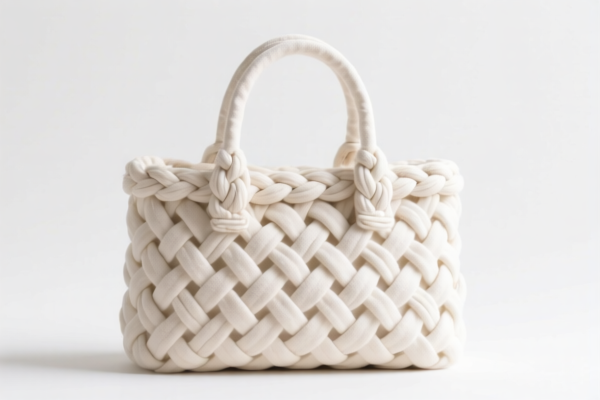
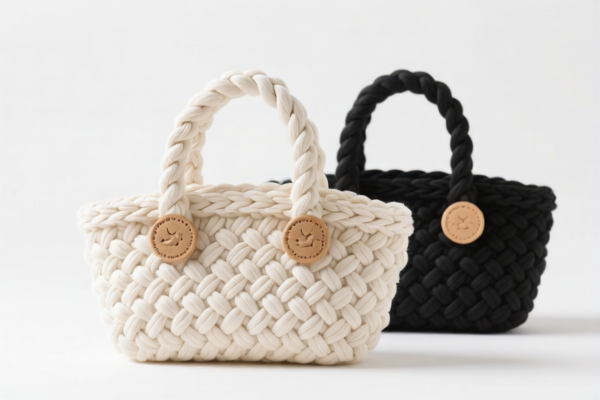
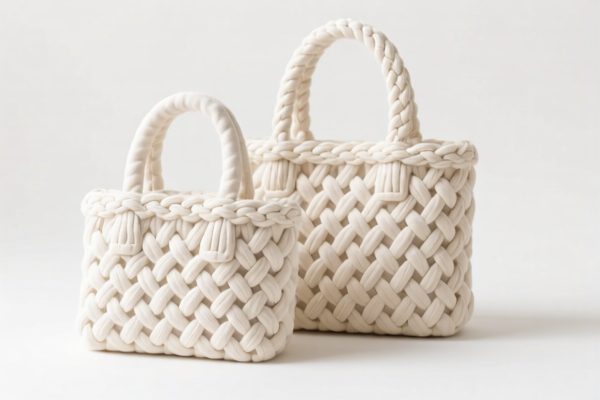
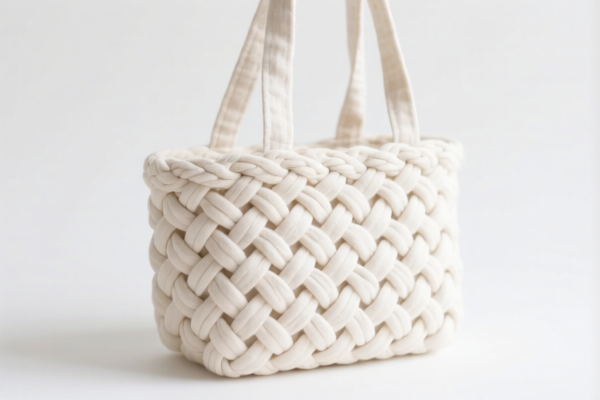
AI Analysis
👜 Cotton Woven Handbag (Portable)
🌐 HS Code Reference & Customs Clearance Guide | 2026 Latest Tariff Analysis | Professional-Level Entry Strategies
📌 I. Product Definition & Classification: Do You Really Understand "Cotton Woven Handbags"?
A Cotton Woven Handbag is a portable container primarily made of textile materials (specifically cotton) with a woven structure. In international trade, the classification hinges on two critical factors: 1. Material Composition: Must be predominantly cotton. 2. Structure/Function: Whether it is a "woven article" (Chapter 42) or a "packing/bagging article" (Chapter 63).
⚠️ Key Distinction Point: - If it is a structured handbag with handles, zippers, linings, and intended for personal carry (fashion/accessory use) → Classified under Chapter 42 (Articles of Leather; Travel Goods, Handbags...). - If it is a loose, unstructured, or generic bag intended primarily for packing/storage rather than personal fashion accessory → Classified under Chapter 63 (Other Made Up Articles).
📦 II. HS Code Classification Details (2026 Latest Tariff Authority Comparison)
Based on the provided data, here are the four potential classifications for "Cotton Woven Handbags":
| HS Code | Product Description | Classification Logic | Total Tax Rate |
|---|---|---|---|
4202.22.40.20 |
Cotton Woven Handbag (Structured, Fashion/Personal Use) |
Outer surface is textile; woven structure; cotton material. Fits the "Handbag" definition in Chapter 42. | 42.4% |
4202.22.89.30 |
Cotton Handbag (Other/General Handbag) |
Cotton material, handbag form, woven textile structure. Falls under "Other" subcategories in Chapter 42. | 52.6% |
4202.22.45.00 |
Cotton Multi-Functional Handbag (Specialized Handbag) |
Cotton material, handbag form, meets material/category requirements for specific Chapter 42 subheadings. | 41.3% |
6305.20.00.00 |
Cotton Bag/Packaging Bag (Unstructured/Packing Use) |
Cotton material, "Bag" form. Classified as a packing/storage bag rather than a fashion handbag. | 23.7% |
🔍 Critical Reminder: - "Handbag" (Chapter 42) vs. "Bag" (Chapter 63): The physical structure is key. A bag with rigid handles, zippers, and a defined shape for personal carry is a Handbag (4202). A simple, soft, open-top sack or a bag designed for bulk packing/storage is a Bag (6305). - Misclassification Risk: Declaring a fashion handbag as
6305.20.00.00(23.7%) to save tax is a major compliance risk if the product clearly functions as a handbag. Customs may reclassify it to Chapter 42 (40%+ tax) + penalties.
💰 III. 2026 Latest Tariff Rate Breakdown (Including Surcharges & Policy Add-ons)
✅ Applicable Country: United States (US)
✅ Origin: China (CN)
✅ Effective Time: Current Rates (Including 301/122 Surcharges)
🎯 1. 4202.22.40.20 —— Cotton Woven Handbag (Structured/Personal Use)
| Item | Content |
|---|---|
| Basic Tariff | 7.4% (ad valorem) |
| Section 301 Surcharge | +25.0% |
| Section 122 Surcharge | +10.0% |
| Total Effective Tax Rate | 42.4% |
| Tax Calculation | CIF Value × 42.4% |
| De Minimis Eligibility | ❌ No (Deny de minimis for China-origin textiles/apparel in many contexts) |
| Legal Basis Path | USITC:4202.22.40.20 → 301:Footnote 9903.88.01 → 122:Section 122 |
📌 Explanation: - This is a standard fashion handbag. - The 301 tariff (25%) applies to most textile/apparel goods from China. - The 122 tariff (10%) is an additional surcharge applicable to certain textiles/apparel. - Total burden is high: 42.4% of the declared value.
🎯 2. 4202.22.89.30 —— Other Cotton Handbag (General/Unspecified Handbag)
| Item | Content |
|---|---|
| Basic Tariff | 17.6% |
| Section 301 Surcharge | +25.0% |
| Section 122 Surcharge | +10.0% |
| Total Effective Tax Rate | 52.6% |
| Tax Calculation | CIF Value × 52.6% |
| De Minimis Eligibility | ❌ No |
| Legal Basis Path | USITC:4202.22.89.30 → 301:Footnote 9903.88.01 → 122:Section 122 |
📌 Note: - This code is for "Other" handbags that don’t fit the specific
40.20or45.00descriptions. - Highest Tax Burden: The higher base tariff (17.6%) makes this the most expensive classification. Avoid unless necessary.
🎯 3. 4202.22.45.00 —— Cotton Multi-Functional Handbag
| Item | Content |
|---|---|
| Basic Tariff | 6.3% |
| Section 301 Surcharge | +25.0% |
| Section 122 Surcharge | +10.0% |
| Total Effective Tax Rate | 41.3% |
| Tax Calculation | CIF Value × 41.3% |
| De Minimis Eligibility | ❌ No |
| Legal Basis Path | USITC:4202.22.45.00 → 301:Footnote 9903.88.01 → 122:Section 122 |
📌 Note: - Slightly lower base tariff (6.3%) than the standard handbag. - Suitable if the bag has specialized multi-functional features (e.g., dedicated laptop slot, insulated section, etc.) that justify a specific subheading.
🎯 4. 6305.20.00.00 —— Cotton Bag (Packing/Storage Bag)
| Item | Content |
|---|---|
| Basic Tariff | 6.2% |
| Section 301 Surcharge | +7.5% |
| Section 122 Surcharge | +10.0% |
| Total Effective Tax Rate | 23.7% |
| Tax Calculation | CIF Value × 23.7% |
| De Minimis Eligibility | ❓ Check Specific Rules (Often denied for China textiles, but lower base makes it attractive) |
| Legal Basis Path | USITC:6305.20.00.00 → 301:Footnote 9903.73.03 (if applicable) → 122:Section 122 |
📌 Crucial Warning: - This is the lowest tax rate (23.7%). - ONLY use if the product is genuinely a packing bag (e.g., bulk storage sack, laundry bag, unstructured shopping sack without handles/hardware). - DO NOT use this for a fashion handbag. If customs inspectors see a branded, structured handbag, they will reclassify it to Chapter 42, leading to back taxes + penalties.
🛠️ IV. Customs Clearance Practical Advice (Pitfall Avoidance Guide)
✅ 1. Documentation Checklist (All Required)
| Document | Mandatory | Description |
|---|---|---|
| ✅ Product Specifications | ✔️ | Material composition (100% Cotton?), dimensions, weight. |
| ✅ Product Photos | ✔️ | Clear photos of the bag, handles, zippers, lining, and labels. |
| ✅ Commercial Invoice | ✔️ | Must clearly state: "Cotton Woven Handbag" or "Cotton Packing Bag" based on actual use. |
| ✅ Packing List | ✔️ | Weight and dimensions per carton. |
| ✅ Origin Certificate | ✔️ | Proof of China origin (triggers 301/122 tariffs). |
| ✅ Usage Description | ✔️ | If claiming 6305, provide evidence it is for packing/storage (e.g., bulk packaging for goods). |
✅ 2. Declaration Strategy (Key Rules)
🔥 "Structure Dictates Code, Use Determines Truth!"
| Scenario | Correct HS Code | Incorrect Code | Consequence |
|---|---|---|---|
| Fashion Handbag (Handles, Zippers, Branding) | 4202.22.40.20 or 45.00 |
6305.20.00.00 |
Audit Risk: Reclassification + Penalties + Back Taxes. |
| General Handbag (No specific features) | 4202.22.89.30 |
6305.20.00.00 |
High Tax (52.6%) if misclassified, but safer if correctly declared. |
| Multi-Functional Bag (Tech/Laptop Insert) | 4202.22.45.00 |
4202.22.40.20 |
Slight tax saving (41.3% vs 42.4%) if features are documented. |
| Bulk Storage Sack (No hardware, loose) | 6305.20.00.00 |
4202.22.xx.xx |
Lower Tax (23.7%) is legitimate and encouraged. |
✅ 3. Special Cases Handling
| Situation | Handling Advice |
|---|---|
| Sample vs. Bulk | Samples are still subject to tariffs. Do not declare as "Free of Charge" without proper documentation. |
| Mixed Materials | If the bag has >50% cotton by weight, it is "Cotton." If less, it may fall under different textile chapters (higher risk). |
| Branded vs. Unbranded | Branding does not change the HS Code, but lack of structure might push it toward 6305. |
| Gift Packaging | If the "handbag" is actually a box with cotton lining, it may be classified as packaging (Chapter 48 or 63), not a handbag. |
🌍 V. Global Market Comparison (2026 Latest)
| Country/Region | Recommended HS Code | Tariff (China Origin) | Notes |
|---|---|---|---|
| 🇺🇸 United States | 4202.22.40.20 |
42.4% | Highest duty due to 301+122 tariffs. |
| 🇺🇸 United States | 6305.20.00.00 |
23.7% | Only if genuinely a packing bag. |
| 🇨🇳 China | 4202.22.40.20 |
~10-15% | Lower than US. |
| 🇪🇺 EU | 4202.22.90 |
~4-6% | No 301/122 equivalent. |
| 🇯🇵 Japan | 4202.22.000 |
~10% | Moderate. |
📌 Conclusion: - USA is the most expensive market for cotton handbags due to aggressive trade policies. - Cost-Saving Strategy: If the product can legitimately be defined as a packing bag (
6305), the tax drops from ~42% to ~24%. However, this must be defensible based on product design.
📌 VI. Common Mistakes & Pitfalls (Lessons Learned)
❌ Mistake 1: Declaring a fashion handbag as 6305.20.00.00 to save tax.
👉 Result: Customs audit, reclassification to 4202, back taxes + 25% penalty.
❌ Mistake 2: Ignoring the 122 Section Surcharge. 👉 Result: Underpayment by 10%. Many importers only account for 301 (25%) + Base (7.4%) = 32.4%, but the real rate is 42.4%.
❌ Mistake 3: Using 4202.22.89.30 (52.6%) when 4202.22.40.20 (42.4%) is more accurate.
👉 Result: Overpaying tax by 10% unnecessarily. Always check if the product fits a more specific subheading (40 or 45).
✅ Correct Approach:
"Cotton Woven Handbag, Fashion Style, with Zipper Closure, 100% Cotton Exterior" →
4202.22.40.20
"Cotton Drawstring Storage Sack, Bulk Packaging, No Handles" →6305.20.00.00
🎯 VII. Conclusion: Precision in Classification, Efficiency in Clearance
🎯 Remember the Rule:
🔹 "Handles & Hardware = Handbag (4202)"
🔹 "Loose & Soft = Bag (6305)"
🔹 "China Origin = 301 + 122 Surcharges"
📌 Pro Tip: If your product is on the borderline (e.g., a soft tote bag with handles), consider applying for a Pre-Ruling (Advance Ruling) from US Customs (CBP) before shipping large volumes. This provides legal certainty and protects against future penalties.
📣 Immediate Action:
📞 Contact Your Customs Broker: Provide photos and specifications. 🚀 Verify HS Code: Confirm if your bag is
4202.22.40.20(42.4%) or6305.20.00.00(23.7%). 💰 Calculate Landed Cost: Include 42.4% for handbags in your US pricing model.
✨ Professional Clearance Starts with Accurate Classification!
💼 Every Percent Counts in Tariff Management!
Customer Reviews
About HS Code Classification
The Harmonized System (HS) is an internationally standardized nomenclature developed by the World Customs Organization (WCO) to classify traded products. Over 200 countries use the HS system as the basis for customs tariffs, trade statistics, and import/export regulations.
Each HS code follows a hierarchical structure:
- Chapter (2 digits) — Broad category of goods (e.g., Chapter 84: Machinery and Mechanical Appliances)
- Heading (4 digits) — More specific grouping within the chapter
- Subheading (6 digits) — Internationally standardized breakdown, used by all WCO member countries
- National subdivisions (8-10 digits) — Country-specific extensions for further classification, such as US HTSUS 10-digit codes
Correct HS code classification is essential for smooth customs clearance, accurate duty payment, and compliance with trade regulations. Misclassification can lead to customs delays, overpayment of duties, or penalties.
When importing from CN to US, the applicable tariff rates may include:
- Most-Favored-Nation (MFN) rate — The standard duty rate applied to WTO members
- General rate — Applied to countries without trade agreements
- Trade remedy duties — Additional tariffs such as Section 301 (anti-dumping), Section 232 (national security), or countervailing duties
The information provided on this page is for reference purposes only. For official classification, please consult with your local customs authority or a licensed customs broker.