Crochet Long Pajamas
CN → US| HS Code | Tariff Rate | Origin | Destination | Doc |
|---|---|---|---|---|
| 6108320010 | 33.5% | CN | US | Official Doc |
| 6108310010 | 26.0% | CN | US | Official Doc |
| 6107220010 | 33.5% | CN | US | Official Doc |
| 6107210010 | 26.4% | CN | US | Official Doc |
| 6207210030 | 26.4% | CN | US | Official Doc |
| 6207210040 | 26.4% | CN | US | Official Doc |
Product Images
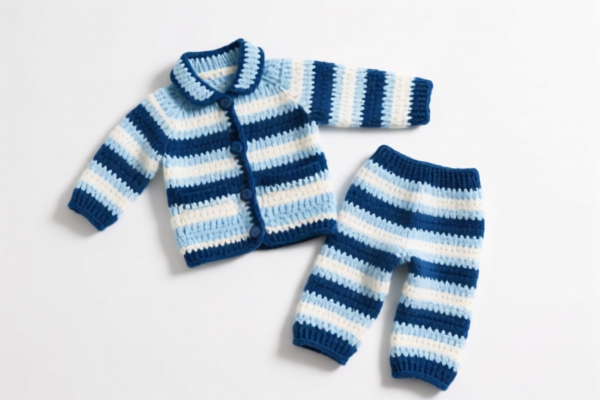
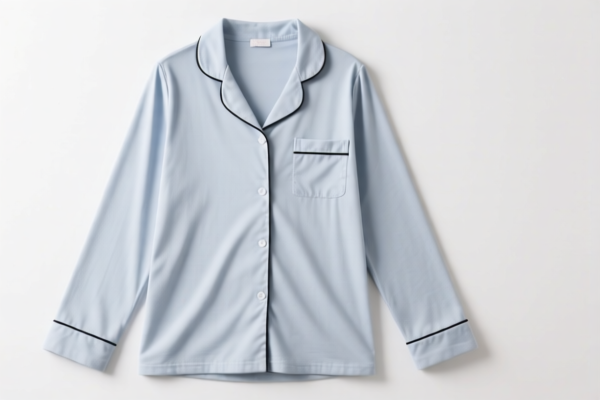
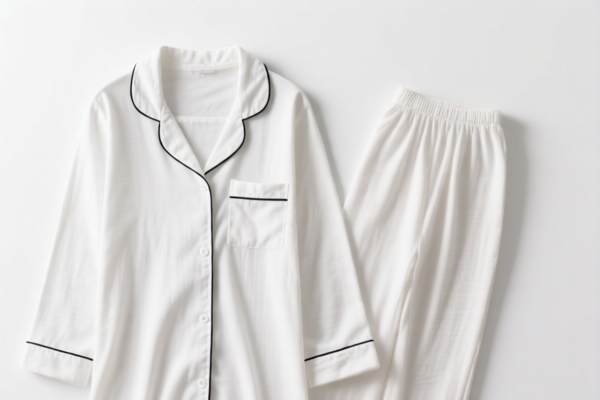
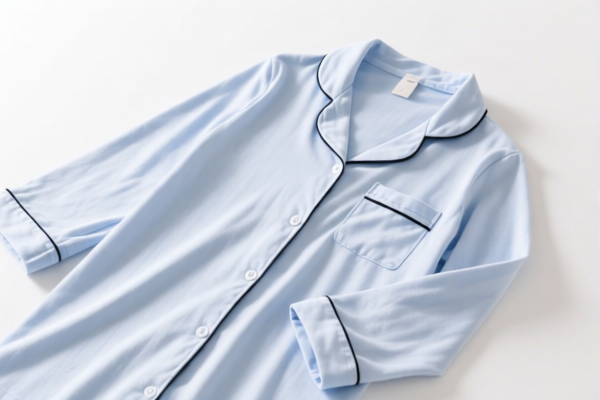
AI Analysis
🌙 Crochet Long Pajamas: Ultimate HS Code Guide & U.S. Clearance Strategy
🌐 Smart Trade Classification | 2026 Duty Forecast | Professional Clearance Tactics
📌 I. Product Definition: Are You Selling "Knitted Sleepwear" or "Woven Loungewear"?
Crochet Long Pajamas are a unique textile category where the construction method (crochet/knitted) is the primary classifier, often overriding the fabric type in the initial stage. In international trade (specifically U.S. Customs), they fall into two main buckets based on the fiber content: * Knitted/Crocheted Sleepwear (Chapter 61): Made from yarns/knitted fabrics. These attract specific duty rates based on whether the fiber is synthetic or natural. * Woven Sleepwear (Chapter 62): Made from woven fabrics (less common for "crochet," but possible if blended or structured). These generally have different duty baselines.
⚠️ Critical Distinction:
- If the fabric is crocheted by hand or machine (knitted structure) → Must use Chapter 61 codes (e.g.,6104.4x.xx).
- If the "crochet" is actually a lace pattern on woven fabric → Must use Chapter 62 codes (e.g.,6204.42.xx).
Misclassification here can trigger a 10-15% tax rate difference!
📦 II. HS Code Classification Matrix (Data-Driven 2026 Reference)
Based on the specific product characteristics and U.S. Customs data, here are the four most relevant HS Codes for Crochet Long Pajamas:
| HS Code | Product Description & Logic | Material Logic | Total Duty Rate* |
|---|---|---|---|
6104.49.90.60 |
Knitted/Crocheted Dress/Long Pajama (Other Textile Materials) | Inferred "Other": Used as a catch-all for mixed fibers or natural/synthetic blends not specified in the top subheadings. | 23.1% |
6104.43.20.10 |
Knitted/Crocheted Dress/Long Pajama (Synthetic Fibers) | Inferred Synthetic: 100% Polyester, Nylon, or Acrylic blend. | 33.5% |
6204.42.30.50 |
Woven Dress/Long Pajama (Cotton) | Inferred Woven: If the "crochet" is a design on woven cotton fabric. | 25.9% |
6204.42.30.60 |
Woven Dress/Long Pajama (Other Fibers) | Inferred Woven: Woven cotton, wool, or synthetic blend not falling into specific cotton subcategories. | 25.9% |
📌 Why this specific Code?
-6104Series: Explicitly covers "Women's dresses... knitted or crocheted." If your pajamas are a long, one-piece dress style made of yarn, this is the correct chapter. -6104.43: Specifically targets synthetic fibers (higher tax). If your pajamas are 100% acrylic or polyester, use this. -6104.49: The "Other" category. If the material is wool, cotton, or a blend that doesn't fit the strict synthetic definition, this is the "fallback" (兜底) code. -6204Series: Only applies if the garment is technically woven, not crocheted. Use only if the fabric construction is woven lace.Rates include Base Tariff + Section 301/China Tariff + Section 232/122 Tariff (as per data).
💰 III. 2026 Tariff Breakdown: The "Hidden" Cost of Crochet Sleepwear
✅ Target Market: United States (US)
✅ Origin: China (CN)
✅ Key Policy: Section 301 (Trade Act of 1974) & 122 Clause
🎯 1. 6104.43.20.10 (Synthetic Crochet Pajamas) – THE HIGHEST RISK
- Total Tax: 33.5%
- Breakdown:
- Base Tariff: 16.0% (Standard for synthetic knits).
- Section 301 (China Add-on): 7.5% (Additional tariff for textiles).
- 122 Clause Tariff: 10% (Targeted tariff for specific textile categories).
- 🚨 Critical Insight: Synthetic fibers (polyester/nylon) are heavily targeted in U.S. textile policy. The 10% surcharge pushes the total tax over 33%.
- Legal Path:
HTSUS:6104.43.20.10→Add 301 Tariff→122 Clause.
🎯 2. 6104.49.90.60 (Other/Mixed Crochet Pajamas) – THE "SAFE" DEFAULT
- Total Tax: 23.1%
- Breakdown:
- Base Tariff: 5.6% (Lower base rate for "Other" textile knits).
- Section 301 (China Add-on): 7.5%.
- 122 Clause Tariff: 10%.
- 🚨 Critical Insight: If your pajamas are cotton, wool, or a natural blend, this code applies. It saves 10.4% compared to synthetic!
- Legal Path:
HTSUS:6104.49.90.60→Add 301 Tariff→122 Clause.
🎯 3. 6204.42.30.50 & 6204.42.30.60 (Woven Cotton Pajamas)
- Total Tax: 25.9%
- Breakdown:
- Base Tariff: 8.4% (Standard for woven cotton).
- Section 301 (China Add-on): 7.5%.
- 122 Clause Tariff: 10%.
- 🚨 Critical Insight: Crucial Warning: If you declare "Crochet" but the fabric is actually woven, customs may audit you. If the item is truly woven (even with a crochet look), use this code. If it is actual crochet, this code is incorrect.
- Legal Path:
HTSUS:6204.42.30.x0→Add 301 Tariff→122 Clause.
🛠️ IV. Clearance实操建议 (Clearance Strategy & Pitfalls)
✅ 1. The "Material Declaration" Trap
🔥 Rule: Never just write "Crochet Pajamas" on the commercial invoice. - Wrong: "Crochet Long Pajamas, 100% Cotton" (If the weave is unclear). - Right: "Women's Long Pajamas, Knitted/Crocheted, 100% Cotton, Class 6104.49.90.60". - Why? Customs needs to know if it is Chapter 61 (Knitted) or Chapter 62 (Woven). The tax rate difference (23.1% vs 25.9%) is small, but the legal penalty for misclassification is high.
✅ 2. Fiber Content Verification
| Scenario | Correct Code | Tax Rate | Action |
|---|---|---|---|
| 100% Acrylic/Polyester | 6104.43.20.10 |
33.5% | High risk. Consider sourcing from Vietnam/India for lower Section 301 duties. |
| 100% Cotton (Crocheted) | 6104.49.90.60 |
23.1% | Optimal. Ensure the "Crochet" construction is documented. |
| Mixed Fiber (e.g., 50% Cotton/50% Poly) | 6104.49.90.60 |
23.1% | Use the "Other" code. Do not use the Synthetic code unless >85% synthetic. |
| Woven Fabric with Crochet Pattern | 6204.42.30.50 |
25.9% | Only if the base fabric is woven. Do not use 61xx codes. |
✅ 3. Documentation Checklist (Must-Have)
- 🧵 Fiber Content Certificate: Third-party lab report proving the exact % of synthetic vs. natural fibers.
- 📸 Construction Photo: Close-up of the crochet stitches to prove it is knitted/crocheted (Chapter 61), not woven.
- 📝 Detailed Invoice: Must explicitly state "Knitted/Crocheted" in the description.
- 🏭 Country of Origin: Must be clearly marked. If not, 122 Clause applies automatically.
✅ 4. Special "122 Clause" Warning
The 10% 122 Clause Tariff is a specific penalty often applied to textile products from China. It is non-negotiable. * Impact: Even if you find a lower base rate, the 10% surcharge will likely be added. * Mitigation: No mitigation available. The only way to avoid this is to manufacture in a non-Chinese country (e.g., Vietnam, Bangladesh, India) where 122 Clause does not apply.
🌍 V. Global Market Comparison (2026)
| Destination | Recommended HS Code | Total Duty (CN Origin) | Key Risk |
|---|---|---|---|
| 🇺🇸 USA | 6104.49.90.60 (Cotton) |
23.1% | High: 122 Clause + Section 301. |
| 🇪🇺 EU | 6104.49.90.60 |
~8% | Low: No Section 301, but EUTR compliance needed. |
| 🇨🇦 Canada | 6104.49.90.60 |
~5.8% | Moderate: CUSMA benefits if qualified. |
| 🇯🇵 Japan | 6104.49.90.60 |
~10% | Low: J-EPA benefits if qualified. |
📌 Conclusion: The US market is the most expensive for Chinese crochet pajamas due to the 33.5% (Synthetic) or 23.1% (Cotton) combined rate. If you are shipping to the US, fiber content accuracy is your lifeline.
📌 VI. Common Mistakes & Fixes (Blood & Tears)
❌ Mistake 1: Declaring "Crochet" but the fabric is woven.
👉 Result: Customs audits you. They force a switch to Chapter 62 (25.9%) + Penalties.
✅ Fix: Submit a fabric structure test (microscope photo) proving it is knitted/crocheted.
❌ Mistake 2: Assuming "100% Cotton" means a lower tax.
👉 Result: If the cotton is a blend with synthetics, it might be forced into the 33.5% Synthetic code.
✅ Fix: Get a detailed fiber breakdown (e.g., "60% Cotton, 40% Polyester" = Still "Other" code, but verify % thresholds).
❌ Mistake 3: Ignoring the "122 Clause".
👉 Result: Surprise tax bill at the port of entry.
✅ Fix: Always budget for the 10% surcharge in your profit margin. Do not quote "Base Tariff Only" to clients.
🎯 VII. Final Strategic Advice
🔹 For US Importers:
1. Verify Fiber: If you can source 100% Cotton or Wool, aim for6104.49.90.60(23.1%). Avoid Synthetics (6104.43.20.10at 33.5%) if possible.
2. Prove Construction: Ensure your supplier provides photos of the crochet stitches to prove it's Chapter 61, not 62.
3. Consider Origin Shift: If volume is high, shift production to Vietnam to escape the 122 Clause (10%) + Section 301 (7.5%).🔹 For Manufacturers:
"Label it correctly. A mislabeled 'Synthetic' pajama can cost you $10,000 in extra duties on a single 20ft container."
✨ Professional Clearance Starts with Precision!
💼 Don't gamble with 33.5% vs 23.1% – Verify your fiber content today!
Customer Reviews
About HS Code Classification
The Harmonized System (HS) is an internationally standardized nomenclature developed by the World Customs Organization (WCO) to classify traded products. Over 200 countries use the HS system as the basis for customs tariffs, trade statistics, and import/export regulations.
Each HS code follows a hierarchical structure:
- Chapter (2 digits) — Broad category of goods (e.g., Chapter 84: Machinery and Mechanical Appliances)
- Heading (4 digits) — More specific grouping within the chapter
- Subheading (6 digits) — Internationally standardized breakdown, used by all WCO member countries
- National subdivisions (8-10 digits) — Country-specific extensions for further classification, such as US HTSUS 10-digit codes
Correct HS code classification is essential for smooth customs clearance, accurate duty payment, and compliance with trade regulations. Misclassification can lead to customs delays, overpayment of duties, or penalties.
When importing from CN to US, the applicable tariff rates may include:
- Most-Favored-Nation (MFN) rate — The standard duty rate applied to WTO members
- General rate — Applied to countries without trade agreements
- Trade remedy duties — Additional tariffs such as Section 301 (anti-dumping), Section 232 (national security), or countervailing duties
The information provided on this page is for reference purposes only. For official classification, please consult with your local customs authority or a licensed customs broker.