Crocodile Skin Handbag
CN → US| HS Code | Tariff Rate | Origin | Destination | Doc |
|---|---|---|---|---|
| 4205006000 | 39.9% | CN | US | Official Doc |
| 4203300000 | 37.7% | CN | US | Official Doc |
| 4203403000 | 39.9% | CN | US | Official Doc |
| 4205008000 | 35.0% | CN | US | Official Doc |
| 4205006000 | 39.9% | CN | US | Official Doc |
Product Images
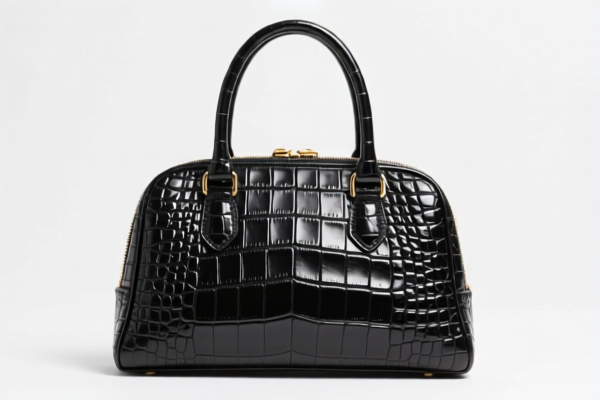
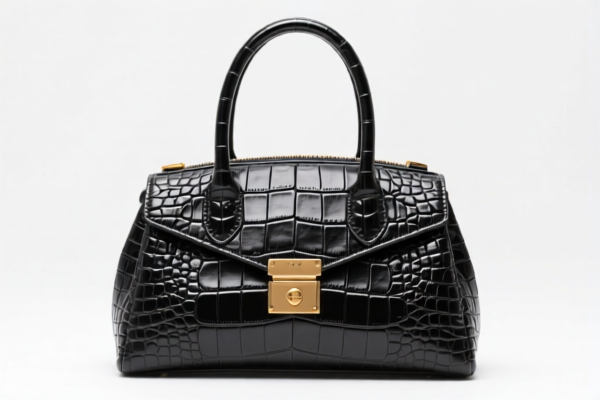
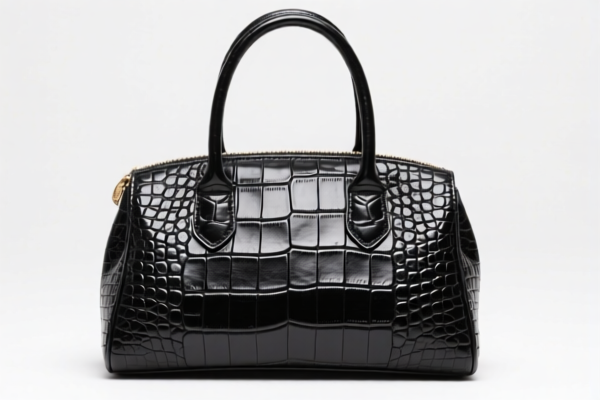
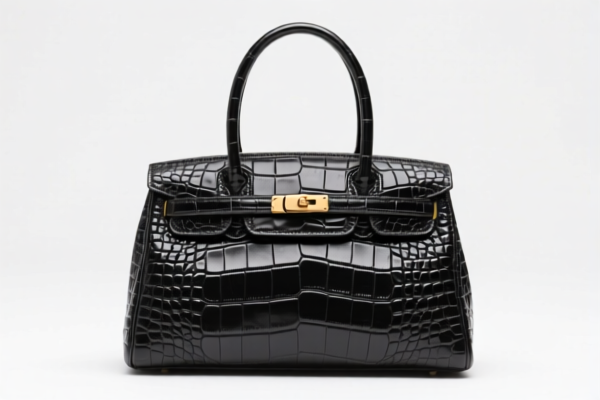
AI Analysis
👜 Crocodile Skin Handbag (Exotic Leather Goods)
🌐 HS Code Reference & Customs Clearance Guide | 2026 Latest Tariff Analysis | Professional Compliance Strategy
📌 I. Product Definition & Classification: Are You Sure About "Crocodile Skin"?
A "Crocodile Skin Handbag" is a high-value fashion accessory made from the hide of reptiles (specifically crocodilians, alligators, or caimans). In international trade, the classification hinges on two critical factors: 1. Material Origin: Is it explicitly classified as "Reptile Skin" or general "Leather"? 2. End Use: Is it a finished handbag (Article 42.02) or an accessory/other leather good?
⚠️ Key Distinction:
- If the customs authority strictly views crocodile skin as "Reptile Skin" distinct from general bovine/sheep leather → It may fall under Chapter 42.05 (Other articles of leather) or specific reptile sub-headings if available (often grouped under "Other leather").
- If viewed as "Leather Goods" generally → It may fall under Chapter 42.03 (Articles of apparel and clothing accessories) or 42.02 (Trunks, suitcases, handbags). Note: The provided data suggests ambiguity in classification between 42.03 (Apparel Accessories/Leather Articles) and 42.05 (Other Leather Articles).
📦 II. HS Code Classification Details (Based on Provided Data)
| HS Code | Summary / Classification Logic | Total Tax Rate | Tax Breakdown |
|---|---|---|---|
| 4205.00.60.00 | Material: Crocodile skin (classified as Reptile Leather). Form: Handbag (Leather Article). Fits "Reptile Leather" & "Other Leather Articles". | 39.9% | Base: 4.9% Add'l: 25.0% Section 122: 10% |
| 4203.30.00.00 | Material: Crocodile skin (classified as Leather). Form: Handbag (Leather Article). Fits "Leather" & "Other Leather Articles". | 37.7% | Base: 2.7% Add'l: 25.0% Section 122: 10% |
| 4203.40.30.00 | Material: Crocodile skin (Reptile Leather). Form: Handbag (Garment Accessory/Article). Fits material & use requirements. | 39.9% | Base: 4.9% Add'l: 25.0% Section 122: 10% |
| 4205.00.80.00 | Material: Crocodile skin (Leather Category). Form: Handbag (Article). Fits "Other Leather or Synthetic Leather Articles" with no material conflict. | 35.0% | Base: 0.0% Add'l: 25.0% Section 122: 10% |
| 4205.00.60.00 | Name "Crocodile Skin" implies "Reptile Leather" category. Form is "Leather Article" in the "Other" category. | 39.9% | Base: 4.9% Add'l: 25.0% Section 122: 10% |
🔍 Important Note on Variance:
- The classification varies between 35.0% and 39.9% depending on whether the specific subheading for "Reptile Skin" (leading to 4.9% base) or "Other Leather" (leading to 0% or 2.7% base) is applied.
- Section 122 Tariff (10%) and Additional Tariff (25%) are consistent across all options.
- Lowest Tax Option:4205.00.80.00at 35.0%.
- Highest Tax Options:4205.00.60.00and4203.40.30.00at 39.9%.
💰 III. 2026 Latest Tariff Rate Breakdown (Including Surcharges)
✅ Applicable Country: USA (US)
✅ Origin: China (CN)
✅ Effective Date: Post-November 10, 2025 Imports
🎯 1. 4205.00.60.00 & 4203.40.30.00 —— Reptile Skin / Garment Accessories
| Item | Content |
|---|---|
| Base Duty | 4.9% |
| Section 301 / Add'l Duty | +25.0% |
| Section 122 Duty | +10.0% |
| Total Rate | 39.9% |
| Calculation | CIF Value × 39.9% |
| De Minimis Exemption? | ❌ No (High risk of scrutiny) |
| Legal Path | Base Tariff → 301 Section → Section 122 |
📌 Explanation:
- The 4.9% base reflects the higher duty for specific reptile leather categories.
- The 25% additional tariff is standard for Chinese origin goods under Section 301.
- The 10% Section 122 tariff applies to specific trade remedy cases (likely anti-dumping/countervailing or national security-related duties depending on current enforcement).
- Total: 39.9% is a significant cost driver.
🎯 2. 4203.30.00.00 —— General Leather Accessories
| Item | Content |
|---|---|
| Base Duty | 2.7% |
| Section 301 / Add'l Duty | +25.0% |
| Section 122 Duty | +10.0% |
| Total Rate | 37.7% |
| Calculation | CIF Value × 37.7% |
| De Minimis Exemption? | ❌ No |
📌 Explanation:
- Slightly lower base rate (2.7%) compared to reptile-specific codes.
- Still subject to full surcharges.
🎯 3. 4205.00.80.00 —— Other Leather Articles (Lowest Tax)
| Item | Content |
|---|---|
| Base Duty | 0.0% |
| Section 301 / Add'l Duty | +25.0% |
| Section 122 Duty | +10.0% |
| Total Rate | 35.0% |
| Calculation | CIF Value × 35.0% |
| De Minimis Exemption? | ❌ No |
📌 Explanation:
- This code has 0% Base Duty, making it the most tax-efficient option if the product description allows "Other Leather Articles" classification without triggering the reptile-specific higher base rates.
- Total: 35.0% is the minimum liability under this data set.
🛠️ IV. Customs Clearance Practical Advice (Avoiding Pitfalls)
✅ 1. Required Documentation (Mandatory)
| Document | Must Provide | Explanation |
|---|---|---|
| ✅ Material Certificate | ✔️ | Must specify Crocodile Alligator Caiman and CITES documentation. |
| ✅ CITES Permit | ✔️ | Critical! Exotic skins require CITES Export/Import permits. Without it, shipment will be seized. |
| ✅ Product Photos | ✔️ | Clear images showing texture, stitching, brand, and hardware. |
| ✅ Commercial Invoice | ✔️ | Detailed description: "Women's Handbag, Crocodile Skin, Model XYZ". |
| ✅ Packing List | ✔️ | Weight, dimensions, and contents. |
✅ 2. Declaration Strategy
🔥 "Declare Material Precisely, Use CITES, Choose the Lowest Base Rate!"
| Scenario | Recommended HS Code | Tax Rate | Reason |
|---|---|---|---|
| General Handbag (Broad Classification) | 4205.00.80.00 |
35.0% | Lowest base duty (0%). Use if classification allows "Other Leather". |
| Strict Reptile Classification | 4205.00.60.00 |
39.9% | Higher base (4.9%) due to specific reptile leather rules. |
| Accessory Classification | 4203.30.00.00 |
37.7% | Middle ground. |
| Garment Accessory | 4203.40.30.00 |
39.9% | Same as reptile-specific. |
📌 Key Tip:
- If possible, argue for4205.00.80.00("Other Leather Articles") to save 4.9% on the base duty.
- However, ensure your product does not strictly fall under "Trunks, Suitcases, Handbags" (Chapter 42.02) if that code has different duties (not listed in data). Note: The provided data only lists 42.03 and 42.05 codes.
✅ 3. Special Considerations for Exotic Skins
| Issue | Handling Advice |
|---|---|
| CITES Compliance | Ensure CITES Permit is presented before arrival. Customs will hold cargo until verified. |
| Species Identification | Must specify Species (e.g., Cuvier’s Alligator, Nile Crocodile). Vague terms like "Exotic Leather" may lead to audits. |
| Valuation | High-value items may trigger additional valuation reviews. Provide proof of purchase (invoice from supplier). |
| Country of Origin | Ensure Country of Origin is correctly declared. China origin triggers 25% + 10% surcharges. |
🌍 V. Global Market Comparison (2026)
| Country/Region | Recommended HS Code | Estimated Total Duty | CITES Required? | Notes |
|---|---|---|---|---|
| 🇺🇸 USA | 4205.00.80.00 |
35.0% | ✅ Yes | Highest total duty due to Surcharges. |
| 🇨🇳 China | Varies | ~10-15% | ✅ Yes | Lower base duties, no Section 122. |
| 🇪🇺 EU | 4202.21/22 | ~4-12% | ✅ Yes | CITES strictly enforced. |
| 🇬🇧 UK | Varies | ~5-15% | ✅ Yes | Post-Brexit rules apply. |
| 🇯🇵 Japan | 4202.21/22 | ~5-10% | ✅ Yes | No major surcharges. |
📌 Conclusion:
- USA is the most expensive market due to Section 301 (25%) and Section 122 (10%) surcharges.
- CITES Compliance is non-negotiable globally.
- Consider transshipment or origin change (if legal) to mitigate US tariffs.
📌 VI. Common Mistakes & Pitfalls (Lessons Learned)
❌ Mistake 1: Using "Leather Handbag" without specifying "Crocodile Skin"
👉 Consequence: Customs may classify as general leather, then audit for exotic status → Seizure & Fines.
❌ Mistake 2: Missing CITES Permit
👉 Consequence: Immediate seizure and destruction of goods. No exceptions.
❌ Mistake 3: Declaring as "Fashion Accessory" (Chapter 61/62)
👉 Consequence: Incorrect classification → Retrospective duty assessment + Penalties.
❌ Mistake 4: Not specifying Species
👉 Consequence: Customs delays while requesting proof of non-threatened species.
✅ Correct Practice:
"Women's Handbag, Made from Crocodile Skin (CITES Permit No. XXXXX), Model ABC, Origin: China, CIF Value: $XXX"
🎯 VII. Conclusion: Professional Declaration Saves Money!
🎯 Remember the Key Rule:
🔹 "CITES First, HS Code Second, Tax Third!"
🔹 "4205.00.80.00saves 4.9% if applicable!"
🔹 "35% vs 39.9% depends on precise classification!"
📌 Pro Tip:
If your handbag is made from cultured crocodile skin, ensure the CITES permit specifies "Farmed" to avoid stricter scrutiny.
For USA imports, calculate the 35% vs 39.9% difference on high-value items — it can be thousands of dollars.
Consult a licensed customs broker to confirm if4205.00.80.00is applicable for your specific product design.
📣 Immediate Action:
📞 Verify CITES Permit → 📄 Confirm HS Code (
4205.00.80.00preferred) → 📦 Declare Accurately
🚀 Clear Customs Smoothly, Maximize Profit, Avoid Seizures!
✨ Professional Compliance from Accurate Classification!
💼 Every Dollar Saved in Duty is Pure Profit!
Customer Reviews
About HS Code Classification
The Harmonized System (HS) is an internationally standardized nomenclature developed by the World Customs Organization (WCO) to classify traded products. Over 200 countries use the HS system as the basis for customs tariffs, trade statistics, and import/export regulations.
Each HS code follows a hierarchical structure:
- Chapter (2 digits) — Broad category of goods (e.g., Chapter 84: Machinery and Mechanical Appliances)
- Heading (4 digits) — More specific grouping within the chapter
- Subheading (6 digits) — Internationally standardized breakdown, used by all WCO member countries
- National subdivisions (8-10 digits) — Country-specific extensions for further classification, such as US HTSUS 10-digit codes
Correct HS code classification is essential for smooth customs clearance, accurate duty payment, and compliance with trade regulations. Misclassification can lead to customs delays, overpayment of duties, or penalties.
When importing from CN to US, the applicable tariff rates may include:
- Most-Favored-Nation (MFN) rate — The standard duty rate applied to WTO members
- General rate — Applied to countries without trade agreements
- Trade remedy duties — Additional tariffs such as Section 301 (anti-dumping), Section 232 (national security), or countervailing duties
The information provided on this page is for reference purposes only. For official classification, please consult with your local customs authority or a licensed customs broker.