Custom Silk Fabric Handbag
CN → US| HS Code | Tariff Rate | Origin | Destination | Doc |
|---|---|---|---|---|
| 6305900000 | 23.7% | CN | US | Official Doc |
| 4202228930 | 52.6% | CN | US | Official Doc |
| 6305200000 | 23.7% | CN | US | Official Doc |
| 4202224020 | 42.4% | CN | US | Official Doc |
Product Images
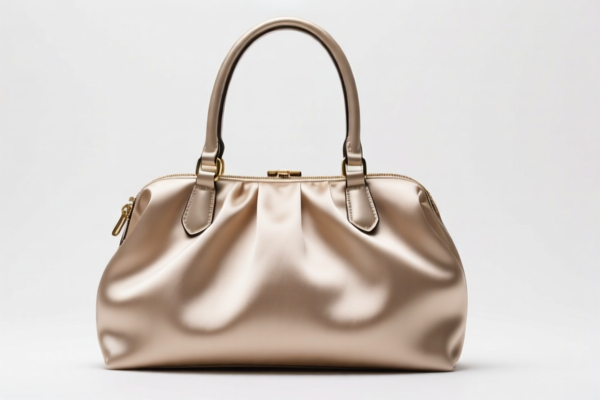
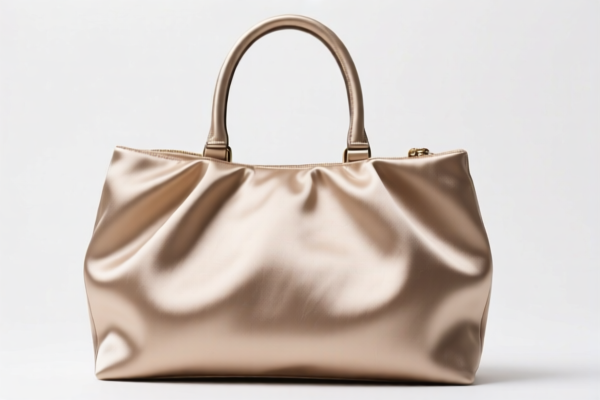
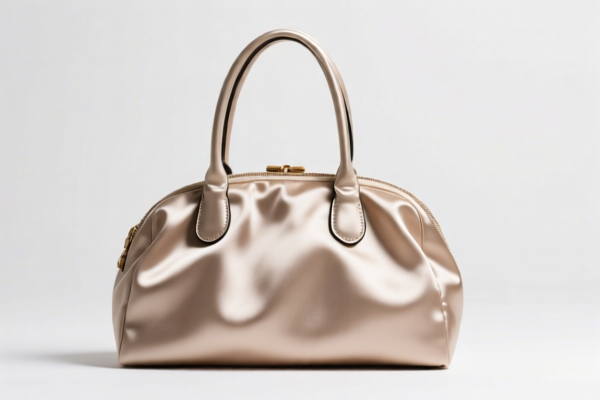

AI Analysis
👜 Silk Fabric Handbag (Custom)
🌐 HS Code Reference & Customs Clearance Guide | 2026 Latest Tariff Analysis | Professional Entry Strategy
📌 I. Product Definition & Classification: Do You Truly Understand the "Silk Handbag"?
A Custom Silk Fabric Handbag is a luxury accessory primarily valued for its aesthetic and material quality. In international trade, the classification hinges strictly on two factors: Material Composition and Function.
Key Distinction: - Handbag (Personal Use): Intended to carry personal items (phones, wallets, cosmetics). Classified under Chapter 42 (Articles of Leather; Saddle Harness) or Chapter 63 (Other Made-up Textile Articles) depending on surface material. - Shopping Bag/Tote (General Use): Often classified under Chapter 63 if made entirely of textile materials, even if used as a handbag.
⚠️ Critical Classification Point:
- If the outer surface is primarily Textile Material (Silk, Cotton, Polyester) → Likely Chapter 42 (4202) or Chapter 63 (6305).
- Silk is a Textile Fiber. Therefore, it falls under 4202.22 (Handbags with outer surface of textile materials) or potentially 6305 (Sacks and bags) if considered a generic "bag" rather than a "handbag."
📦 II. HS Code Classification Details (Latest 2026 Tariff Alignment)
Based on the provided data, here are the four possible HS Codes for a Silk Fabric Handbag, ranked by classification logic:
| HS Code | Product Description | Match Logic / Summary | Total Tax Rate |
|---|---|---|---|
4202.22.89.30 |
Handbags with outer surface of textile materials (Other) | Strongest Match: Explicitly defines "Handbag" + "Textile Surface." Silk is a textile. Fits the standard definition of a fashion handbag. | 52.6% |
4202.22.40.20 |
Handbags with outer surface of textile materials (Cotton) | Partial Match: Product is "Silk," but customs may broadly categorize natural fibers under "Cotton" or similar textile headings in some jurisdictions if not specified. Note: Silk ≠ Cotton, but this code applies to "textile" handbags. | 42.4% |
6305.90.00.00 |
Sacks and bags, of textile materials (Other) | Alternative Match: If the item is deemed a "generic bag" rather than a structured "handbag." Logic: "Handbag shape + Textile material = Bag." | 23.7% |
6305.20.00.00 |
Sacks and bags, of cotton (or textile) | Specific Material Match: Explicitly mentions "Cotton" in summary, but the logic holds for "Textile + Bag." If silk is deemed negligible or misclassified as cotton, this applies. | 23.7% |
🔍 Key Takeaway:
-4202.22.89.30is the most accurate for a fashion handbag with a textile (silk) exterior.
-6305.90.00.00is a lower-tax alternative if the item is classified as a generic "bag" (e.g., a tote or shopping bag) rather than a structured handbag.
- Silk is a textile fiber. It does NOT fall under Chapter 41 (Leather) or Chapter 50 (Silk Yarn). It falls under Chapter 63 (Made-up Textiles) or Chapter 42 (Articles of Leather, with textile surfaces).
💰 III. 2026 Latest Tariff Rate Breakdown (Including Additional Duties)
✅ Applicable Country: United States (US)
✅ Origin: China (CN)
✅ Effective Date: November 10, 2025 (and subsequent imports)
🎯 1. 4202.22.89.30 — Handbags (Textile Surface, Other)
| Item | Detail |
|---|---|
| Base Duty | 17.6% |
| Section 301 Additional Duty | +25.0% (USITC Footnote) |
| IEEPA Additional Duty | +10.0% (China-specific tariff) |
| Total Tax Rate | 52.6% |
| Tax Calculation | CIF Value × 52.6% |
| De Minimis Exemption? | ❌ NO (Not eligible for $800 de minimis exemption) |
| Legal Path | IEEPA:9903.01.25 → USITC:4202.22.89.30 → FOOTNOTE:301 |
📌 Explanation:
- This is the highest tax bracket for handbags.
- Why? Because it is classified as a luxury/personal article (Chapter 42) rather than a generic sack (Chapter 63).
- Risk: High. If Customs inspects and agrees it’s a handbag, you pay 52.6%.
🎯 2. 4202.22.40.20 — Handbags (Textile Surface, Cotton/Silk)
| Item | Detail |
|---|---|
| Base Duty | 7.4% |
| Section 301 Additional Duty | +25.0% |
| IEEPA Additional Duty | +10.0% |
| Total Tax Rate | 42.4% |
| Tax Calculation | CIF Value × 42.4% |
| De Minimis Exemption? | ❌ NO |
| Legal Path | IEEPA:9903.01.24 → USITC:4202.22.40.20 |
📌 Note:
- Lower base duty (7.4%) than 89.30, but still high due to 301/IEEPA.
- Use this if you can justify the material as "Cotton" or "General Textile" rather than "Other Textile."
🎯 3. 6305.90.00.00 — Sacks/Bags (Textile, Other)
| Item | Detail |
|---|---|
| Base Duty | 6.2% |
| Section 301 Additional Duty | +7.5% |
| IEEPA Additional Duty | +10.0% |
| Total Tax Rate | 23.7% |
| Tax Calculation | CIF Value × 23.7% |
| De Minimis Exemption? | ❌ NO (Note: Some low-value shipments may still be exempt, but high-value silk bags are likely subject to inspection) |
| Legal Path | IEEPA:9903.01.24 → USITC:6305.90.00.00 |
📌 Strategy:
- Lowest Tax Rate: 23.7%.
- How to Justify? Market the item as a "Silk Tote Bag" or "Shopping Bag" rather than a structured "Handbag." Emphasize utility over fashion.
- Risk: Medium. If Customs deems it a handbag, they may reassess to 4202.22.89.30.
🎯 4. 6305.20.00.00 — Sacks/Bags (Cotton)
| Item | Detail |
|---|---|
| Base Duty | 6.2% |
| Section 301 Additional Duty | +7.5% |
| IEEPA Additional Duty | +10.0% |
| Total Tax Rate | 23.7% |
| Tax Calculation | CIF Value × 23.7% |
| De Minimis Exemption? | ❌ NO |
| Legal Path | IEEPA:9901.25 → USITC:6305.20.00.00 |
📌 Caution:
- Silk ≠ Cotton. Using this code for 100% Silk is risky and may lead to penalties for misclassification.
- Only use if the bag is blended with significant cotton content or if you can prove it’s primarily a "cotton-style" textile bag.
🛠️ IV. Customs Clearance Practical Advice (Real-World Pitfall Guide)
✅ 1. Document Checklist (Non-Negotiable)
| Document | Required | Purpose |
|---|---|---|
| ✅ Product Photos | ✔️ | Show shape, structure, handles. Prove it’s a handbag or bag. |
| ✅ Material Composition Label | ✔️ | Must state "100% Silk" or "Silk Blend." Do not lie. |
| ✅ Commercial Invoice | ✔️ | Describe as "Silk Fabric Tote Bag" (if aiming for 6305) or "Silk Handbag" (if aiming for 4202). |
| ✅ Origin Certificate | ✔️ | Prove China origin for 301/IEEPA calculation. |
| ✅ Usage Statement | ✔️ | "Intended for casual shopping" (for 6305) vs. "Luxury fashion accessory" (for 4202). |
✅ 2. Declaration Strategy (Key Formulas)
🔥 “Shape Dictates Code, Material Dictates Chapter, Name Dictates Tax!”
| Scenario | Recommended HS Code | Reasoning | Risk Level |
|---|---|---|---|
| Structured Handbag (Handles, Zipper, Interior Pocket) | 4202.22.89.30 |
Fits "Handbag" definition perfectly. | 🟢 Low (Accurate) but High Tax |
| Soft Tote/Shopping Bag (No stiff structure, open top) | 6305.90.00.00 |
Fits "Bag" definition. Lower tax. | 🟡 Medium (May be reclassified) |
| Silk Scarf + Bag Combo | 6305.90.00.00 |
If bag is secondary, focus on textile sack. | 🟡 Medium |
| Misclassified as Cotton | 6305.20.00.00 |
Dangerous if 100% silk. | 🔴 High (Penalty Risk) |
✅ 3. Special Handling for "Custom Silk"
| Situation | Advice |
|---|---|
| OEM Custom Design | Provide design files to prove it’s a custom textile bag, not a mass-produced handbag. |
| High-Value Luxury | Expect higher scrutiny. Ensure invoice value matches market price. |
| Sample Shipments | Use DDP (Delivered Duty Paid) if possible, to avoid customs delays. |
| De Minimis ($800) | Not Eligible for silk bags from China due to 301/IEEPA tariffs. Plan for full duty payment. |
🌍 V. Global Market Comparison (2026)
| Country/Region | Recommended HS Code | Tariff Rate (China Origin) | Certification | Notes |
|---|---|---|---|---|
| 🇺🇸 USA | 4202.22.89.30 |
52.6% | No specific certs | High tax due to 301/IEEPA. |
| 🇺🇸 USA | 6305.90.00.00 |
23.7% | No specific certs | Lower tax if classified as "Bag." |
| 🇪🇺 EU | 4202.22.00 |
~4.5% + VAT | CE/RoHS not needed for fashion | No 301/IEEPA equivalent. |
| 🇨🇳 China | 4202.22.00 |
20% + VAT | N/A | Domestic consumption tax may apply. |
| 🇬🇧 UK | 4202.22.00 |
~4.5% + VAT | N/A | Post-Brexit rules apply. |
📌 Conclusion:
- USA is the most challenging market for silk handbags due to 52.6% total tax.
- EU/UK offer significantly lower duties (~4.5%), making them more attractive for luxury textile goods.
- Strategy: Consider re-routing through third countries (e.g., Vietnam, Mexico) if eligible for Free Trade Agreements (FTAs) to avoid 301/IEEPA tariffs.
📌 VI. Common Errors & Pitfalls (Lessons Learned)
❌ Error 1: Declaring Silk Handbag as "Leather Handbag"
👉 Consequence: Fraud. Penalty + Reimport. Silk is NOT leather.
❌ Error 2: Declaring Silk Handbag as "Cotton Bag" (6305.20)
👉 Consequence: Misclassification. If inspected, Customs will demand 23.7% (if correct) or 52.6% (if reclassified as handbag), plus penalties.
❌ Error 3: Splitting Shipment into Multiple Small Packages to Avoid Tax
👉 Consequence: "De Minimis Abuse." CBP now scrutinizes fragmented shipments. High risk of seizure.
❌ Error 4: Using "Gift" to Avoid Duty
👉 Consequence: Commercial shipments labeled as gifts are still subject to duty. No exemption for silk bags.
✅ Correct Approach:
"Silk Fabric Tote Bag, 100% Silk, Open Top, No Zipper, Model XYZ"
(Use "Tote Bag" to aim for 6305.90.00.00 → 23.7%)
🎯 VII. Conclusion: Smart Classification, Cost Savings!
🎯 Remember:
🔹 "Handbag = 52.6%, Tote Bag = 23.7%"
🔹 "Silk is Textile, Not Leather. Don’t Lie!"
🔹 "Structure Defines Code, Name Defines Tax."
📌 Pro Tip:
If your silk bags are shipped from Vietnam, Mexico, or Thailand, you may qualify for 0%~5% tariff under USMCA or ASEAN FTAs.
Recommendation: Apply for Advance Ruling from CBP to confirm HS Code before shipment.
📣 Immediate Action:
📞 Consult a Customs Broker + Provide Product Photos + Apply for HS Code Pre-Ruling
🚀 Ensure Smooth Clearance, Efficient Export, and Maximized Profit!
✨ Professional Customs Clearance Starts with Accurate Classification!
💼 Every Dollar Saved is a Dollar Earned!
Customer Reviews
About HS Code Classification
The Harmonized System (HS) is an internationally standardized nomenclature developed by the World Customs Organization (WCO) to classify traded products. Over 200 countries use the HS system as the basis for customs tariffs, trade statistics, and import/export regulations.
Each HS code follows a hierarchical structure:
- Chapter (2 digits) — Broad category of goods (e.g., Chapter 84: Machinery and Mechanical Appliances)
- Heading (4 digits) — More specific grouping within the chapter
- Subheading (6 digits) — Internationally standardized breakdown, used by all WCO member countries
- National subdivisions (8-10 digits) — Country-specific extensions for further classification, such as US HTSUS 10-digit codes
Correct HS code classification is essential for smooth customs clearance, accurate duty payment, and compliance with trade regulations. Misclassification can lead to customs delays, overpayment of duties, or penalties.
When importing from CN to US, the applicable tariff rates may include:
- Most-Favored-Nation (MFN) rate — The standard duty rate applied to WTO members
- General rate — Applied to countries without trade agreements
- Trade remedy duties — Additional tariffs such as Section 301 (anti-dumping), Section 232 (national security), or countervailing duties
The information provided on this page is for reference purposes only. For official classification, please consult with your local customs authority or a licensed customs broker.