Decontamination Cotton
CN → US| HS Code | Tariff Rate | Origin | Destination | Doc |
|---|---|---|---|---|
| 5601290090 | 39.0% | CN | US | Official Doc |
| 5601210090 | 38.6% | CN | US | Official Doc |
| 3926903500 | 24.0% | CN | US | Official Doc |
| 3005905090 | 10.0% | CN | US | Official Doc |
| 3810905000 | 40.0% | CN | US | Official Doc |
Product Images
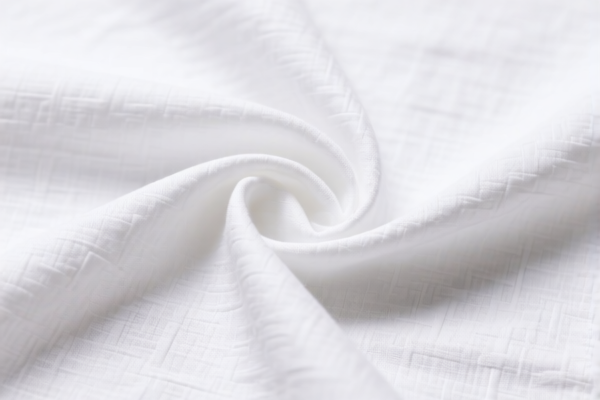
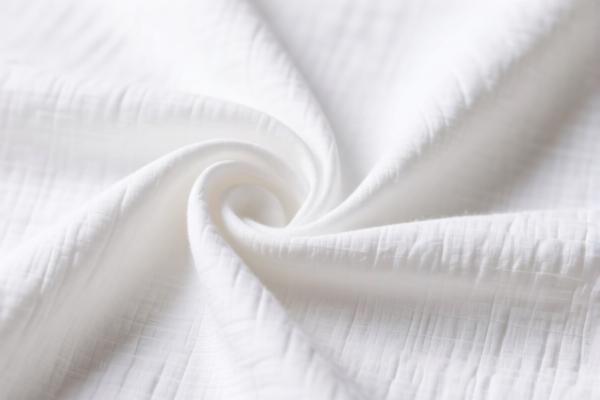
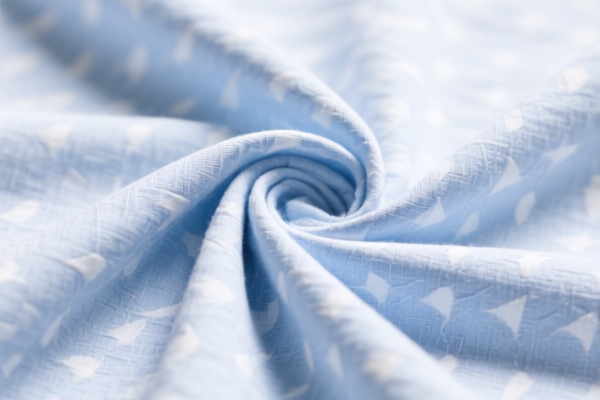
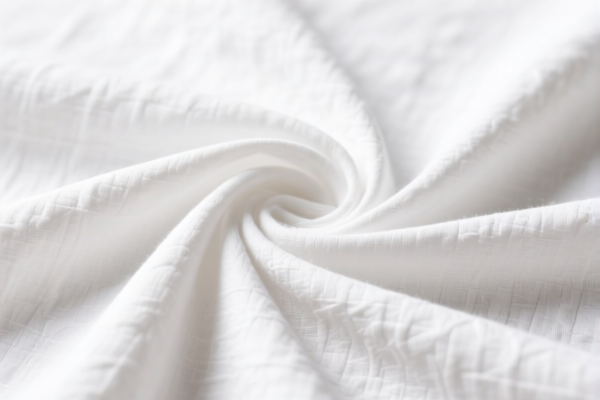
AI Analysis
🧼 Decontamination Cotton (Chemical Cleaning Pads)
🌐 HS Code Reference & Customs Clearance Guide | 2026 Latest Tariff Analysis | Professional Clearance Strategy
📌 1. Product Definition & Classification: What is "Decontamination Cotton"?
Decontamination Cotton is a versatile cleaning tool used for removing stains, grease, dust, or chemical residues. In international trade, it is often misunderstood. Is it medical gauze? Is it a chemical solvent? Or is it a raw textile material? The classification depends entirely on its material composition and state of processing.
⚠️ Key Distinction Point:
- If it is medical-grade (sterile, for wound care) → 3005.90.50.90
- If it is textile-based (cotton/polyester fibers for industrial wiping) → 5601.21.00.90 or 5601.29.00.90
- If it is foam/polyurethane-based (sponge-like structure) → 3926.90.35.00
- ⚠️ Warning: Do NOT confuse it with liquid/chemical cleaners (HS 3810.90.50.00). This HS Code is for metal surface treatment agents, not solid cotton pads.
📦 2. HS Code Classification Details (2026 Latest Tariff Authority)
| HS Code | Product Description | Material Attribute | Application Scenario | Tax Risk Level |
|---|---|---|---|---|
3005.90.50.90 |
Wadding, gauze, bandages and similar articles for medical purposes | Cotton/Fibers | Medical decontamination, sterile pads | 🟢 Lowest Risk |
5601.21.00.90 |
Cotton wadding and articles thereof | Pure Cotton | Industrial wiping, textile padding | 🟡 Medium Risk |
5601.29.00.90 |
Other textile wadding and articles thereof | Synthetic/Mixed Fibers | General industrial cleaning, sponge-like pads | 🟡 Medium Risk |
3926.90.35.00 |
Other articles of plastics and articles of other materials of heading 3921 | Polyurethane (PU)/Plastic Foam | Chemical-resistant foam pads, non-woven synthetic | 🟠 High Risk |
3810.90.50.00 |
Other auxiliary preparations for metal surface treatment | Liquid/Paste Chemical | MISCLASSIFICATION ALERT | 🔴 Critical Error |
🔍 Key Insight:
- The summary data suggests 3810.90.50.00 is a possibility, but the description explicitly links it to "Descaling Agent" (chemical). If your product is a solid cotton pad, this is likely an incorrect inference based on a misinterpretation of the name "Decontamination." Use only if the product is a chemical-soaked wipe intended for metal surface treatment. - 3005.90.50.90 offers the lowest tariff base (0%) but is strict on "medical" definitions.
💰 3. 2026 Latest Tariff Rate Breakdown (Including Additional Duties)
✅ Applicable Country: United States (US)
✅ Country of Origin: China (CN)
✅ Effective Date: November 10, 2025 (and subsequent imports)
🎯 1. 3005.90.50.90 —— Medical Wadding/Gauze (Cotton)
| Item | Content |
|---|---|
| Base Duty Rate | 0.0% |
| Section 301 Surcharge | 0.0% |
| IEEPA Surcharge | +10% (List 4A, China-specific) |
| Total Tax Rate | 10.0% |
| Tax Calculation | CIF Value × 10% |
| De Minimis Exemption | ❌ Not Applicable (Commercial Import) |
| Legal Basis Path | IEEPA:9903.01.25 → USITC:3005.90.50.90 |
📌 Explanation:
- The base duty for medical wadding is 0%.
- However, the IEEPA 10% surcharge applies to most Chinese-origin goods under List 4A.
- Total Cost Impact: Only 10%, making this the most tax-efficient option IF the product can be legally classified as a medical/health article.
🎯 2. 5601.21.00.90 —— Cotton Wadding and Articles Thereof
| Item | Content |
|---|---|
| Base Duty Rate | 3.6% |
| Section 301 Surcharge | +25.0% |
| IEEPA Surcharge | +10.0% |
| Total Tax Rate | 38.6% |
| Tax Calculation | CIF Value × 38.6% |
| De Minimis Exemption | ❌ Not Applicable |
| Legal Basis Path | IEEPA:9901.25 → USITC:5601.21.00.90 |
📌 Explanation:
- If the cotton pad is not medical (e.g., for cleaning car engines or furniture), it falls under textile wadding.
- The 35% additional duty (25% + 10%) makes this significantly more expensive.
- Material Conflict Check: Ensure the product is indeed cotton. If it is polyester, use 5601.29.00.90.
🎯 3. 5601.29.00.90 —— Other Textile Wadding (Non-Cotton)
| Item | Content |
|---|---|
| Base Duty Rate | 4.0% |
| Section 301 Surcharge | +25.0% |
| IEEPA Surcharge | +10.0% |
| Total Tax Rate | 39.0% |
| Tax Calculation | CIF Value × 39.0% |
| De Minimis Exemption | ❌ Not Applicable |
| Legal Basis Path | IEEPA:9903.01.24 → USITC:5601.29.00.90 |
📌 Explanation:
- Applies if the "cotton" is actually a synthetic fiber (polyester, viscose) or a blend.
- Slightly higher than cotton wadding due to a higher base rate (4.0% vs 3.6%).
🎯 4. 3926.90.35.00 —— Other Articles of Plastics (PU Foam)
| Item | Content |
|---|---|
| Base Duty Rate | 6.5% |
| Section 301 Surcharge | +7.5% |
| IEEPA Surcharge | +10.0% |
| Total Tax Rate | 24.0% |
| Tax Calculation | CIF Value × 24.0% |
| De Minimis Exemption | ❌ Not Applicable |
| Legal Basis Path | IEEPA:9901.25 → USITC:3926.90.35.00 |
📌 Explanation:
- If the "decontamination cotton" is actually a polyurethane (PU) foam sponge (common in industrial cleaning), this is the correct classification.
- Lower total duty (24%) compared to textile wadding, but the base duty is higher.
- Crucial: Must prove the material is plastic/foam, not fiber.
🎯 5. 3810.90.50.00 —— Auxiliary Preparations for Metal Surface Treatment
| Item | Content |
|---|---|
| Base Duty Rate | 5.0% |
| Section 301 Surcharge | +25.0% |
| IEEPA Surcharge | +10.0% |
| Total Tax Rate | 40.0% |
| Tax Calculation | CIF Value × 40.0% |
| De Minimis Exemption | ❌ Not Applicable |
| Legal Basis Path | IEEPA:9903.01.25 → USITC:3810.90.50.00 |
📌 WARNING:
- This HS Code is for chemical solutions (descalers, pickling pastes), NOT solid cotton pads.
- The summary data mentions "Descaling Agent," which is a mismatch for "Cotton."
- Do not use this unless you are importing a liquid chemical in a container. Using this for cotton pads will lead to customs seizure or heavy penalties for misdeclaration.
🛠️ 4. Customs Clearance Practical Advice (Pitfall Avoidance Guide)
✅ 1. Required Documentation List (All Must Provide)
| Document | Mandatory | Description |
|---|---|---|
| ✅ Product Specification Sheet | ✔️ | Must specify: Material (Cotton/PU/Synthetic), Dimensions, Usage (Medical/Industrial). |
| ✅ Material Composition Certificate | ✔️ | Lab report proving % Cotton vs. Polyester vs. PU Foam. |
| ✅ Product Photos (Clear Label) | ✔️ | Show texture, packaging, and any medical certifications (if claiming 3005.90.50.90). |
| ✅ Certificate of Origin (CO) | ✔️ | Required for US customs origin verification. |
| ✅ Commercial Invoice | ✔️ | Must accurately describe the item as "Decontamination Cotton Pad" or "Cleaning Wadding," NOT "Chemical Descaler." |
| ✅ Packing List | ✔️ | Detailed weight and count. |
✅ 2. Declaration Tips (Key Mantra)
🔥 "Material Defines Code, Not Just Name!"
| Scenario | Correct Declaration | Wrong Action |
|---|---|---|
| Medical Use (Sterile) | 3005.90.50.90 |
Misdeclare as industrial cotton → 38.6% |
| Industrial Wiping (Cotton) | 5601.21.00.90 |
Misdeclare as plastic foam → 24.0% (if actually cotton) or 39% (if misclassified) |
| Foam Sponge (PU) | 3926.90.35.00 |
Call it "Cotton" → Risk of 39% duty + fine |
| Liquid Cleaner | 3810.90.50.00 |
Ship liquid as "Cotton" → Seizure |
✅ 3. Special Cases
| Case | Handling Advice |
|---|---|
| SOaked Cotton Pads | If impregnated with chemicals, the product may be considered a chemical preparation (HS 3810) or medical article (HS 3005), depending on the chemical and concentration. Get a customs advance ruling. |
| Non-Medical "Cotton" | Even if named "Cotton," if it's 100% polyester, use 5601.29.00.90. Mislabeling synthetic as cotton can trigger audits. |
| Foam vs. Fiber | Visually and chemically distinct. PU foam dissolves in certain solvents; cotton burns. Provide test reports. |
🌍 5. Global Market Clearance Comparison (2026 Latest)
| Country/Region | Recommended HS Code | Duty (China Origin) | Certification | Notes |
|---|---|---|---|---|
| 🇺🇸 USA | 3005.90.50.90 (if medical) |
10% | FDA Registration (if medical) | Most competitive if medical |
| 🇺🇸 USA | 5601.21.00.90 (if cotton) |
38.6% | None | High duty due to Section 301 |
| 🇺🇸 USA | 3926.90.35.00 (if foam) |
24.0% | None | Mid-range duty |
| 🇨🇳 China | 3005.90.50.90 |
0-5% | CCC (if medical devices) | Low entry barrier |
| 🇪🇺 EU | 3005.90.90 |
0% | CE MDR (if medical) | No Section 301 equivalent |
📌 Conclusion:
- USA is the most complex market due to Section 301 and IEEPA tariffs.
- Classifying as Medical (3005.90.50.90) offers the biggest savings (10% vs 39%), but requires strict adherence to medical device regulations.
- Foam (3926.90.35.00) is a safe middle ground if the product is indeed PU-based.
📌 6. Common Errors & Pitfalls (Blood Lessons)
❌ Error 1: Calling a PU Foam Pad "Cotton" to avoid higher textile duties.
👉 Consequence: Customs inspection finds plastic → Retrospective tax of 39% + Penalties.
❌ Error 2: Using HS 3810 for solid cotton pads because of the word "Decontamination."
👉 Consequence: Customs Rejection. 3810 is for liquids/pastes, not solids.
❌ Error 3: Claiming Medical Status for industrial cleaning pads.
👉 Consequence: FDA Violation. If not registered as a medical device, you cannot use HS 3005.90.50.90.
❌ Error 4: Ignoring Material Composition.
👉 Consequence: If you declare "Cotton" but it's 50% polyester, you may be assessed 5601.29.00.90 (39.0%) instead of 5601.21.00.90 (38.6%), plus fines for inaccurate declaration.
✅ Correct Practice:
"PU Foam Cleaning Pad, 10cm x 10cm, Industrial Use, Non-Medical, Model XYZ" → HS 3926.90.35.00
OR
"Sterile Cotton Wound Pad, Medical Grade, Model ABC" → HS 3005.90.50.90
🎯 7. Conclusion: Precision in Classification Saves Money!
🎯 Remember the Mantra:
🔹 "Medical? 10%. Cotton? 39%. Foam? 24%. Chemical? Don't ship solids!"
🔹 "Name doesn't matter, Material does! Get a pre-ruling if unsure."
📌 Pro Tip:
If your "Decontamination Cotton" is impregnated with disinfectants, consult a customs broker immediately. It may cross into chemical preparation (HS 3810) or sanitary articles, changing the tax profile entirely.
📣 Immediate Action:
📞 Contact a Licensed Customs Broker + Provide Material Test Reports + Apply for Advance Ruling (if volume is high)
🚀 Avoid the 39% Trap! Optimize for 10% or 24% with correct classification!
✨ Professional Clearance Starts with Accurate Classification!
💼 Every percentage point in duty is a point in your profit margin!
Customer Reviews
About HS Code Classification
The Harmonized System (HS) is an internationally standardized nomenclature developed by the World Customs Organization (WCO) to classify traded products. Over 200 countries use the HS system as the basis for customs tariffs, trade statistics, and import/export regulations.
Each HS code follows a hierarchical structure:
- Chapter (2 digits) — Broad category of goods (e.g., Chapter 84: Machinery and Mechanical Appliances)
- Heading (4 digits) — More specific grouping within the chapter
- Subheading (6 digits) — Internationally standardized breakdown, used by all WCO member countries
- National subdivisions (8-10 digits) — Country-specific extensions for further classification, such as US HTSUS 10-digit codes
Correct HS code classification is essential for smooth customs clearance, accurate duty payment, and compliance with trade regulations. Misclassification can lead to customs delays, overpayment of duties, or penalties.
When importing from CN to US, the applicable tariff rates may include:
- Most-Favored-Nation (MFN) rate — The standard duty rate applied to WTO members
- General rate — Applied to countries without trade agreements
- Trade remedy duties — Additional tariffs such as Section 301 (anti-dumping), Section 232 (national security), or countervailing duties
The information provided on this page is for reference purposes only. For official classification, please consult with your local customs authority or a licensed customs broker.