Diamond Painting Tray
CN → US| HS Code | Tariff Rate | Origin | Destination | Doc |
|---|---|---|---|---|
| 4421999880 | 38.3% | CN | US | Official Doc |
| 4421919880 | 38.3% | CN | US | Official Doc |
| 3926100000 | 15.3% | CN | US | Official Doc |
| 3926909989 | 22.8% | CN | US | Official Doc |
| 9503000073 | 10.0% | CN | US | Official Doc |
| 9503000071 | 10.0% | CN | US | Official Doc |
Product Images
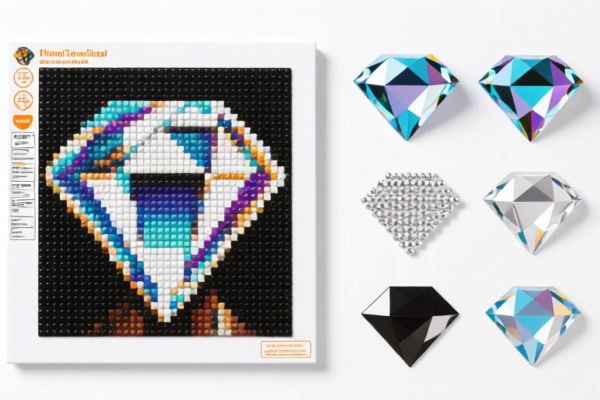
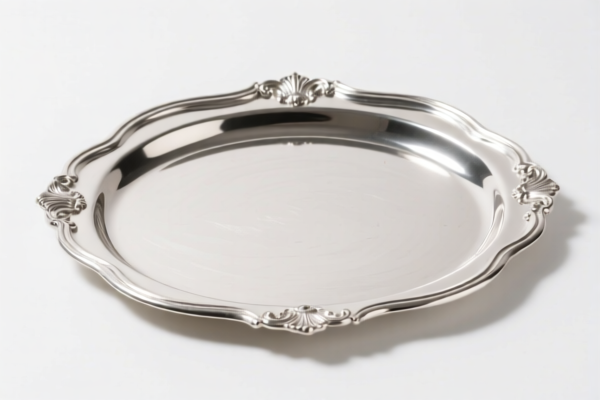
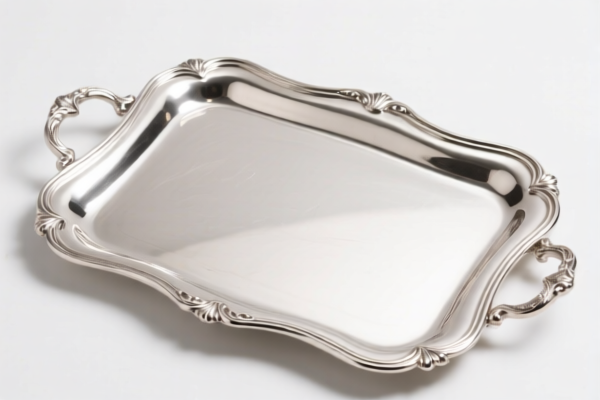
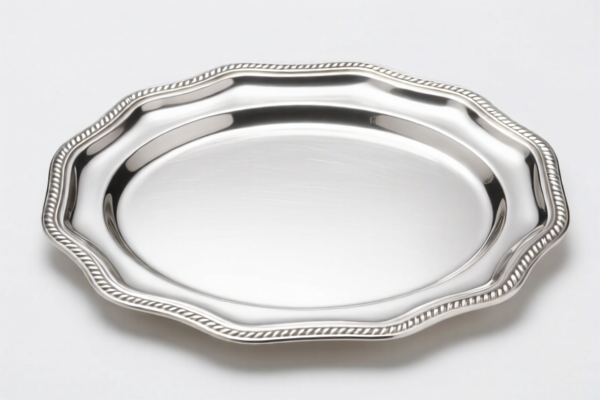
AI Analysis
💎 Diamond Painting Tray: Complete HS Code Classification & US Import Tax Guide (2026)
🌐 HS Code Reference & Clearing Guide | 2026 Latest Tariff Analysis | Professional Customs Strategy
📌 Part 1: Product Definition & Classification — Do You Really Understand "Diamond Painting Trays"?
Diamond Painting Trays are specialized tools used in the "Diamond Painting" craft hobby. They are shallow, disposable or reusable plastic (or foam) molds designed to hold thousands of tiny resin "diamonds" in place, often featuring a waxy or adhesive surface to prevent the gems from rolling.
In international trade, these items are primarily classified under two distinct categories depending on the primary material:
- Plastic Trays/Articles: The vast majority of trays are made of plastic (ABS, PVC, etc.). These are treated as "Articles of Plastics."
- Wooden/Bamboo Trays: Less common, but if the tray frame is wood or bamboo, they fall under "Articles of Wood/Bamboo."
⚠️ Key Distinction:
- If made of Plastic → Classify under Chapter 39 (Plastics). - If made of Wood/Bamboo → Classify under Chapter 44 (Wood). - If the tray is purely a toy accessory without standalone utility, it might fall under Chapter 95 (Toys), but most "trays" are considered tools/accessories for the craft.
📦 Part 2: HS Code Classification Details (2026 Official Tariff对照)
Based on the specific product description and the provided data, here are the accurate classifications for Diamond Painting Trays:
A. Plastic Trays (Most Common)
| HS Code | Product Description | Material | Tax Rate |
|---|---|---|---|
3926.90.99.89 |
Other articles of plastics... Other: Other Other | Plastic (e.g., PE, PP, ABS) | 12.8% |
3926.10.00.00 |
Office or school supplies | Plastic (Specific "Office" type) | 0.0% |
🔍 Expert Analysis:
- Most diamond painting trays are generic plastic containers. They usually fall under3926.90.99.89("Other Other") because they are not standard "office or school supplies" in the strict legal sense (like rulers or staplers). - Tax: 12.8% (Base 5.3% + Additional 7.5%).
B. Wooden/Bamboo Trays (Less Common)
| HS Code | Product Description | Material | Tax Rate |
|---|---|---|---|
4421.99.98.80 |
Other articles of wood: Other: Other: Other: Other | Wood (Generic) | 28.3% |
4421.91.98.80 |
Other articles of wood: Of bamboo: Other: Other | Bamboo | 28.3% |
🔍 Expert Analysis:
- If the tray is made of wood or bamboo, the tariffs are significantly higher due to additional "Additional Tariffs" (Section 301). - Tax: 28.3% (Base 3.3% + Additional 25.0%).
C. Toy Accessories (Rare for Trays Alone)
| HS Code | Product Description | Category | Tax Rate |
|---|---|---|---|
9503.00.00.73 / 9503.00.00.71 |
Dolls' carriages; dolls, other toys; puzzles; parts... (Children's products) | Toy Parts (if sold as part of a kit) | 0.0% |
⚠️ Critical Note:
If the tray is sold as a standalone tool (e.g., "Diamond Painting Supply"), it is NOT a toy and should NOT use HS Code9503. Only if the tray is an integral part of a children's toy set (e.g., a "Kids Craft Kit") might it qualify for the 0% tax bracket under9503.00.00.71/73.
💰 Part 3: 2026 US Tariff Rate Breakdown (China Origin)
✅ Destination: United States (US)
✅ Origin: China (CN)
✅ Applicable Tariff Types: Base Duty + Section 301 Additional Tariff
🎯 Scenario 1: Plastic Tray (3926.90.99.89)
| Item | Details |
|---|---|
| Base Tariff | 5.3% |
| Additional Tariff (301) | 7.5% |
| Total Tax Rate | 12.8% |
| Example Calculation | For a $1,000 shipment → $128 tax. |
| Legal Basis | USITC Subheading 3926.90.99.89 + Section 301 List 3/4 (if applicable) |
📌 Why 12.8%?
- The "Base" is 5.3% for generic plastic articles.
- The "Additional 7.5%" is the specific Section 301 tariff for this HS code category.
🎯 Scenario 2: Wooden/Bamboo Tray (4421.99.98.80 / 4421.91.98.80)
| Item | Details |
|---|---|
| Base Tariff | 3.3% |
| Additional Tariff (301) | 25.0% |
| Total Tax Rate | 28.3% |
| Example Calculation | For a $1,000 shipment → $283 tax. |
| Legal Basis | Chapter 44, Subheading 4421 + Section 301 List 1 (High tariff on wood/bamboo) |
🎯 Scenario 3: Toy Kit Component (9503.00.00.71/73)
| Item | Details |
|---|---|
| Base Tariff | 0.0% |
| Additional Tariff | 0.0% |
| Total Tax Rate | 0.0% |
| Example Calculation | For a $1,000 shipment → $0 tax. |
| Condition | Must be declared as part of a "Children's Product" (Under 12 years, labeled for ages 3-12 or under 3). |
🛠️ Part 4: Customs Clearing Strategy (Practical Tips)
✅ 1. Material Declaration is Key
- Plastic: Clearly state "Plastic Diamond Painting Tray" on the commercial invoice. Ensure the description matches
3926.90.99.89. - Wood/Bamboo: If the tray is wooden, explicitly state "Wooden/Bamboo Diamond Painting Tray" to avoid penalties for misclassification.
- Toy Kit: If selling a Kit (Tray + Diamonds + Glue + Screen), you can attempt to declare the whole kit under
9503.00.00.73(Toys for ages 3-12) to achieve 0% tax.- Strategy: Do not sell the tray separately as a "tool." Sell it as a "Kids Diamond Painting Craft Kit."
✅ 2. Avoiding Misclassification Pitfalls
| Situation | Wrong Approach | Correct Approach |
|---|---|---|
| Selling Trays Separately | Declaring as "Toys" (9503) |
Declare as Plastic Articles (3926) or Wood (4421). |
| Wooden Trays | Declaring as "Plastic" (3926) |
Must declare as Wood/Bamboo (4421). Penalties apply for false material claims. |
| Mixed Kits | Splitting Kit into Tray (Tool) + Gems (Toy) | Declare as Single Unit Toy Kit (9503) to maximize tax benefit. |
✅ 3. Required Documentation
- Commercial Invoice: Must list HS Codes clearly (
3926.90.99.89or9503.00.00.73). - Product Photos: Show the material clearly (plastic texture vs. wood grain).
- Age Labeling: If claiming
9503(0% tax), the packaging must be labeled "For use by persons 3-12 years" or "Under 3 years" to satisfy the "Children's Product" definition.
🌍 Part 5: Global Market Comparison (2026)
| Country | Recommended HS Code | Tax Rate (China Origin) | Notes |
|---|---|---|---|
| 🇺🇸 USA | 3926.90.99.89 (Plastic) |
12.8% | High tax on wood/bamboo (28.3%). |
| 🇺🇸 USA (Kit) | 9503.00.00.73 (Toy) |
0.0% | Only if sold as a "Craft Kit" for kids. |
| 🇪🇺 EU | 3926.90.99.91 |
~2% - 6% | VAT (19-25%) + Customs Duty. |
| 🇨🇦 Canada | 3926.90.99.00 |
0% (CPTPA) | Zero duty for many plastics. |
📌 Conclusion:
In the US market, the material determines the tax. Plastic is moderate (12.8%), Wood is expensive (28.3%), and Toy Kits are tax-free (0%).
📌 Part 6: Common Mistakes & How to Avoid Them
❌ Mistake 1: Declaring a standalone plastic tray as a Toy (9503).
👉 Consequence: Customs rejects the claim (tray is a tool, not a toy), demands back taxes at 12.8% + Penalties.
❌ Mistake 2: Declaring a wooden tray as Plastic (3926) to save money.
👉 Consequence: Severe fraud penalty. Wood tax is 28.3%, Plastic is 12.8%. If caught, you pay the higher rate + fines.
❌ Mistake 3: Not labeling age groups for Toy Kits. 👉 Consequence: Even if sold as a kit, without an "Age Label" (e.g., "Ages 6-10"), it cannot qualify for the 0% "Children's Product" rate.
✅ Pro Tip:
If you sell Diamond Painting Kits, label them clearly: "Kids Diamond Painting Craft Kit (Ages 3-12)". Use HS Code 9503.00.00.73. This saves you 12.8% - 28.3% in taxes compared to declaring the tray as a tool!
🎯 Final Verdict: Strategic Tax Optimization
🚀 Recommendation:
1. For Trays Sold Separately: Use3926.90.99.89(Plastic) or4421...(Wood). Expect 12.8% or 28.3% tax. 2. For Kits Sold Together: Bundle the tray with gems/glue and label as a Children's Craft Kit. Use9503.00.00.73to achieve 0% tax. 3. Avoid: Mislabeling materials or claiming "Toy" status for standalone tools.
✨ Professional Customs Clearance starts with precise HS Codes!
💼 Every percentage point of tax matters. Optimize your strategy now!
📞 Action Item:
Contact your freight forwarder today to confirm:
"Is my product a standalone tray or a toy kit? How do we label it for maximum tax efficiency?"
Customer Reviews
About HS Code Classification
The Harmonized System (HS) is an internationally standardized nomenclature developed by the World Customs Organization (WCO) to classify traded products. Over 200 countries use the HS system as the basis for customs tariffs, trade statistics, and import/export regulations.
Each HS code follows a hierarchical structure:
- Chapter (2 digits) — Broad category of goods (e.g., Chapter 84: Machinery and Mechanical Appliances)
- Heading (4 digits) — More specific grouping within the chapter
- Subheading (6 digits) — Internationally standardized breakdown, used by all WCO member countries
- National subdivisions (8-10 digits) — Country-specific extensions for further classification, such as US HTSUS 10-digit codes
Correct HS code classification is essential for smooth customs clearance, accurate duty payment, and compliance with trade regulations. Misclassification can lead to customs delays, overpayment of duties, or penalties.
When importing from CN to US, the applicable tariff rates may include:
- Most-Favored-Nation (MFN) rate — The standard duty rate applied to WTO members
- General rate — Applied to countries without trade agreements
- Trade remedy duties — Additional tariffs such as Section 301 (anti-dumping), Section 232 (national security), or countervailing duties
The information provided on this page is for reference purposes only. For official classification, please consult with your local customs authority or a licensed customs broker.