Dried Potato Granules
CN → USProduct Images
AI Analysis
🥔 Dried Potato Granules (Freeze-Dried/Dehydrated Potato Particles)
🌐 HS Code Reference & Customs Clearance Guide | 2026 Latest Tariff Analysis | Professional Export Strategy 📌 I. Product Definition & Classification: What Are "Dried Potato Granules"?
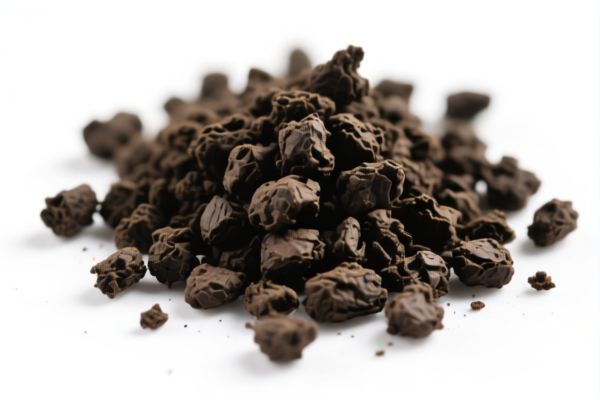
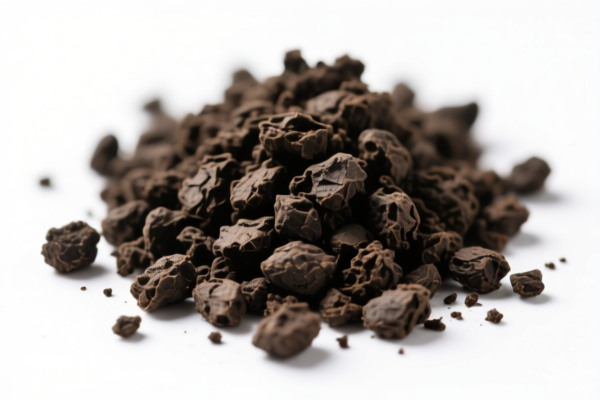
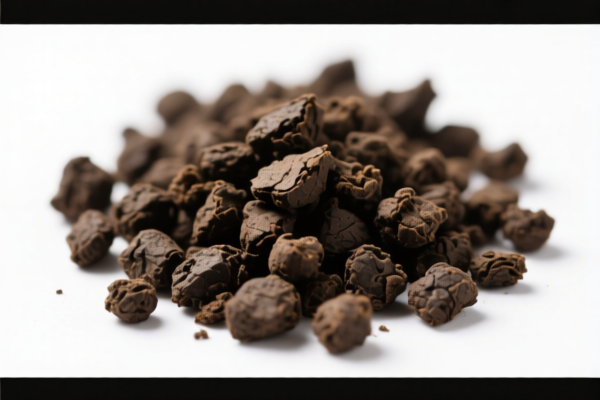
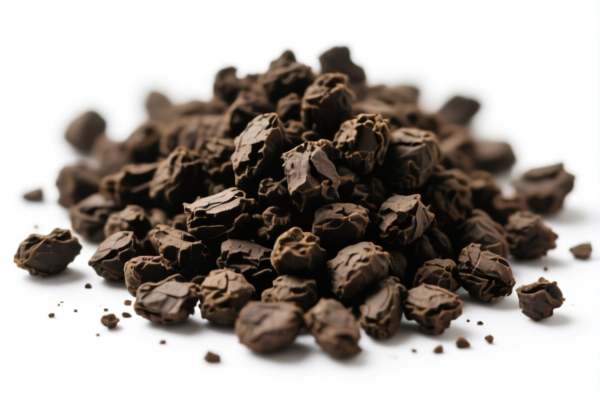
Dried Potato Granules refer to potato pieces that have been processed (cooked, dried, and granulated/crumbled) to remove moisture for preservation. They are primarily used as ingredients in instant soups, dehydrated meal kits, snack foods, and animal feed.
In international trade, classification depends heavily on the processing method and state:
1. Dehydrated Potato Granules (Cooked + Dried): - Potatoes are cooked, sliced/cut, dried, and granulated. - Key Characteristic: The starch is gelatinized. They rehydrate quickly. - Common Use: Instant mashed potatoes, soup mixes.
2. Freeze-Dried Potato Granules: - Potatoes are frozen and dried under vacuum. - Key Characteristic: Retains shape, color, and nutrients better. High cost. - Common Use: Premium snacks, high-end instant meals.
3. Raw Dried Potato Slices/Cubes (Less Common as "Granules"): - If not cooked, they might be classified differently, but "granules" usually imply a processed ingredient.
⚠️ Critical Distinction: - Cooked + Dried → Usually Chapter 20 (Vegetables prepared/preserved). - Raw + Dried → Usually Chapter 7 or 20 depending on moisture content and specific form. - Flour/Starch → Chapter 11 (1105). Granules are NOT flour.
📦 II. HS Code Classification Details (2026 Authoritative Comparison)
| HS Code | Product Description | Applicable Scenario | Processed Status |
|---|---|---|---|
2001.90.60 |
Vegetables prepared or preserved otherwise than by vinegar or acetic acid; other vegetables | Most Common: Dried, dehydrated, or freeze-dried potato granules/chips | ✅ Cooked + Dried |
2005.99.80 |
Other vegetables prepared or preserved (not frozen) | Less common for granules; usually for canned/frozen. Avoid unless specific. | N/A |
1105.20.00 |
Flour, meal, powder of potatoes | Incorrect for Granules: Only for fine powder (<0.8mm). Granules are larger. | ❌ Fine Powder Only |
2001.90.99 |
Other vegetables, prepared/preserved (not vinegar/acetic) | Catch-all for less specific dried veggies. Use 2001.90.60 if potatoes are identifiable. | ✅ Mixed/Unidentified |
1901.90.99 |
Food preparations not elsewhere specified | Risk: If classified as a "food prep" rather than ingredient. | ✅ Final Product |
🔍 Key Warning: - Do NOT use
1105.20unless it is truly a fine powder. Customs will reject "granules" under flour codes. - Most Likely HS Code:2001.90.60(for dehydrated potato granules) or2001.90.99if not specifically listed as potato granules in your local tariff. - For US Imports: Check 2001.90.6000 specifically.
💰 III. 2026 Latest Tariff Rate Breakdown (With Surtaxes & Policy Add-ons)
✅ Applicable Country: United States (US)
✅ Origin: China (CN)
✅ Effective Date: Post-2025 (Including subsequent imports)
🎯 1. 2001.90.60.00 —— Dehydrated Potato Granules (Cooked)
| Item | Content |
|---|---|
| Base Tariff Rate | 4.0% (ad valorem) |
| USITC Surtax (301) | +25% (List 3/4 Exclusions may apply) |
| IEEPA Surtax | +10% (On China/HK products, from Nov 10, 2025) |
| Total Tariff Rate | 39.0% |
| Tax Calculation | CIF Value × 39.0% |
| De Minimis Eligibility | ❌ No (deny_de_minimis for agricultural products from China) |
| Legal Path | IEEPA:9903.01.25 → USITC:2001.90.60.00 → FOOTNOTE:9903.88.01 |
📌 Explanation: - Base 4%: Standard MFN rate for prepared vegetables. - 301 Surtax 25%: Applies to most agricultural processed goods unless specifically excluded. - IEEPA 10%: Additional tariff on Chinese origin goods. - Total 39%: High tariff barrier. Must factor into cost model.
🎯 2. 1105.20.00.00 —— Potato Flour (If Misclassified)
| Item | Content |
|---|---|
| Base Tariff Rate | 3.0% |
| USITC Surtax (301) | +25% |
| IEEPA Surtax | +10% |
| Total Tariff Rate | 38.0% |
| Tax Calculation | CIF Value × 38.0% |
| De Minimis Eligibility | ❌ No |
📌 Note: If customs reclassifies your "granules" as "flour," the rate is similar (38%), but you risk penalties for misdeclaration.
🛠️ IV. Customs Clearance Practical Advice (Real-World Pitfall Guide)
✅ 1. Required Documentation Checklist (Non-Negotiable)
| Document | Must Provide | Description |
|---|---|---|
| ✅ Product Specification Sheet | ✔️ | Include particle size (mm), moisture content (<10%), cooking status. |
| ✅ Processing Flowchart | ✔️ | Show steps: Washing → Cooking → Drying → Granulation. Proves "Prepared" status. |
| ✅ Photos of Product | ✔️ | Clear shots of granules, showing size vs. flour. |
| ✅ FSC/ISO Certificates | ✔️ | Food safety certifications (FDA, EU, HACCP). |
| ✅ Commercial Invoice | ✔️ | Clearly state "Dehydrated Potato Granules, Cooked." |
| ✅ Certificate of Origin (CO) | ✔️ | For preferential rates if not from China. |
| ✅ MSDS (if applicable) | ✔️ | Not usually needed for food, but check carrier requirements. |
✅ 2. Declaration Tips (Key Mnemonic)
🔥 "Cooked is Key, Size Matters, Flour is Wrong!"
| Scenario | Correct Declaration | Wrong Practice |
|---|---|---|
| Cooked + Dried Granules | 2001.90.60 (Dehydrated Potato) |
Declare as "Raw Potatoes" → 0% but rejected for bio-risk |
| Very Fine Powder (<0.8mm) | 1105.20 (Potato Flour) |
Declare as "Granules" → Misclassification penalty |
| Mix with Seasonings | 1901.99 or 2005.99 |
Declare as "Potato Granules" → May trigger reclassification |
| Animal Feed Grade | 2306.90 or 2005.99 |
Declare as "Human Food" → Quarantine risk |
✅ 3. Special Cases Handling
| Case | Handling Advice |
|---|---|
| OEM/White Label | Provide brand authorization letters. Avoid "generic" labeling if possible. |
| High Moisture (>10%) | Risk of microbial growth. Customs may require phytosanitary certificate. |
| Additives (Salt, Spice) | If >5% seasoning, may classify as "Ready-to-Eat" snack → Different HS Code. |
| Freeze-Dried vs. Dehydrated | Both fall under 2001 or 2005. Specify in specs to avoid confusion. |
🌍 V. Global Market Comparison (2026 Latest)
| Country/Region | Recommended HS Code | Tariff | Certification | Notes |
|---|---|---|---|---|
| 🇺🇸 USA | 2001.90.60 |
39% (China) | FDA + FSMA | High tariff. De Minimis blocked. |
| 🇨🇳 China | 2001.90.60 |
10% | CCC (if applicable) | No surtax. Standard import. |
| 🇪🇺 EU | 2001.90.60 |
8.8% (MFN) | HACCP + EFSA | No surtax. Strict labeling. |
| 🇦🇺 Australia | 2001.90.60 |
5% | Biosecurity Import Permit | Quota may apply. |
| 🇯🇵 Japan | 2001.90.60 |
6.1% | Food Sanitation Law | Strict residue testing. |
📌 Conclusion: - USA is the most expensive market due to 301/IEEPA surcharges. - EU and Japan have moderate tariffs but strict food safety standards. - Consider sourcing from non-China origins (e.g., Peru, Ukraine, Canada) to avoid surtaxes if exporting to the US.
📌 VI. Common Errors & Pitfalls (Lessons Learned)
❌ Error 1: Declaring "Dried Potato Granules" as "Raw Potatoes" (0701)
👉 Consequence: Denied entry due to phytosanitary restrictions. Potatoes require strict pest controls.
❌ Error 2: Using 1105.20 (Flour) for granules >1mm
👉 Consequence: Customs reclassifies and imposes penalties. Granules are not flour.
❌ Error 3: Ignoring "Cooked" status 👉 Consequence: If not cooked, it may be considered a biological hazard. Always specify "Cooked & Dried."
❌ Error 4: Under-declaring Value 👉 Consequence: Seizure + 30% penalty. 39% tariff is high; customs will audit.
✅ Correct Declaration Example:
"Dehydrated Potato Granules, Cooked, Particle Size 2-4mm, Moisture <8%, for Use in Instant Soup Mixes. HS Code: 2001.90.60. Origin: China."
🎯 VII. Conclusion: Professional Declaration, Risk-Free Export!
🎯 Remember the Mantra:
🔹 "Cooked + Dried = Chapter 20"
🔹 "Granules ≠ Flour"
🔹 "USA Tariff = 39%, Think Twice!"
🔹 "De Minimis = No for Food from China"
📌 Pro Tip: If your potato granules are sourced from Peru, Canada, or Ukraine, you may qualify for lower tariffs or exemptions from US surtaxes. Consider supply chain diversification for US-bound shipments.
📣 Take Action:
📞 Consult a licensed customs broker + Provide particle size specs + Request Advance Ruling if uncertain
🚀 Ensure compliant labeling, accurate HS Codes, and full documentation for smooth customs clearance!
✨ Precision in Classification Saves You Thousands!
💼 Every gram counts in the world of agricultural trade!
Customer Reviews
About HS Code Classification
The Harmonized System (HS) is an internationally standardized nomenclature developed by the World Customs Organization (WCO) to classify traded products. Over 200 countries use the HS system as the basis for customs tariffs, trade statistics, and import/export regulations.
Each HS code follows a hierarchical structure:
- Chapter (2 digits) — Broad category of goods (e.g., Chapter 84: Machinery and Mechanical Appliances)
- Heading (4 digits) — More specific grouping within the chapter
- Subheading (6 digits) — Internationally standardized breakdown, used by all WCO member countries
- National subdivisions (8-10 digits) — Country-specific extensions for further classification, such as US HTSUS 10-digit codes
Correct HS code classification is essential for smooth customs clearance, accurate duty payment, and compliance with trade regulations. Misclassification can lead to customs delays, overpayment of duties, or penalties.
When importing from CN to US, the applicable tariff rates may include:
- Most-Favored-Nation (MFN) rate — The standard duty rate applied to WTO members
- General rate — Applied to countries without trade agreements
- Trade remedy duties — Additional tariffs such as Section 301 (anti-dumping), Section 232 (national security), or countervailing duties
The information provided on this page is for reference purposes only. For official classification, please consult with your local customs authority or a licensed customs broker.