Dyed Fox Fur (Unassembled)
CN → US| HS Code | Tariff Rate | Origin | Destination | Doc |
|---|---|---|---|---|
| 4302194530 | 37.2% | CN | US | Official Doc |
| 4302191500 | 40.6% | CN | US | Official Doc |
| 4302193030 | 36.5% | CN | US | Official Doc |
| 4301603000 | 22.6% | CN | US | Official Doc |
| 4301606000 | 17.5% | CN | US | Official Doc |
Product Images
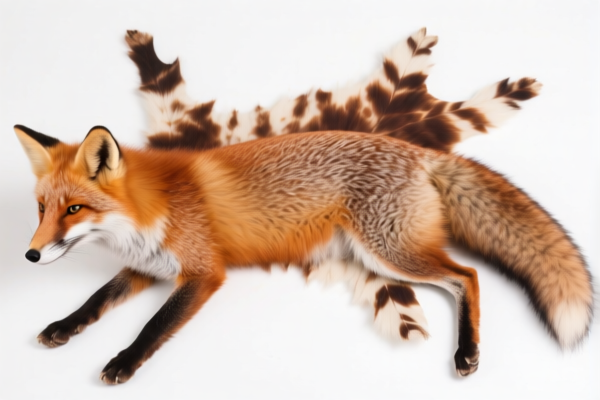
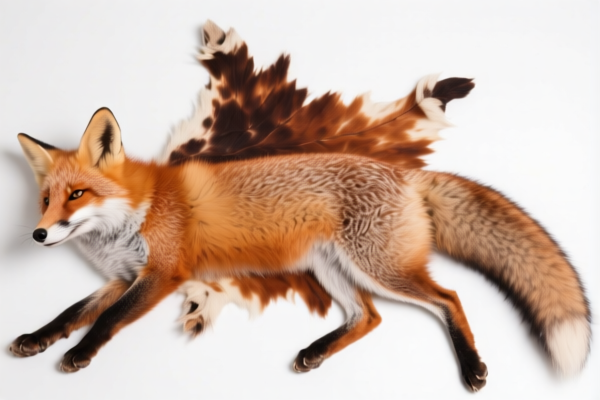
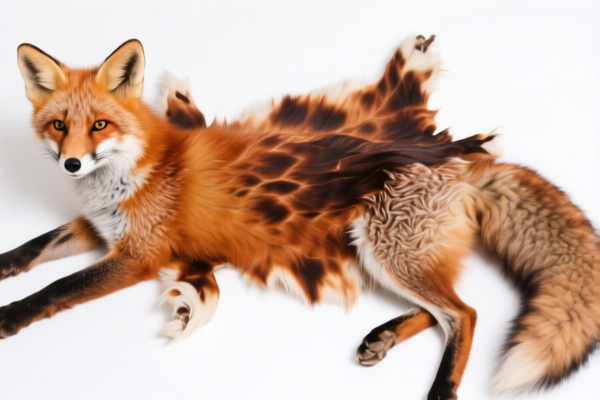
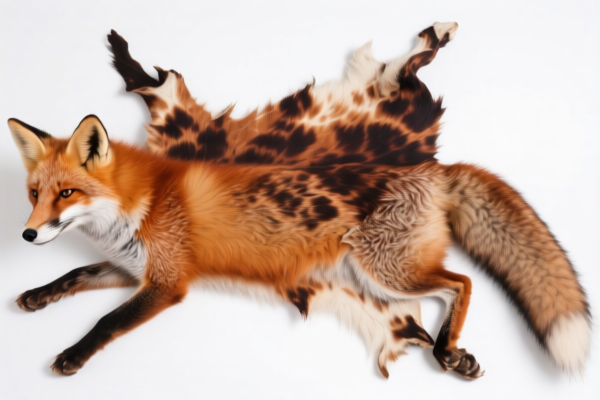
AI Analysis
🦊 Dyed Fox Fur (Unassembled) – HS Code Classification & Customs Clearance Guide (2026 Update)
🌐 HS Code Reference & Customs Clearance Guide | Latest Tariff Analysis for 2026 | Professional Strategy
📌 1. Product Definition & Classification: Do You Know "Fox Fur"?
Dyed Fox Fur refers to the pelts of foxes that have undergone dyeing processes but remain unassembled (not made into coats, collars, or other finished articles). In international trade, the classification depends heavily on whether the fur is raw/undyed or processed/dyed, as well as the specific species (e.g., Silver Fox vs. standard Fox) and the level of preparation.
⚠️ Key Distinction: - Raw/Unassembled Fur (Chapter 43, Heading 43.01): Typically refers to raw hides, skin, and fur, not further prepared than tanning or pickling, or simply dyed but not assembled. - Prepared/Assembled Fur (Chapter 43, Heading 43.02): Refers to fur skins that have been fully prepared (tanned, dyed, etc.) but are still unassembled, or assembled into specific forms.
Critical Note: The provided data indicates different tax rates for similar descriptions, implying distinctions between raw/undyed vs. dyed/prepared or specific sub-categories like Silver Fox vs. Standard Fox.
📦 2. HS Code Classification Details (Based on Provided Data)
The following table summarizes the HS codes and tax rates from the provided data. Note that the data contains entries for both "Un-dyed" (未染色) and implies processed/fur types under "Fox Fur" (狐狸毛皮) and "Silver Fox Fur" (银狐皮).
| HS Code | Product Description (as per Data) | Total Tax Rate | Tax Breakdown | Notes |
|---|---|---|---|---|
4301.60.30.00 |
Un-dyed Fox Fur, Unassembled (未染色狐狸毛皮未组装) | 22.6% | Base: 5.1% Additional: 7.5% Section 122: 10% |
Applies to raw/undyed fox fur. |
4301.60.60.00 |
Un-dyed Fox Fur, Unassembled (未染色狐狸毛皮未组装) | 17.5% | Base: 0.0% Additional: 7.5% Section 122: 10% |
Lower base tariff possible for certain origins or sub-types. |
4302.19.15.00 |
Silver Fox Fur, Unassembled (银狐皮未组装) | 40.6% | Base: 5.6% Additional: 25.0% Section 122: 10% |
Silver Fox falls under Heading 43.02 (Prepared Fur). Higher tax due to "Additional Tariff 25%". |
4302.19.30.30 |
Fox Fur, Unassembled (狐狸毛皮未组装) | 36.5% | Base: 1.5% Additional: 25.0% Section 122: 10% |
General Fox Fur (likely dyed/prepared) under Heading 43.02. |
4301.60.30.00 |
Platinum Fox Fur, Unassembled (铂金狐皮未组装) | 22.6% | Base: 5.1% Additional: 7.5% Section 122: 10% |
Listed under Heading 43.01 (Raw/Unassembled), same rate as un-dyed fox fur. |
🔍 Important Observation: - Heading 43.01 (
4301.xx.xx.xx) is used for Un-dyed/Raw fox fur and Platinum Fox Fur (in this dataset). - Heading 43.02 (4302.xx.xx.xx) is used for Silver Fox and general Fox Fur (likely implying prepared/dyed status in this context), which attracts a 25% Additional Tariff. - Section 122 Tariff (10%) applies to all entries in the provided data.
💰 3. Detailed Tax Rate Analysis (2026 Update)
✅ Applicable Country: United States (US)
✅ Origin: China (CN)
✅ Effective Date: November 10, 2025 (including subsequent imports)
🎯 1. 4301.60.30.00 & 4301.60.60.00 — Un-dyed Fox Fur (Raw/Unassembled)
| Item | Content |
|---|---|
| Base Tariff | 5.1% (for 4301.60.30.00) or 0.0% (for 4301.60.60.00) |
| Section 301 Additional Tariff | +7.5% |
| Section 122 Tariff | +10% |
| Total Effective Rate | 22.6% (for .30) or 17.5% (for .60) |
| Tax Calculation | CIF Value × Total Rate |
| De Minimis Exemption | ❌ Not Eligible (Section 122 applies to de minimis shipments) |
| Legal Basis | Section 122 (Public Law 116-170) + USITC Harmonized Tariff Schedule |
📌 Explanation: - These codes apply to un-dyed fox pelts. The presence of a 7.5% additional tariff suggests these are subject to specific trade measures. - Section 122 Tariff (10%) is a significant addition, applying to all goods valued at $800 or less (de minimis) as well as larger shipments.
🎯 2. 4302.19.15.00 — Silver Fox Fur (Prepared/Unassembled)
| Item | Content |
|---|---|
| Base Tariff | 5.6% |
| Section 301 Additional Tariff | +25.0% |
| Section 122 Tariff | +10% |
| Total Effective Rate | 40.6% |
| Tax Calculation | CIF Value × 40.6% |
| De Minimis Exemption | ❌ Not Eligible |
| Legal Basis | USITC 4302.19.15.00 + Section 301 + Section 122 |
📌 Explanation: - Silver Fox is classified under Heading 43.02, which covers "Fur skins and pieces thereof, assembled...". This heading attracts a 25% Section 301 Additional Tariff. - This is a high-risk category due to the 25% surcharge. Ensure proper documentation to prove it is indeed "Silver Fox" and not a cheaper substitute.
🎯 3. 4302.19.30.30 — Fox Fur (Unassembled, Likely Dyed/Prepared)
| Item | Content |
|---|---|
| Base Tariff | 1.5% |
| Section 301 Additional Tariff | +25.0% |
| Section 122 Tariff | +10% |
| Total Effective Rate | 36.5% |
| Tax Calculation | CIF Value × 36.5% |
| De Minimis Exemption | ❌ Not Eligible |
| Legal Basis | USITC 4302.19.30.30 + Section 301 + Section 122 |
📌 Explanation: - This code is for Fox Fur (general) under Heading 43.02. Like Silver Fox, it incurs the 25% Section 301 Additional Tariff. - If your fur is dyed, it is more likely to fall under 43.02 (prepared) rather than 43.01 (raw). Misclassification can lead to severe penalties.
🛠️ 4. Customs Clearance Practical Advice
✅ 1. Required Documentation Checklist
| Document | Required | Description |
|---|---|---|
| ✅ Commercial Invoice | ✔️ | Must clearly state "Fox Fur, Unassembled", species (e.g., Silver Fox), and whether it is dyed or un-dyed. |
| ✅ Packing List | ✔️ | Detail the number of pelts, weight, and dimensions. |
| ✅ Certificate of Origin | ✔️ | Essential for determining base tariff rates. |
| ✅ Fur Product Labeling | ✔️ | Comply with the Fur Products Labeling Act (US). Must include fiber content, country of origin, and manufacturer ID. |
| ✅ CITES Permit (if applicable) | ✔️ | If the fox is listed under CITES Appendix I or II, an export permit from the country of origin and an import permit from the US are required. |
| ✅ Proof of Treatment | ✔️ | Documents showing tanning/dyeing process to justify HS Code under 43.02 vs. 43.01. |
✅ 2. Classification Strategy & Pitfalls
🔥 "Correct HS Code Saves Thousands: Raw vs. Prepared, Species Matters!"
| Scenario | Correct HS Code | Risk if Misclassified |
|---|---|---|
| Un-dyed, Raw Fox Pelts | 4301.60.30.00 or 4301.60.60.00 |
If declared as 43.02, you may face overpayment or audits. If declared as 43.01 when dyed, you risk penalties for undervaluation. |
| Dyed/Prepared Fox Pelts | 4302.19.30.30 |
Declaring as 43.01 avoids the 25% tariff, but this is fraudulent if the fur is dyed. Customs may inspect and charge back taxes + penalties. |
| Silver Fox Pelts | 4302.19.15.00 |
Must provide proof of species (e.g., breeder certificate). Misclassification as generic Fox Fur may lead to disputes. |
| Platinum Fox Pelts | 4301.60.30.00 |
Listed under 43.01 in the data. Ensure consistency with supplier declarations. |
⚠️ Warning:
- Section 122 Tariff (10%) applies to all de minimis shipments (under $800). There is no exemption for small parcels. - Section 301 Tariffs (7.5% or 25%) apply to Chinese-origin goods. Ensure your origin is correctly declared.
✅ 3. Special Considerations
| Situation | Recommendation |
|---|---|
| Dyed vs. Un-dyed | Provide photos and product descriptions clearly stating dye status. Dyed fur is generally classified under 43.02. |
| Species Identification | Use scientific names and breeder certificates to distinguish between Silver Fox, Platinum Fox, and standard Fox. |
| CITES Compliance | Check if the fox species is listed under CITES. If so, obtain CITES permits before shipment. |
| Fur Labeling Act | Ensure all products meet US Fur Products Labeling Act requirements. Non-compliance can lead to seizure. |
🌍 5. Global Market Comparison (2026)
| Country/Region | Recommended HS Code | Estimated Tariff | Notes |
|---|---|---|---|
| 🇺🇸 United States | 4301.60.30.00 / 4302.19.30.30 |
22.6% - 40.6% | High tariffs due to Section 301 and Section 122. |
| 🇨🇳 China | 4301.60.30.00 / 4302.19.30.30 |
Low/0% | Check local import duties. Generally lower than US. |
| 🇪🇺 European Union | 4301.60 / 4302.19 |
0% - 5% | Often lower tariffs for fur products. |
| 🇬🇧 United Kingdom | 4301.60 / 4302.19 |
0% - 5% | Post-Brexit tariffs may vary. |
| 🇨🇦 Canada | 4301.60 / 4302.19 |
0% | Check CUSMA eligibility. |
📌 Conclusion: - The US market has the highest tariffs for Chinese-origin fur products due to Section 301 and Section 122. - Dyed/Prepared fur (Heading 43.02) is taxed more heavily than Raw/Un-dyed fur (Heading 43.01) due to the 25% Section 301 tariff. - Silver Fox attracts the highest rate (40.6%) due to its classification under 43.02.
📌 6. Common Errors & Pitfalls (Lessons Learned)
❌ Error 1: Declaring dyed fur as raw fur (43.01 instead of 43.02) to avoid the 25% tariff.
👉 Consequence: Customs inspection may reveal dye marks, leading to back taxes, penalties, and possible seizure.
❌ Error 2: Ignoring Section 122 Tariff (10%) for de minimis shipments.
👉 Consequence: Unexpected costs for small parcels, leading to customer dissatisfaction.
❌ Error 3: Failing to provide CITES permits for regulated species.
👉 Consequence: Seizure and destruction of goods, plus heavy fines.
❌ Error 4: Mislabeling Silver Fox as generic Fox Fur.
👉 Consequence: Discrepancies in value and classification, leading to customs delays.
✅ Correct Approach:
- Clearly declare whether the fur is dyed or un-dyed.
- Specify the species (Silver Fox, Platinum Fox, etc.).
- Include all required permits (CITES, Fur Labeling).
- Calculate total landed cost including Section 122 and Section 301 tariffs.
🎯 7. Conclusion: Professional Classification, Cost Optimization
🎯 Remember:
🔹 "Raw vs. Prepared: 43.01 vs. 43.02 – The difference is 25% in tariffs!"
🔹 "Section 122 Hits Hard: 10% on de minimis – Plan accordingly!"
🔹 "Species Matter: Silver Fox is 40.6%, Platinum Fox is 22.6% – Know your product!"
📌 Pro Tip:
If your fur products are originating from Vietnam, Mexico, or Thailand, you may be eligible for Section 301 exemptions or lower tariffs. Consult with a customs broker to explore preferential trade agreements.
📣 Take Action Now:
📞 Contact a licensed customs broker + Provide product photos + Apply for HS Code pre-ruling
🚀 Ensure your fur products clear customs smoothly, minimize costs, and maximize profits!
✨ Professional classification starts with precision!
💼 Every percentage point counts – optimize your classification today!
Customer Reviews
About HS Code Classification
The Harmonized System (HS) is an internationally standardized nomenclature developed by the World Customs Organization (WCO) to classify traded products. Over 200 countries use the HS system as the basis for customs tariffs, trade statistics, and import/export regulations.
Each HS code follows a hierarchical structure:
- Chapter (2 digits) — Broad category of goods (e.g., Chapter 84: Machinery and Mechanical Appliances)
- Heading (4 digits) — More specific grouping within the chapter
- Subheading (6 digits) — Internationally standardized breakdown, used by all WCO member countries
- National subdivisions (8-10 digits) — Country-specific extensions for further classification, such as US HTSUS 10-digit codes
Correct HS code classification is essential for smooth customs clearance, accurate duty payment, and compliance with trade regulations. Misclassification can lead to customs delays, overpayment of duties, or penalties.
When importing from CN to US, the applicable tariff rates may include:
- Most-Favored-Nation (MFN) rate — The standard duty rate applied to WTO members
- General rate — Applied to countries without trade agreements
- Trade remedy duties — Additional tariffs such as Section 301 (anti-dumping), Section 232 (national security), or countervailing duties
The information provided on this page is for reference purposes only. For official classification, please consult with your local customs authority or a licensed customs broker.