Dyed Whole Fur (Unassembled)
CN → US| HS Code | Tariff Rate | Origin | Destination | Doc |
|---|---|---|---|---|
| 4302197500 | 36.7% | CN | US | Official Doc |
| 4302194570 | 37.2% | CN | US | Official Doc |
| 4303900000 | 35.0% | CN | US | Official Doc |
| 4303100030 | 39.0% | CN | US | Official Doc |
| 4301900000 | 10.0% | CN | US | Official Doc |
Product Images
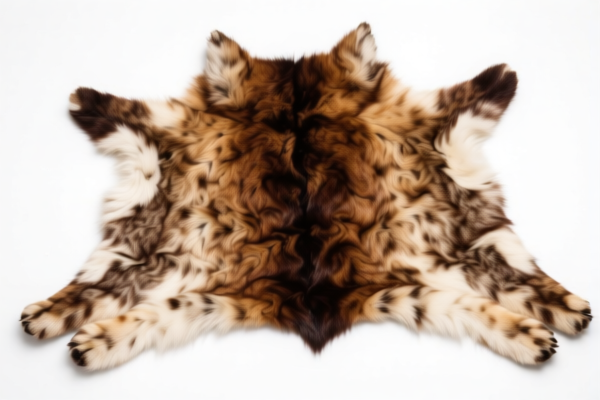
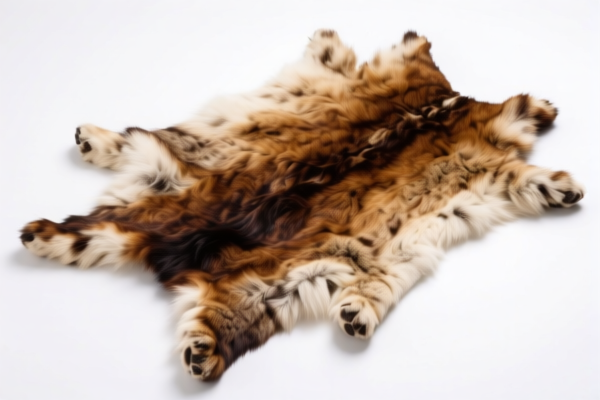
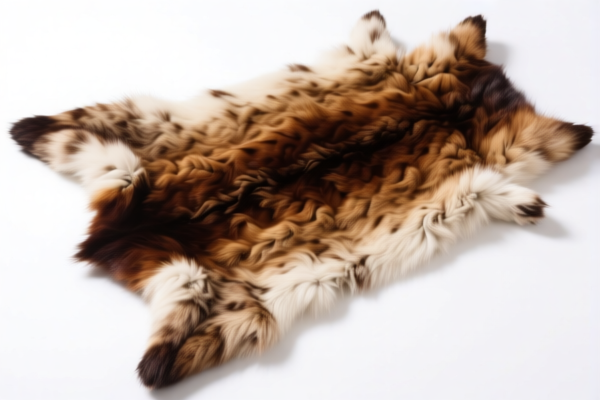
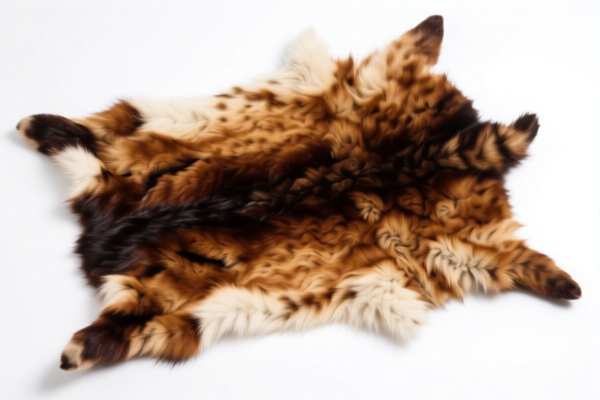
AI Analysis
🐾 Dyed Whole Fur (Unassembled) | HS Code Classification & US Customs Clearance Guide
🌐 HS Code Reference & Customs Strategy | 2026 Latest Tariff Analysis
📌 Product: Dyed Whole Fur (Unassembled)
🇺🇸 Destination: United States
🇨🇳 Origin: China
⚠️ Critical Warning: "Dyed Whole Fur" is a high-risk category for US Customs (CBP) due to stringent scrutiny on animal products and the complex intersection of Base Tariffs, Section 301 Duties, and Section 122 Tariffs (IEEPA). Misclassification can lead to severe penalties, seizure, or retroactive tax bills.
📦 I. HS Code Classification Matrix
Based on the product state (Dyed, Whole/Full Piece, Unassembled), there are four potential classification paths depending on the exact material composition and processing level.
| HS Code | Product Description & Logic | Total Tax Rate | Tax Breakdown |
|---|---|---|---|
| 4302.19.75.00 | Dyed Whole Fur (High-Grade) Moves with dyed whole fur. Material and processing fully conform to this category. |
36.7% | Base: 1.7% Sec 301: 25.0% Sec 122: 10% |
| 4302.19.45.70 | Dyed Whole Fur (General) Moves with dyed whole fur. Material and form description fully match, no conflict. |
37.2% | Base: 2.2% Sec 301: 25.0% Sec 122: 10% |
| 4303.90.00.00 | Fur Pieces/Slices (Processed) Considered fur product processing形态 (state). Fits "Other" category features. |
35.0% | Base: 0.0% Sec 301: 25.0% Sec 122: 10% |
| 4303.10.00.30 | Raw/Unfinished Fur Slices Treated as raw material or semi-finished fur product. No conflict with finished goods category. |
39.0% | Base: 4.0% Sec 301: 25.0% Sec 122: 10% |
| 4301.90.00.00 | Undyed Fur Skins/Shreds Only applicable if the fur is NOT DYED (primary form). Note: Your product is "Dyed", so this may be incorrect. |
10.0% | Base: 0.0% Sec 301: 0.0% Sec 122: 10% |
🔍 Key Distinction:
- If the fur is DYED and WHOLE (not chopped into small scraps), it likely falls under 4302.19 (Class I or II).
- If the "whole fur" is actually sliced or processed into pieces/slices for further manufacturing, it may fall under 4303.
- 4301.90 is likely INVALID for dyed fur unless the dyeing is considered a primary preservation step not altering the "raw" status significantly (rare and risky).
💰 II. Detailed Tariff Structure & Legal Basis
🎯 1. The "Triple Tax" Challenge
For most dyed whole fur classifications (4302.xx), you face a cumulative tax burden:
| Tax Component | Rate | Legal Authority | Notes |
|---|---|---|---|
| Base Tariff | 1.7% - 2.2% | HTSUS 4302 | Standard duty for fur skins. |
| Section 301 Tariff | 25.0% | USITC Footnote 9903.88.01 | Applied to all Chinese-origin fur products. |
| Section 122 Tariff | 10.0% | IEEPA (Executive Order) | Applied to Chinese textile/fur goods. Effective from Nov 2025. |
| TOTAL | 36.7% - 37.2% | High Cost Impact |
🎯 2. Why is 4301.90.00.00 only 10%?
- Base: 0%
- Sec 301: 0% (Exempted for raw hides/skins in certain primary states)
- Sec 122: 10%
- Total: 10.0%
⚠️ Risk Alert: Using 4301.90.00.00 for DYED fur is a common customs error. CBP may reclassify it as 4302.xx, leading to back taxes + penalties. Only use 4301 if the fur is undyed/raw.
🛠️ III. Customs Clearance Strategy & Best Practices
✅ 1. Documentation Checklist (Mandatory)
| Document | Purpose | Key Details to Include |
|---|---|---|
| Commercial Invoice | Declare Value & HS Code | Clearly state: "Dyed Whole Fur Skins, Unassembled, HS Code: 4302.19.75.00" |
| Packing List | Verify Quantity & Weight | Include gross/net weight, number of skins, and species (if known). |
| Product Description | Avoid Ambiguity | Use precise terms: "Dyed mink skins, whole, unsewn" instead of generic "Fur parts". |
| Species Declaration | CITES & Wildlife Compliance | Specify animal species (e.g., Mink, Fox, Rabbit). Required for CITES permit check. |
| Processing Certificate | Prove "Dyed" Status | Certificate of analysis or manufacturing process showing dyeing was done in China. |
✅ 2. Critical Clearance Tips
🔥 Tip 1: Define "Whole" vs. "Slices"
- Whole (4302.19): Large, intact skins. Lower base tax (1.7-2.2%), but subject to all surcharges.
- Slices/Pieces (4303.90): Cut into smaller forms. Base tax is 0%, but still hit by 25% (Sec 301) + 10% (Sec 122) = 35%.
- Strategy: If your product is truly "whole," use 4302.19. If it’s cut, use 4303.90. Do not mislabel slices as whole.
🔥 Tip 2: Avoid the "Undyed" Trap
- Do NOT use 4301.90.00.00 (10% total) for dyed fur.
- CBP agents check dye consistency. If dyed, they will enforce 4302.xx (36.7-37.2%).
- Consequence of Error: Penalty of 40% of value + back taxes.
🔥 Tip 3: CITES Compliance
- Fur from certain species (e.g., specific fox, mink, or wild species) may require CITES Permits.
- Ensure your supplier provides valid CITES documentation if the species is listed.
- Rabbit fur is generally exempt, but Mink/Fox may need verification.
🔥 Tip 4: Section 122 Tariff Nuance
- The 10% IEEPA tariff is new (Nov 2025). Ensure your broker applies it correctly to 4302 and 4303 codes.
- Some brokers may still apply old rates if not updated. Verify the 10% is included in the duty calculation.
🌍 IV. Global Market Comparison (2026)
| Country/Region | Recommended HS Code | Total Tariff (China Origin) | Notes |
|---|---|---|---|
| 🇺🇸 USA | 4302.19.75.00 / 4302.19.45.70 |
36.7% - 37.2% | High due to Sec 301 + Sec 122. |
| 🇪🇺 EU | 4302.19 |
Varies (0-12%) | No Sec 301. May have environmental duties. |
| 🇨🇳 China (Import) | 4302.19 |
1.7% - 2.2% | Low entry duty. |
| 🇬🇧 UK | 4302.19 |
1.7% - 2.2% | Post-Brexit, similar to EU. |
📌 Conclusion:
- USA is the most expensive market for dyed whole fur due to dual surcharges.
- Consider supply chain diversification (e.g., Turkey, Italy) if targeting the US market to avoid 35%+ additional duties.
📌 V. Common Mistakes & Pitfalls
❌ Mistake 1: Using 4301.90.00.00 for dyed fur.
👉 Result: CBP reclassification → Back taxes + 40% penalty.
❌ Mistake 2: Declaring "Fur Pieces" when they are "Whole Skins."
👉 Result: Higher duty rate (35% vs 36.7% is negligible, but wrong description triggers audit).
❌ Mistake 3: Ignoring CITES.
👉 Result: Seizure of goods, fines, and potential criminal charges for endangered species.
❌ Mistake 4: Forgetting Section 122 Tariff.
👉 Result: Underpayment by 10% → Audit and interest.
🎯 VI. Final Recommendation
✅ Best Practice Workflow:
- Confirm Species: Is it CITES-listed? Get permit.
- Confirm State: Is it truly "Whole" or "Sliced"?
- If Whole & Dyed → Use 4302.19.75.00 (36.7%).
- If Sliced & Dyed → Use 4303.90.00.00 (35.0%).
- Calculate Cost: Include 36.7% duty + 10% IEEPA in landed cost.
- Document: Provide clear photos, species, and dyeing certificate.
📞 Action Item:
Consult a licensed customs broker to file a Pre-Ruling if the fur form is ambiguous. This avoids post-clearance disputes.
✨ Professional Clearance, Start with Precision!
💼 Every percent of duty counts in the fur industry.
Customer Reviews
About HS Code Classification
The Harmonized System (HS) is an internationally standardized nomenclature developed by the World Customs Organization (WCO) to classify traded products. Over 200 countries use the HS system as the basis for customs tariffs, trade statistics, and import/export regulations.
Each HS code follows a hierarchical structure:
- Chapter (2 digits) — Broad category of goods (e.g., Chapter 84: Machinery and Mechanical Appliances)
- Heading (4 digits) — More specific grouping within the chapter
- Subheading (6 digits) — Internationally standardized breakdown, used by all WCO member countries
- National subdivisions (8-10 digits) — Country-specific extensions for further classification, such as US HTSUS 10-digit codes
Correct HS code classification is essential for smooth customs clearance, accurate duty payment, and compliance with trade regulations. Misclassification can lead to customs delays, overpayment of duties, or penalties.
When importing from CN to US, the applicable tariff rates may include:
- Most-Favored-Nation (MFN) rate — The standard duty rate applied to WTO members
- General rate — Applied to countries without trade agreements
- Trade remedy duties — Additional tariffs such as Section 301 (anti-dumping), Section 232 (national security), or countervailing duties
The information provided on this page is for reference purposes only. For official classification, please consult with your local customs authority or a licensed customs broker.