E bike Battery
CN → US| HS Code | Tariff Rate | Origin | Destination | Doc |
|---|---|---|---|---|
| 8714998000 | 27.5% | CN | US | Official Doc |
| 8507600010 | 20.9% | CN | US | Official Doc |
| 8507204000 | 38.5% | CN | US | Official Doc |
| 8714998000 | 27.5% | CN | US | Official Doc |
| 8507600010 | 20.9% | CN | US | Official Doc |
Product Images
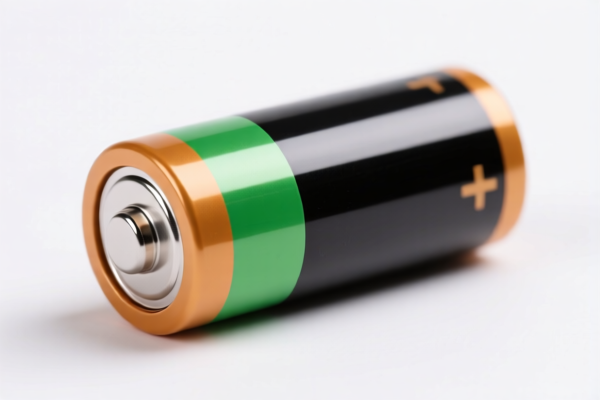
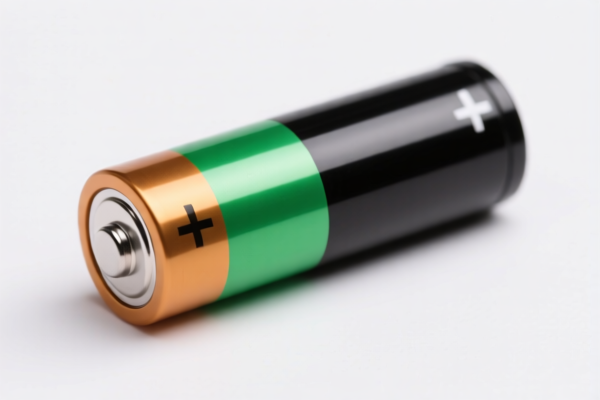

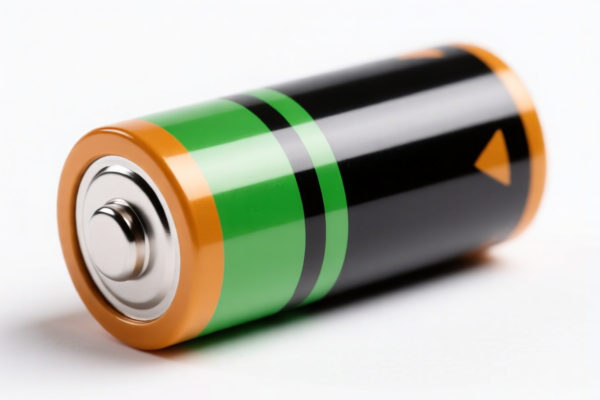
AI Analysis
🔋 E-Bike Battery (Electric Vehicle Batteries)
🌐 HS Code Reference & Customs Clearance Guide | 2026 Latest Tariff Analysis | Strategic Compliance Strategy
📌 I. Product Definition & Classification: Do You Really Understand "E-Bike Batteries"?
Electric bicycle batteries are the core power source for electric two-wheelers. In international trade, they are primarily categorized by their chemical composition (Lithium-ion vs. Lead-acid) and their function as a principal power source for vehicles.
Lithium-ion Batteries: Lightweight, high energy density, increasingly standard in modern e-bikes.
Lead-acid Batteries: Heavier, lower cost, traditional power source for many e-bikes.
⚠️ Key Distinction Point:
- If classified as Principal Power Source for Vehicles, Lithium batteries typically fall under 8507.60.00.10.
- If classified as Principal Power Source for Vehicles, Lead-acid batteries typically fall under 8507.20.40.00.
- If classified as Parts/Accessories (generic or material-conflicted), they may fall under 8714.99.80.00.
📦 II. HS Code Classification Details (2026 Latest Tariff Authority Comparison)
| HS Code | Product Description | Application Scenario | Material/Type |
|---|---|---|---|
8507.60.00.10 |
Electric Vehicle Battery, Lithium-ion, matched as the principal power source for electric vehicles | Modern e-bikes, high-performance scooters | ✅ Lithium-ion |
8507.20.40.00 |
Electric Vehicle Battery, Lead-acid, matched as the principal power source for electric vehicles | Traditional e-bikes, utility scooters | ✅ Lead-acid |
8714.99.80.00 |
Parts and Accessories of Vehicles (General Catch-all) | E-bike batteries where material classification is ambiguous or treated as generic vehicle parts | ✅ Li/Pb/Acid |
🔍 Key Reminder:
- Lithium-ion batteries designed as the main power source should ideally be classified under 8507.60.00.10 to potentially access lower base duties, but are subject to specific trade restrictions.
- Lead-acid batteries as main power sources fall under 8507.20.40.00, but carry higher "Section 301" surcharges.
- 8714.99.80.00 is often used as a fallback for "parts" but carries a higher base duty (10%) compared to battery-specific codes (3.4-3.5%).
💰 III. 2026 Latest Tariff Rate Breakdown (Including Surcharge & Policy Add-ons)
✅ Applicable Country: United States (US)
✅ Origin: China (CN)
✅ Effective Time: Current as of 2026
🎯 1. 8507.60.00.10 —— Lithium-ion Battery (Principal Power Source)
| Item | Content |
|---|---|
| Base Duty Rate | 3.4% |
| Section 301 Surcharge | +7.5% |
| Section 122 Tariff | +10% |
| Total Duty Rate | 20.9% |
| Tax Calculation | CIF Value × 20.9% |
| De Minimis Eligibility | ❌ Not Eligible (Subject to strict scrutiny) |
| Legal Basis Path | Section 301: 75% → Section 122: 10% → HTSUS: 8507.60.00.10 |
📌 Explanation:
- "Section 301 Surcharge 7.5%": Part of the broader US trade restrictions on Chinese goods.
- "Section 122 Tariff 10%": Imposed under the International Emergency Economic Powers Act (IEEPA) for specific items.
- Total 20.9% is the most favorable rate among the options, but applies only to Lithium-ion batteries designated as the principal power source.
🎯 2. 8507.20.40.00 —— Lead-acid Battery (Principal Power Source)
| Item | Content |
|---|---|
| Base Duty Rate | 3.5% |
| Section 301 Surcharge | +25.0% |
| Section 122 Tariff | +10% |
| Total Duty Rate | 38.5% |
| Tax Calculation | CIF Value × 38.5% |
| De Minimis Eligibility | ❌ Not Eligible |
| Legal Basis Path | Section 301: 25% → Section 122: 10% → HTSUS: 8507.20.40.00 |
📌 Note:
- Despite a similar base duty (3.5%), the Section 301 surcharge is 25%, leading to a significantly higher total rate.
- Lead-acid batteries face heavier punitive tariffs compared to their Lithium counterparts in this specific classification.
🎯 3. 8714.99.80.00 —— Parts and Accessories of Vehicles (Catch-all)
| Item | Content |
|---|---|
| Base Duty Rate | 10.0% |
| Section 301 Surcharge | +7.5% |
| Section 122 Tariff | +10% |
| Total Duty Rate | 27.5% |
| Tax Calculation | CIF Value × 27.5% |
| De Minimis Eligibility | ❌ Not Eligible |
| Legal Basis Path | Section 301: 75% → Section 122: 10% → HTSUS: 8714.99.80.00 |
📌 Note:
- This code applies if the battery is classified as a "part" rather than a "battery for vehicles," or if material specifications do not fit 8507.
- The base duty is 10%, which is higher than the battery-specific codes (3.4-3.5%), making the total rate higher than Lithium-ion but lower than Lead-acid in this specific scenario.
🛠️ IV. Customs Clearance Practical Advice (Real-World Pitfall Avoidance Guide)
✅ 1. Required Documentation Checklist (No Exceptions)
| Document | Must Provide | Explanation |
|---|---|---|
| ✅ Product Specification Sheet | ✔️ | Must explicitly state: "Lithium-ion" or "Lead-acid," Voltage, Capacity (Ah/Wh). |
| ✅ Material Composition Report | ✔️ | Proves the chemical nature (Li vs. Pb) to justify HS Code 8507 vs. 8714. |
| ✅ Battery Safety Certificate | ✔️ | UN38.3 Test Summary is mandatory for Lithium-ion batteries. |
| ✅ Commercial Invoice | ✔️ | Must describe the item as "E-Bike Battery, Lithium-ion, for Vehicle Power," not just "Battery." |
| ✅ Declaration of Principal Power Source | ✔️ | Explicitly state if it is the "principal power source" to qualify for 8507 codes. |
| ✅ Packing List | ✔️ | Include packaging details to show proper handling for hazardous materials (if applicable). |
✅ 2. Declaration Tips (Key Mantra)
🔥 "Match Material, Match Function, Avoid 'Parts' Trap!"
| Situation | Correct Declaration | Wrong Practice |
|---|---|---|
| Lithium-ion, Main Power Source | 8507.60.00.10 (20.9%) |
Misdeclaring as "Parts" (8714) → 27.5% (Higher!) |
| Lead-acid, Main Power Source | 8507.20.40.00 (38.5%) |
Misdeclaring as "Parts" → 27.5% (Lower, but risky if audited) |
| Ambiguous/Accessory Battery | 8714.99.80.00 (27.5%) |
Misdeclaring as "Battery" → Risk of penalty for wrong material |
✅ 3. Special Case Handling
| Situation | Handling Advice |
|---|---|
| Lithium vs. Lead-Acid | Ensure the invoice and spec sheet clearly distinguish between Li-ion and Lead-acid. Misclassification leads to large duty differences (20.9% vs 38.5%). |
| "Parts" Classification Risk | If the battery is not the main power source (e.g., auxiliary), it may correctly fall under 8714. However, for most e-bikes, the battery is the main power source, so 8507 is preferred. |
| Safety Certification | Without UN38.3 (for Li-ion), customs may detain the shipment. Ensure certification is on file. |
🌍 V. Global Main Market Clearance Comparison (2026 Latest)
| Country/Region | Recommended HS Code | Duty Rate (CN Origin) | Certification Requirements | Remarks |
|---|---|---|---|---|
| 🇺🇸 USA | 8507.60.00.10 |
20.9% | UN38.3 + MSDS | Highest duty for Lead-acid (38.5%). Lithium is more competitive. |
| 🇨🇳 China | 8507.60.00.00 |
~10-15% | CCC | No Section 301/122 surcharges. |
| 🇪🇺 EU | 8507.60.00 |
0% (if under quota) | CE + UN38.3 | Low duty, but strict environmental regulations. |
| 🇬🇧 UK | 8507.60.00 |
0% | UKCA | Post-Brexit standards apply. |
📌 Conclusion:
- USA is the most complex market due to high surcharges (Section 301 & 122).
- Lithium-ion batteries (8507.60) are significantly more tax-efficient than Lead-acid (8507.20) in the US.
- Misclassifying as "Parts" (8714) is risky and often more expensive than the correct Lithium classification.
📌 VI. Common Errors & Pitfall Guide (Blood-and-Tears Lessons)
❌ Error 1: Declaring Lithium-ion batteries as "Parts and Accessories" (8714)
👉 Consequence: Higher duty (27.5% vs 20.9%). While lower than Lead-acid, it misses the optimized rate for Lithium.
❌ Error 2: Declaring Lead-acid batteries as Lithium to get 20.9%
👉 Consequence: Severe penalty, seizure, and blacklisting. Material mismatch is easily detected.
❌ Error 3: Ignoring Section 122 Tariff (10%)
👉 Consequence: Underpayment of duties. This 10% applies to all codes in the data.
❌ Error 4: Not specifying "Principal Power Source"
👉 Consequence: Customs may default to 8714.99.80.00 (27.5%) if intent is unclear.
✅ Correct Approach:
"Electric Vehicle Battery, Lithium-Ion, 48V 10Ah, UN38.3 Certified, For Use as Principal Power Source in E-Bikes"
🎯 VII. Conclusion: Precise Classification Saves Money!
🎯 Remember the Mantra:
🔹 "Li-ion: 20.9%, Lead-acid: 38.5%, Parts: 27.5%."
🔹 "Material defines Code, Function defines Duty."
🔹 "Section 301 & 122 are non-negotiable!"
📌 Pro Tip:
- For Lithium-ion batteries, always use 8507.60.00.10 to maximize tax efficiency (20.9%).
- For Lead-acid batteries, the duty is high (38.5%). Consider if 8714.99.80.00 (27.5%) is legally justifiable as a "part" if it’s an auxiliary battery, but consult a customs broker.
- Always include UN38.3 certificates for Lithium batteries to avoid detention.
📣 Immediate Action:
📞 Contact a licensed customs broker to verify material composition.
🚀 Ensure your invoice clearly states Lithium or Lead-acid and Principal Power Source status.
💼 Your bottom line depends on a 17.6% duty difference (38.5% - 20.9%)!
✨ Professional Customs Clearance Starts with Accurate Classification!
💼 Every percentage point counts in global trade!
Customer Reviews
About HS Code Classification
The Harmonized System (HS) is an internationally standardized nomenclature developed by the World Customs Organization (WCO) to classify traded products. Over 200 countries use the HS system as the basis for customs tariffs, trade statistics, and import/export regulations.
Each HS code follows a hierarchical structure:
- Chapter (2 digits) — Broad category of goods (e.g., Chapter 84: Machinery and Mechanical Appliances)
- Heading (4 digits) — More specific grouping within the chapter
- Subheading (6 digits) — Internationally standardized breakdown, used by all WCO member countries
- National subdivisions (8-10 digits) — Country-specific extensions for further classification, such as US HTSUS 10-digit codes
Correct HS code classification is essential for smooth customs clearance, accurate duty payment, and compliance with trade regulations. Misclassification can lead to customs delays, overpayment of duties, or penalties.
When importing from CN to US, the applicable tariff rates may include:
- Most-Favored-Nation (MFN) rate — The standard duty rate applied to WTO members
- General rate — Applied to countries without trade agreements
- Trade remedy duties — Additional tariffs such as Section 301 (anti-dumping), Section 232 (national security), or countervailing duties
The information provided on this page is for reference purposes only. For official classification, please consult with your local customs authority or a licensed customs broker.