Electric Motor (HS Code 8501104020)
CN → US| HS Code | Tariff Rate | Origin | Destination | Doc |
|---|---|---|---|---|
| 8501106040 | 37.8% | CN | US | Official Doc |
| 8501516020 | 37.5% | CN | US | Official Doc |
| 8501104020 | 39.4% | CN | US | Official Doc |
| 8501106040 | 37.8% | CN | US | Official Doc |
| 8501104020 | 39.4% | CN | US | Official Doc |
Product Images
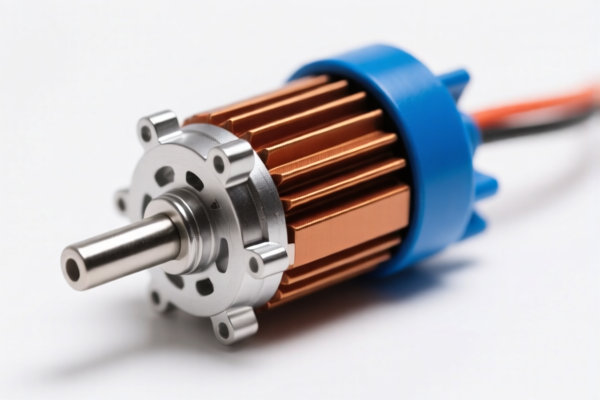
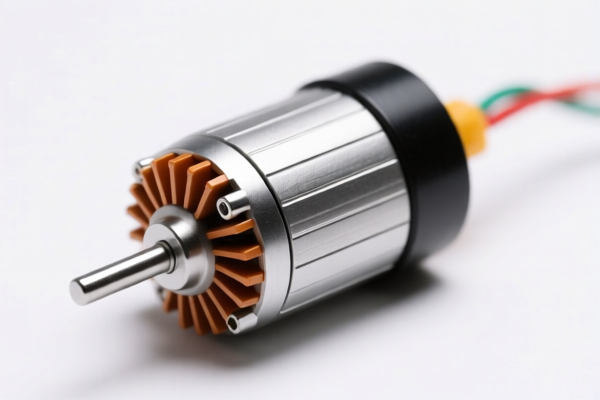

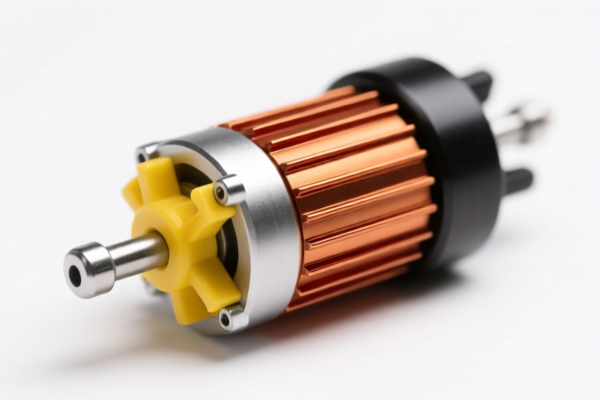
AI Analysis
⚡ Electric Motors (Specifically AC Micro Motors & Brushless DC Motors)
🌐 HS Code Reference & Customs Clearance Guide | 2026 Latest Tariff Analysis | Strategic Classification for US Imports
📌 1. Product Definition: Decoding "Electric Motors" in International Trade
Electric motors are the workhorses of modern industry, converting electrical energy into mechanical energy. However, in customs classification, "Electric Motor" is not a single category. The HS Code system divides them based on current type (AC/DC), power output, and specific structure.
Based on the provided data for HS Code 8501.10.40.20 and related codes, we must distinguish between: * AC Micro Motors (8501.10.40.20): Typically low-power alternating current motors, often used in appliances, small machinery, or precision instruments. * Brushless DC Motors (8501.10.60.40): High-efficiency direct current motors without commutators, widely used in drones, EVs, and modern electronics. * AC Gear Motors (8501.51.60.20): AC motors integrated with gear reducers, used for high-torque, low-speed applications.
⚠️ Critical Classification Point:
- If the motor is AC and fits the "micro" definition under Heading 8501.10 → 8501.10.40.20
- If the motor is DC Brushless with specific power ranges (18.65W-37.5W) → 8501.10.60.40
- Misclassification can lead to significant tariff discrepancies due to the high surtaxes on Chinese-origin goods.
📦 2. HS Code Classification Details (2026 Latest Tariff Data)
| HS Code | Product Description | Power/Type Specifications | Primary Application |
|---|---|---|---|
8501.10.40.20 |
AC Micro Motor | Alternating Current, Micro class | Small appliances, HVAC, precision devices |
8501.10.60.40 |
Brushless DC Motor | DC, Brushless, 18.65W–37.5W range | Drones, smart home devices, electric tools |
8501.51.60.20 |
AC Gear Motor | AC, with Gearbox | Conveyor belts, automatic doors, industrial automation |
🔍 Key Distinction:
- 8501.10.40.20 is strictly for AC micro motors. If your motor is DC, this code is incorrect.
- 8501.10.60.40 applies specifically to Brushless DC motors within a narrow power window (18.65W-37.5W). Other DC motors may fall under different subheadings.
- 8501.51.60.20 includes a gear mechanism. If it’s just a motor without gears, do not use this code.
💰 3. 2026 Latest Tariff Rate Breakdown (Including Surtaxes)
✅ Applicable Country: United States (US)
✅ Origin: China (CN)
✅ Effective Date: Current ongoing trade policies (Section 301, 122 Clause)
All listed HS codes attract a high combined tariff due to US-China trade tensions. The total tax rate ranges from 37.5% to 39.4%.
🎯 1. 8501.10.40.20 —— AC Micro Motor
| Item | Details |
|---|---|
| Base Duty Rate | 4.4% |
| Section 301 Surcharge | +25.0% (Additional Tariff on Chinese Goods) |
| Section 122 Surcharge | +10.0% (Specific import restriction surcharge) |
| Total Tax Rate | 39.4% |
| Tax Calculation | CIF Value × 39.4% |
| De Minimis Exemption? | ❌ NO (Section 321 exemption does not apply to Section 301/122 goods) |
| Legal Reference | HTSUS:8501.10.40.20 → USITC Footnote 9903.88.01 → IEEPA:9903.01.25 |
📌 Explanation:
- The 4.4% is the standard Most-Favored-Nation (MFN) rate for AC micro motors.
- The +25% is the Section 301 tariff, targeting industrial components.
- The +10% is the Section 122 tariff, often applied to specific strategic imports.
- Total: 39.4% is a heavy burden. Ensure your cost model accounts for this.
🎯 2. 8501.10.60.40 —— Brushless DC Motor (18.65W-37.5W)
| Item | Details |
|---|---|
| Base Duty Rate | 2.8% |
| Section 301 Surcharge | +25.0% |
| Section 122 Surcharge | +10.0% |
| Total Tax Rate | 37.8% |
| Tax Calculation | CIF Value × 37.8% |
| De Minimis Exemption? | ❌ NO |
| Legal Reference | HTSUS:8501.10.60.40 → USITC Footnote 9903.88.01 |
📌 Note:
- Slightly lower base duty (2.8%) than AC micro motors, but the total impact (37.8%) is still significant.
- Verify the power output strictly. If it exceeds 37.5W or is below 18.65W, the code may change, potentially altering the duty.
🎯 3. 8501.51.60.20 —— AC Gear Motor
| Item | Details |
|---|---|
| Base Duty Rate | 2.5% |
| Section 301 Surcharge | +25.0% |
| Section 122 Surcharge | +10.0% |
| Total Tax Rate | 37.5% |
| Tax Calculation | CIF Value × 37.5% |
| De Minimis Exemption? | ❌ NO |
| Legal Reference | HTSUS:8501.51.60.20 → USITC Footnote 9903.88.01 |
📌 Note:
- Lowest total tax among the three (37.5%), but only applicable if the motor includes a gearbox.
- A standalone AC motor cannot be declared under this code.
🛠️ 4. Customs Clearance Practical Advice (Pitfall Avoidance Guide)
✅ 1. Required Documentation Checklist
| Document | Must Provide? | Purpose |
|---|---|---|
| ✅ Product Specification Sheet | ✔️ | Must clearly state: Voltage (AC/DC), Power (Watts), Type (Brushless/Gear), Speed (RPM) |
| ✅ Circuit/Structure Diagram | ✔️ | To prove if it’s a Brushless motor or if it includes a Gearbox |
| ✅ Commercial Invoice | ✔️ | Must explicitly state: "AC Micro Motor, 220V, 50Hz, HS 8501.10.40.20" or similar |
| ✅ Packing List | ✔️ | List each motor’s power rating. Do not group different types in one line item |
| ✅ Certificate of Origin | ✔️ | Essential for confirming Chinese origin (triggers surtaxes) |
✅ 2. Declaration Tips (Key Mantra)
🔥 "AC vs DC, Brushless vs Gear, Power Range is Key!"
| Scenario | Correct HS Code | Wrong Code (Risk) |
|---|---|---|
| AC Motor, Micro, No Gear | 8501.10.40.20 |
Don’t use 8501.10.60.40 (DC) → Misdeclaration |
| DC Brushless, 25W | 8501.10.60.40 |
Don’t use 8501.10.40.20 (AC) → 39.4% vs 37.8% + Penalty |
| AC Motor with Gearbox | 8501.51.60.20 |
Don’t use 8501.10.xxxx (Plain Motor) → Lower Base Duty |
| DC Brushless > 37.5W | Different Code | Don’t use 8501.10.60.40 → Customs Rejection |
📌 Critical Warning:
- Do NOT group all "motors" under one generic code.
- Do NOT omit power wattage on the invoice. Customs will reclassify if specs are missing, leading to higher duties.
✅ 3. Special Handling
| Situation | Advice |
|---|---|
| OEM/Private Label | Provide manufacturer’s datasheet. Customs checks technical specs, not just brand. |
| Motors for Drones/EVs | Ensure they are declared as Brushless DC if applicable. Misclassifying as AC can cause delays. |
| Sample Shipment | Even for samples, Section 301/122 tariffs apply. No de minimis exemption for Chinese motors. |
🌍 5. Global Market Comparison (2026 Context)
| Region | HS Code Focus | Approx. Tariff (China Origin) | Notes |
|---|---|---|---|
| 🇺🇸 USA | 8501.10.40.20, .60.40, .51.60.20 |
37.5% – 39.4% | High surtaxes. Requires precise spec declaration. |
| 🇪🇺 EU | Similar HS Codes | Varies (0-4%) | No Section 301/122 equivalents. Lower cost if sourced from non-China. |
| 🇨🇳 China (Import) | 8501 |
2.5% – 4.4% | Low base duty. No major surtaxes. |
📌 Conclusion for US Importers:
- The 10-15% difference between the codes (37.5% vs 39.4%) matters for bulk shipments.
- Verify the motor type (AC/DC, Brushless/Brushed, Gear/No Gear) meticulously.
- Budget for ~38% tax in your landed cost calculation.
📌 6. Common Mistakes & Pitfalls (Lessons Learned)
❌ Mistake 1: Declaring a DC Brushless Motor as an AC Micro Motor (8501.10.40.20).
👉 Result: Customs may accept it but later audit and demand back taxes + penalties. Or, reject the shipment for misclassification.
❌ Mistake 2: Omitting Power Output (Watts).
👉 Result: If the motor is 40W but declared as 37.5W to fit 8501.10.60.40, it’s fraud. Customs use random inspections and power meters.
❌ Mistake 3: Assuming De Minimis ($800) applies.
👉 Result: False. Section 301 and 122 goods are excluded from de minimis. Every package from China paying for motor import must pay the full tariff.
🎯 7. Final Advice: Professional Declaration for Cost Efficiency
🎯 Remember:
🔹 "AC is 4.4%, DC is 2.8%, Gear is 2.5%. Base rate matters!"
🔹 "All pay +25% (301) and +10% (122). Total is 37-39%!"
🔹 "Wrong code = Delayed shipment + Back taxes + Penalties!"
📌 Pro Tip:
If you are importing large volumes, consider Advance Rulings from US Customs and Border Protection (CBP) to confirm the HS Code and duty liability before shipment. This provides legal certainty and avoids unexpected costs.
📣 Immediate Action:
📞 Consult a Licensed Customs Broker
📄 Prepare Detailed Tech Specs (Voltage, Power, Type)
🚀 Plan for ~38% Tariff in Your Financial Model
✨ Accurate Classification Saves Money!
💼 Your Profit Margin Depends on Correct HS Codes!
Customer Reviews
About HS Code Classification
The Harmonized System (HS) is an internationally standardized nomenclature developed by the World Customs Organization (WCO) to classify traded products. Over 200 countries use the HS system as the basis for customs tariffs, trade statistics, and import/export regulations.
Each HS code follows a hierarchical structure:
- Chapter (2 digits) — Broad category of goods (e.g., Chapter 84: Machinery and Mechanical Appliances)
- Heading (4 digits) — More specific grouping within the chapter
- Subheading (6 digits) — Internationally standardized breakdown, used by all WCO member countries
- National subdivisions (8-10 digits) — Country-specific extensions for further classification, such as US HTSUS 10-digit codes
Correct HS code classification is essential for smooth customs clearance, accurate duty payment, and compliance with trade regulations. Misclassification can lead to customs delays, overpayment of duties, or penalties.
When importing from CN to US, the applicable tariff rates may include:
- Most-Favored-Nation (MFN) rate — The standard duty rate applied to WTO members
- General rate — Applied to countries without trade agreements
- Trade remedy duties — Additional tariffs such as Section 301 (anti-dumping), Section 232 (national security), or countervailing duties
The information provided on this page is for reference purposes only. For official classification, please consult with your local customs authority or a licensed customs broker.