Fabric (less than 1 square meter, lined)
CN → US| HS Code | Tariff Rate | Origin | Destination | Doc |
|---|---|---|---|---|
| 5407522020 | 49.9% | CN | US | Official Doc |
| 5111113000 | 45.0% | CN | US | Official Doc |
| 5208316060 | 44.7% | CN | US | Official Doc |
Product Images
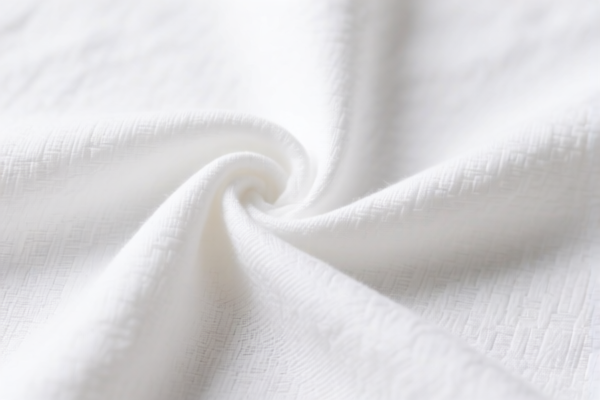
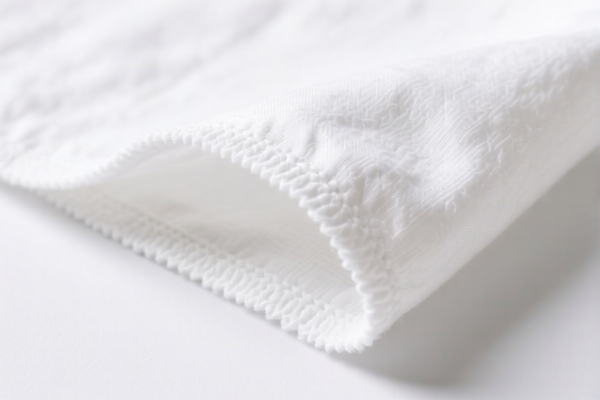
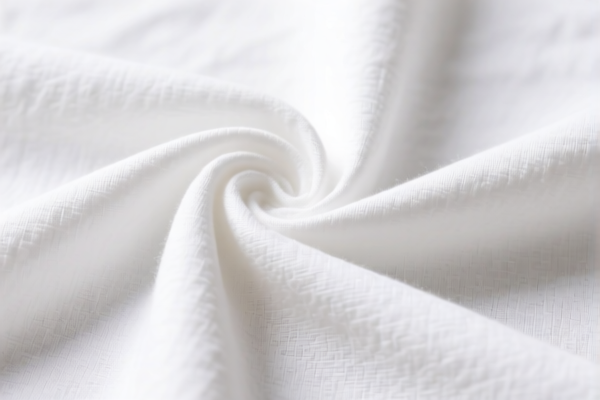
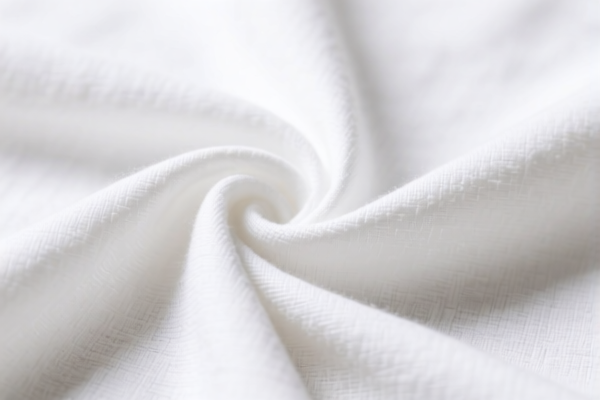
AI Analysis
🧵 Fabric (Less Than 1 Sq. Meter, Lined)
🌐 HS Code Reference & Customs Clearance Guide | 2026 Latest Tariff Analysis | Professional Compliance Strategy
📌 Part 1: Product Definition & Classification Nuances
Fabric (Lined, <1 Sq. Meter) represents a specialized textile category often used for sampling, small-scale repairs, accessories, or high-end custom tailoring. In international trade, the classification hinges on two critical factors: 1. Material Composition: Since the description is generic ("Fabric"), classification depends on the dominant fiber (Synthetic, Wool, Cotton). 2. Form & Usage: The note "lined" implies it may be a composite textile or ready for specific garment use, while "<1 square meter" suggests it is likely sold as a sample, remnant, or small retail unit, but HS codes classify by physical properties, not quantity. However, the small size often signals "ready-to-wear" components or small goods, potentially triggering different duty liabilities depending on the final product it forms.
⚠️ Key Distinction Point:
- If the fabric is synthetic filament (e.g., polyester nylon lining) → It often falls under Chapter 54.
- If it contains wool/hair → It falls under Chapter 51.
- If it is cotton → It falls under Chapter 52.
- "Lined" vs. "Unlined": If "lined" means it is a composite fabric (two layers bonded), it may still be classified by its essential character or the outer layer, but customs may scrutinize it as a prepared textile rather than raw fabric.
📦 Part 2: HS Code Classification Details (2026 Latest Tariff Authority Comparison)
Based on the provided data, here are the three potential HS Code classifications depending on the unseen material composition. You must identify the material to choose the correct row.
| HS Code | Product Description | Matching Criteria (From Data) | Material Inference |
|---|---|---|---|
5407.52.20.20 |
Woven Fabrics of Synthetic Filament Yarn | Form: Woven Fabric; Use: For Clothing. Summary: Matches form and use. Infers synthetic fiber type based on common "lining" materials. No conflict with filament fabric attributes. |
Synthetic Filament (e.g., Polyester, Nylon) |
5111.11.30.00 |
Woven Fabrics Containing ≥85% Wool (or Fine Animal Hair) | Form: Woven; Material: Wool/Fine Animal Hair. Summary: Matches "Woven" form. Since material is unspecified, inferred as wool/fine hair due to "clothing fabric" context. Fits "Catch-all" logic for high-end lined fabrics. |
Wool / Fine Animal Hair |
5208.31.60.60 |
Woven Cotton Fabrics, Weighing ≤200g/m² | Form: Woven; Use: For Clothing (Printed). Summary: Matches material (Cotton/Fiber) and form. "For clothing" aligns with Printcloth usage. Since weight/dyeing details are missing, uses "Other" catch-all principle. No obvious conflict. |
Cotton |
🔍 Critical Note:
- Quantity Does Not Determine HS Code: Whether it is 0.5m² or 100m², the HS Code is determined by what it is made of. - "Lined" Factor: If the "lining" creates a composite fabric, ensure the label declares the dominant fiber. If it is two separate pieces bundled, declare separately. If bonded, it is one textile article.
💰 Part 3: 2026 Latest Tariff Rate Breakdown (Including Surtaxes & Policy Add-ons)
✅ Applicable Country: United States (US)
✅ Origin: China (CN)
✅ Effective Time: 2025/2026 (Post-Trade War Rates)
🎯 1. 5407.52.20.20 —— Woven Synthetic Filament Fabric
| Item | Detail |
|---|---|
| Base Tariff | 14.9% (Ad Valorem) |
| Section 301 Surtax | +25.0% (USITC Footnote 9903.88.01 equivalent) |
| Section 122 Tariff | +10.0% (Specific trade policy add-on) |
| Total Tariff Rate | 49.9% |
| Tax Calculation | CIF Value × 49.9% |
| De Minimis Exemption? | ❌ NO (deny_de_minimis) |
| Legal Path | Base Tariff → Section 301 → Section 122 |
📌 Explanation:
- Synthetic fabrics from China face a massive 49.9% hit. - The "122 Clause" (often related to specific labor or trade remedy lists) adds an extra 10% on top of the standard 301 tariffs. - High Risk: Even for small samples, if declared as commercial fabric, this rate applies.
🎯 2. 5111.11.30.00 —— Wool/Fine Animal Hair Fabric
| Item | Detail |
|---|---|
| Base Tariff | 10.0% (Ad Valorem) |
| Section 301 Surtax | +25.0% |
| Section 122 Tariff | +10.0% |
| Total Tariff Rate | 45.0% |
| Tax Calculation | CIF Value × 45.0% |
| De Minimis Exemption? | ❌ NO (deny_de_minimis) |
| Legal Path | Base Tariff → Section 301 → Section 122 |
📌 Explanation:
- Wool fabrics have a lower base rate (10%) compared to synthetics (14.9%), but the surtaxes are identical. - Total 45% is still prohibitively high for low-value samples. - Tip: If this is a high-value luxury wool lining, the absolute tax amount is higher than synthetic due to higher base price, but the percentage is slightly lower.
🎯 3. 5208.31.60.60 —— Woven Cotton Fabric
| Item | Detail |
|---|---|
| Base Tariff | 9.7% (Ad Valorem) |
| Section 301 Surtax | +25.0% |
| Section 122 Tariff | +10.0% |
| Total Tariff Rate | 44.7% |
| Tax Calculation | CIF Value × 44.7% |
| De Minimis Exemption? | ❌ NO (deny_de_minimis) |
| Legal Path | Base Tariff → Section 301 → Section 122 |
📌 Explanation:
- Cotton has the lowest base rate (9.7%) among the three options. - Total 44.7% is the most "favorable" of the three, but still extremely high. - Note: This code specifies "Printed" (Printcloth). If your fabric is not printed but plain/dyed, this code might be rejected. Ensure the fabric matches the "Printed" description or choose a different "Other" cotton code.
🛠️ Part 4: Customs Clearance Practical Advice (Real-World Pitfall Guide)
✅ 1. Essential Documentation Checklist
| Document | Required? | Purpose |
|---|---|---|
| ✅ Commercial Invoice | ✔️ | Must clearly state: "Fabric Sample, Lined, [Material Type], <1 Sq. Meter". Value must be accurate (even if low). |
| ✅ Packing List | ✔️ | Specify dimensions (e.g., 30cm x 30cm) to prove it is indeed <1 sq. meter. |
| ✅ Material Declaration | ✔️ | Crucial: Must explicitly state % of Synthetic, Wool, or Cotton. Vague terms like "Textile" lead to reclassification and penalties. |
| ✅ Photos | ✔️ | Show the weave, the lining bond, and any labels. |
| ✅ Certificate of Origin | ✔️ | Confirms China origin (triggering the high tariffs). |
✅ 2. Classification Strategy (The "Material First" Rule)
| Scenario | Correct Action | Wrong Action |
|---|---|---|
| Polyester Lining | Use 5407.52.20.20. Declare "100% Polyester Woven Fabric". |
Misdeclare as "Clothing Accessory" to try for lower duties. |
| Wool Blend Lining | Use 5111.11.30.00. Declare "Wool Content >85%". |
If wool is <85%, this code is invalid → Use other wool codes (higher base). |
| Cotton Print Lining | Use 5208.31.60.60. Declare "Cotton Woven Print Fabric". |
If it's not printed, use is incorrect. Declare "Cotton Woven Fabric, Other". |
| Unknown Material | TEST IT! Send a fiber analysis lab test. Guessing leads to 100% penalty on duty difference. | Guessing "It's probably cotton" → Customs rejects and audits. |
✅ 3. Special Considerations for "<1 Sq. Meter"
| Issue | Advice |
|---|---|
| De Minimis ($800) | ❌ Do NOT try to use Section 321 (De Minimis). The provided data explicitly states deny_de_minimis for these textile codes. You MUST pay the 45-50% duty even if the value is $10. |
| Sample vs. Commercial | If this is a free sample ($0 value), you still need to declare it. Some countries allow "Free Sample" entry with 0 duty if properly marked, but US Section 301/122 often still apply if classified as duty-bearing goods. Consult a broker for "Free Sample" entry procedures. |
| Lining Complexity | If the "lining" is a separate piece of fabric attached, customs may ask you to classify two separate fabrics. This complicates clearance. Ensure it is a bonded composite if declared as one item. |
🌍 Part 5: Global Market Comparison (2026)
| Country | Recommended Approach | Estimated Effective Duty |
|---|---|---|
| 🇺🇸 USA | Use 5407/5111/5208 codes. Expect ~45-50% duty. |
High (301 + 122) |
| 🇨🇳 China (Import) | Check Chapter 50-55. Base rates are lower (2-10%). | Low (No 301/122) |
| 🇪🇺 EU | Use CN Code starting 5407/5111/5208. Standard duty 6-8%. | Moderate (No Section 301) |
| 🇬🇧 UK | Similar to EU post-Brexit. Standard duty applies. | Moderate |
📌 Conclusion for US Importers:
- The 45%+ duty on Chinese textiles is a fixed cost. Do not try to under-declare value.
- For samples <1 sq. meter, consider if the duty cost exceeds the value of the sample. If so, it may be cheaper to source locally or mark as "Free Sample" with proper legal justification (though risk of duty assessment remains).
📌 Part 6: Common Errors & Pitfalls (Lessons Learned)
❌ Error 1: Declaring as "Textile Product" without material specifics.
👉 Result: Customs assigns a default high-rate code or holds shipment for lab test.
❌ Error 2: Trying to use De Minimis ($800 threshold) for a $50 fabric sample.
👉 Result: Shipment flagged, penalty issued, duty still charged. Textiles are excluded from easy de minimis flow in many cases.
❌ Error 3: Ignoring the "Printed" requirement for 5208.31.60.60.
👉 Result: If cotton fabric is plain, customs will reclassify to a different (possibly higher duty) code.
✅ Correct Way:
"Fabric Sample, Lined Composite, 100% Polyester Filament Woven, <1 Sq. Meter, Free Sample (Value: $0.00, Fair Market Value: $5.00)"
🎯 Part 7: Final Conclusion & Action Plan
🎯 Remember the Golden Rule:
"Material Dictates Code, Duty Dictates Cost. Don't Guess the Fiber!"
- Identify the Material: Is it Synthetic, Wool, or Cotton?
- Select the HS Code:
- Synthetic →
5407.52.20.20(49.9%) - Wool →
5111.11.30.00(45.0%) - Cotton →
5208.31.60.60(44.7%)
- Synthetic →
- Prepare Documentation: Explicitly state material composition and dimensions.
- Budget for Duty: Assume ~45-50% of CIF value is tax. No de minimis exemption.
📣 Immediate Action:
📞 Contact your customs broker with a photo and material swatch.
📄 Request an Advance Ruling if importing regularly.
💡 For single samples, calculate if the duty cost is worth the sample. If not, consider alternative sourcing.
✨ Professional Clearance Starts with Accurate Classification!
💼 Your Profit Margin Depends on Your HS Code!
Customer Reviews
About HS Code Classification
The Harmonized System (HS) is an internationally standardized nomenclature developed by the World Customs Organization (WCO) to classify traded products. Over 200 countries use the HS system as the basis for customs tariffs, trade statistics, and import/export regulations.
Each HS code follows a hierarchical structure:
- Chapter (2 digits) — Broad category of goods (e.g., Chapter 84: Machinery and Mechanical Appliances)
- Heading (4 digits) — More specific grouping within the chapter
- Subheading (6 digits) — Internationally standardized breakdown, used by all WCO member countries
- National subdivisions (8-10 digits) — Country-specific extensions for further classification, such as US HTSUS 10-digit codes
Correct HS code classification is essential for smooth customs clearance, accurate duty payment, and compliance with trade regulations. Misclassification can lead to customs delays, overpayment of duties, or penalties.
When importing from CN to US, the applicable tariff rates may include:
- Most-Favored-Nation (MFN) rate — The standard duty rate applied to WTO members
- General rate — Applied to countries without trade agreements
- Trade remedy duties — Additional tariffs such as Section 301 (anti-dumping), Section 232 (national security), or countervailing duties
The information provided on this page is for reference purposes only. For official classification, please consult with your local customs authority or a licensed customs broker.