Fashion Cotton Handbag
CN → US| HS Code | Tariff Rate | Origin | Destination | Doc |
|---|---|---|---|---|
| 6305200000 | 23.7% | CN | US | Official Doc |
| 4202224020 | 42.4% | CN | US | Official Doc |
| 6305900000 | 23.7% | CN | US | Official Doc |
| 4202228930 | 52.6% | CN | US | Official Doc |
Product Images
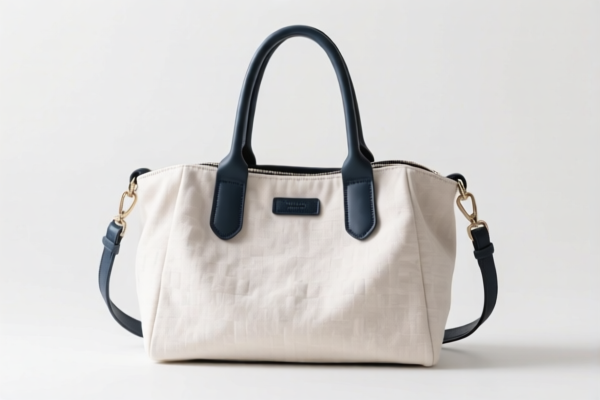
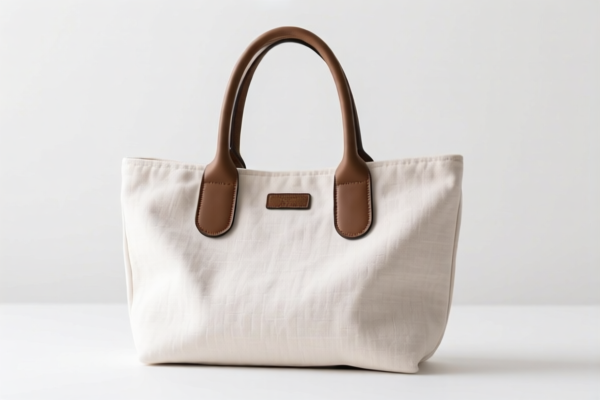
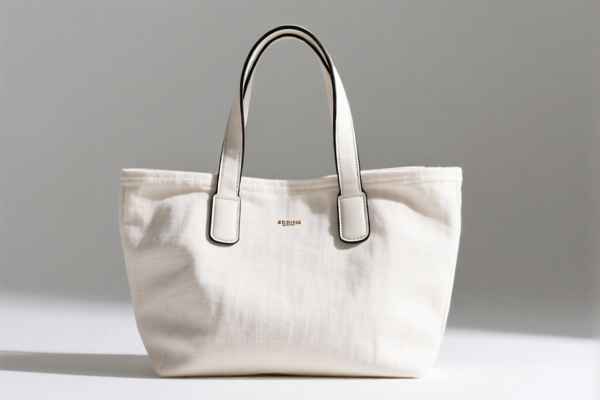
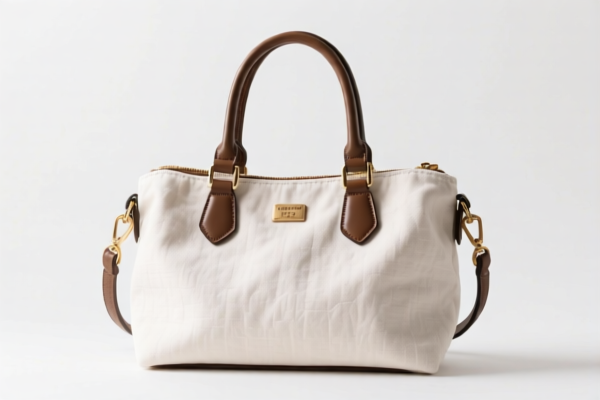
AI Analysis
👜 Fashion Cotton Handbag (纯棉面料手提包)
🌐 HS Code Reference & Customs Clearance Guide | 2026 Latest Tariff Analysis | Professional Entry Strategy
📌 Part 1: Product Definition & Classification – Do You Know Your Bag?
A "Fashion Cotton Handbag" is a versatile accessory defined by its material (100% cotton/textile) and its form (handheld bag/pouch). In international trade, it is often confused between Chapter 63 (Miscellaneous Textile Articles) and Chapter 42 (Articles of Leather/Travel Goods). The critical distinction lies in the primary function and external surface material.
Textile Bags (Chapter 63): Generally used for general carrying, shopping, or storage; often simpler in structure.
Handbags (Chapter 42): Fashion accessories, typically structured, with defined handles/straps, designed for personal carry of valuables.
⚠️ Key Distinction Point:
- If the bag is primarily a "sack" or "pouch" without rigid structure → Likely Chapter 63 (Lower Duty).
- If the bag is structured, with handles/straps, and marketed as "fashion" → Likely Chapter 42 (Higher Duty).
- Material: Since it is "Cotton" (Textile), it falls under Textile Handbags in Ch. 42 or Textile Bags in Ch. 63.
📦 Part 2: HS Code Classification Details (2026 Latest Tariff Authority Comparison)
Based on the provided data, here are the four possible HS Codes for a Cotton Handbag, with corresponding tax implications.
| HS Code | Product Description | Classification Logic | Applicable Scenario |
|---|---|---|---|
6305.20.00.00 |
Bags, made of cotton (Sacks & Pouches) | Classified as "Miscellaneous Textile Articles" rather than "Handbags". Often used for bulk storage, simple tote, or sack-like forms. | Simple cotton sacks, shopping bags, or unstructured pouches. |
4202.22.40.20 |
Handbags with outer surface of textile materials, of cotton | Classified as "Handbags" (Travel Goods). Outer surface is cotton. Specific subheading for textile handbags. | Standard fashion handbags, shoulder bags with cotton exterior. |
6305.90.00.00 |
Other sacks and pouches, of textile materials | Used when the bag doesn't fit specific cotton descriptions in 6305.20 but is still a "sack/pouch" form. | Less common for fashion handbags; used for generic textile pouches. |
4202.22.89.30 |
Handbags with outer surface of textile materials, of pure cotton | "Other" textile handbags. Often the catch-all for pure cotton fashion handbags not covered by 4202.22.40.20. |
Premium pure cotton fashion bags, structured handbags. |
🔍 Critical Reminder:
- Chapter 42 (4202) items are significantly more expensive in duties due to "Additional Tariffs" (Section 301 & IEEPA).
- Chapter 63 (6305) items are treated as "Other textile articles" and have much lower additional tariffs.
- Misclassification Risk: Declaring a structured "Fashion Handbag" as a "Sack/Pouch" (6305) to save duty is a high-risk audit target. The structure, handles, and marketing must support the 6305 classification.
💰 Part 3: 2026 Latest Tariff Rate Breakdown (Including Additional Taxes & Policies)
✅ Applicable Country: United States (US)
✅ Origin: China (CN)
✅ Effective Time: 2025/2026 (Current Policy)
🎯 1. 6305.20.00.00 – Cotton Sacks/Pouches (The "Low Duty" Option)
| Item | Content |
|---|---|
| Base Tariff | 6.2% (Ad Valorem) |
| Section 301 Additional Tariff | +7.5% (From HTSUS Footnote 4) |
| IEEPA Additional Tariff | +10% (For China/HK products, from 2025-11-10) |
| Total Tax Rate | 23.7% |
| Tax Calculation | CIF Value × 23.7% |
| De Minimis Eligibility | ❌ No (Subject to Section 301 & IEEPA) |
| Legal Basis Path | HTSUS: 6305.20.00.00 → Footnote 4 → IEEPA: 9903.01.24 |
📌 Explanation:
- 6.2% is the standard MFN rate for cotton sacks.
- 7.5% is the Section 301 tariff on Chapter 63 items (reduced from earlier 25% phases in some contexts, but current data shows 7.5%).
- 10% is the IEEPA tariff on all Chinese textile goods.
- Total 23.7% is significantly lower than Chapter 42.
🎯 2. 4202.22.40.20 – Textile Handbags (Cotton) (The "High Duty" Option)
| Item | Content |
|---|---|
| Base Tariff | 7.4% (Ad Valorem) |
| Section 301 Additional Tariff | +25.0% (From HTSUS Footnote 4) |
| IEEPA Additional Tariff | +10% (For China/HK products) |
| Total Tax Rate | 42.4% |
| Tax Calculation | CIF Value × 42.4% |
| De Minimis Eligibility | ❌ No (Subject to Section 301 & IEEPA) |
| Legal Basis Path | HTSUS: 4202.22.40.20 → Footnote 4 → IEEPA: 9903.01.24 |
📌 Note:
- 7.4% is the base rate for textile handbags.
- 25% is the maximum Section 301 tariff rate for Chapter 42 (Handbags).
- 10% IEEPA applies.
- Total 42.4% makes this a high-cost item. Profit margins will be severely impacted.
🎯 3. 6305.90.00.00 – Other Textile Pouches (The "Medium Duty" Option)
| Item | Content |
|---|---|
| Base Tariff | 6.2% |
| Section 301 Additional Tariff | +7.5% |
| IEEPA Additional Tariff | +10% |
| Total Tax Rate | 23.7% |
| Tax Calculation | CIF Value × 23.7% |
| De Minimis Eligibility | ❌ No |
| Legal Basis Path | HTSUS: 6305.90.00.00 → Footnote 4 → IEEPA: 9903.01.24 |
📌 Note:
- Same tax structure as6305.20.00.00.
- Used if the cotton sack/pouch doesn't fit the specific "6305.20" cotton description perfectly but is still a "sack/pouch".
🎯 4. 4202.22.89.30 – Other Pure Cotton Handbags (The "Highest Duty" Option)
| Item | Content |
|---|---|
| Base Tariff | 17.6% |
| Section 301 Additional Tariff | +25.0% |
| IEEPA Additional Tariff | +10% |
| Total Tax Rate | 52.6% |
| Tax Calculation | CIF Value × 52.6% |
| De Minimis Eligibility | ❌ No |
| Legal Basis Path | HTSUS: 4202.22.89.30 → Footnote 4 → IEEPA: 9903.01.24 |
📌 Warning:
- 17.6% is a very high base rate for "Other" handbags.
- 25% Section 301 applies.
- 10% IEEPA applies.
- Total 52.6% is extremely high. This classification should be avoided unless the product is undeniably a "handbag" and cannot be classified under4202.22.40.20.
🛠️ Part 4: Customs Clearance Practical Advice (Battle-Tested Pitfall Guide)
✅ 1. Documentation Checklist (Missing Any = Delay)
| Document | Required | Notes |
|---|---|---|
| ✅ Product Photos | ✔️ | Show exterior, interior, handles, labels. |
| ✅ Material Composition | ✔️ | Must state "100% Cotton" or "Cotton Blend". |
| ✅ Commercial Invoice | ✔️ | Describe as "Cotton Tote Bag" or "Cotton Sack" if using Ch. 63. |
| ✅ Packing List | ✔️ | Weight and dimensions critical for valuation. |
| ✅ Origin Certificate | ✔️ | Proof of Chinese origin (triggers additional tariffs). |
✅ 2. Declaration Strategy (Key Mantra)
🔥 "Structure Defines Chapter! Don't Declare a Handbag as a Sack!"
| Scenario | Correct Declaration | Risk of Error |
|---|---|---|
| Simple, Unstructured Cotton Bag | 6305.20.00.00 (Cotton Sack) |
Low risk if no handles/structure. |
| Fashion Handbag with Handles | 4202.22.40.20 or 4202.22.89.30 |
High risk of audit if declared as 6305. |
| Cotton Bag with Rigid Bottom/Handles | 4202.22.40.20 |
Misclassifying as 6305 leads to underpayment penalties. |
| Generic Textile Pouch (No Handles) | 6305.90.00.00 |
Acceptable if it's a "pouch". |
📌 Why it matters:
- Section 301 Duty: Chapter 42 has a 25% add-on, while Chapter 63 has 7.5%.
- Difference: 17.5% savings on6305vs4202.
- But: If CBP determines it's a "handbag" (Chapter 42) but you declared it as "sack" (Chapter 63), they will assess back duties + penalties + interest.
✅ 3. Special Situations
| Situation | Handling Advice |
|---|---|
| OEM Custom Bags | Provide design specs. If handles are attached, CBP leans toward Ch. 42. |
| Bag + Insert Pouch | Declare separately. Main bag as Ch. 63 or 42; insert as textile pouch. |
| Pure Cotton vs. Cotton Blend | "100% Cotton" may trigger 4202.22.89.30 (17.6% base). "Cotton Blend" might fall under 4202.22.40.20 (7.4% base). Check composition carefully! |
| "Sack" vs. "Handbag" | A "sack" has no handles or simple ties. A "handbag" has rigid or fixed handles. This is the #1 audit trigger. |
🌍 Part 5: Global Market Comparison (2026)
| Country/Region | Recommended HS Code | Total Duty (China Origin) | Notes |
|---|---|---|---|
| 🇺🇸 USA | 4202.22.40.20 |
42.4% | High due to Section 301 & IEEPA. |
| 🇺🇸 USA | 6305.20.00.00 |
23.7% | Only if truly a "sack/pouch". |
| 🇪🇺 EU | 4202.22.40 |
~12% | No Section 301 equivalent. Lower duty. |
| 🇨🇳 China | 4202.22.40 |
~10% | Import duty only, no additional tariffs. |
📌 Conclusion:
- The US market is punitive for Chinese textile handbags.
- Strategic Option: If your product is structurally a "tote" or "sack" (no rigid handles, open top), declare under Chapter 63 to save ~19% in taxes.
- Risk: Ensure the product description and physical form support this. If it's a structured handbag, accept the 42.4%-52.6% duty.
📌 Part 6: Common Mistakes & Pitfalls (Lessons Learned)
❌ Mistake 1: Declaring a structured handbag with handles as "Cotton Sack" (6305)
👉 Consequence: CBP reclassifies to 4202, charges 25% difference in Section 301 + penalties.
👉 Fix: Use 4202.22.40.20 if handles are present.
❌ Mistake 2: Assuming all cotton bags are "Textile Handbags" (4202)
👉 Consequence: Overpaying duties by ~19%.
👉 Fix: If it's a simple pouch/tote, try 6305.20.00.00.
❌ Mistake 3: Ignoring IEEPA 10% Tariff
👉 Consequence: Underpayment on all Chinese textile goods.
👉 Fix: Always add 10% to base + Section 301 rates.
✅ Correct Approach:
"Cotton Tote Bag, 100% Cotton, Open Top, No Rigid Handles, For Shopping Use" →
6305.20.00.00
"Fashion Handbag, 100% Cotton, Structured, With Leather Handle" →4202.22.89.30
🎯 Part 7: Conclusion – Smart Classification, Higher Margins!
🎯 Remember the Mantra:
🔹 "Handles = Handbag (Ch. 42, High Tax)"
🔹 "No Handles/Sack = Textile Article (Ch. 63, Low Tax)"
🔹 "IEEPA 10% is Always On for China"
🔹 "Section 301: 25% vs 7.5% – Choose Wisely!"
📌 Pro Tip:
- For US Imports: If your product can be argued as a "Sack" or "Pouch" (e.g., simple cotton tote), classify under
6305.20.00.00to save ~19% in total taxes.- Document Everything: Photos showing lack of rigid structure/handles support Ch. 63.
- Pre-Ruling: Consider filing an Advance Ruling with CBP if your product is borderline.
📣 Take Action Now:
📞 Consult a Customs Broker + Provide Product Photos + Classify Correctly
🚀 Reduce Tax Liability, Ensure Compliance, Boost Profits!
✨ Professional Customs Clearance Starts with Accurate Classification!
💼 Every Percentage Point Counts in Your Profit Margin!
Customer Reviews
About HS Code Classification
The Harmonized System (HS) is an internationally standardized nomenclature developed by the World Customs Organization (WCO) to classify traded products. Over 200 countries use the HS system as the basis for customs tariffs, trade statistics, and import/export regulations.
Each HS code follows a hierarchical structure:
- Chapter (2 digits) — Broad category of goods (e.g., Chapter 84: Machinery and Mechanical Appliances)
- Heading (4 digits) — More specific grouping within the chapter
- Subheading (6 digits) — Internationally standardized breakdown, used by all WCO member countries
- National subdivisions (8-10 digits) — Country-specific extensions for further classification, such as US HTSUS 10-digit codes
Correct HS code classification is essential for smooth customs clearance, accurate duty payment, and compliance with trade regulations. Misclassification can lead to customs delays, overpayment of duties, or penalties.
When importing from CN to US, the applicable tariff rates may include:
- Most-Favored-Nation (MFN) rate — The standard duty rate applied to WTO members
- General rate — Applied to countries without trade agreements
- Trade remedy duties — Additional tariffs such as Section 301 (anti-dumping), Section 232 (national security), or countervailing duties
The information provided on this page is for reference purposes only. For official classification, please consult with your local customs authority or a licensed customs broker.