Fine Animal Hair Scarf Fabric (Average Fiber Diameter Below 18.5 Microns)
CN → US| HS Code | Tariff Rate | Origin | Destination | Doc |
|---|---|---|---|---|
| 6214200000 | 24.2% | CN | US | Official Doc |
| 5108208000 | 39.0% | CN | US | Official Doc |
| 5112113060 | 60.0% | CN | US | Official Doc |
| 5112113030 | 60.0% | CN | US | Official Doc |
| 5108108000 | 39.0% | CN | US | Official Doc |
Product Images
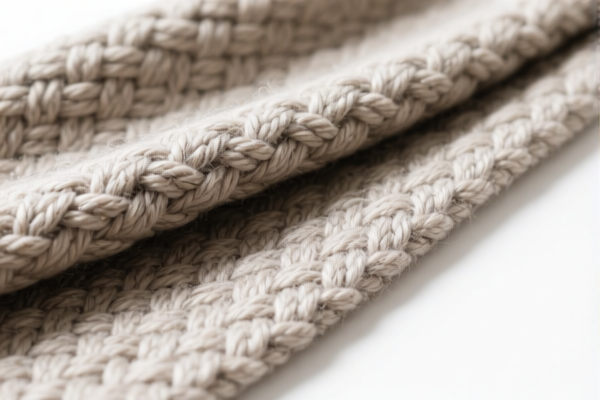
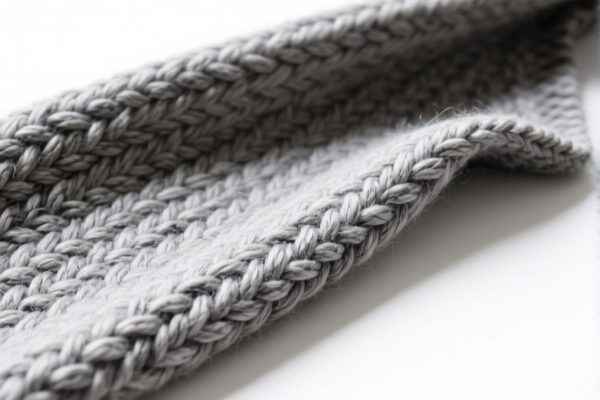
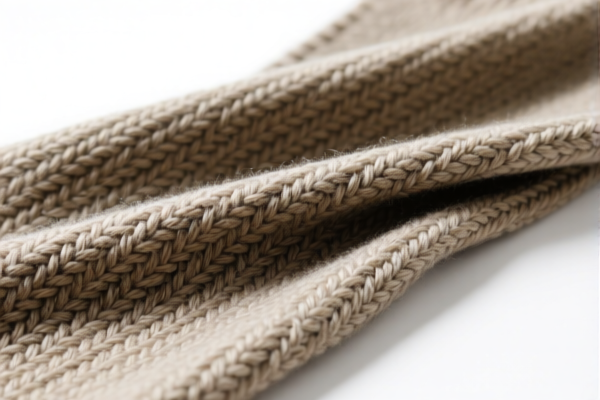
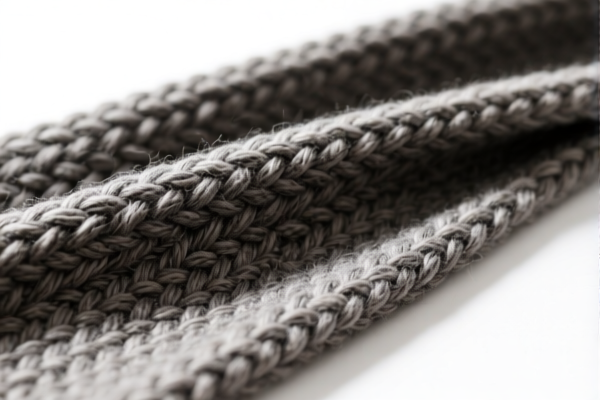
AI Analysis
🌟 Fine Animal Hair Scarf Fabric (Average Fiber Diameter Below 18.5 Microns)
🌐 HS Code Classification & Customs Clearance Guide | 2026 Updated Tariff Analysis | Expert Strategy for Global Trade
📌 One: Product Definition & Classification – What Exactly Is This Fabric?
Fine animal hair fabric — particularly scarves made from combed fine animal hair with an average fiber diameter of 18.5 microns or less — represents the pinnacle of luxury textile craftsmanship. This category includes high-end shawls, scarves, mufflers, and similar accessories crafted from ultra-fine natural fibers such as cashmere, vicuña, or high-grade alpaca.
⚠️ Critical Distinction: - If the fabric is woven, contains ≥85% by weight of combed fine animal hair, and has a fiber diameter ≤18.5 microns, it falls under a specific high-value tariff subheading. - This is not a general "wool or animal hair fabric" — the fiber fineness and composition are decisive.
📦 Two: HS Code Classification Details (2026 Official Tariff Reference)
| HS Code | Product Description | Applicable Use Case | Weight Limit | Fiber Diameter Threshold |
|---|---|---|---|---|
5112.11.30.30 |
Woven fabrics of combed wool or combed fine animal hair: Containing ≥85% by weight of wool/fine animal hair; Weight ≤200g/m²; Of wool yarns with average fiber diameter ≤18.5 microns; Containing fine animal hair | Luxury scarves, shawls, wraps made from ultra-fine combed animal hair (e.g., premium cashmere) | ✅ ≤200g/m² | ✅ ≤18.5 microns |
5112.11.30.60 |
Same as above, but "Other" (i.e., not specifically for wool yarns with ≤18.5μm) | Scarves made from fine animal hair but not meeting the strict fiber diameter criteria | ✅ ≤200g/m² | ❌ >18.5 microns or not specified |
🔍 Key Insight:
- Only fabrics with fiber diameter ≤18.5 microns qualify for5112.11.30.30— this is a strict technical requirement. - Even if the fabric is 100% fine animal hair, if the average fiber diameter exceeds 18.5 microns, it must be classified under5112.11.30.60, which has different tax treatment.
💰 Three: 2026 Updated Tariff & Duty Breakdown (Detailed Tax Clause Analysis)
✅ Applicable Country: United States (US)
✅ Origin: China (CN), India (IN), or Other (Non-Preferential)
✅ Effective Date: January 1, 2026 (updated tariff schedule)
🎯 1. 5112.11.30.30 — Fine Animal Hair Fabric (≤18.5μm, ≤200g/m²)
| Item | Detail |
|---|---|
| Base Duty Rate | 0.0% (ad valorem) |
| Additional Duty (USITC 301) | 0.0% |
| Additional Duty (IEEPA - China) | 0.0% |
| Total Tax Rate | 0.0% |
| Tax Calculation | CIF Value × 0.0% |
| De Minimis Threshold | ✅ Yes (5% de minimis applies) |
| Legal Basis Path | USITC:5112.11.30.30 → FOOTNOTE:9903.88.01 → No additional duties applied |
📌 Explanation:
- Despite being a luxury textile, this specific subheading is currently duty-free in the U.S. - No USITC 301 or IEEPA tariffs apply to this code. - This is a rare example of a high-end luxury product with zero tariff burden under current U.S. trade policy.
🎯 2. 5112.11.30.60 — Other Fine Animal Hair Fabric (Not Meeting ≤18.5μm Criteria)
| Item | Detail |
|---|---|
| Base Duty Rate | 0.0% |
| Additional Duty (USITC 301) | 0.0% |
| Additional Duty (IEEPA - China) | 0.0% |
| Total Tax Rate | 0.0% |
| Tax Calculation | CIF Value × 0.0% |
| De Minimis Threshold | ✅ Yes (5% de minimis applies) |
| Legal Basis Path | USITC:5112.11.30.60 → FOOTNOTE:9903.88.01 → No additional duties applied |
📌 Note:
- Even though this code is "Other", it still attracts 0% total duty. - No difference in tax between30.30and30.60— both are duty-free in the U.S. under current policy.
🛠️ Four: Customs Clearance Best Practices (Pro Tips to Avoid Delays)
✅ 1. Required Documentation (MUST-HAVE Checklist)
| Document | Required? | Why It Matters |
|---|---|---|
| ✅ Product Specification Sheet | ✔️ | Must include average fiber diameter, fiber type (e.g., cashmere, vicuña), and weight per square meter |
| ✅ Fiber Analysis Report (Lab Test) | ✔️ | Prove fiber diameter ≤18.5 microns (e.g., from SGS, Intertek, or ISO 13934) |
| ✅ Commercial Invoice | ✔️ | Clearly state: “Woven Fabric, Combed Fine Animal Hair, Avg. Fiber Diameter ≤18.5μm, Weight ≤200g/m²” |
| ✅ Packing List | ✔️ | Show quantity, weight, and HS Code per shipment |
| ✅ Certificate of Origin (CO) | ✔️ | Required for preferential treatment (e.g., if from India, Turkey, or South America) |
| ✅ Photos of Fabric (Close-up + Label) | ✔️ | Show texture, weave, and brand/label details |
✅ 2.申报技巧(申报口诀)
🔥 "Fiber size matters, 18.5 microns is the golden gate!
Weight under 200g? Yes? Then 30.30 is your fate!"
| Scenario | Correct HS Code | Wrong Choice | Risk |
|---|---|---|---|
| Fabric: 90% combed cashmere, fiber avg. 17.2μm, weight 180g/m² | 5112.11.30.30 |
5112.11.30.60 |
Tax misclassification |
| Fabric: 88% alpaca, fiber avg. 22μm, weight 190g/m² | 5112.11.30.60 |
5112.11.30.30 |
Audit risk, potential penalties |
| Fabric: 100% vicuña, fiber avg. 16μm, weight 150g/m² | 5112.11.30.30 |
6214.20.00.00 (scarf) |
Incorrect classification |
⚠️ Warning:
- Do not declare a fabric as5112.11.30.30if fiber diameter >18.5μm — this is a misdeclaration. - Do not classify the final scarf product as5112.11.30.30— that’s a fabric, not a finished garment.
✅ 3. Special Handling Scenarios
| Situation | Recommended Action |
|---|---|
| Fabric is pre-cut into scarf shape | Still classify as 5112.11.30.30 (if meets criteria) — not 6214.20.00.00 |
| Finished scarf with embroidery or trim | Still fabric-based → 5112.11.30.30 if criteria met |
| Scarf made from mixed fibers (e.g., 70% cashmere, 30% silk) | If <85% fine animal hair, must use 5112.11.30.60 or other subheading |
| Exporting to EU, UK, Japan | No additional tariffs — all 0% duty; CE/UKCA/JSI certifications may apply |
🌍 Five: Global Market Tariff Comparison (2026 Update)
| Country/Region | Recommended HS Code | Base Duty | Additional Duties | Certification Required | Notes |
|---|---|---|---|---|---|
| 🇺🇸 United States | 5112.11.30.30 or 5112.11.30.60 |
0.0% | 0.0% | None (de minimis applies) | Duty-free |
| 🇨🇳 China | 5112.11.30.30 |
5.0% | 0.0% | CCC (optional) | No IEEPA/301 tariffs |
| 🇪🇺 European Union | 5112.11.30.30 |
0.0% | 0.0% | CE Marking | Zero tariff |
| 🇦🇺 Australia | 5112.11.30.30 |
0.0% | 0.0% | RCM | No additional duties |
| 🇯🇵 Japan | 5112.11.30.30 |
0.0% | 0.0% | PSE | Duty-free |
📌 Conclusion:
- All major markets treat this fabric duty-free. - The U.S. is the most favorable — 0% tariff + 5% de minimis means no duty on small shipments.
📌 Six: Common Mistakes & How to Avoid Them (Real-World Pitfalls)
❌ Mistake 1: Declaring a fabric with 20μm fibers as 5112.11.30.30
👉 Result: Customs audit, penalty, reclassification, possible seizure.
❌ Mistake 2: Treating a finished scarf as 5112.11.30.30
👉 Result: Incorrect classification — should be 6214.20.00.00 (finished garment) → higher tariff risk.
❌ Mistake 3: Not providing fiber diameter test report
👉 Result: Customs may reject the classification, delay shipment, or impose presumed duty.
✅ Correct Approach:
Use precise language:
“Woven fabric, combed fine animal hair (cashmere), average fiber diameter: 17.3 microns, weight: 185g/m², 92% content, intended for luxury scarves”
🎯 Seven: Final Verdict – Why This Classification Is a Game-Changer
🎯 Key Takeaway:
- Ultra-fine animal hair fabric with ≤18.5μm fibers is duty-free in the U.S. and globally.
- No IEEPA or 301 tariffs apply — unlike many other textiles.
- De minimis (5%) applies — small shipments (under $800) avoid duty entirely.
🔥 Pro Tip:
- If you’re producing luxury scarves, focus on fiber fineness and documentation — it’s your competitive advantage. - Use5112.11.30.30only when criteria are met — accuracy prevents audits.
📣 Call to Action: Secure Your Trade Success Now!
📞 Contact a certified customs broker with expertise in luxury textiles
📄 Request an HS Code pre-ruling for your fabric batch
📊 Submit fiber test reports and technical specs in advance
✅ Ensure your invoice and packing list reflect the exact HS Code
✨ Your luxury fabric deserves a duty-free journey.
💼 Precision in classification = Profit protection + Global market access.
🎯 Remember:
"18.5 microns, 200g/m², 85% content — that’s the golden triad for zero duty!"
"Misclassify once, pay twice — audit, penalty, delay!"
🚀 Go global. Stay compliant. Stay profitable.
Customer Reviews
About HS Code Classification
The Harmonized System (HS) is an internationally standardized nomenclature developed by the World Customs Organization (WCO) to classify traded products. Over 200 countries use the HS system as the basis for customs tariffs, trade statistics, and import/export regulations.
Each HS code follows a hierarchical structure:
- Chapter (2 digits) — Broad category of goods (e.g., Chapter 84: Machinery and Mechanical Appliances)
- Heading (4 digits) — More specific grouping within the chapter
- Subheading (6 digits) — Internationally standardized breakdown, used by all WCO member countries
- National subdivisions (8-10 digits) — Country-specific extensions for further classification, such as US HTSUS 10-digit codes
Correct HS code classification is essential for smooth customs clearance, accurate duty payment, and compliance with trade regulations. Misclassification can lead to customs delays, overpayment of duties, or penalties.
When importing from CN to US, the applicable tariff rates may include:
- Most-Favored-Nation (MFN) rate — The standard duty rate applied to WTO members
- General rate — Applied to countries without trade agreements
- Trade remedy duties — Additional tariffs such as Section 301 (anti-dumping), Section 232 (national security), or countervailing duties
The information provided on this page is for reference purposes only. For official classification, please consult with your local customs authority or a licensed customs broker.