Folding Toilet Seat
CN → US| HS Code | Tariff Rate | Origin | Destination | Doc |
|---|---|---|---|---|
| 3922200000 | 23.8% | CN | US | Official Doc |
| 6307909891 | 24.5% | CN | US | Official Doc |
| 6307908995 | 17.0% | CN | US | Official Doc |
| 3922900000 | 41.3% | CN | US | Official Doc |
| 4014905000 | 14.2% | CN | US | Official Doc |
Product Images
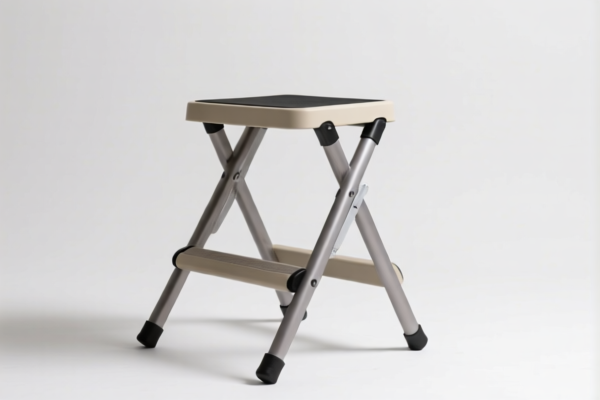
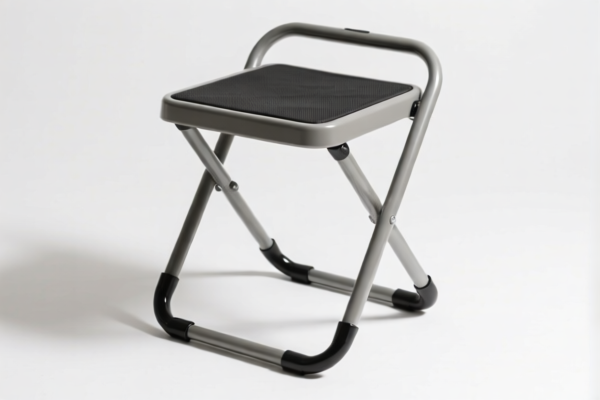
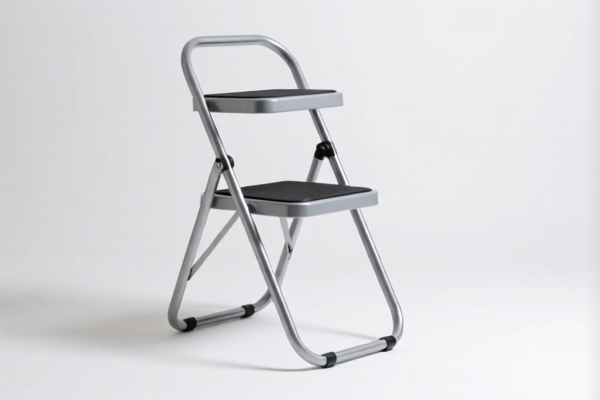
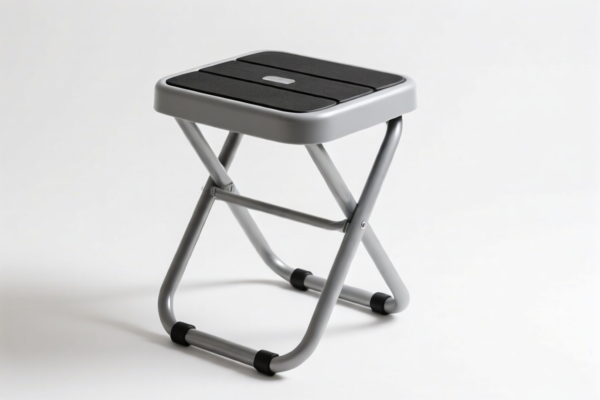
AI Analysis
🚽 Folding Toilet Seat (Bidet Seats & Covers)
🌐 HS Code Reference & Customs Clearance Guide | 2026 Latest Tariff Analysis | Professional Clearance Strategy
📌 I. Product Definition & Classification: What Exactly is a "Folding Toilet Seat"?
A folding toilet seat (often referring to bidet seats, heated seats, or simple plastic covers) is a sanitary ware accessory. In international trade, its classification depends heavily on material composition and whether it is a finished product or a component part. The data reveals five distinct HS Code possibilities, ranging from plastic components to rubber accessories.
⚠️ Key Distinction Points:
- Plastic Material: Likely falls under Chapter 39 (Plastics). Is it a specific part of a toilet (3922.20) or a general plastic article (3922.90)?
- Rubber Material: Falls under Chapter 40 (Rubber). Specifically, vulcanized rubber parts (4014.90).
- Textile/Soft Material: Falls under Chapter 63 (Other Made-up Articles). Likely fabric-covered or cushioned (6307.90).
- Finished vs. Component: Is it a standalone product sold as a "seat cover" or a replaceable part for a toilet?
📦 II. HS Code Classification Details (2026 Latest Tariff Authority Cross-Reference)
| HS Code | Product Description (Summary from Data) | Material/Type | Key Logic for Classification |
|---|---|---|---|
3922.20.00.00 |
Toilet seat cushions/covers; parts of toilet seats/covers | Plastic | Classified specifically as parts/components of toilet seats/covers. |
6307.90.98.91 |
Other made-up articles; accessories/fillers | Textile/Soft | Classified as accessories or filler products within "other made-up articles." |
6307.90.89.95 |
Other made-up articles; inferred textile or soft cushion | Textile/Soft | Inferred as textile or soft cushion products under other made-up articles. |
3922.90.00.00 |
Other plastic sanitary ware; inferred plastic material | Plastic | Classified as general plastic sanitary ware, not specifically a seat part. |
4014.90.50.00 |
Other rubber articles; parts/accessories | Vulcanized Rubber | Classified as parts/accessories made of vulcanized rubber. |
🔍 Important Note:
- Plastic Seats: The distinction between3922.20(specific parts) and3922.90(general plastic sanitary) is critical for tariff rates.3922.20is often preferred for specific seat components.
- Non-Plastic Seats: If the seat is upholstered (fabric), it likely falls under6307.90. If made of rubber (e.g., non-slip mats or specific ergonomic grips), it falls under4014.90.
💰 III. 2026 Latest Tariff Rate Details (Detailed Breakdown)
✅ Applicable Country: United States (US)
✅ Origin: China (CN)
✅ Effective Time: Current trade policies (Includes Section 301 and IEEPA surcharges)
🎯 1. 3922.20.00.00 – Plastic Parts of Toilet Seats/Covers
| Item | Content |
|---|---|
| Base Tariff | 6.3% (ad valorem) |
| Section 301 Surcharge | 7.5% |
| Section 122 Surcharge | 10.0% |
| Total Tariff | 23.8% |
| Tax Calculation | CIF Value × 23.8% |
| De Minimis Eligibility | ❌ No (High tariff rate typically excludes small package exemptions) |
| Legal Basis Path | USITC:3922.20.00.00 → Footnote 122 → Section 301 |
📌 Explanation:
- This is a mid-range tariff option.
- The "Section 122" tariff (10%) applies to certain steel, aluminum, or specific consumer goods, but in this data context, it is applied to this plastic category.
- Risk: Ensure the product is clearly defined as a "part" of a toilet seat. If customs views it as a general plastic household item, it might shift to3922.90(41.3%).
🎯 2. 6307.90.98.91 – Other Made-Up Articles (Textile/Accessory)
| Item | Content |
|---|---|
| Base Tariff | 7.0% |
| Section 301 Surcharge | 7.5% |
| Section 122 Surcharge | 10.0% |
| Total Tariff | 24.5% |
| Tax Calculation | CIF Value × 24.5% |
| De Minimis Eligibility | ❌ No |
| Legal Basis Path | USITC:6307.90.98.91 → Footnote 122 → Section 301 |
📌 Explanation:
- This code is for textile or fabric-covered seats or accessories.
- Highest Total Tariff among the options.
- Use this only if the product is explicitly made of textile materials and classified as an "accessory" or "made-up article."
🎯 3. 6307.90.89.95 – Other Made-Up Articles (Soft Cushion)
| Item | Content |
|---|---|
| Base Tariff | 7.0% |
| Section 301 Surcharge | 0.0% |
| Section 122 Surcharge | 10.0% |
| Total Tariff | 17.0% |
| Tax Calculation | CIF Value × 17.0% |
| De Minimis Eligibility | ❌ No |
| Legal Basis Path | USITC:6307.90.89.95 → Footnote 122 (No Section 301) |
📌 Explanation:
- Most Cost-Effective Option in the dataset.
- Crucial Detail: This code has 0% Section 301 surcharge.
- Applies to soft, textile-based cushions or covers that do not fall under the specific "accessory" definition of6307.90.98.91.
- Strategy: If your folding seat has a fabric cover or is a soft cushion, investigate if it qualifies for this lower-rate subheading.
🎯 4. 3922.90.00.00 – Other Plastic Sanitary Ware
| Item | Content |
|---|---|
| Base Tariff | 6.3% |
| Section 301 Surcharge | 25.0% |
| Section 122 Surcharge | 10.0% |
| Total Tariff | 41.3% |
| Tax Calculation | CIF Value × 41.3% |
| De Minimis Eligibility | ❌ No |
| Legal Basis Path | USITC:3922.90.00.00 → Footnote 122 → Section 301 (25%) |
📌 Explanation:
- Highest Risk Code.
- If customs determines the product is a general plastic sanitary ware (not a specific seat part), it applies the 25% Section 301 tariff.
- Avoid this classification if possible. Always aim for3922.20(specific parts) to avoid the 25% surcharge.
🎯 5. 4014.90.50.00 – Rubber Parts/Accessories
| Item | Content |
|---|---|
| Base Tariff | 4.2% |
| Section 301 Surcharge | 0.0% |
| Section 122 Surcharge | 10.0% |
| Total Tariff | 14.2% |
| Tax Calculation | CIF Value × 14.2% |
| De Minimis Eligibility | ❌ No |
| Legal Basis Path | USITC:4014.90.50.00 → Footnote 122 (No Section 301) |
📌 Explanation:
- Lowest Total Tariff in the dataset.
- Applies only if the folding toilet seat is made of vulcanized rubber (e.g., flexible hinges, rubber-coated seats).
- Strategy: If your product has significant rubber components or is primarily rubber, this is the most cost-effective classification.
🛠️ IV. Customs Clearance Operational Advice (Practical Pitfall Avoidance)
✅ 1. Preparation Checklist (Non-Negotiable)
| Document | Required | Notes |
|---|---|---|
| ✅ Product Material Declaration | ✔️ | Must specify: 100% Plastic, Rubber, Textile, or Composite. |
| ✅ HS Code Justification | ✔️ | Explain why it is a "part" (3922.20) vs. "general article" (3922.90). |
| ✅ Product Photos | ✔️ | Show hinges, folding mechanism, and material texture. |
| ✅ Commercial Invoice | ✔️ | Clear description: "Folding Plastic Toilet Seat Cover" or "Rubber Toilet Seat Hinge." |
| ✅ Certificate of Origin | ✔️ | To prove Chinese origin for surcharge calculation. |
✅ 2. Declaration Strategy (Key Mantras)
🔥 "Material Defines Code, Function Defines Rate!"
| Scenario | Recommended HS Code | Reason |
|---|---|---|
| Plastic Seat, Specific Part | 3922.20.00.00 |
Lower tariff (23.8%) than general plastic (41.3%). |
| Fabric/Soft Seat | 6307.90.89.95 |
Lowest tariff among textiles (17.0%) due to no Section 301. |
| Rubber Seat | 4014.90.50.00 |
Lowest overall tariff (14.2%) due to no Section 301. |
| General Plastic Sanitary Ware | 3922.90.00.00 |
AVOID if possible. High tariff (41.3%) due to 25% Section 301. |
| Textile Accessory | 6307.90.98.91 |
Higher tariff (24.5%) than soft cushions (17.0%). Use only if classified as accessory. |
📌 Critical Warning:
- Do not misclassify rubber as plastic or vice versa. Customs uses physical inspections and material tests.
- If the seat is a "Complete Set" (Seat + Lid + Hinges), ensure it is described as a set, not just a "cover."
✅ 3. Special Handling for Folding Mechanisms
| Feature | Clearance Tip |
|---|---|
| Hinges (Plastic) | If sold separately, classify as 3922.20. |
| Hinges (Rubber) | If sold separately, classify as 4014.90. |
| Soft Cushion Cover | Ensure it is not considered a "furniture pad" (which may have different duties). |
| Bidet Seats (Electric) | NOT COVERED IN THIS DATA. Electric bidet seats likely fall under 8508 or 9018 and have different tariffs. This data applies to non-electric, mechanical folding seats. |
🌍 V. Market Comparison & Tariff Optimization (2026)
| Classification | Total Tariff (US) | Section 301 | Section 122 | Optimization Strategy |
|---|---|---|---|---|
4014.90.50.00 (Rubber) |
14.2% | 0% | 10% | ✅ Best if Rubber. |
6307.90.89.95 (Soft Textile) |
17.0% | 0% | 10% | ✅ Best if Fabric/Cushion. |
3922.20.00.00 (Plastic Part) |
23.8% | 7.5% | 10% | ⚠️ Standard for Plastic. |
6307.90.98.91 (Textile Accessory) |
24.5% | 7.5% | 10% | ❌ Higher than soft cushion. |
3922.90.00.00 (General Plastic) |
41.3% | 25% | 10% | ❌ Avoid if possible. |
📌 Conclusion:
- Material is King: Rubber (4014) and Soft Textile (6307.89) avoid the 25% Section 301 tariff, resulting in much lower total duties.
- Plastic is Tricky:3922.20is preferred over3922.90to avoid the 25% surcharge.
📌 VI. Common Errors & Pitfalls (Lessons Learned)
❌ Error 1: Classifying a plastic seat as 3922.90 (General Plastic)
👉 Result: Tariff jumps from 23.8% to 41.3% due to 25% Section 301.
👉 Fix: Prove it is a "part of a toilet seat" (3922.20).
❌ Error 2: Claiming "Section 301 Exemption" for Plastic Seats
👉 Result: Denied. Section 301 applies to most plastic sanitary ware.
👉 Fix: Only rubber (4014) and specific soft textiles (6307.89) may benefit from 0% Section 301 in this dataset.
❌ Error 3: Misidentifying Material
👉 Result: Customs reclassifies rubber as plastic (41.3%) or plastic as textile (24.5%).
👉 Fix: Provide clear material specifications and samples.
✅ Correct Declaration Example:
"Folding Plastic Toilet Seat Cover, Part of Toilet Sanitary Ware, 100% PP Plastic, Model XYZ" →
3922.20.00.00
🎯 VII. Conclusion: Professional Declaration for Cost Savings
🎯 Remember the Mantra:
🔹 "Rubber & Soft Textile: No 301, Low Tariff!"
🔹 "Plastic: Specify 'Part' (3922.20), Avoid 'General' (3922.90)."
🔹 "Tariff Gap: 14.2% vs. 41.3% – The Difference is Profit!"
📌 Pro Tip:
If your product is 100% Rubber or Soft Fabric, pursue 4014.90.50.00 or 6307.90.89.95 for maximum savings.
For Plastic Seats, ensure documentation explicitly states "Part of Toilet Seat" to justify 3922.20.00.00.
📣 Action Required:
📞 Consult a customs broker for Advance Ruling on material classification.
🚀 Declare Accurately, Save Up to 27% in Duties!
✨ Professional Clearance Starts with Precise Classification!
💼 Your Cost Efficiency Depends on the First 8 Digits of the HS Code!
Customer Reviews
About HS Code Classification
The Harmonized System (HS) is an internationally standardized nomenclature developed by the World Customs Organization (WCO) to classify traded products. Over 200 countries use the HS system as the basis for customs tariffs, trade statistics, and import/export regulations.
Each HS code follows a hierarchical structure:
- Chapter (2 digits) — Broad category of goods (e.g., Chapter 84: Machinery and Mechanical Appliances)
- Heading (4 digits) — More specific grouping within the chapter
- Subheading (6 digits) — Internationally standardized breakdown, used by all WCO member countries
- National subdivisions (8-10 digits) — Country-specific extensions for further classification, such as US HTSUS 10-digit codes
Correct HS code classification is essential for smooth customs clearance, accurate duty payment, and compliance with trade regulations. Misclassification can lead to customs delays, overpayment of duties, or penalties.
When importing from CN to US, the applicable tariff rates may include:
- Most-Favored-Nation (MFN) rate — The standard duty rate applied to WTO members
- General rate — Applied to countries without trade agreements
- Trade remedy duties — Additional tariffs such as Section 301 (anti-dumping), Section 232 (national security), or countervailing duties
The information provided on this page is for reference purposes only. For official classification, please consult with your local customs authority or a licensed customs broker.