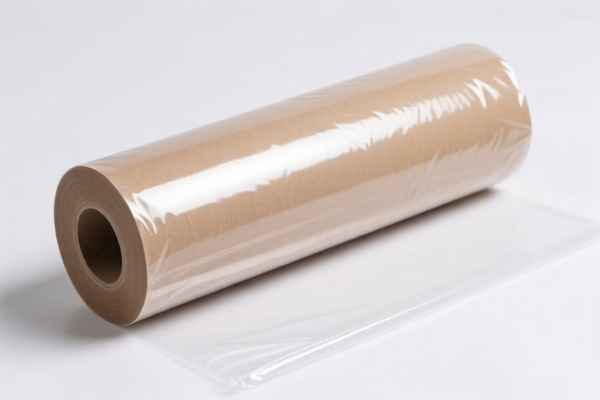
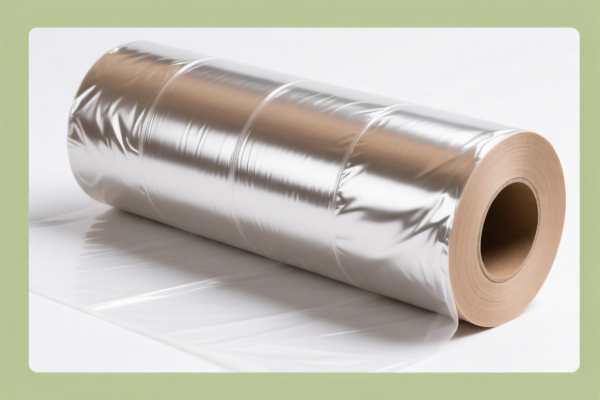
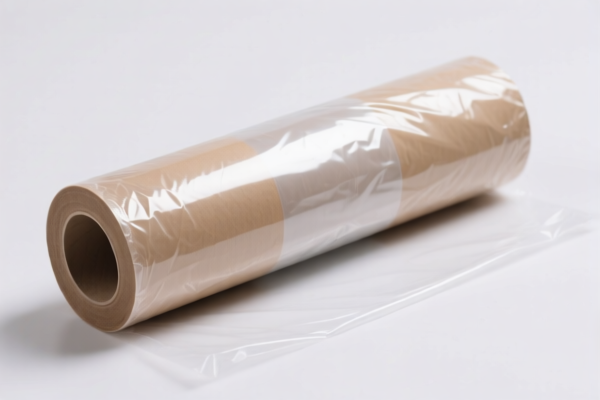
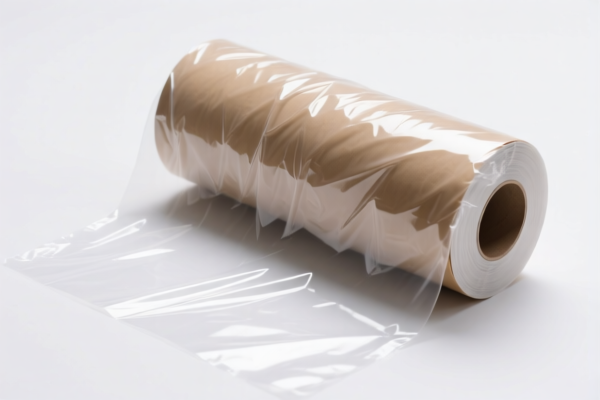
Food grade Roll Packaging Material
CN → US| HS Code | Tariff Rate | Origin | Destination | Doc |
|---|---|---|---|---|
| 3923290000 | 38.0% | CN | US | Official Doc |
| 4819300040 | 35.0% | CN | US | Official Doc |
| 4819400040 | 35.0% | CN | US | Official Doc |
Product Images
AI Analysis
📦 Food Grade Roll Packaging Material
🌐 HS Code Reference & Customs Clearance Guide | 2026 Latest Tariff Analysis | Professional Clearance Strategy
📌 I. Product Definition & Classification: What is "Food Grade Roll Packaging Material"?
"Food Grade Roll Packaging Material" generally refers to flexible materials supplied in rolls, intended for packaging food products. Key characteristics include: 1. Form: Rolls (flexible, not rigid containers like bottles). 2. Material: Commonly plastic (polyethylene, polypropylene, laminates) or paper-based materials suitable for food contact. 3. Usage: Used for wrapping, bagging, or forming packages for food items.
⚠️ Key Distinction Point:
- If the material is Plastic-based (e.g., PE, PP, PVC films): It falls under Chapter 39.
- If the material is Paper/Cardboard-based (e.g., kraft paper, laminated paper): It falls under Chapter 48.
- The term "Ref" in the data suggests a "Other/Remaining" category within these chapters.
📦 II. HS Code Classification Details (2026 Latest Tariff Authority)
Based on the provided data, there are three primary HS Codes with identical tax structures but different material/usage nuances.
| HS Code | Product Description | Material Inference | Usage/Feature | Total Tax Rate |
|---|---|---|---|---|
3923.29.00.00 |
Plastic Goods for Transport or Packaging | Plastic (Inferred) | Flexible packaging, films, sacks, bags | 38.0% |
4819.30.00.40 |
Cartons, Folders, and Similar Articles of Paper | Paper/Cellulose (Inferred) | Folded cartons, paper rolls, other paper packaging | 35.0% |
4819.40.00.40 |
Other Folding Cardboard, Cartons, Paper, or Paperboard Boxes | Paper/Cellulose (Inferred) | Roll-formed paper bags, other paper pouches/bags | 35.0% |
🔍 Critical Analysis:
- 3923.29.00.00: Applies if the roll is plastic (e.g., shrink wrap, PE bags). The summary confirms "Plastic Goods for Transport/Packaging" matches the use case.
- 4819.30.00.40 & 4819.40.00.40: Apply if the roll is paper-based. The summary notes that "Roll-shaped packaging materials" are inferred to be paper/cellulose. These fall under "Other"兜底 (catch-all) categories within Chapter 48.
- Tax Difference: Plastic packaging incurs a 3.0% Base Tariff, while Paper packaging has a 0.0% Base Tariff, leading to a 3% total difference (38% vs. 35%).
💰 III. 2026 Latest Tariff Rate Breakdown (Including Additional Taxes & Policy Surcharges)
✅ Applicable Country: United States (US)
✅ Origin: China (CN)
✅ Effective Date: From November 10, 2025 (including subsequent imports)
🎯 1. 3923.29.00.00 —— Plastic Packaging Materials (Rolls/Films)
| Item | Detail |
|---|---|
| Base Tariff | 3.0% (ad valorem) |
| Section 301 Tariff (USITC) | +25% |
| Section 122 Tariff (IEEPA) | +10% (Specific to China/HK products) |
| Total Effective Tax Rate | 38.0% |
| Calculation Basis | CIF Value × 38.0% |
| De Minimis Exemption | ❌ Not Eligible (deny_de_minimis) |
| Legal Authority Path | IEEPA:9903.01.25 → IEEPA:9903.01.24 → USITC:3923.29.00.00 → FOOTNOTE:9903.88.01 |
📌 Explanation:
- The 3.0% base rate is the standard MFN rate for plastic packaging goods.
- The 25% Section 301 tariff is applied under US Trade Law for Chinese-origin plastic packaging.
- The 10% Section 122 tariff is an additional surcharge under the International Emergency Economic Powers Act (IEEPA) targeting specific Chinese imports.
- Total: 38%. This is a significant cost burden.
🎯 2. 4819.30.00.40 & 4819.40.00.40 —— Paper/Carton Packaging Materials (Rolls)
| Item | Detail |
|---|---|
| Base Tariff | 0.0% (ad valorem) |
| Section 301 Tariff (USITC) | +25% |
| Section 122 Tariff (IEEPA) | +10% (Specific to China/HK products) |
| Total Effective Tax Rate | 35.0% |
| Calculation Basis | CIF Value × 35.0% |
| De Minimis Exemption | ❌ Not Eligible (deny_de_minimis) |
| Legal Authority Path | IEEPA:9903.01.25 → IEEPA:9903.01.24 → USITC:4819.xx.xx.xx → FOOTNOTE:9903.88.01 |
📌 Explanation:
- Paper packaging benefits from a 0.0% base rate, making it 3% cheaper than plastic equivalents.
- However, it is still subject to the full 35% additional tariff (25% + 10%).
- Total: 35%. While lower than plastic, it remains high due to geopolitical trade policies.
🛠️ IV. Customs Clearance Practical Advice (Actionable Pitfall Avoidance Guide)
✅ 1. Preparation Checklist (Non-negotiable)
| Document | Required | Notes |
|---|---|---|
| ✅ Product Specification Sheet | ✔️ | Must specify Material Composition (e.g., "100% PE" vs. "Paper/Laminate") to determine HS Code. |
| ✅ Food Contact Certification | ✔️ | FDA Compliance, LFGB, or equivalent food-grade certification is mandatory for "Food Grade" claims. |
| ✅ Commercial Invoice | ✔️ | Clearly state: "Roll Packaging Material, Food Grade, [Material Type], For Packaging of Food Products." |
| ✅ Certificate of Origin (CO) | ✔️ | Proof of Chinese origin is required for tariff assessment. |
| ✅ Packaging List | ✔️ | Detail roll dimensions, weight, and number of rolls. |
✅ 2. Classification Strategy (Key Mantra)
🔥 "Material Determines HS, Tax Rate Follows Suit!"
| Scenario | Correct HS Code | Risk of Misclassification |
|---|---|---|
| Plastic Film/Roll (e.g., PE, PP, BOPP) | 3923.29.00.00 |
Misclassifying as paper → 3% Penalty + Back Taxes |
| Paper Roll (e.g., Kraft, Wax Paper) | 4819.30.00.40 or 4819.40.00.40 |
Misclassifying as plastic → 3% Overpayment (Recoverable but costly) |
| Laminated Material (Plastic + Paper) | Usually 3923.29.00.00 |
Complex; may require expert ruling if plastic layer is dominant. |
| Pre-printed Food Bags | Check 4202 or 6305? |
If "Roll" form, 3923 or 4819 is more likely unless pre-made bags. |
📌 Warning:
- Do NOT use vague terms like "Packaging Material" in the invoice.
- Must specify "Plastic" or "Paper" explicitly to avoid customs delays.
- "Food Grade" is a regulatory claim, not a tariff classifier. It does not change the HS Code but requires extra documentation (FDA compliance).
✅ 3. Special Cases & Mitigation
| Situation | Advice |
|---|---|
| Laminated Roll (e.g., Paper + Plastic Foil) | The tariff classification often follows the dominant material or the last processing step. Seek an Advance Ruling if unclear. |
| Small Shipment (< $800) | ❌ De Minimis Exemption Denied: Even small shipments are subject to the 35-38% tariff due to deny_de_minimis status for these HS codes. |
| Origin Diversification | If shipped from Vietnam, Mexico, or Thailand, you may qualify for lower/zero tariffs under USMCA or other FTAs. Verify country of origin carefully. |
🌍 V. Global Market Comparison (2026 Latest)
| Country/Region | Recommended HS Code | Base Tariff | Additional Tariffs (China Origin) | Total Tax | Notes |
|---|---|---|---|---|---|
| 🇺🇸 USA | 3923.29.00.00 (Plastic) / 4819.x (Paper) |
0-3% | +35% (301 + 122) | 35-38% | High barrier due to trade war. |
| 🇨🇳 China | 3923.29.00.00 / 4819.x |
6-10% | None | 6-10% | Lower cost for domestic sale. |
| 🇪🇺 EU | 3923.29.00.00 / 4819.x |
6.5% | None (usually) | 6.5% | No Section 301 equivalent. |
| 🇬🇧 UK | 3923.29.00.00 / 4819.x |
6.5% | None (usually) | 6.5% | Post-Brexit rules apply. |
📌 Conclusion:
- The US market is the most expensive for Chinese-origin packaging materials due to the 35-38% effective tariff.
- Paper packaging (4819) is slightly more cost-effective than Plastic (3923) by 3%.
- Consider supply chain relocation if targeting the US market heavily.
📌 VI. Common Mistakes & Pitfalls (Lessons Learned)
❌ Mistake 1: Ignoring the "Food Grade" certification.
👉 Consequence: Customs or FDA may block entry for not meeting food safety standards.
✅ Solution: Always include FDA compliance docs.
❌ Mistake 2: Vague Description "Packaging Rolls".
👉 Consequence: Customs officer may classify under a generic or wrong HS Code, leading to audits or penalties.
✅ Solution: Specify "Roll of Polyethylene Film, Food Grade" or "Roll of Paper, Food Grade".
❌ Mistake 3: Assuming De Minimis Exemption Applies.
👉 Consequence: Unexpected 35-38% bill for small parcels.
✅ Solution: Budget for full tariffs regardless of shipment size.
❌ Mistake 4: Misidentifying Material.
👉 Consequence: 3% tax difference + potential classification error.
✅ Solution: Get a material test report if unsure.
🎯 VII. Conclusion: Professional Classification, Cost Optimization!
🎯 Key Takeaways:
🔹 Plastic Rolls: HS
3923.29.00.00, 38% Total Tax.
🔹 Paper Rolls: HS4819.30.00.40/4819.40.00.40, 35% Total Tax.
🔹 No De Minimis Exemption: All shipments are taxed.
🔹 Food Grade: Requires FDA/Compliance Docs, but doesn't change HS Code.
📌 Pro Tip:
If your packaging material is laminated (e.g., Paper + Plastic), the classification can be complex. Apply for a Pre-Ruling with US Customs (CBP) to avoid surprises.
Consider shifting production to non-China origins (e.g., Vietnam) to bypass the 25% Section 301 tariff if targeting the US market.
📣 Immediate Action:
📞 Consult a licensed customs broker.
📄 Provide Material Safety Data Sheets (MSDS) and Food Contact Compliance Certificates.
🚀 Ensure smooth clearance, minimize duties, and protect your margin!
✨ Professional Customs Clearance Starts with Accurate Classification!
💼 Every Percent of Tariff Saved is Pure Profit!
Customer Reviews
About HS Code Classification
The Harmonized System (HS) is an internationally standardized nomenclature developed by the World Customs Organization (WCO) to classify traded products. Over 200 countries use the HS system as the basis for customs tariffs, trade statistics, and import/export regulations.
Each HS code follows a hierarchical structure:
- Chapter (2 digits) — Broad category of goods (e.g., Chapter 84: Machinery and Mechanical Appliances)
- Heading (4 digits) — More specific grouping within the chapter
- Subheading (6 digits) — Internationally standardized breakdown, used by all WCO member countries
- National subdivisions (8-10 digits) — Country-specific extensions for further classification, such as US HTSUS 10-digit codes
Correct HS code classification is essential for smooth customs clearance, accurate duty payment, and compliance with trade regulations. Misclassification can lead to customs delays, overpayment of duties, or penalties.
When importing from CN to US, the applicable tariff rates may include:
- Most-Favored-Nation (MFN) rate — The standard duty rate applied to WTO members
- General rate — Applied to countries without trade agreements
- Trade remedy duties — Additional tariffs such as Section 301 (anti-dumping), Section 232 (national security), or countervailing duties
The information provided on this page is for reference purposes only. For official classification, please consult with your local customs authority or a licensed customs broker.