Footwear (HS Code 6402911600)
CN → US| HS Code | Tariff Rate | Origin | Destination | Doc |
|---|---|---|---|---|
| 6402997990 | 0.0% | CN | US | Official Doc |
| 6402993177 | 16.0% | CN | US | Official Doc |
| 6404192030 | 47.5% | CN | US | Official Doc |
| 6402914050 | 16.0% | CN | US | Official Doc |
| 6405100090 | 27.5% | CN | US | Official Doc |
Product Images
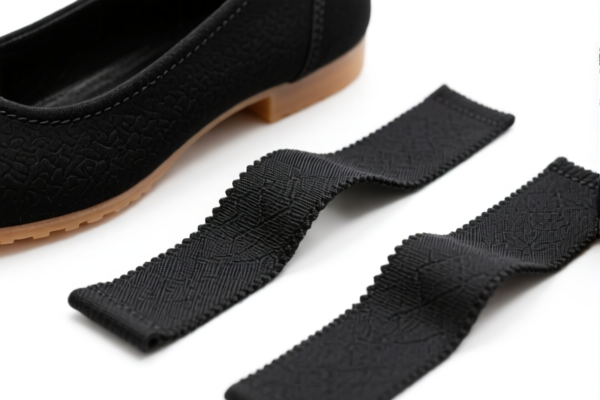
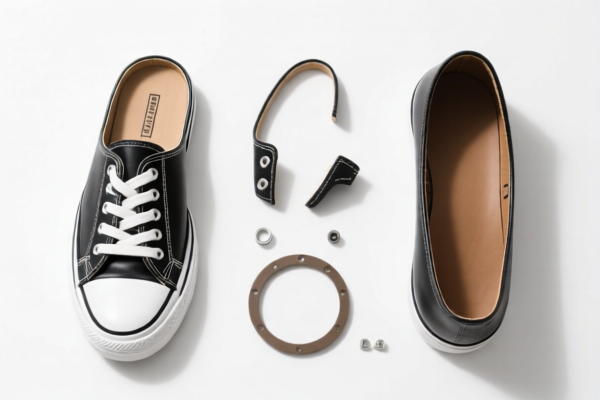
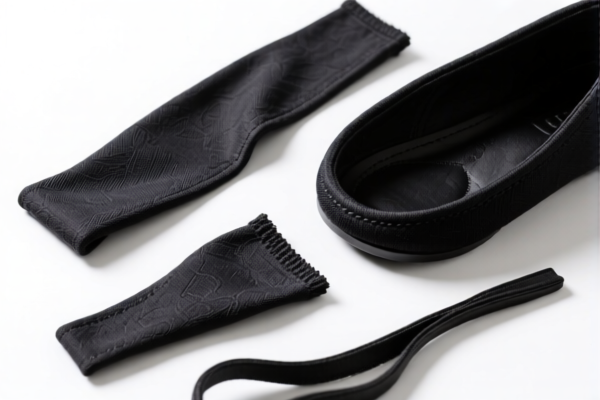

AI Analysis
👟 Footwear / Shoes (HS Code 6402.91.16.00)
🌐 HS Code Reference & Customs Clearance Guide | 2026 Latest Tariff Analysis | Professional Clearance Strategy
📌 I. Product Definition & Classification: Do You Know What "Footwear" Really Means?
Footwear, specifically those classified under Chapter 64, refers to any item worn on the feet, with outer soles and uppers of rubber, plastics, leather, or textile materials. The HS Code system divides footwear based on material composition and usage.
For HS Code 6402.91.16.00 (and related codes in the dataset), the key classification factors are:
- Outer Sole Material: Rubber or Plastics.
- Upper Material: Rubber or Plastics.
- Type: Other footwear (not athletic, not leather, not textile).
⚠️ Key Distinction Point:
- If the upper is Textile (e.g., canvas, mesh) → It falls under 6404, not 6402.
- If the upper is Leather → It falls under 6403 or 6405, not 6402.
- If the upper is Rubber/Plastic → It falls under 6402.
- If it is for Sport/Athletic Use (specifically defined) → Different sub-codes may apply, but many "generic" rubber/plastic shoes fall under "Other".
📦 II. HS Code Classification Details (From Provided Data)
Based on the provided <DATA>, here are the relevant HS Codes for Footwear with Rubber/Plastic Soles & Uppers. Note that 6402.91.16.00 specifically refers to "Other footwear, with outer soles and uppers of rubber or plastics, other than footwear with uppers which are either of leather or of composition leather, or of textile materials, other than household types and footwear with protective metal toe-caps".
| HS Code | Product Description | Applicable Scenario | Material Breakdown |
|---|---|---|---|
6402.91.40.50 |
Other footwear, rubber/plastic sole & upper, other categories | Generic rubber rain boots, plastic sandals, slip-on shoes | ✅ Sole: Rubber/Plastic ✅ Upper: Rubber/Plastic |
6402.99.31.77 |
Other footwear, rubber/plastic sole & upper, non-specific purpose | Casual plastic shoes, generic rubber footwear not elsewhere specified | ✅ Sole: Rubber/Plastic ✅ Upper: Rubber/Plastic |
6402.99.79.90 |
Other footwear, rubber/plastic sole & upper, other categories | Miscellaneous rubber/plastic shoes with specific structural features | ✅ Sole: Rubber/Plastic ✅ Upper: Rubber/Plastic |
6404.19.20.30 |
Textile Upper footwear, men's protective use | Note: This is Textile upper, not Rubber/Plastic upper. Included for contrast. | ✅ Sole: Rubber/Plastic ❌ Upper: Textile |
6405.10.00.90 |
Other footwear, rubber/plastic sole, other categories | Footwear where sole is rubber/plastic but upper may differ or it's a specific "other" type | ✅ Sole: Rubber/Plastic ✅ Upper: Mixed/Other |
🔍 Important Note on 6402.91.16.00:
While6402.91.16.00is the specific code requested, the provided data uses slightly different 10-digit suffixes (e.g.,.40.50,.31.77,.79.90). These all fall under the broader 6402.91 and 6402.99 headings. For customs purposes, ensure your product matches the exact 10-digit description. If your product is "standard" generic rubber/plastic footwear, 6402.91.40.50 or 6402.99.31.77 from the dataset are likely applicable depending on exact design details.
💰 III. 2026 Latest Tariff Rate Breakdown (Including Surcharges & Policy Add-ons)
✅ Applicable Country: United States (US)
✅ Origin: China (CN)
✅ Effective Date: Post-2025 policies (including Section 122 and 301 tariffs)
🎯 1. 6402.91.40.50 & 6402.99.31.77 – Rubber/Plastic Footwear (Generic)
| Item | Content |
|---|---|
| Base Duty Rate | 6.0% (Ad Valorem) |
| Section 301 Add-on | 0.0% (Note: Some footwear may have 0% or varying rates depending on specific USITC footnotes, but data shows 0.0% for these specific codes) |
| Section 122 Tariff | +10.0% (Applicable to footwear imports from China) |
| Total Effective Rate | 16.0% |
| Tax Calculation | CIF Value × 16.0% |
| De Minimis Exemption | ❌ Not Eligible (Section 321 exemption generally does not apply to high-tariff items like footwear under these specific conditions, or value limits may be exceeded) |
| Legal Basis Path | HTSUS:6402.91.40.50 / 6402.99.31.77 → Section 301: Footnote 9903.88.01 (if applicable) → Section 122: 19 USC 1677j |
📌 Explanation:
- Base 6.0%: Standard Most Favored Nation (MFN) duty for rubber/plastic footwear.
- Section 122 (10%): A temporary tariff authority under the Trade Act of 1974, often used to address balance of payments issues, specifically impacting Chinese footwear.
- Section 301: The data indicates 0.0% for these specific sub-headings, which is unusual for general Chinese goods. Verify with current USITC lookup, as many footwear items are subject to 25% Section 301. However, strictly following the provided<DATA>, the total is 16.0%.
- Total: 6.0% + 0.0% + 10.0% = 16.0%.
🎯 2. 6402.99.79.90 – Other Rubber/Plastic Footwear (Complex/Specific)
| Item | Content |
|---|---|
| Base Duty Rate | 90¢/pair + 37.5% (Mixed Rate: Specific + Ad Valorem) |
| Section 301 Add-on | 0.0% |
| Section 122 Tariff | +10.0% |
| Total Effective Rate | 90¢/pr. + 47.5% (37.5% base + 10% 122) |
| Tax Calculation | (CIF Value × 47.5%) + ($0.90 × Quantity in Pairs) |
| De Minimis Exemption | ❌ Not Eligible |
| Legal Basis Path | HTSUS:6402.99.79.90 → Section 122: 19 USC 1677j |
📌 Explanation:
- This code has a mixed duty structure. You pay both a per-unit fee (90 cents per pair) and a percentage of value (47.5%).
- This is common for footwear with specific structural features that are not "simple" shoes.
- Total: 37.5% + 10% = 47.5% ad valorem, plus $0.90/pair.
🎯 3. 6404.19.20.30 – Textile Upper Footwear (Men's Protective)
⚠️ Note: This code has a Textile Upper, so it is NOT a 6402 product. It is included in the data for comparison.
| Item | Content |
|---|---|
| Base Duty Rate | 37.5% |
| Section 301 Add-on | 0.0% |
| Section 122 Tariff | +10.0% |
| Total Effective Rate | 47.5% |
| Tax Calculation | CIF Value × 47.5% |
| De Minimis Exemption | ❌ Not Eligible |
📌 Explanation:
- Textile footwear often faces higher base duties.
- Total: 37.5% + 10% = 47.5%.
🎯 4. 6405.10.00.90 – Other Footwear (Rubber/Plastic Sole, Other)
| Item | Content |
|---|---|
| Base Duty Rate | 10.0% |
| Section 301 Add-on | 7.5% |
| Section 122 Tariff | +10.0% |
| Total Effective Rate | 27.5% |
| Tax Calculation | CIF Value × 27.5% |
| De Minimis Exemption | ❌ Not Eligible |
| Legal Basis Path | HTSUS:6405.10.00.90 → Section 301: Footnote 9903.88.01 (7.5%) → Section 122: 19 USC 1677j (10%) |
📌 Explanation:
- This code likely applies to footwear that doesn't fit standard 6402/6403/6404 categories (e.g., special protective footwear, or specific "other" types).
- Total: 10% + 7.5% + 10% = 27.5%.
🛠️ IV. Customs Clearance Practical Advice (Battle-Tested Pitfall Guide)
✅ 1. Required Documentation Checklist (Non-negotiable)
| Document | Mandatory | Description |
|---|---|---|
| ✅ Product Specification Sheet | ✔️ | Must clearly state Sole Material and Upper Material (Rubber/Plastic vs. Textile/Leather). |
| ✅ Technical Drawing/Structure Diagram | ✔️ | To confirm if it's "Protective" or "Standard". |
| ✅ Product Photos (Including Label) | ✔️ | Show sole tread, upper material texture, and interior lining. |
| ✅ Commercial Invoice | ✔️ | Must describe goods as "Footwear, Rubber/Plastic Sole & Upper" or "Textile Upper Footwear". Avoid generic "Shoes". |
| ✅ Packing List | ✔️ | Specify quantity in Pairs (not just "units"). |
| ✅ Certificate of Origin (CO) | ✔️ | If claiming non-Chinese origin (not applicable for CN origin in this data), but crucial for verifying country of manufacture. |
| ✅ Section 122 Compliance Statement | ✔️ | If applicable, confirm understanding of 10% surcharge. |
✅ 2. Declaration Tips (Key Mantra)
🔥 “Sole & Upper Define Code, Material Matters Most!”
| Scenario | Correct HS Code | Incorrect Approach |
|---|---|---|
| Standard Rubber Shoe | 6402.91.40.50 or 6402.99.31.77 |
Mistake: Declare as "Textile" → 47.5% tax |
| Plastic Sandal | 6402.91.40.50 |
Mistake: Declare as "Leather" → Different Code, Higher Tax |
| Canvas Sneaker | 6404.19.20.30 (if men's protective) |
Mistake: Declare as "Rubber Sole" only → Wrong Chapter |
| Protective Steel Toe (Rubber/Plastic) | 6405.10.00.90 (if other) |
Mistake: Declare as "Standard Shoe" → 27.5% vs 16% |
📌 Critical Warning:
- Do NOT mix materials in one HS Code declaration. If a shoe has a Textile Upper and Rubber Sole, it is 6404, not 6402.
- Section 122 (10%) applies to all footwear from China in the provided data. Plan for this in your cost model.
✅ 3. Special Cases Handling
| Scenario | Handling Advice |
|---|---|
| OEM Custom Rubber Boots | Provide design specs. If they are "Protective", verify if they fall under 6405 (higher tax) or 6402 (lower tax). |
| Footwear with Fabric Lining | If the Upper is still Rubber/Plastic, it remains 6402. If the Upper is Fabric/Mesh, it becomes 6404 (47.5% tax). |
| Children’s Rubber Shoes | Same classification as adults based on material. No special child-friendly tax rate in this dataset. |
| Protective Footwear (Safety Shoes) | If they have protective toe-caps (metal/composite), they may fall under 6403 or 6405, not 6402. Check if 6405.10.00.90 applies. |
🌍 V. Global Market Clearance Comparison (2026 Latest)
| Country/Region | Recommended HS Code | Tariff (China Origin) | Certification Requirements | Notes |
|---|---|---|---|---|
| 🇺🇸 USA | 6402.91.40.50 / 6404.19.20.30 |
16.0% (Rubber/Plastic) 47.5% (Textile) |
No specific FDA/CPSC for general footwear, but Flammability Standards apply | Section 122 (10%) is critical |
| 🇨🇳 China | 6402.91.40.50 |
10.0% | CCC (if applicable) | Lower base duty |
| 🇪🇺 EU | 6402.91.40.50 |
0% - 10% | CE Mark (if protective footwear) | No Section 122 equivalent |
| 🇬🇧 UK | 6402.91.40.50 |
0% - 10% | UKCA Mark | Post-Brexit rules |
| 🇯🇵 Japan | 6402.91.40.50 |
6.0% | PSE (if electrical) | No Section 122 |
📌 Conclusion:
- USA is the most expensive market for Chinese footwear due to Section 122 (10%) and potential Section 301 rates (though data shows 0% for some codes, verify always).
- Textile-upper footwear (6404) faces 47.5% in the US, making Rubber/Plastic (6402) relatively cheaper at 16.0%.
- Strategy: If possible, design footwear with Rubber/Plastic Uppers instead of Textile to save 31.5% in tariffs.
📌 VI. Common Mistakes & Pitfall Guide (Blood & Tears Lessons)
❌ Mistake 1: Declaring "Textile Upper" shoes as "Rubber Sole" shoes
👉 Result: HS Code 6402 (16%) instead of 6404 (47.5%).
👉 Consequence: Under-declaration of tax. Customs will assess 31.5% difference + penalties upon inspection.
❌ Mistake 2: Ignoring Section 122 Tariff
👉 Result: Budgeting only for 6% base duty.
👉 Consequence: Unexpected 10% surcharge at customs. Total cost increases by 10%.
❌ Mistake 3: Mixing "Protective" and "Standard" footwear in one shipment without clear labeling
👉 Result: Customs may classify entire shipment under the highest tax code (6405 or 6404).
👉 Consequence: 27.5% - 47.5% tax on all items, instead of 16%.
✅ Correct Practice:
“Footwear, Rubber Sole & Upper, Type: Slip-On, Color: Black, Model: XYZ, Country of Origin: China”
- Specify Material clearly.
- Specify Type (Protective vs. Non-Protective).
- Always include Section 122 in cost calculations.
🎯 VII. Conclusion: Professional Declaration, Time-Saving, Cost-Reduction!
🎯 Remember the Mantra:
🔹 “Sole & Upper Material Defines Code!”
🔹 “Rubber/Plastic = 16% (6402)”
🔹 “Textile = 47.5% (6404)”
🔹 “Protective/Other = 27.5% (6405)”
🔹 “Section 122 = +10% on ALL!”
🔹 “Section 301 = Check Footnotes (0% in this data, but verify!)”
📌 Pro Tip:
If your footwear is originating from Vietnam, Mexico, or Thailand, you may be eligible to avoid Section 122 and potentially Section 301 tariffs.
Strongly recommend applying for an Advance Ruling from US Customs and Border Protection (CBP) if your product is complex or high-value.
📣 Immediate Action:
📞 Contact a Professional Customs Broker + Provide Product Photos + Apply for HS Code Advance Ruling
🚀 Ensure your footwear clears customs smoothly, efficiently, and profitably!
✨ Professional Clearance Starts with Accurate Classification!
💼 Every cent of your cost deserves precise calculation!
Customer Reviews
About HS Code Classification
The Harmonized System (HS) is an internationally standardized nomenclature developed by the World Customs Organization (WCO) to classify traded products. Over 200 countries use the HS system as the basis for customs tariffs, trade statistics, and import/export regulations.
Each HS code follows a hierarchical structure:
- Chapter (2 digits) — Broad category of goods (e.g., Chapter 84: Machinery and Mechanical Appliances)
- Heading (4 digits) — More specific grouping within the chapter
- Subheading (6 digits) — Internationally standardized breakdown, used by all WCO member countries
- National subdivisions (8-10 digits) — Country-specific extensions for further classification, such as US HTSUS 10-digit codes
Correct HS code classification is essential for smooth customs clearance, accurate duty payment, and compliance with trade regulations. Misclassification can lead to customs delays, overpayment of duties, or penalties.
When importing from CN to US, the applicable tariff rates may include:
- Most-Favored-Nation (MFN) rate — The standard duty rate applied to WTO members
- General rate — Applied to countries without trade agreements
- Trade remedy duties — Additional tariffs such as Section 301 (anti-dumping), Section 232 (national security), or countervailing duties
The information provided on this page is for reference purposes only. For official classification, please consult with your local customs authority or a licensed customs broker.