Footwear (excluding baby shoes)
CN → US| HS Code | Tariff Rate | Origin | Destination | Doc |
|---|---|---|---|---|
| 6402994980 | 55.0% | CN | US | Official Doc |
| 6404206060 | 55.0% | CN | US | Official Doc |
| 6402993177 | 16.0% | CN | US | Official Doc |
| 6403997590 | 17.0% | CN | US | Official Doc |
| 6403999071 | 20.0% | CN | US | Official Doc |
Product Images

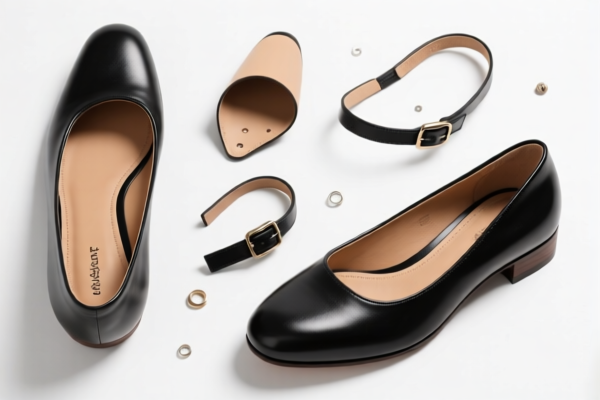
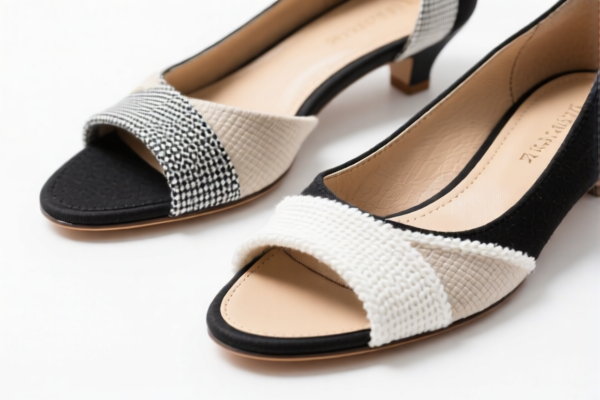
AI Analysis
📦 Footwear (Excluding Baby Shoes): Global Trade & Customs Classification Guide 2026
HS Code Deep Dive | Tax Breakdown (China Origin) | Smart Clearance Strategy
🌐 I. Product Definition: What Exactly Are "Footwear (Excluding Baby Shoes)"?
In international trade, "Footwear" is a broad category, but the exclusion of baby shoes (typically size < 24cm or age < 3 years) significantly changes the classification logic and tax burden.
- Core Definition: Footwear with uppers of rubber, plastic, leather, or textiles, with soles of the same or different materials, designed for adult/child use but not for infants.
- Key Classification Factors:
- Upper Material: Leather, Rubber, Plastic, Textile, etc.
- Sole Material: Rubber, Plastic, Leather.
- Specific Construction: Sports, Fashion, Industrial, or Casual.
⚠️ Critical Distinction:
- Baby Shoes (<3 yrs): Often fall under specific exemptions or lower tax brackets in some jurisdictions.
- Non-Baby Footwear: Subject to the general (and often higher) tariffs listed below, especially under Section 301 and Section 122 for Chinese origin goods.
📋 II. HS Code Classification Matrix (Based on Provided Data)
Note: The following codes are derived strictly from the provided dataset. All are classified under the "Footwear (excluding baby shoes)" logic.
| HS Code | Material/Type Description | Logic for Classification | Total Tax Rate (China Origin) | Tax Breakdown Detail |
|---|---|---|---|---|
| 6402.99.31.77 | Rubber/Plastic Outer Sole (Other) | Based on generic attributes; rubber/plastic material fits the "Other" fallback logic for non-leather uppers. | 16.0% | Base: 6.0% Section 301: 0.0% Section 122: 10.0% |
| 6404.20.60.60 | Textile/Synthetic Upper | Fits general footware morphology; falls under the "Other" catch-all for textile-based footwear. | 55.0% | Base: 37.5% Section 301: 7.5% Section 122: 10.0% |
| 6402.99.49.80 | Rubber/Plastic Sole (Mixed) | Name consistency implies rubber/plastic sole; fits the "Other" fallback logic for rubber/plastic footwear. | 55.0% | Base: 37.5% Section 301: 7.5% Section 122: 10.0% |
| 6403.99.90.71 | Leather Upper | Attribute match; leather material fits the "Other" fallback logic for leather footwear. | 20.0% | Base: 10.0% Section 301: 0.0% Section 122: 10.0% |
| 6403.99.75.90 | Leather/Synthetic Upper | Usage match; no material conflict; fits the "Other" category for leather or synthetic footwear. | 17.0% | Base: 7.0% Section 301: 0.0% Section 122: 10.0% |
💰 III. Tax Structure Analysis (2026 Scenario)
🔍 1. The "Section 122" Impact (The Consistent 10%)
- What is it? A 10% tariff imposed under specific US trade measures (often related to national security or supply chain vulnerabilities).
- Applicability: ALL 5 HS Codes listed above include this 10% surcharge.
- Strategy: This is non-negotiable. It is added on top of the base and Section 301 rates.
🔍 2. Section 301 (Section 301) Variations (The Wildcard)
- High Tax Group (55%): Codes 6404.20.60.60 and 6402.99.49.80.
- Cause: These fall into the "37.5% Base + 7.5% Section 301" bracket.
- Risk: Textile and complex rubber/plastic shoes often face the highest scrutiny.
- Low Tax Group (16-20%): Codes 6402.99.31.77, 6403.99.90.71, 6403.99.75.90.
- Cause: These have a 0% Section 301 rate.
- Opportunity: Leather-based shoes (6403 series) and specific rubber shoes (6402.99.31.77) enjoy significant tax savings compared to textiles.
📌 Formula:
Total Tax = Base Duty + Section 301 Duty + Section 122 (10%)
🛠️ IV. Professional Clearance & Customs Strategy
✅ 1. Documentation Checklist (Critical for "Footwear")
To avoid misclassification (which leads to the 55% tax rate vs. 16%), provide: * Material Composition Report: Must explicitly state % of Leather vs. Rubber vs. Textile for Upper and Sole. * Photos: Clear shots of the Upper (textured leather? woven fabric?) and Sole (smooth rubber? rugged plastic?). * Size Specification: Proof that the shoe is NOT a baby shoe (e.g., US Size > 3). * Factory Bill of Materials: Breakdown of every component.
✅ 2. Declaration Tips (The "Golden Rules")
🚀 Rule 1: Don't Guess the "Other" Category! * If the shoe is Textile (sneakers, canvas), it likely lands in 6404 (55% tax). * If the shoe is Leather, it likely lands in 6403 (17-20% tax). * If the shoe is Rubber/Plastic, check the specific subheading. 6402.99.31.77 is the "sweet spot" at 16%, while 6402.99.49.80 is 55%. Why? Material composition nuances!
🚀 Rule 2: The "Baby Shoe" Exclusion is Your Friend * Ensure your invoice explicitly states: "Footwear for Adult/Child (Excluding Baby Shoes)". * If a batch contains any baby shoes, the entire shipment might be re-evaluated, potentially changing the HS Code to a different, higher-tax bracket.
✅ 3. Scenario Analysis: How to Save Money
| Scenario | Recommended HS Code | Potential Tax | Strategy |
|---|---|---|---|
| Leather Boots | 6403.99.90.71 or 6403.99.75.90 |
17-20% | Highlight leather content. Avoid textile linings that trigger 6404. |
| Canvas Sneakers | 6404.20.60.60 |
55% | Hard to avoid unless shifting production to non-targeted countries. |
| Rain Boots (Rubber) | 6402.99.31.77 |
16% | BEST OPTION. Ensure soles are rubber/plastic but uppers fit the "Other" criteria. |
| Plastic Flip-Flops | 6402.99.49.80 |
55% | High risk! Try to reclassify as 6402.99.31.77 if materials allow. |
🌍 V. Global Comparison (Context)
- USA (Target Market): High tariff environment due to Section 301 and Section 122. Cost is 16% to 55% depending on material.
- China Export: The primary source for these HS codes. The "Base Tariff" is low (6-10%), but the Section 122 (10%) is the constant.
- Vietnam/Thailand: If you can source these same HS codes from Vietnam (with proper Rules of Origin), you might avoid the Section 122 and 301 surcharges, potentially lowering the rate from 55% to ~10-15%.
📢 VI. Final Verdict: Action Plan
- Material Audit: Before shipping, verify the Upper Material. Leather is your best friend for lowering taxes (Target: 17-20%). Textile is the enemy (Target: 55%).
- Sole Check: Rubber soles can go low (16%) or high (55%) depending on the specific sub-classification. Use 6402.99.31.77 if possible.
- Clearance Warning: The Section 122 (10%) is unavoidable for these codes from China. Factor this into your pricing immediately.
- Pre-Arrival Ruling: For high-volume textile shoes (
6404.20.60.60), consult a customs broker to see if any material mix can reclassify them to a lower bracket.
🎯 Pro Tip: "If it's not leather, and it's not the specific 16% rubber category, expect to pay 55%. Plan your supply chain accordingly!"
✨ Prepared by: Global Trade Compliance Unit Data based on 2026 Tax Provisions. Always verify with latest US Customs & Border Protection (CBP) rulings.
Customer Reviews
About HS Code Classification
The Harmonized System (HS) is an internationally standardized nomenclature developed by the World Customs Organization (WCO) to classify traded products. Over 200 countries use the HS system as the basis for customs tariffs, trade statistics, and import/export regulations.
Each HS code follows a hierarchical structure:
- Chapter (2 digits) — Broad category of goods (e.g., Chapter 84: Machinery and Mechanical Appliances)
- Heading (4 digits) — More specific grouping within the chapter
- Subheading (6 digits) — Internationally standardized breakdown, used by all WCO member countries
- National subdivisions (8-10 digits) — Country-specific extensions for further classification, such as US HTSUS 10-digit codes
Correct HS code classification is essential for smooth customs clearance, accurate duty payment, and compliance with trade regulations. Misclassification can lead to customs delays, overpayment of duties, or penalties.
When importing from CN to US, the applicable tariff rates may include:
- Most-Favored-Nation (MFN) rate — The standard duty rate applied to WTO members
- General rate — Applied to countries without trade agreements
- Trade remedy duties — Additional tariffs such as Section 301 (anti-dumping), Section 232 (national security), or countervailing duties
The information provided on this page is for reference purposes only. For official classification, please consult with your local customs authority or a licensed customs broker.