Four layer curtain fabric
CN → US| HS Code | Tariff Rate | Origin | Destination | Doc |
|---|---|---|---|---|
| 5801260020 | 35.0% | CN | US | Official Doc |
| 6001920040 | 52.2% | CN | US | Official Doc |
| 6001910020 | 53.5% | CN | US | Official Doc |
| 5801360020 | 27.3% | CN | US | Official Doc |
| 5806101000 | 42.8% | CN | US | Official Doc |
| 5806102800 | 43.4% | CN | US | Official Doc |
Product Images
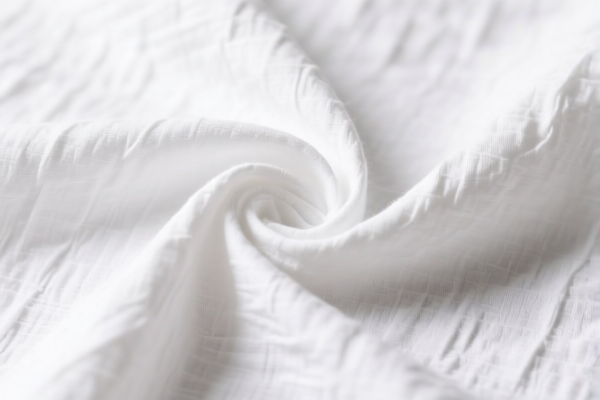
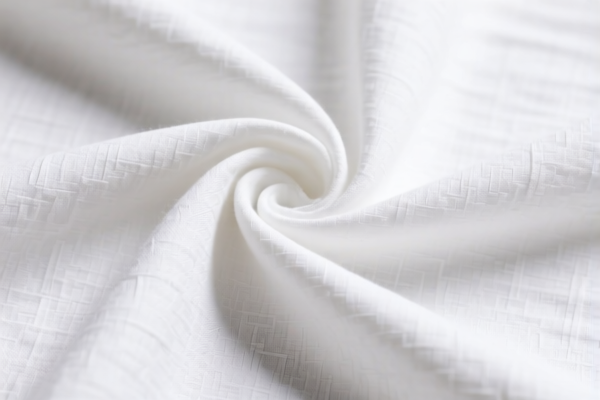
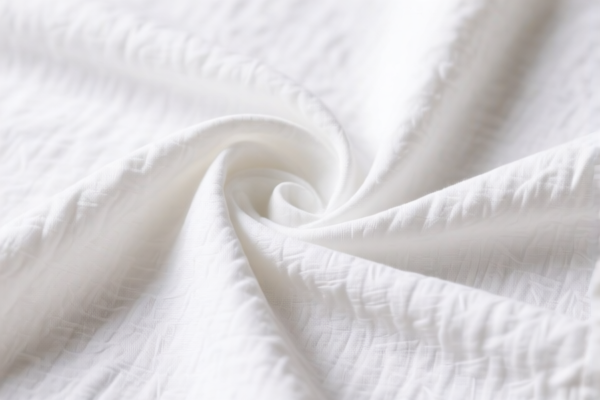
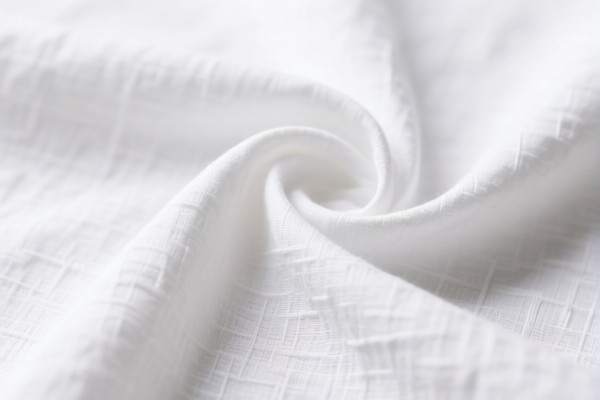
AI Analysis
🧵 Four-Layer Curtain Fabric (Textiles)
🌐 HS Code Reference & Customs Clearance Guide | 2026 Latest Tariff Analysis | Professional Strategy for Complex Textiles
📌 One, Product Definition & Classification: What is “Four-Layer Curtain Fabric”?
Four-layer curtain fabric is a specialized composite textile product, primarily used in home decor and interior design. It typically consists of multiple layers (e.g., a decorative face, a blackout layer, a thermal insulation layer, and a backing) laminated or woven together to enhance functionality (light blocking, noise reduction, thermal efficiency).
In international trade, this product falls under Chapter 58 (Special Woven Fabrics; Tufted Textiles; Lace; Tapestry; Trimmings; Netting) or Chapter 60 (Knitted or Crocheted Fabrics), depending on whether it is woven or knitted. Given the typical structure of high-end multi-layer curtains, they are predominantly woven fabrics (Chapter 58) or specialty tufted/laminated fabrics.
⚠️ Key Classification Point:
- If the fabric is woven and made of man-made fibers or cotton blends, it often falls under Chapter 58 (Special Woven Fabrics like chenille, terry, or other pile fabrics) or Chapter 60 (if knitted).
- The number of layers alone does not define the HS Code; the material composition (cotton vs. synthetic) and the technique (woven, knitted, tufted) are critical.
📦 Two, HS Code Classification Details (2026 Latest Tariff Authority Comparison)
Based on the provided , here are the six possible HS Code classifications for "Four-Layer Curtain Fabric," with detailed tax breakdowns for US imports from China.
| HS Code | Product Description & Summary | Material & Form | Total Tax Rate | Tax Detail Breakdown |
|---|---|---|---|---|
5801.26.00.20 |
Cotton/Blend Piled Woven Fabric Inferred material is cotton or mixed fibers, form is woven fabric, matches the fabric category, no material conflict. |
Cotton or Blend | 35.0% | Base: 0.0% Section 301: 25.0% Section 122: 10.0% |
6001.92.00.40 |
Synthetic Fiber Tufted Fabric Form matches "cloth"; material usually made of synthetic or natural fibers, fits the "other" category under cloth characteristics. |
Synthetic Fiber | 52.2% | Base: 17.2% Section 301: 25.0% Section 122: 10.0% |
6001.91.00.20 |
Natural Fiber Tufted Fabric Form is woven/tufted; inferred material is fiber/cotton, meets material requirements for "other," no obvious conflict. |
Natural Fiber/Cotton | 53.5% | Base: 18.5% Section 301: 25.0% Section 122: 10.0% |
5801.36.00.20 |
Synthetic Chenille/Pile Fabric Product is fabric, inferred as synthetic or natural fiber woven fabric, reasonable coverage for chenille fabrics (other). |
Synthetic/Chenille | 27.3% | Base: 9.8% Section 301: 7.5% Section 122: 10.0% |
5806.10.10.00 |
Woven Pile Fabric (Other) Form is fabric (woven category), inferred as woven fabric, consistent with woven pile/display fabric form, no material conflict. |
Mixed/Woven | 42.8% | Base: 7.8% Section 301: 25.0% Section 122: 10.0% |
5806.10.28.00 |
Man-Made Fiber Pile Fabric Form matches woven; inferred material is synthetic fiber or mixed fiber, no conflict with "man-made fiber other piled woven fabric." |
Man-Made Fiber | 43.4% | Base: 8.4% Section 301: 25.0% Section 122: 10.0% |
🔍 Key Insight:
- The lowest tariff (27.3%) applies to5801.36.00.20(Chenille/Pile fabric with lower base and Section 301 rates). - The highest tariff (53.5%) applies to6001.91.00.20(Tufted fabric with high base rate). - The choice of HS Code drastically impacts cost, ranging from 27.3% to 53.5%.
💰 Three, 2026 Latest Tariff Rate Details (Including Surcharge, Policy Additions)
✅ Applicable Country: United States (US)
✅ Country of Origin: China (CN)
✅ Effective Date: 2025/2026 (Current Trade Policies)
🎯 1. 5801.26.00.20 — Cotton/Blend Piled Woven Fabric (Best Value Option?)
| Item | Content |
|---|---|
| Base Tariff | 0.0% |
| Section 301 Tariff | +25.0% |
| Section 122 Tariff | +10.0% |
| Total Rate | 35.0% |
| Calculation | CIF Value × 35.0% |
| De Minimis Eligibility | ❌ No (High tariff goods excluded) |
📌 Explanation:
- This code assumes the fabric is cotton-based or a blend.
- Section 301 (25%) is the standard US tariff on Chinese textiles.
- Section 122 (10%) is an additional surcharge often applied to textile imports from China.
- Low Base Rate (0%) makes this significantly cheaper than synthetic options.
🎯 2. 6001.92.00.40 — Synthetic Fiber Tufted Fabric
| Item | Content |
|---|---|
| Base Tariff | 17.2% |
| Section 301 Tariff | +25.0% |
| Section 122 Tariff | +10.0% |
| Total Rate | 52.2% |
| Calculation | CIF Value × 52.2% |
| De Minimis Eligibility | ❌ No |
📌 Explanation:
- Synthetic fibers carry a higher base tariff (17.2%) compared to cotton.
- Combined with 301 and 122 surcharges, this is a high-cost classification.
- Suitable if the fabric is tufted and made entirely of synthetics (e.g., polyester).
🎯 3. 6001.91.00.20 — Natural Fiber Tufted Fabric
| Item | Content |
|---|---|
| Base Tariff | 18.5% |
| Section 301 Tariff | +25.0% |
| Section 122 Tariff | +10.0% |
| Total Rate | 53.5% |
| Calculation | CIF Value × 53.5% |
| De Minimis Eligibility | ❌ No |
📌 Explanation:
- The highest total rate in the dataset.
- High base rate (18.5%) due to the specific tufted natural fiber classification.
- Avoid this code unless the fabric is explicitly tufted natural fiber and no other option fits.
🎯 4. 5801.36.00.20 — Synthetic Chenille/Pile Fabric (Lowest Tariff)
| Item | Content |
|---|---|
| Base Tariff | 9.8% |
| Section 301 Tariff | +7.5% |
| Section 122 Tariff | +10.0% |
| Total Rate | 27.3% |
| Calculation | CIF Value × 27.3% |
| De Minimis Eligibility | ❌ No |
📌 Explanation:
- Most cost-effective option if the fabric qualifies as chenille or a specific pile fabric.
- Section 301 rate is reduced to 7.5% (instead of 25%) for this subcategory.
- Ideal if the four-layer fabric has a chenille texture or is woven as a special pile fabric.
🎯 5. 5806.10.10.00 — Woven Pile Fabric (Other)
| Item | Content |
|---|---|
| Base Tariff | 7.8% |
| Section 301 Tariff | +25.0% |
| Section 122 Tariff | +10.0% |
| Total Rate | 42.8% |
| Calculation | CIF Value × 42.8% |
| De Minimis Eligibility | ❌ No |
📌 Explanation:
- Moderate tariff.
- Fits generic woven pile fabrics that don’t fit specific chenille or tufted categories.
- High Section 301 rate (25%) drives the total up.
🎯 6. 5806.10.28.00 — Man-Made Fiber Pile Fabric
| Item | Content |
|---|---|
| Base Tariff | 8.4% |
| Section 301 Tariff | +25.0% |
| > Section 122 Tariff** | +10.0% |
| Total Rate | 43.4% |
| Calculation | CIF Value × 43.4% |
| De Minimis Eligibility | ❌ No |
📌 Explanation:
- Similar to the previous code but for man-made fibers.
- Slightly higher total rate due to the 25% Section 301 surcharge.
🛠️ Four, Customs Clearance Practical Advice (Battle-Tested Pitfall Guide)
✅ 1. Documentation Checklist (Mandatory)
| Document | Required | Description |
|---|---|---|
| ✅ Product Specification Sheet | ✔️ | Detail the 4 layers: e.g., Face (polyester), Blackout (PVC/foil), Thermal (fleece), Backing (cotton). |
| ✅ Material Composition Label | ✔️ | Clear percentage breakdown (e.g., 60% Poly, 40% Cotton). |
| ✅ Technical Diagram | ✔️ | Cross-section view showing layer bonding (laminated vs. woven). |
| ✅ Commercial Invoice | ✔️ | Must state "Four-Layer Woven Curtain Fabric" with HS Code. |
| ✅ Country of Origin Certificate | ✔️ | For Section 301/122 determination. |
| ✅ Third-Party Test Report | ✔️ | Flame retardancy, colorfastness, and material composition analysis. |
✅ 2. Declaration Tips (Key Mantra)
🔥 "Layering doesn't define HS, Material and Weave do!"
| Scenario | Correct Declaration | Wrong Practice |
|---|---|---|
| Fabric is Chenille or Special Pile | 5801.36.00.20 (27.3%) |
Declaring as generic "Curtain" → Higher rate |
| Fabric is Tufted | 6001.91.00.20 or 6001.92.00.40 |
Declaring as "Woven" → Misclassification |
| Fabric is Laminated (not woven/tufted) | May fall under 5903 (Textile coated with plastic/rubber) | Declaring under Chapter 58/60 → Rejection |
| Mixed Material | Declare ** predominant material** | Vague description "Mixed Fabric" → Audit Risk |
✅ 3. Special Cases & Strategies
| Situation | Handling Advice |
|---|---|
| Laminated vs. Woven | If the 4 layers are laminated (glued), it may be 5903 (Coated fabric). Check if it qualifies as "Special Woven" (5801/5806) or "Tufted" (6001). |
| Blackout Coating | If one layer is PVC-coated, it might be 5903. However, if it's a woven blackout fabric, it stays in 5801/6001. |
| Custom Composite | Provide a cross-section sample to Customs Broker for pre-classification. |
| Section 122 Exemption | Check if the fabric qualifies for any exclusions under Section 122 (rare for textiles, but verify). |
🌍 Five, Global Market Comparison (2026 Latest)
| Country/Region | Recommended HS Code | Tariff (China Origin) | Key Requirement | Notes |
|---|---|---|---|---|
| 🇺🇸 USA | 5801.36.00.20 |
27.3% (Best) | FCC/RoHS (if applicable) | Highest risk due to 301/122. |
| 🇨🇳 China | 5801.36.00.20 |
~5-10% | CCC (if textile) | No 301/122. |
| 🇪🇺 EU | 5801.36.00.20 |
0-12% | CE/REACH | No Section 301/122. |
| 🇬🇧 UK | 5801.36.00.20 |
0-12% | UKCA | Post-Brexit tariffs apply. |
| 🇨🇦 Canada | 5801.36.00.20 |
0-12% | NAFTA/USMCA (if applicable) | Lower tariffs than US. |
📌 Conclusion:
- USA is the most challenging market due to Section 301 (25%) and Section 122 (10%).
- EU/UK/Canada offer significantly lower tariffs if the fabric is classified under favorable codes.
- Strategic Tip: If targeting the US, try to classify under5801.36.00.20(Chenille/Pile) to save 26%+ in taxes compared to synthetic tufted options.
📌 Six, Common Errors & Pitfalls (Blood-Ledger Lessons)
❌ Error 1: Declaring "Four-Layer Curtain" as a Finished Product (e.g., Curtain Panels)
👉 Consequence: Finished curtains have different HS Codes (e.g., 6303.99.00.15) and potentially different tariffs.
✅ Fix: Declare as Raw Fabric if not cut/sewn.
❌ Error 2: Ignoring Section 122 surcharge
👉 Consequence: Underpaying 10% on every shipment.
✅ Fix: Ensure 10% is added to all calculations for China-origin textiles.
❌ Error 3: Misclassifying Laminated Fabric as Woven
👉 Consequence: Customs may reclassify to 5903 (Coated Fabric) with different duties.
✅ Fix: Clearly describe the lamination process and material layers.
❌ Error 4: Vague Material Description ("Mixed Fabric")
👉 Consequence: Customs assigns highest possible duty based on ambiguous data.
✅ Fix: Provide exact fiber percentages (e.g., 50% Polyester, 50% Cotton).
🎯 Seven, Conclusion: Professional Declaration, Cost Optimization!
🎯 Key Takeaway:
🔹 "Material Dictates HS, Weave Defines Category, Tariff Saves Millions."
🔹 "For 4-Layer Curtains, Aim for5801.36.00.20(27.3%) if possible."
🔹 "Avoid6001.91.00.20(53.5%) unless necessary."
📌 Pro Tip:
- If your fabric is not chenille or tufted, but a simple woven laminate, consult a broker for Chapter 59 (Coated/Impregnated Fabrics) which may have different rules.
- Pre-classification with US CBP is highly recommended for high-value textile shipments.
📣 Immediate Action:
📞 Contact a Customs Broker → Provide Layer Details → Request Pre-Ruling.
🚀 Optimize Your Tariff, Clear Customs Faster, Maximize Profit!
✨ Professional Customs Clearance Starts with Accurate Classification!
💼 Every Percent of Duty Matters!
Customer Reviews
About HS Code Classification
The Harmonized System (HS) is an internationally standardized nomenclature developed by the World Customs Organization (WCO) to classify traded products. Over 200 countries use the HS system as the basis for customs tariffs, trade statistics, and import/export regulations.
Each HS code follows a hierarchical structure:
- Chapter (2 digits) — Broad category of goods (e.g., Chapter 84: Machinery and Mechanical Appliances)
- Heading (4 digits) — More specific grouping within the chapter
- Subheading (6 digits) — Internationally standardized breakdown, used by all WCO member countries
- National subdivisions (8-10 digits) — Country-specific extensions for further classification, such as US HTSUS 10-digit codes
Correct HS code classification is essential for smooth customs clearance, accurate duty payment, and compliance with trade regulations. Misclassification can lead to customs delays, overpayment of duties, or penalties.
When importing from CN to US, the applicable tariff rates may include:
- Most-Favored-Nation (MFN) rate — The standard duty rate applied to WTO members
- General rate — Applied to countries without trade agreements
- Trade remedy duties — Additional tariffs such as Section 301 (anti-dumping), Section 232 (national security), or countervailing duties
The information provided on this page is for reference purposes only. For official classification, please consult with your local customs authority or a licensed customs broker.