Golf Gloves (Left Hand)
CN → US| HS Code | Tariff Rate | Origin | Destination | Doc |
|---|---|---|---|---|
| 4203212000 | 38.0% | CN | US | Official Doc |
| 6216000800 | 18.3% | CN | US | Official Doc |
| 6216004600 | 20.3% | CN | US | Official Doc |
| 4203214000 | 35.0% | CN | US | Official Doc |
| 6116930800 | 20.3% | CN | US | Official Doc |
Product Images
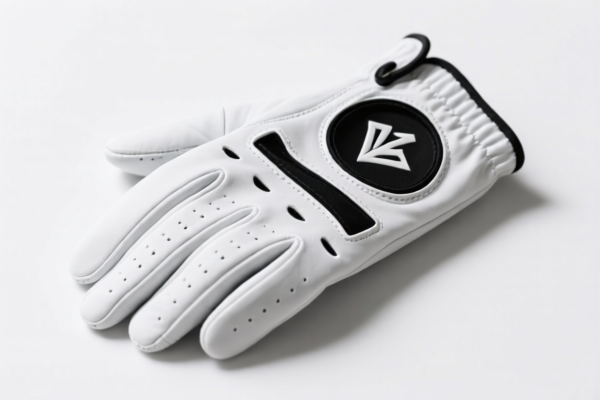
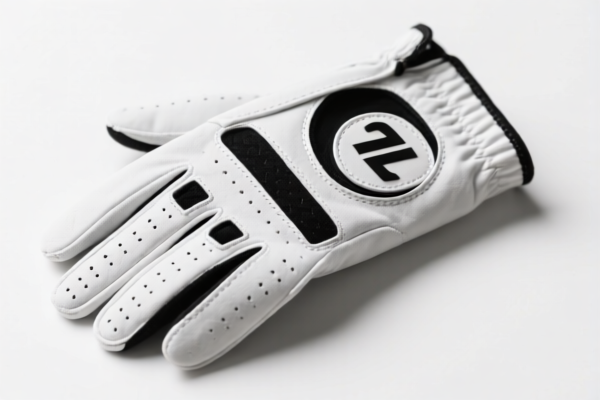

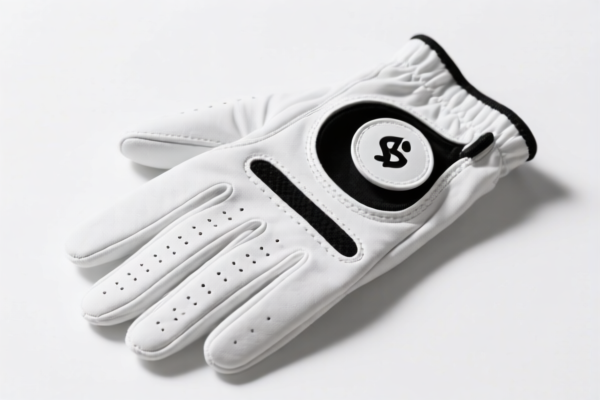
AI Analysis
🧤 Golf Gloves (Left Hand)
🌐 HS Code Reference & Customs Clearance Guide | 2024/2025 Latest Tariff Analysis | Professional Entry Strategy
📌 I. Product Definition & Classification: Do You Really Understand "Golf Gloves"?
Golf gloves are specialized protective gear designed to enhance grip and prevent blisters during play. In international trade, they are not treated as a single category but are strictly divided based on material composition. The "Left Hand" designation affects quantity/shipping but does not change the HS Code.
There are two primary material paths for Golf Gloves:
1. Leather or Synthetic Leather Gloves (Traditional): Made from sheepskin, goatskin, cabretta, or high-grade synthetic leather. These offer premium breathability and feel. 2. Coated or Fabric Gloves (Modern/Sport): Made from knitted synthetic fibers, rubber, plastic, or other materials (often for wet weather or training).
⚠️ Key Distinction Point:
- If the primary material is Leather or Synthetic Leather → Goes to Chapter 42 (Articles of Leather)
- If the material is Knitted Synthetic, Rubber, Plastic, or Fabric → Goes to Chapter 61/62 (Articles of Apparel/Clothing Accessories)
📦 II. HS Code Classification Details (Authoritative 2024/2025对照)
| HS Code | Product Description | Applicable Scenario | Material Type |
|---|---|---|---|
4203.21.20.00 |
Golf gloves of leather or composition leather | Premium golf gloves, Cabretta leather, Synthetic leather golf gloves | ✅ Leather / Synthetic Leather |
4203.21.40.00 |
Other gloves of leather or composition leather | Non-golf specific leather gloves, or generic leather sports gloves not explicitly named "golf" in some strict interpretations (less common for specific golf branding) | ✅ Leather / Synthetic Leather |
6216.00.08.00 |
Gloves impregnated, coated, covered or laminated with plastics or rubber | Waterproof gloves, plastic-coated sports gloves, heavy-duty work gloves | ✅ Plastic/Rubber Coating |
6216.00.46.00 |
Gloves of other textiles or leather-like materials | Textile-based sports gloves, non-knitted fabric gloves | ✅ Textile / Fabric |
6116.93.08.00 |
Other gloves, knitted or crocheted, of synthetic fibers | Knitted polyester/spandex golf gloves, breathable mesh gloves | ✅ Knitted Synthetic |
🔍 Critical Reminder:
- "Golf" is a use case, but HS Codes are material-driven.
- If your glove is 100% Leather, it MUST go to4203.21.
- If your glove is Knitted Polyester (common in modern performance gloves), it goes to6116.93or6216.
- Misclassifying a Leather Glove as a Textile Glove can lead to severe penalties because the duty rates differ significantly due to trade wars.
💰 III. 2024/2025 Latest Tariff Rate Breakdown (Including Surtaxes & Policy Add-ons)
✅ Applicable Country: United States (US)
✅ Country of Origin: China (CN)
✅ Effective Date: Current Trade War Tariffs Apply (Section 301 & IEEPA)
🎯 1. 4203.21.20.00 —— Golf Gloves of Leather or Composition Leather
| Item | Detail |
|---|---|
| Base Tariff Rate | 3.0% (ad valorem) |
| Section 301 Surtax | +25.0% (List 3/4a Goods) |
| IEEPA Surtax | +10.0% (Section 122/Emergency Powers) |
| Total Effective Rate | 38.0% |
| Tax Calculation | CIF Value × 38.0% |
| De Minimis Eligibility | ❌ No (High tariff goods are excluded) |
| Legal Basis Path | USITC:4203.21.20.00 → FOOTNOTE:9903.88.01 → IEEPA:9903.01.24 |
📌 Explanation:
- Leather gloves are considered "luxury/specialty items" but are heavily taxed under US-China trade tensions.
- The 38% total rate is extremely high. This makes shipping leather golf gloves from China to the US cost-prohibitive for low-margin products.
🎯 2. 4203.21.40.00 —— Other Gloves of Leather or Composition Leather
| Item | Detail |
|---|---|
| Base Tariff Rate | 0.0% |
| Section 301 Surtax | +25.0% |
| IEEPA Surtax | +10.0% |
| Total Effective Rate | 35.0% |
| Tax Calculation | CIF Value × 35.0% |
| De Minimis Eligibility | ❌ No |
| Legal Basis Path | USITC:4203.21.40.00 → FOOTNOTE:9903.88.01 → IEEPA:9903.01.24 |
📌 Note:
- Often used for generic leather gloves not explicitly classified as "Golf" in specific sub-headings, but if clearly marked "Golf",4203.21.20.00is more precise.
- Still carries a massive 35% burden.
🎯 3. 6216.00.08.00 —— Gloves Impregnated, Coated, Covered or Laminated with Plastics or Rubber
| Item | Detail |
|---|---|
| Base Tariff Rate | 0.8% |
| Section 301 Surtax | +7.5% |
| IEEPA Surtax | +10.0% |
| Total Effective Rate | 18.3% |
| Tax Calculation | CIF Value × 18.3% |
| De Minimis Eligibility | ❌ No (Likely excluded due to high combined rate) |
| Legal Basis Path | USITC:6216.00.08.00 → FOOTNOTE:9903.88.01 → IEEPA:9903.01.24 |
📌 Explanation:
- Suitable for waterproof golf gloves or gloves with a rubber grip coating.
- Significantly lower than leather gloves, but still subject to Section 301 and IEEPA.
🎯 4. 6216.00.46.00 —— Gloves of Other Textiles or Leather-Like Materials
| Item | Detail |
|---|---|
| Base Tariff Rate | 2.8% |
| Section 301 Surtax | +7.5% |
| IEEPA Surtax | +10.0% |
| Total Effective Rate | 20.3% |
| Tax Calculation | CIF Value × 20.3% |
| De Minimis Eligibility | ❌ No |
| Legal Basis Path | USITC:6216.00.46.00 → FOOTNOTE:9903.88.01 → IEEPA:9903.01.24 |
📌 Explanation:
- For textile-based gloves that are not knitted (woven fabrics).
- Moderate tax burden compared to leather.
🎯 5. 6116.93.08.00 —— Other Gloves, Knitted or Crocheted, of Synthetic Fibers
| Item | Detail |
|---|---|
| Base Tariff Rate | 2.8% |
| Section 301 Surtax | +7.5% |
| IEEPA Surtax | +10.0% |
| Total Effective Rate | 20.3% |
| Tax Calculation | CIF Value × 20.3% |
| De Minimis Eligibility | ❌ No |
| Legal Basis Path | USITC:6116.93.08.00 → FOOTNOTE:9903.88.01 → IEEPA:9903.01.24 |
📌 Explanation:
- Most common for modern performance golf gloves. If your glove is made of knitted polyester, spandex, or nylon mesh, this is the correct code.
- Recommendation: If you are designing new products, consider using knitted synthetic materials to achieve a ~17.7% lower tax rate compared to leather (20.3%vs38.0%).
🛠️ IV. Customs Clearance Practical Advice (Real-World Pitfall Avoidance)
✅ 1. Material Declaration is Key (Must Provide)
| Document | Required | Explanation |
|---|---|---|
| ✅ Material Composition Label | ✔️ | Must clearly state "100% Sheepskin" or "95% Polyester, 5% Spandex". Ambiguity leads to reclassification. |
| ✅ Product Photos (Front/Back/Palm) | ✔️ | Customs officers will look at texture. Leather has grain; synthetic is often smooth or mesh. |
| ✅ Invoice Description | ✔️ | Do NOT just write "Golf Glove". Write "Golf Glove, Left Hand, Knitted Synthetic Fiber". |
| ✅ Third-Party Test Report | ✔️ | Optional but helpful for disputed materials (e.g., "Synthetic Leather" vs "Real Leather"). |
✅ 2. Declaration Tips (Key Mnemonic)
🔥 “Material First, Usage Second; Leather High Tax, Synthetic Low.”
| Situation | Correct Declaration | Wrong Practice | Consequence |
|---|---|---|---|
| Leather Golf Glove | 4203.21.20.00 (38%) |
Declared as 6116.93 (20.3%) |
❌ Audit Risk: Customs may downgrade/up-grade based on material inspection. If they find it's leather, you pay the difference + penalty. |
| Knitted Synthetic Glove | 6116.93.08.00 (20.3%) |
Declared as 4203.21 (38%) |
❌ Overpayment: You paid extra tax unnecessarily. |
| Waterproof/Rubber-Coated | 6216.00.08.00 (18.3%) |
Declared as standard textile | ❌ Risk: If it has a plastic coating, it’s 6216.00.08, not a general glove. |
| Left Hand Only | Specify "Left Hand" | Not specified | ⚠️ Logistics Issue: May cause warehouse confusion, but does not change HS Code. |
✅ 3. Special Case Handling
| Situation | Handling Advice |
|---|---|
| "Synthetic Leather" Claim | Be careful. If it’s PU (Polyurethane) coating on fabric, it’s Textile (6216 or 6116). If it’s genuine leather-like material in Chapter 42, it’s Leather (4203). Define clearly. |
| Set of Gloves (Left + Right) | Declare both. The HS Code is the same for L and R hands. Group them as "Set of Golf Gloves". |
| Custom Logo/Branding | Branding does not affect HS Code. It only adds value to the CIF price. |
| Samples vs. Commercial | Both are subject to the same tariffs. Do not claim "Sample" to avoid tax; US Customs scrutinizes low-value samples under de minimis if they are high-tariff goods. |
🌍 V. Global Market Comparison (2024/2025 Latest)
| Country/Region | Recommended HS Code | Tariff Rate (China Origin) | Certification | Notes |
|---|---|---|---|---|
| 🇺🇸 USA | 4203.21.20.00 (Leather) |
38.0% | No specific cert | High tariff due to Trade War. |
| 🇨🇳 China | 4203.21.20.00 |
3% - 5% | None | Low import tax. |
| 🇪🇺 EU | 4203.21.20.00 |
12% | REACH (Chemicals) | Moderate tax. |
| 🇬🇧 UK | 4203.21.20.00 |
12% | UKCA | Post-Brexit alignment with EU. |
| 🇯🇵 Japan | 4203.21.20.00 |
16% | JIS | High tax, no trade war surtax. |
📌 Conclusion:
- The USA is the most expensive market for Chinese-made golf gloves due to the Section 301 (25%) + IEEPA (10%) surtaxes.
- Leather gloves face the highest barrier (38%).
- Knitted Synthetic gloves are more competitive in the US market (20.3%).
📌 VI. Common Mistakes & Pitfalls (Blood-Learned Lessons)
❌ Mistake 1: Assuming "Golf Glove" automatically goes to a specific code without checking material.
👉 Result: Misclassification audit. If you declare 6116 but send Leather, Customs charges the difference + fines.
❌ Mistake 2: Ignoring "Synthetic Leather" ambiguity.
👉 Result: Dispute over whether it’s Chapter 42 (Leather) or Chapter 61/62 (Textile). Define material precisely in the invoice.
❌ Mistake 3: Splitting Left and Right gloves into different HS Codes.
👉 Result: Unnecessary complexity. Both are the same HS Code.
❌ Mistake 4: Trying to use De Minimis (Section 321) for high-tariff gloves.
👉 Result: Denied. High-tariff goods (especially those with Section 301) are often excluded from de minimis relief or face stricter scrutiny.
✅ Correct Action:
"Golf Gloves, Left Hand, Knitted Synthetic Fiber (Polyester/Spandex), Breathable Palm, Model XYZ"
→ Use6116.93.08.00→ 20.3% Total Tax.
🎯 VII. Conclusion: Professional Declaration, Cost Optimization!
🎯 Remember the Mnemonic:
🔹 "Leather 38%, Synthetic 20%; Material Dictates Code!"
🔹 "Left/Right Hand doesn't change Tax; Composition Changes Everything!"
📌 Pro Tip:
If you are exporting to the US, strongly consider switching to knitted synthetic materials for golf gloves to save ~17.7% in duties compared to leather.
For leather gloves, ensure your FOB price absorbs the 38% tariff or negotiate DDP pricing carefully.
📣 Immediate Action:
📞 Confirm material composition with your factory.
🚀 Use the correct HS Code to avoid customs holds.
💼 Precision in classification saves thousands in duty costs!
✨ Professional Clearance, Starting from Accurate Classification!
💼 Every Cent of Duty is Worth Calculating Precisely!
Customer Reviews
About HS Code Classification
The Harmonized System (HS) is an internationally standardized nomenclature developed by the World Customs Organization (WCO) to classify traded products. Over 200 countries use the HS system as the basis for customs tariffs, trade statistics, and import/export regulations.
Each HS code follows a hierarchical structure:
- Chapter (2 digits) — Broad category of goods (e.g., Chapter 84: Machinery and Mechanical Appliances)
- Heading (4 digits) — More specific grouping within the chapter
- Subheading (6 digits) — Internationally standardized breakdown, used by all WCO member countries
- National subdivisions (8-10 digits) — Country-specific extensions for further classification, such as US HTSUS 10-digit codes
Correct HS code classification is essential for smooth customs clearance, accurate duty payment, and compliance with trade regulations. Misclassification can lead to customs delays, overpayment of duties, or penalties.
When importing from CN to US, the applicable tariff rates may include:
- Most-Favored-Nation (MFN) rate — The standard duty rate applied to WTO members
- General rate — Applied to countries without trade agreements
- Trade remedy duties — Additional tariffs such as Section 301 (anti-dumping), Section 232 (national security), or countervailing duties
The information provided on this page is for reference purposes only. For official classification, please consult with your local customs authority or a licensed customs broker.