Golf Gloves (Right Hand)
CN → US| HS Code | Tariff Rate | Origin | Destination | Doc |
|---|---|---|---|---|
| 4203212000 | 38.0% | CN | US | Official Doc |
| 6216000800 | 18.3% | CN | US | Official Doc |
| 6216004600 | 20.3% | CN | US | Official Doc |
| 4203214000 | 35.0% | CN | US | Official Doc |
| 6116930800 | 20.3% | CN | US | Official Doc |
Product Images
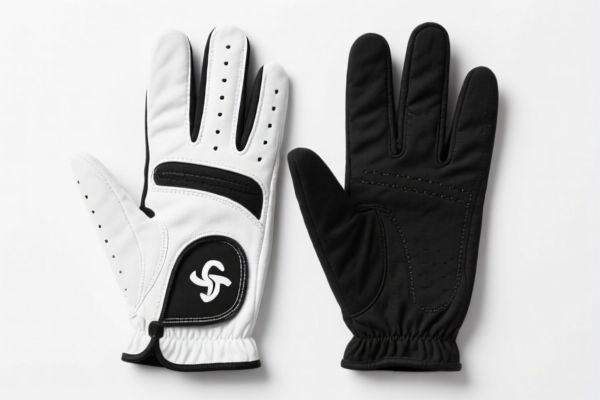
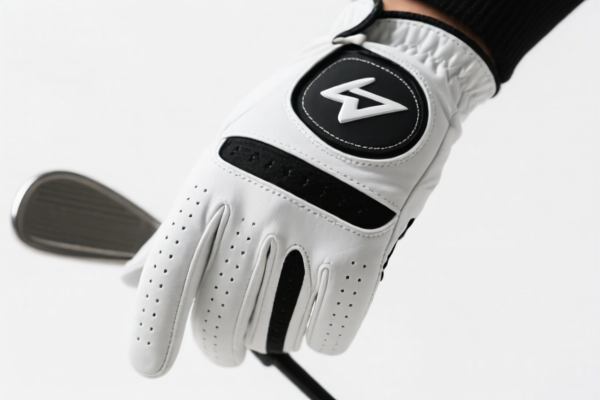
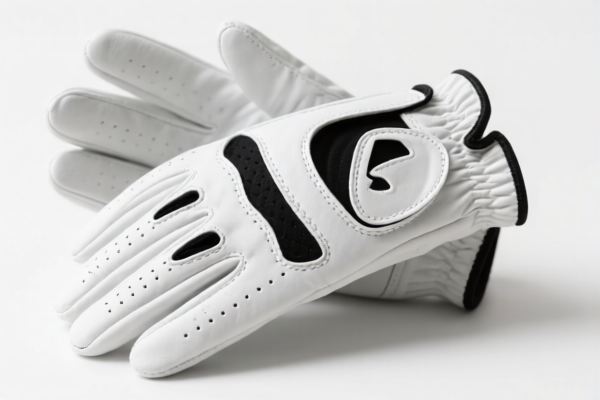
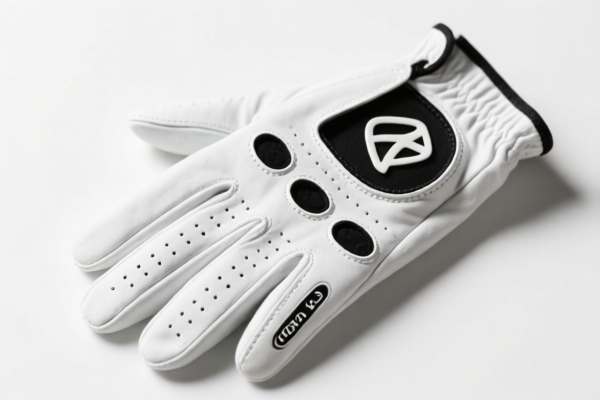
AI Analysis
🏌️ Golf Gloves (Right Hand)
🌐 HS Code Reference & Customs Clearance Guide | 2026 Latest Tariff Analysis | Professional Strategy
📌 I. Product Definition & Classification: Do You Really Understand "Golf Gloves"?
Golf gloves are essential protective equipment for golfers, designed to enhance grip, prevent blisters, and improve swing control. In international trade, classification depends heavily on material composition and manufacturing method. Since the input "Golf Gloves (Right Hand)" does not specify material, we must infer based on common market standards and match them against the provided HS Code data.
⚠️ Key Distinction Point:
- If made of Leather or Synthetic Leather (Traditional/High-end) → Classified under Chapter 42
- If made of Plastic/Rubber Coated Fabric or Man-made Fibers/Knitted (Performance/Tech) → Classified under Chapter 61 or 62
📦 II. HS Code Classification Details (Based on Provided Data)
| HS Code | Product Description | Inferred Material | Total Tax Rate |
|---|---|---|---|
4203.21.20.00 |
Gloves, of leather or composition leather | Leather or Synthetic Leather | 38.0% |
6216.00.08.00 |
Gloves, impregnated, coated, covered with plastic/rubber | Fabric coated with plastic/rubber | 18.3% |
6216.00.46.00 |
Gloves, of artificial fibers or leather-like | Artificial Fibers / Non-knitted | 20.3% |
4203.21.40.00 |
Gloves, of leather or composition leather | Leather or Synthetic Leather | 35.0% |
6116.93.08.00 |
Knitted gloves, for sports, synthetic fibers | Knitted Synthetic Fibers | 20.3% |
🔍 重点提醒 (Key Reminder):
- Leather/Synthetic Leather Gloves attract higher tariffs due to Chapter 42 duties + Section 301 tariffs.
- Coated Fabric or Knitted Gloves generally have lower base duties, resulting in a lower overall tax burden.
- "Right Hand Only" does not change the HS Code; gloves are classified by material and type, not handedness.
💰 III. 2026 Latest Tariff Rate Breakdown (Including Additional Taxes)
✅ Applicable Country: United States (US)
✅ Country of Origin: China (CN)
✅ Effective Date: Post-November 2025 (Current Policy)
🎯 1. 4203.21.20.00 & 4203.21.40.00 — Leather/Synthetic Leather Gloves
| Item | Content |
|---|---|
| Base Duty | 0.0% - 3.0% (Ad Valorem) |
| Section 301 Tariff | +25.0% |
| Section 122 Tariff | +10.0% |
| Total Tax Rate | 35.0% - 38.0% |
| Calculation | CIF Value × Total Rate |
| De Minimis Exemption | ❌ NOT Eligible |
| Legal Basis | Section 301: Footnote 9903.88.01 → Section 122: IEEPA |
📌 Explanation:
- Section 301 (25%): Applied to goods from China under Trade Act Section 301.
- Section 122 (10%): Additional duty on certain steel/aluminum or related goods (applied here as per data).
- High Cost Alert: Leather golf gloves face the highest tax burden in this list.
🎯 2. 6116.93.08.00 — Knitted Synthetic Fiber Sports Gloves
| Item | Content |
|---|---|
| Base Duty | 2.8% |
| Section 301 Tariff | +7.5% |
| Section 122 Tariff | +10.0% |
| Total Tax Rate | 20.3% |
| Calculation | CIF Value × 20.3% |
| De Minimis Exemption | ❌ NOT Eligible |
| Legal Basis | Section 301 + Section 122 |
📌 Note:
- Knitted gloves (often used for cooler weather or specific grip technology) fall under Chapter 61.
- The Section 301 rate is significantly lower (7.5%) compared to leather goods (25%).
🎯 3. 6216.00.08.00 — Coated/Impregnated Gloves
| Item | Content |
|---|---|
| Base Duty | 0.8% |
| Section 301 Tariff | +7.5% |
| Section 122 Tariff | +10.0% |
| Total Tax Rate | 18.3% |
| Calculation | CIF Value × 18.3% |
| De Minimis Exemption | ❌ NOT Eligible |
| Legal Basis | Section 301 + Section 122 |
📌 Optimization Tip:
- If the glove is made of fabric with a plastic/rubber coating (common for budget or high-wear gloves), this code offers the lowest total tax rate (18.3%).
🎯 4. 6216.00.46.00 — Artificial Fiber Gloves (Non-Knitted)
| Item | Content |
|---|---|
| Base Duty | 2.8% |
| Section 301 Tariff | +7.5% |
| Section 122 Tariff | +10.0% |
| Total Tax Rate | 20.3% |
| Calculation | CIF Value × 20.3% |
📌 Comparison:
- Similar tax rate to knitted gloves (6116.93.08.00), but classified under Chapter 62 (Non-knitted).
- Ensure the material is not knitted to avoid misclassification.
🛠️ IV. Customs Clearance Practical Advice
✅ 1. Documentation Checklist (Must-Haves)
| Document | Required | Description |
|---|---|---|
| Product Specification Sheet | ✔️ | Must detail material composition (e.g., "100% Sheepskin" vs. "Knitted Polyester with Silicone Palm"). |
| Material Test Report | ✔️ | Third-party lab report confirming fiber content (crucial for distinguishing Ch. 61 vs. Ch. 42). |
| Commercial Invoice | ✔️ | Must clearly state "Golf Gloves, Right Hand" and material type. |
| Packing List | ✔️ | Item count per box; ensure no mix of materials in one shipment if possible. |
| Origin Certificate (CO) | ✔️ | Proof of Chinese origin to apply correct Section 301 duties. |
✅ 2. Classification Strategy (Key Mnemonic)
🔥 “Material Defines Duty: Leather High, Coated Low!”
| Scenario | Recommended HS Code | Tax Rate | Why? |
|---|---|---|---|
| Premium Leather Glove | 4203.21.20.00 |
38.0% | High base duty + 25% Sec 301. |
| Synthetic Leather Glove | 4203.21.40.00 |
35.0% | Lower base duty, but still high Sec 301. |
| Knitted Sport Glove | 6116.93.08.00 |
20.3% | Lower Sec 301 (7.5%) applies. |
| Coated Fabric Glove | 6216.00.08.00 |
18.3% | Lowest Rate! Low base + low Sec 301. |
| Artificial Fiber Glove | 6216.00.46.00 |
20.3% | Competitive rate, similar to knitted. |
✅ 3. Common Pitfalls & Solutions
❌ Pitfall 1: Misclassifying Knitted Gloves as Leather
👉 Result: Overpaying 25% extra duty.
✅ Solution: Provide fiber analysis reports. If it’s knit, it’s Chapter 61.
❌ Pitfall 2: Ignoring "Coated" Details
👉 Result: Customs may reclassify coated fabric gloves as leather-like (6216.00.46.00 or higher).
✅ Solution: Clearly declare "Impregnated with Silicone/Plastic" on the invoice to justify 6216.00.08.00 (18.3%).
❌ Pitfall 3: Splitting Right/Left Gloves in Declaration
👉 Result: Unnecessary complexity.
✅ Solution: Declare as "Golf Gloves (Right Hand)"—handedness is irrelevant to HS Code.
🌍 V. Global Market Comparison (2026)
| Market | Recommended HS Code | Est. Tax Rate (China Origin) | Notes |
|---|---|---|---|
| 🇺🇸 USA | 6216.00.08.00 |
18.3% | Best for cost-efficiency. |
| 🇺🇸 USA | 4203.21.20.00 |
38.0% | High cost for leather. |
| 🇪🇺 EU | Various | Varies | No Section 301/122. Typically 4-6%. |
| 🇨🇳 China | Various | 0-5% | Low base duty, no additional tariffs. |
📌 Conclusion:
- US Market is Highly Sensitive to Material: Switching from Leather to Coated Fabric can save ~20% in tariffs.
- China Production: Heavily penalized by Section 301 & 122, especially for Chapter 42 goods.
📌 VI. Action Plan for Importers
- Audit Your Material: Is your glove Knitted, Coated, or Leather?
- Select Optimal HS Code:
- If Coated/Fabric → Use
6216.00.08.00(18.3%) - If Knitted → Use
6116.93.08.00(20.3%) - If Leather → Prepare for 35-38% tax.
- Document Everything: Ensure invoices and specs match the declared material precisely.
- Pre-Ruling Consideration: For large volumes, apply for an Advance Ruling from US CBP to confirm classification.
🎯 Final Tip:
💡 "Save 20%: Choose Coated Over Leather!"
In the US market, material choice directly impacts your bottom line. For high-volume golf gloves, consider coated fabric or knitted synthetic options to minimize the 25% Section 301 impact.
✨ Professional Clearance, Precise Classification.
💼 Every Percent Saved is Profit Gained.
Customer Reviews
About HS Code Classification
The Harmonized System (HS) is an internationally standardized nomenclature developed by the World Customs Organization (WCO) to classify traded products. Over 200 countries use the HS system as the basis for customs tariffs, trade statistics, and import/export regulations.
Each HS code follows a hierarchical structure:
- Chapter (2 digits) — Broad category of goods (e.g., Chapter 84: Machinery and Mechanical Appliances)
- Heading (4 digits) — More specific grouping within the chapter
- Subheading (6 digits) — Internationally standardized breakdown, used by all WCO member countries
- National subdivisions (8-10 digits) — Country-specific extensions for further classification, such as US HTSUS 10-digit codes
Correct HS code classification is essential for smooth customs clearance, accurate duty payment, and compliance with trade regulations. Misclassification can lead to customs delays, overpayment of duties, or penalties.
When importing from CN to US, the applicable tariff rates may include:
- Most-Favored-Nation (MFN) rate — The standard duty rate applied to WTO members
- General rate — Applied to countries without trade agreements
- Trade remedy duties — Additional tariffs such as Section 301 (anti-dumping), Section 232 (national security), or countervailing duties
The information provided on this page is for reference purposes only. For official classification, please consult with your local customs authority or a licensed customs broker.