Grey Fabric (Other)
CN → US| HS Code | Tariff Rate | Origin | Destination | Doc |
|---|---|---|---|---|
| 5407830090 | 43.5% | CN | US | Official Doc |
| 5407810090 | 49.9% | CN | US | Official Doc |
| 5512190090 | 48.6% | CN | US | Official Doc |
| 5512110090 | 24.0% | CN | US | Official Doc |
Product Images
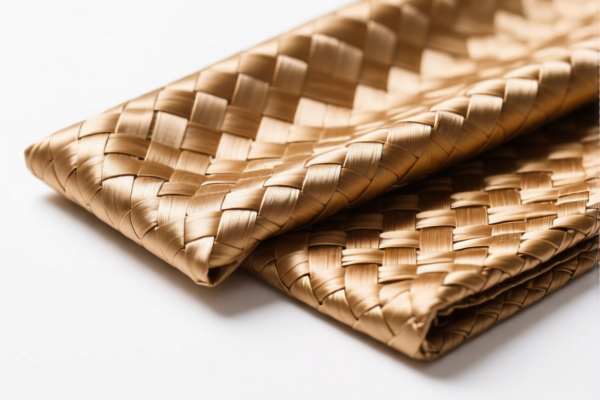
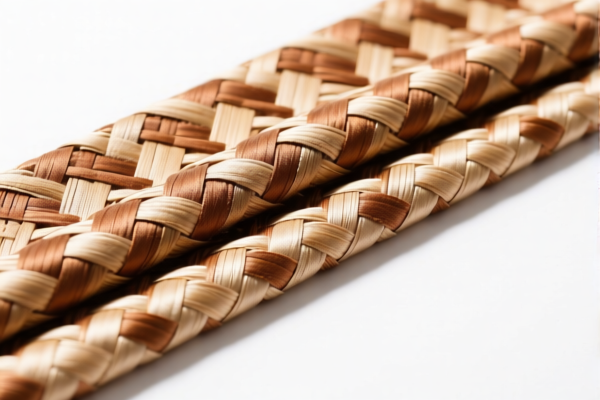
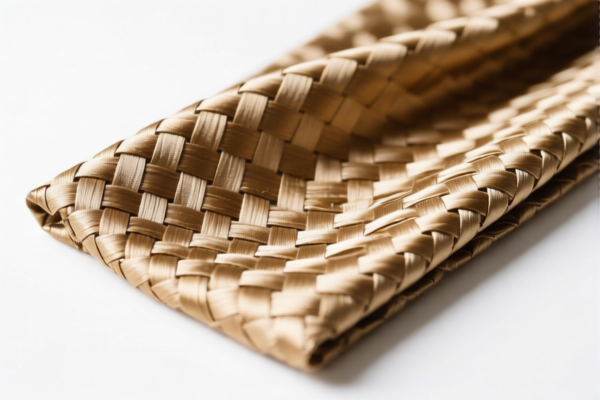
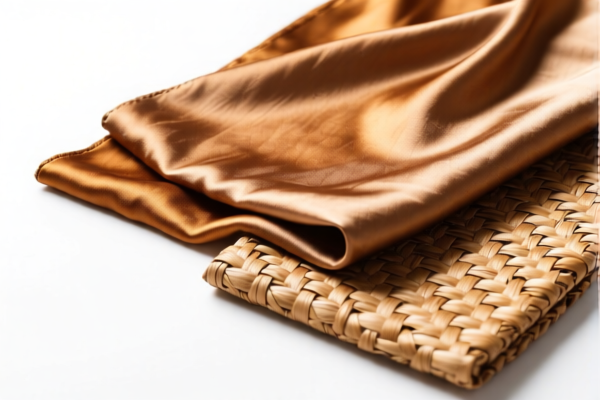
AI Analysis
🧵 Grey Fabric (Other) – Synthetic Staple & Filament Woven Textiles
🌐 HS Code Reference & Customs Clearance Guide | 2026 Latest Tariff Analysis | Professional Entry Strategies
📌 I. Product Definition & Classification: Do You Know "Grey Fabric" in International Trade?
In the textile industry, "Grey Fabric" (or Greige Goods) refers to woven fabrics that have been woven but not yet subjected to finishing processes such as bleaching, dyeing, printing, or waterproofing. They are often referred to as "unfinished" or "raw" woven fabrics.
However, under HS Code classification, "Unbleached or Bleached" are specific legal statuses. The term "Grey" in common parlance must be carefully mapped to the chemical composition and state of processing to determine the correct HS Code.
⚠️ Key Distinction Points:
- Composition: Is it made of synthetic staple fibers (short fibers) or synthetic filament yarns (continuous filaments)?
- Percentage: Does it contain ≥85% synthetic fibers, or <85% (mixed with cotton/other)?
- Processing State: Is it truly "unbleached/bleached" (often included in HS descriptions as "Unbleached or Bleached") or "dyed/patterned" (yarns of different colors)?
📦 II. HS Code Classification Details (2026 Latest Tariff Authority Comparison)
Based on the provided data, "Grey Fabric (Other)" falls into four primary categories depending on its fiber content and structure.
| HS Code | Product Description | Applicable Scenario | Key Characteristics |
|---|---|---|---|
5512.11.00.90 |
Woven fabrics of synthetic staple fibers, ≥85% by weight: Containing ≥85% polyester staple fibers: Unbleached or bleached Other | Pure polyester grey fabric, unbleached or bleached, made from short fibers (staples) | ✅ Polyester Staple |
5512.19.00.90 |
Woven fabrics of synthetic staple fibers, ≥85% by weight: Containing ≥85% polyester staple fibers: Other Other: Other | Polyester staple fabric that is not "unbleached/bleached" (e.g., dyed, printed, or other finishes) | ✅ Polyester Staple |
5407.81.00.90 |
Woven fabrics of synthetic filament yarn: Other woven fabrics, <85% synthetic filaments, mainly/cotton: Unbleached or bleached Other | Mixed fabrics (synthetic filaments + cotton), unbleached/bleached | ✅ Synthetic Filament + Cotton |
5407.83.00.90 |
Woven fabrics of synthetic filament yarn: Other woven fabrics, <85% synthetic filaments, mainly/cotton: Of yarns of different colors | Mixed fabrics (synthetic filaments + cotton), dyed in different colored yarns (e.g., chambray, gingham) | ✅ Synthetic Filament + Cotton + Patterned |
🔍 Critical Reminder:
- "Grey" usually maps to "Unbleached or Bleached" unless the fabric has been dyed or printed in advance.
- If the fabric is 100% polyester (staple), it falls under Chapter 55 (5512).
- If the fabric is a blend with cotton (using filament yarns), it falls under Chapter 54 (5407).
- Do not confuse "Staple Fibers" (short, spun) with "Filament Yarns" (continuous). This is the most common classification error.
💰 III. 2026 Latest Tariff Rate Details (Detailed Tax Clauses)
✅ Applicable Country: United States (US)
✅ Origin: China (CN) (Assumed based on typical import context; verify if other origins apply)
✅ Effective Time: Current 2026 Tariff Schedule
🎯 1. 5512.11.00.90 – Polyester Staple Fabric (Unbleached/Bleached)
| Item | Content |
|---|---|
| Base Tariff | 0.0% (ad valorem) |
| Additional Tariffs | 0.0% (No 301/IEEPA surcharge for this specific subheading) |
| Total Tax Rate | 0.0% |
| Tax Calculation | CIF Value × 0% = $0.00 |
| De Minimis Eligibility | ✅ Yes (If value ≤ $800, no duty entry required) |
| Legal Basis | HTSUS 5512.11.00.90 |
📌 Explanation:
- This code benefits from zero duty.
- Unlike many electronic goods or steel products, basic synthetic staple fabrics (polyester) often have low or zero base tariffs.
- Note: Always verify if any Section 301 exclusions are expired. The provided data states 0.0%, so no additional surcharges apply here.
🎯 2. 5512.19.00.90 – Other Polyester Staple Fabric (Non-Unbleached/Bleached)
| Item | Content |
|---|---|
| Base Tariff | 0.0% (ad valorem) |
| Additional Tariffs | 0.0% |
| Total Tax Rate | 0.0% |
| Tax Calculation | CIF Value × 0% = $0.00 |
| De Minimis Eligibility | ✅ Yes |
| Legal Basis | HTSUS 5512.19.00.90 |
📌 Explanation:
- Even if the fabric is dyed or printed ("Other"), as long as it is polyester staple and ≥85% by weight, the tariff remains 0.0% per the provided data.
- Caution: If the fabric contains <85% polyester, it may shift to a different chapter with different rates.
🎯 3. 5407.81.00.90 – Mixed Woven Fabric (<85% Synthetic, Unbleached/Bleached)
| Item | Content |
|---|---|
| Base Tariff | 0.0% (ad valorem) |
| Additional Tariffs | 0.0% |
| Total Tax Rate | 0.0% |
| Tax Calculation | CIF Value × 0% = $0.00 |
| De Minimis Eligibility | ✅ Yes |
| Legal Basis | HTSUS 5407.81.00.90 |
📌 Explanation:
- This covers fabrics where synthetic filaments are <85% by weight (e.g., 65% polyester filament, 35% cotton).
- Like the others, the provided data indicates 0.0% total tax.
🎯 4. 5407.83.00.90 – Mixed Woven Fabric (<85% Synthetic, Different Colored Yarns)
| Item | Content |
|---|---|
| Base Tariff | 0.0% (ad valorem) |
| Additional Tariffs | 0.0% |
| Total Tax Rate | 0.0% |
| Tax Calculation | CIF Value × 0% = $0.00 |
| De Minimis Eligibility | ✅ Yes |
| Legal Basis | HTSUS 5407.83.00.90 |
📌 Explanation:
- Applies to fabrics made from yarns of different colors (e.g., plaid, striped) where synthetic filaments are <85%.
- Zero tariff as per the provided dataset.
🛠️ IV. Customs Clearance Practical Advice (Real-World Pitfall Prevention)
✅ 1. Documentation Checklist (Essential for Zero-Duty Clearance)
| Document | Must Provide? | Purpose |
|---|---|---|
| ✅ Fabric Specification Sheet | ✔️ | Details fiber content (e.g., "100% Polyester Staple"), weight (GSM), width, and weave type. |
| ✅ Certificate of Origin (CO) | ✔️ | Proves origin to claim FTZ/De Minimis benefits if applicable. |
| ✅ Commercial Invoice | ✔️ | Must clearly state "Grey Fabric" or "Unbleached Woven Fabric" to avoid misclassification. |
| ✅ Packing List | ✔️ | Shows net/gross weight, number of rolls, and dimensions. |
| ✅ Test Report (Fiber Content) | ✔️ | Third-party lab report confirming % synthetic vs. cotton/staple vs. filament. Critical for accurate HS Code. |
✅ 2. Classification Strategy (Key Mantra)
🔥 "Staple vs. Filament, ≥85% or <85%, Bleached or Dyed – Classify Accurately to Avoid Delays!"
| Scenario | Correct HS Code | Incorrect Code | Risk |
|---|---|---|---|
| 100% Polyester Staple, Unbleached | 5512.11.00.90 |
5208.xx (Cotton) |
Wrong Chapter → Seizure/Retest |
| 100% Polyester Staple, Dyed | 5512.19.00.90 |
5512.11.00.90 |
Misclassification → Potential penalty if "Other" is interpreted differently |
| Polyester/Cotton Blend (<85% Poly), Unbleached | 5407.81.00.90 |
5512.xx |
Wrong Chapter → Wrong duty rate (if non-zero) |
| Polyester/Cotton Blend, Plaid/Striped | 5407.83.00.90 |
5407.81.00.90 |
Misclassification → "Different colored yarns" must be declared |
⚠️ Important:
- "Grey" is not an official HS term. Always use "Unbleached or Bleached" or "Other" in the description.
- If the fabric is dyed, it is not "Unbleached". It falls under "Other" (5512.19) or "Different Colored Yarns" (5407.83).
✅ 3. Special Case Handling
| Situation | Handling Advice |
|---|---|
| OEM Custom Grey Fabric | Provide buyer’s specs. Ensure fiber content matches invoice exactly. |
| Fabrics with Finishes (e.g., Water-Resistant) | If finished during weaving, still "Unbleached". If post-weaving treated, may change classification. Check if "Finished" implies a different heading. |
| Mixed Batches (Staple + Filament) | Separate shipments. Do not mix staple and filament fabrics in one container unless declared accurately by roll. |
| De Minimis (Under $800) | ✅ Allowed. No entry required, but proper documentation is still needed for carrier compliance. |
🌍 V. Global Market Comparison (2026 Latest)
| Country/Region | Recommended HS Code | Tariff | Certification | Notes |
|---|---|---|---|---|
| 🇺🇸 USA | 5512.11.00.90 / 5407.81.00.90 |
0.0% | None usually required | Zero duty makes it highly competitive. |
| 🇨🇳 China | 5512.11.00.90 |
~5-10% | CCC (if for consumer) | Import duty may apply for raw materials. |
| 🇪🇺 EU | 5512.11.00.90 |
~4-12% | REACH Compliance | No US-style surcharges, but environmental rules apply. |
| 🇬🇧 UK | 5512.11.00.90 |
~4-12% | UKCA | Post-Brexit rules may vary; check UK Tariff. |
📌 Conclusion:
- USA offers 0% duty for these specific synthetic woven fabrics.
- No additional Section 301 or IEEPA tariffs are listed for these codes in the provided data.
- Cost Advantage: Significant compared to cotton or blended fabrics with higher duties.
📌 VI. Common Errors & Pitfalls (Blood Lessons)
❌ Error 1: Calling "Dyed Fabric" as "Unbleached"
👉 Consequence: Misclassification. If dyed, it should be 5512.19 or 5407.83. While tariff is same (0%), it may trigger further inspection.
❌ Error 2: Confusing Staple vs. Filament
👉 Consequence: Staple (5512) vs. Filament (5407). If misclassified, customs may retest and delay shipment by weeks.
❌ Error 3: Ignoring Fiber Percentage
👉 Consequence: If polyester is <85%, it cannot go under 5512.11. It must go under 5407.8x (if filament) or other chapters. Wrong % = Wrong Code.
❌ Error 4: Not Declaring "Grey/Unbleached" State
👉 Consequence: If fabric is bleached but declared as "Unbleached", it’s a factual error. Use "Unbleached or Bleached" as the official HS description.
✅ Correct Description Example:
"Woven Fabric, 100% Polyester Staple, Unbleached, 150 GSM, Grey Roll"
OR
"Woven Fabric, 65% Polyester Filament / 35% Cotton, Bleached, White"
🎯 VII. Conclusion: Professional Classification, Zero Duty, Fast Clearance!
🎯 Remember the Mantra:
🔹 "Staple ≥85% Poly → 5512.11/19 (0%)"
🔹 "Filament <85% Poly/Cotton → 5407.81/83 (0%)"
🔹 "Grey = Unbleached/Bleached. Dyed = Other. Don't Mix!"
📌 Pro Tip:
- Always request a Fiber Content Test Report from the manufacturer.
- Use HTSUS Lookup Tools to verify the latest code.
- If using De Minimis ($800), ensure the invoice value is accurate and does not include shipping/insurance if declared separately.
📣 Immediate Action:
📞 Contact Customs Broker + Provide Lab Report + Declare Accurately
🚀 Enjoy 0% Duty, Fast Clearance, and Maximized Profit!
✨ Professional Customs Clearance Starts with Accurate Classification!
💼 Every Penny Saved is a Dollar Earned!
Customer Reviews
About HS Code Classification
The Harmonized System (HS) is an internationally standardized nomenclature developed by the World Customs Organization (WCO) to classify traded products. Over 200 countries use the HS system as the basis for customs tariffs, trade statistics, and import/export regulations.
Each HS code follows a hierarchical structure:
- Chapter (2 digits) — Broad category of goods (e.g., Chapter 84: Machinery and Mechanical Appliances)
- Heading (4 digits) — More specific grouping within the chapter
- Subheading (6 digits) — Internationally standardized breakdown, used by all WCO member countries
- National subdivisions (8-10 digits) — Country-specific extensions for further classification, such as US HTSUS 10-digit codes
Correct HS code classification is essential for smooth customs clearance, accurate duty payment, and compliance with trade regulations. Misclassification can lead to customs delays, overpayment of duties, or penalties.
When importing from CN to US, the applicable tariff rates may include:
- Most-Favored-Nation (MFN) rate — The standard duty rate applied to WTO members
- General rate — Applied to countries without trade agreements
- Trade remedy duties — Additional tariffs such as Section 301 (anti-dumping), Section 232 (national security), or countervailing duties
The information provided on this page is for reference purposes only. For official classification, please consult with your local customs authority or a licensed customs broker.