Grinding Rod
CN → US| HS Code | Tariff Rate | Origin | Destination | Doc |
|---|---|---|---|---|
| 6804221000 | 0.0% | CN | US | Official Doc |
| 6804224000 | 35.0% | CN | US | Official Doc |
| 8205595560 | 40.3% | CN | US | Official Doc |
| 8205901000 | 35.0% | CN | US | Official Doc |
| 8466939840 | 39.7% | CN | US | Official Doc |
Product Images
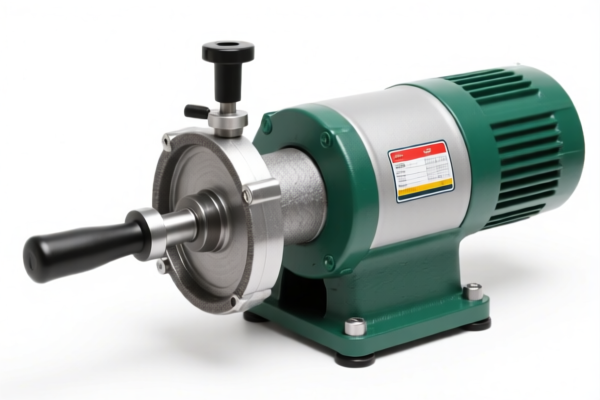
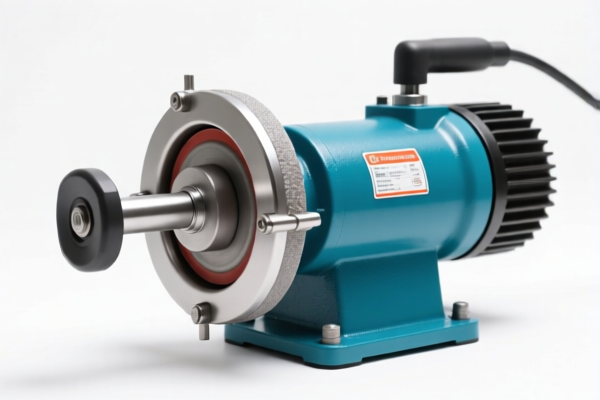
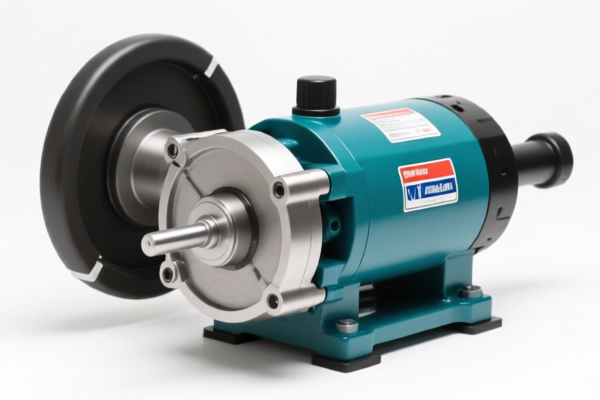

AI Analysis
⚙️ Grinding Rod (Abrasive Tools & Industrial Accessories)
🌐 HS Code Reference & Customs Clearance Guide | 2026 Latest Tariff Analysis | Professional Clearance Strategy
📌 I. Product Definition & Classification: Do You Really Understand "Grinding Rods"?
A "Grinding Rod" is a broad term in industrial trade, referring to cylindrical abrasive tools used for sharpening, polishing, grinding, or finishing surfaces. In international trade, their classification depends heavily on material composition, function, and whether they are standalone tools or machine accessories.
Abrasive Stones & Wheels (Ceramic/Resin-bound): Cylindrical tools made of abrasive grains bound by ceramic, resin, or rubber, used for manual or machine grinding.
Metal Hand Tools: Steel or iron-based implements used for manual sharpening or finishing.
Machine Accessories: Parts designed to be attached to machine tools (e.g., gear grinders) for specific machining processes.
⚠️ Key Distinction Points:
- If made of abrasive materials (ceramic, diamond, CBN) bound by resin/ceramic → Classify under Chapter 68 or Chapter 82 (depending on specific nature).
- If made of metal and used as a handheld tool → Classify under 8205 (Hand Tools).
- If designed specifically for machine tool operations (e.g., gear grinding) → Classify under 8466 (Machine Tool Accessories).
📦 II. HS Code Classification Details (2026 Latest Tariff Authority Comparison)
| HS Code | Product Description | Applicable Scenario | Material/Function Logic |
|---|---|---|---|
6804.22.10.00 |
Grinding stones/wheels, abrasive materials or ceramics, for hand use or similar | Manual sharpening sticks, cylindrical abrasive rollers | ✅ Abrasive/Ceramic |
6804.22.40.00 |
Other grinding stones/wheels, other bound abrasives or ceramics | Industrial polishing rods, specialized abrasive cylinders | ✅ Abrasive/Ceramic |
8205.59.55.60 |
Other hand tools, metal-made | Metal sharpening rods, steel grinding bars | ✅ Metal Hand Tool |
8205.90.10.00 |
Hand tools with frames, manual/foot-operated grinders | Hand-held grinding units with frames | ✅ Metal/Assembly |
8466.93.98.40 |
Parts/accessories for machine tools, for gear grinding/finishing | Cylindrical grinding attachments for CNC machines | ✅ Machine Accessory |
🔍 Key Reminder:
- Chapter 68 (Stone/Ceramic) applies to abrasive materials (like whetstones or diamond-tipped rods).
- Chapter 82 (Tools) applies to metal tools (like steel sharpening rods) or tools with frames.
- Chapter 84 applies only if the item is a specific attachment for a machine tool (e.g., a grinding mandrel for a gear grinder).
💰 III. 2026 Latest Tariff Rate Breakdown (Including Additional Taxes & Policy Add-ons)
✅ Applicable Country: United States (US)
✅ Origin: China (CN)
✅ Effective Time: Current rates apply (Section 301 & 122 tariffs)
🎯 1. 6804.22.10.00 —— Abrasive/Ceramic Grinding Rods
| Item | Content |
|---|---|
| Base Duty Rate | 5¢/kg + 2% (Ad Valorem) |
| Section 301 Additional Duty | +25.0% |
| Section 122 Duty | +10.0% |
| Total Effective Rate | Complex (Specific + Ad Valorem) Note: Total cost = (5¢/kg × Qty) + 2% + 25% + 10% on value |
| Tax Calculation | Base Value × (2% + 25% + 10%) + (5¢/kg × Weight) |
| De Minimis Eligibility | ❌ Not Eligible (High tariff rate exceeds threshold) |
| Legal Basis Path | USITC:6804.22.10.00 → USITC:6804.22.10.00_04 (25%) → USITC:6804.22.10.00_05 (10%) |
📌 Explanation:
- The 5¢/kg is a specific duty based on weight.
- The 2% is the base MFN tariff.
- The 25% is the Section 301 tariff (Trump/Biden era trade war).
- The 10% is the Section 122 tariff (National Security).
- Total Tax Burden: High. Must calculate both specific and ad valorem components.
🎯 2. 6804.22.40.00 —— Other Bound Abrasive Grinding Rods
| Item | Content |
|---|---|
| Base Duty Rate | 0.0% |
| Section 301 Additional Duty | +25.0% |
| Section 122 Duty | +10.0% |
| Total Rate | 35.0% |
| Tax Calculation | CIF Value × 35% |
| De Minimis Eligibility | ❌ Not Eligible |
| Legal Basis Path | USITC:6804.22.40.00 → USITC:6804.22.40.00_04 (25%) → USITC:6804.22.40.00_05 (10%) |
📌 Note:
- Unlike the previous code, the base duty is 0%, but the add-on tariffs (35%) are significant.
- This applies to other ceramic/resin-bound abrasives not covered in 10.00.
🎯 3. 8205.59.55.60 —— Metal Grinding Rods (Hand Tools)
| Item | Content |
|---|---|
| Base Duty Rate | 5.3% |
| Section 301 Additional Duty | +25.0% |
| Section 122 Duty | +10.0% |
| Total Rate | 40.3% |
| Tax Calculation | CIF Value × 40.3% |
| De Minimis Eligibility | ❌ Not Eligible |
| Legal Basis Path | USITC:8205.59.55.60 → USITC:8205.59.55.60_04 (25%) → USITC:8205.59.55.60_05 (10%) |
📌 Note:
- If your "grinding rod" is a metal stick used for sharpening (not an abrasive stone), it falls here.
- 40.3% is a very high effective rate. Ensure the product is truly a "hand tool" and not a machine part.
🎯 4. 8205.90.10.00 —— Hand Tools with Frames (Grinding Units)
| Item | Content |
|---|---|
| Base Duty Rate | 0.0% |
| Section 301 Additional Duty | +25.0% |
| Section 122 Duty | +10.0% |
| Total Rate | 35.0% |
| Tax Calculation | CIF Value × 35% |
| De Minimis Eligibility | ❌ Not Eligible |
| Legal Basis Path | USITC:8205.90.10.00 → USITC:8205.90.10.00_04 (25%) → USITC:8205.90.10.00_05 (10%) |
📌 Note:
- Applies if the grinding tool has a frame (e.g., a hand-held grinding device with a handle/frame structure).
🎯 5. 8466.93.98.40 —— Machine Tool Accessories (Gear Grinding)
| Item | Content |
|---|---|
| Base Duty Rate | 4.7% |
| Section 301 Additional Duty | +25.0% |
| Section 122 Duty | +10.0% |
| Total Rate | 39.7% |
| Tax Calculation | CIF Value × 39.7% |
| De Minimis Eligibility | ❌ Not Eligible |
| Legal Basis Path | USITC:8466.93.98.40 → USITC:8466.93.98.40_04 (25%) → USITC:8466.93.98.40_05 (10%) |
📌 Note:
- Only use this if the rod is a replaceable part for a machine tool (e.g., a grinding mandrel for a CNC gear grinder).
- If it’s a standalone tool, do not use this code.
🛠️ IV. Customs Clearance Practical Advice (Real-World Pitfall Avoidance)
✅ 1. Documentation Checklist (All Required)
| Document | Mandatory? | Explanation |
|---|---|---|
| ✅ Product Specification Sheet | ✔️ | Must detail material (abrasive vs. metal), dimensions, and intended use. |
| ✅ Product Photos | ✔️ | Clear images showing if it’s a plain rod, has a handle, or is mounted in a frame. |
| ✅ Material Composition Certificate | ✔️ | To distinguish between Chapter 68 (Abrasive) and Chapter 82 (Metal). |
| ✅ Commercial Invoice | ✔️ | Describe as "Ceramic Grinding Rod" or "Steel Sharpening Tool," not just "Rod." |
| ✅ Packing List | ✔️ | Weight and dimensions for specific duty calculation (if applicable). |
✅ 2. Declaration Tips (Key Mantra)
🔥 "Material Determines Chapter, Function Determines Subheading!"
| Scenario | Correct Declaration | Incorrect Approach |
|---|---|---|
| Abrasive Stone/Ceramic Rod | 6804.22.10.00 or 6804.22.40.00 |
Misclassified as metal tool → 40.3% |
| Metal Sharpening Stick | 8205.59.55.60 |
Misclassified as abrasive → 35% |
| Machine Part (Grinding Mandrel) | 8466.93.98.40 |
Misclassified as hand tool → Wrong function |
| General "Grinding Tool" | Vague description → Rejection/Delay | Must specify material and use. |
✅ 3. Special Case Handling
| Scenario | Handling Advice |
|---|---|
| Mixed Materials | If a rod has a metal handle + abrasive tip, consult customs. Often classified by essential character (usually the abrasive part). |
| OEM Custom Rods | Provide design drawings to prove specific machine compatibility (for 8466) or hand-tool nature (for 8205). |
| Weight-Specific Duty | For 6804.22.10.00, ensure net weight is accurately declared to calculate the 5¢/kg fee correctly. |
🌍 V. Global Market Comparison (2026 Latest)
| Country/Region | Recommended HS Code | Tariff Rate (China Origin) | Certification Requirements | Notes |
|---|---|---|---|---|
| 🇺🇸 USA | 6804.22.40.00 / 8205.59.55.60 |
35% - 40.3% | None (general) | High tariffs due to Section 301 & 122. |
| 🇨🇳 China | 6804.22 / 8205 |
5% - 10% | CCC (if applicable) | Lower entry barrier. |
| 🇪🇺 EU | 6804.22 / 8205 |
0% - 4.7% | CE (if machinery) | No additional trade war tariffs. |
| 🇯🇵 Japan | 6804.22 / 8205 |
0% - 3% | PSE (if electrical) | Favorable tariff rates. |
📌 Conclusion:
- USA is the most challenging market due to 35-40%+ effective tariffs.
- EU/Asia markets offer significantly lower costs.
- Consider supply chain diversification if exporting large volumes to the US.
📌 VI. Common Errors & Pitfall Guide (Lessons Learned)
❌ Error 1: Declaring a ceramic abrasive rod as a metal hand tool.
👉 Consequence: Incorrect HS Code → Potential audit or misclassification penalty.
❌ Error 2: Ignoring the 5¢/kg specific duty for 6804.22.10.00.
👉 Consequence: Underpayment of duty → Back taxes + interest.
❌ Error 3: Using "Grinding Rod" as the sole description.
👉 Consequence: Customs may detain shipment for clarification → Delays.
❌ Error 4: Assuming all "grinding tools" are 8466 (Machine Accessories).
👉 Consequence: If it’s a hand tool, using 8466 is incorrect and may lead to rejection.
✅ Correct Approach:
"Ceramic Bond Grinding Wheel/Rod, Cylindrical, for Manual Sharpening, Material: Alumina"
or
"Steel Sharpening Rod, Hand Tool, for Knife Sharpening"
🎯 VII. Conclusion: Precise Classification Saves Money!
🎯 Remember the Mantra:
🔹 "Abrasive = 68, Metal Tool = 82, Machine Part = 84."
🔹 "US Tariffs are High (35-40%), Plan Ahead!"
🔹 "Specific Duty (5¢/kg) Applies to Some, Don't Forget!"
📌 Tip:
If your grinding rods are originating from Vietnam, Mexico, or Thailand, you may qualify for IEEPA exemptions or lower tariffs.
Recommend applying for an Advance Ruling before shipment to the US to confirm the correct HS Code and tariff liability.
📣 Immediate Action:
📞 Consult a licensed customs broker + Provide product samples/photos + File for Pre-Ruling
🚀 Ensure your Grinding Rods clear customs smoothly, avoid delays, and optimize your landed cost!
✨ Professional Clearance Starts with Accurate Classification!
💼 Every Percent of Tariff Matters!
Customer Reviews
About HS Code Classification
The Harmonized System (HS) is an internationally standardized nomenclature developed by the World Customs Organization (WCO) to classify traded products. Over 200 countries use the HS system as the basis for customs tariffs, trade statistics, and import/export regulations.
Each HS code follows a hierarchical structure:
- Chapter (2 digits) — Broad category of goods (e.g., Chapter 84: Machinery and Mechanical Appliances)
- Heading (4 digits) — More specific grouping within the chapter
- Subheading (6 digits) — Internationally standardized breakdown, used by all WCO member countries
- National subdivisions (8-10 digits) — Country-specific extensions for further classification, such as US HTSUS 10-digit codes
Correct HS code classification is essential for smooth customs clearance, accurate duty payment, and compliance with trade regulations. Misclassification can lead to customs delays, overpayment of duties, or penalties.
When importing from CN to US, the applicable tariff rates may include:
- Most-Favored-Nation (MFN) rate — The standard duty rate applied to WTO members
- General rate — Applied to countries without trade agreements
- Trade remedy duties — Additional tariffs such as Section 301 (anti-dumping), Section 232 (national security), or countervailing duties
The information provided on this page is for reference purposes only. For official classification, please consult with your local customs authority or a licensed customs broker.