Hair sheepskins (untanned)
CN → US| HS Code | Tariff Rate | Origin | Destination | Doc |
|---|---|---|---|---|
| 410110 | 0.0% | CN | US | Official Doc |
| 410190 | 0.0% | CN | US | Official Doc |
Product Images
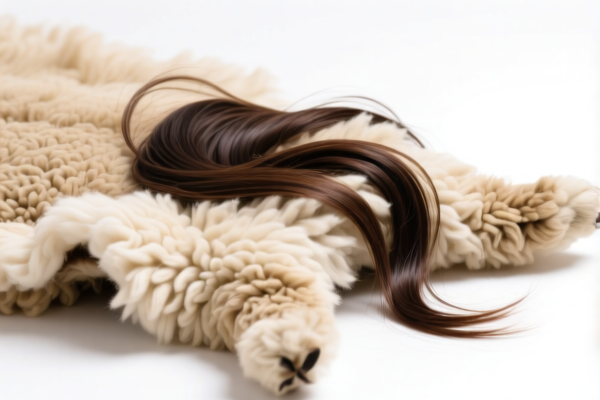
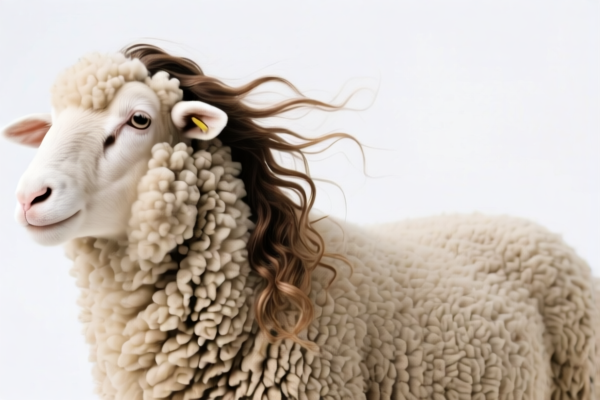
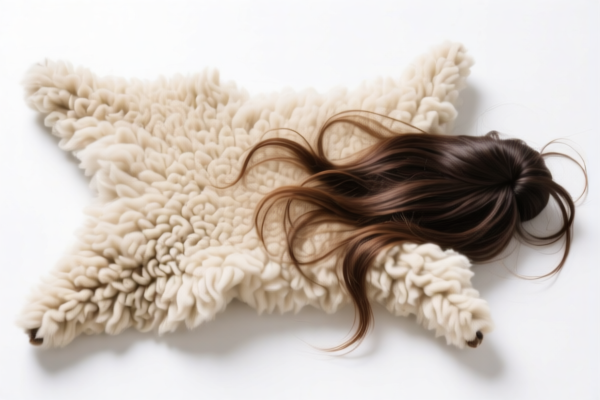
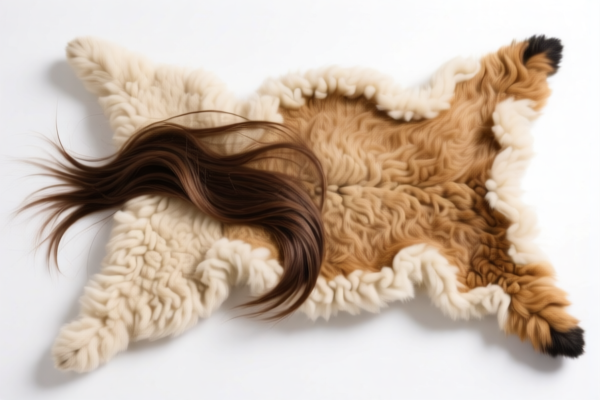
AI Analysis
🐑 Hair Sheepskins (Untanned)
🌐 HS Code Reference & Customs Clearance Guide | 2026 Latest Tariff Full Analysis | Professional Clearance Strategy
📌 I. Product Definition & Classification: Do You Really Understand "Untanned Hair Sheepskins"?
Hair sheepskins (untanned) refer to sheepskins that have been removed from the animal but have not undergone any tanning or curing process beyond basic cleaning or drying. Unlike leather products, these are raw materials in their natural state, retaining the wool/hair and the skin membrane.
In international trade, they are strictly categorized under Chapter 41 (Raw Hides and Skins), specifically distinguished by whether they are "worked" or merely "prepared."
⚠️ Key Distinction Point:
- If the sheepskin is cleaned, dried, salted, or limed but NOT tanned → Classified under 4101.10 or 4101.90.
- If the sheepskin has been tanned, dyed, or finished into leather → Classified under Chapter 43 (Furskins) or 4104-4106 (Tanned Leather).
- Crucial: "Hair sheepskins" implies the hair/wool is retained. If the hair is removed (beaten/scarfed), it may be classified differently depending on the degree of preparation.
📦 II. HS Code Classification Details (Based on Provided Data)
The provided data restricts the classification to two specific HS codes under 4101, both referring to "Unworked or simply prepared sheepskins."
| HS Code | Product Description | Applicability | Tax Status |
|---|---|---|---|
4101.10 |
Unworked or simply prepared sheepskins, including hair sheepskins (untanned), not further prepared than cleaned or dried. | Typically refers to fresh or lightly preserved sheepskins (e.g., wet salted, green skins) that have not been dried or cured significantly. | ⚠️ Error: Failed to retrieve tax information |
4101.90 |
Other unworked or simply prepared sheepskins, including hair sheepskins (untanned), not further prepared than cleaned or dried. | Covers sheepskins that are dried, limed, or otherwise "simply prepared" but still untanned. This is the most common classification for commercial hair sheepskins. | ⚠️ Error: Failed to retrieve tax information |
🔍 Key Note:
- Both codes explicitly state "not further prepared than cleaned or dried."
- If the skins are tanned, they cannot be classified under 4101. They must move to Chapter 41 Subheading 4104 or 4106, or Chapter 43 if they are furskins.
- The distinction between4101.10and4101.90often depends on the preservation method (e.g., fresh vs. dried) and national tariff schedules. Always verify with local customs if unsure.
💰 III. Tariff Rate Details (Clarification & Strategy)
✅ Current Data Status:
The provided data source indicates:
tax_detail: "Failed to retrieve tax information"
total_tax: "Error"⚠️ Critical Clarification:
Due to the data error, specific tariff rates (e.g., 0%, 5%, or punitive tariffs) cannot be confirmed from this source.
However, based on general international trade practices (WTO Tariff Schedules):
- Raw Hides/Skins (4101) are often subject to 0–5% MFN tariff in many jurisdictions (e.g., EU, China, US) to encourage import of raw materials for local leather processing.
- US Specifics: Raw sheepskins imported from China may be subject to Section 301 tariffs (25%) or Section 232 tariffs (if applicable, though usually steel/aluminum). You must consult a customs broker for the exact rate for your country of import.
- EU Specifics: Raw sheepskins often have 0% duty if originating from eligible countries under GSP or FTA.📌 Action Required:
- Do NOT assume zero tax.
- Contact your local customs broker to verify the applicable duty rate for4101.10or4101.90in your destination country.
- Check for any anti-dumping duties or sanctions that may apply to raw animal products from specific regions.
🛠️ IV. Customs Clearance Practical Advice (Real-World Pitfall Avoidance)
✅ 1. Documentation Checklist (Non-Negotiable)
| Document | Required | Notes |
|---|---|---|
| ✅ Commercial Invoice | ✔️ | Must clearly state: "Hair Sheepskins, Untanned, Dried/Cleaned" – DO NOT use "Leather" or "Fur." |
| ✅ Packing List | ✔️ | Detail weight, number of skins, and preservation method (e.g., "Wet Salted," "Dried"). |
| ✅ Certificate of Origin | ✔️ | To claim any FTA benefits (if applicable). |
| ✅ Veterinary/Health Certificate | ✔️ | CRITICAL: Many countries require veterinary certification to prevent disease (e.g., Foot-and-Mouth Disease). |
| ✅ Customs Declaration Form | ✔️ | Accurately declare HS Code 4101.10 or 4101.90. |
| ✅ Photos of Goods | ✔️ | Show the hair/wool texture to prove it is "hair sheepskin" and not tanned leather. |
✅ 2. Declaration Tips (Key Mnemonic)
🔥 "Untanned is Key, Hair is Still There, Vet Cert is Mandatory, Don’t Call it Leather!"
| Scenario | Correct Declaration | Common Mistake |
|---|---|---|
| Raw, Dried Sheepskins | 4101.90 |
Misclassifying as 4303 (Furskins) → Higher tax, stricter biosecurity. |
| Wet Salted Sheepskins | 4101.10 |
Declaring as "Leather" → Rejection by customs. |
| Tanned Sheepskins | NOT 4101 | Using 4101 for tanned goods → Seizure + Fine. |
| Sheepskins with Hair Removed | Possibly NOT 4101 | If hair is removed, it may be classified under 4102 (Goat/Sheepskin tanned) or 4106. |
✅ 3. Special Cases Handling
| Situation | Handling Advice |
|---|---|
| Import into USA | Verify if the supplier is eligible for Section 301 exclusions. Raw animal products may face additional USDAAPHIS inspections. |
| Import into EU | Ensure TRACES NT system registration is complete. Veterinary health certificates must match EU standards exactly. |
| Import into China | Provide GACC (General Administration of Customs China) registration if the overseas supplier is registered. |
| Mixed Shipments | If mixed with other animal products, declare separately. Mixing can lead to delays and additional biosecurity checks. |
🌍 V. Global Market Clearance Comparison (2026 Latest)
| Country/Region | Recommended HS Code | Estimated Duty | Certification Requirements | Notes |
|---|---|---|---|---|
| 🇺🇸 USA | 4101.90 |
~0–25% (Check Section 301) | USDAAPHIS Permit + Vet Cert | Strict biosecurity controls. |
| 🇪🇺 EU | 4101.90 |
0% (Most WTO members) | TRACES NT + Vet Cert | No duty for raw hides from many countries. |
| 🇨🇳 China | 4101.90 |
~5–10% | GACC Registration + Vet Cert | Import restrictions on certain regions. |
| 🇬🇧 UK | 4101.90 |
0% | Vet Cert | Post-Brexit rules may vary. |
| 🇯🇵 Japan | 4101.90 |
~5% | Vet Cert + Import License | Strict animal product regulations. |
📌 Conclusion:
- Biosecurity is the biggest hurdle, not just tariffs.
- Tariffs are generally low, but documentation errors can cause major delays.
- Always verify the HS Code with a local broker, as4101.10vs4101.90can vary by country.
📌 VI. Common Errors & Pitfalls (Lessons Learned)
❌ Error 1: Declaring "Untanned Sheepskins" as "Leather"
👉 Consequence: Rejection at border, return of goods, or heavy fines. Leather has different tax rates and biosecurity requirements.
❌ Error 2: Missing Veterinary Certificate
👉 Consequence: Quarantine or Destruction of goods by USDA/EU authorities. This is the most common reason for shipment failure.
❌ Error 3: Incorrect HS Code (4101.10 vs 4101.90)
👉 Consequence: Minor duty difference or audit flag. While both are under 4101, misclassification can lead to discrepancies in trade statistics.
❌ Error 4: Not disclosing "Hair" retention
👉 Consequence: If the skin is "beaten" (hair removed) but declared as "hair sheepskin," it may be reclassified under a different code, leading to back duties.
✅ Correct Practice:
"Untanned Hair Sheepskins, Dried, No Tanning, Preserved by Salting, Batch No. XYZ, Vet Cert Attached"
🎯 VII. Conclusion: Professional Declaration Saves Time and Money!
🎯 Remember:
🔹 "Untanned = Raw, Not Leather. Hair is Visible. Vet Cert is Mandatory."
🔹 "HS Code 4101 is for Raw Skins Only. Tanned Skins Move to 4104/4303."
📌 Pro Tip:
- If your sheepskins are tanned or dyed, they NO LONGER belong under 4101.10 or 4101.90.
- Consult your customs broker immediately for the correct HS Code for tanned leather or furskins.
- For raw sheepskins, always prioritize biosecurity documentation over tariff optimization.
📣 Immediate Action:
📞 Contact your customs broker + Provide Photos + Obtain Vet Certificate
🚀 Ensure your Hair Sheepskins clear customs smoothly, avoid quarantine, and minimize tax risks!
✨ Professional Clearance Starts with Accurate Classification!
💼 Your Product’s Value Depends on Its Declaration!
Customer Reviews
About HS Code Classification
The Harmonized System (HS) is an internationally standardized nomenclature developed by the World Customs Organization (WCO) to classify traded products. Over 200 countries use the HS system as the basis for customs tariffs, trade statistics, and import/export regulations.
Each HS code follows a hierarchical structure:
- Chapter (2 digits) — Broad category of goods (e.g., Chapter 84: Machinery and Mechanical Appliances)
- Heading (4 digits) — More specific grouping within the chapter
- Subheading (6 digits) — Internationally standardized breakdown, used by all WCO member countries
- National subdivisions (8-10 digits) — Country-specific extensions for further classification, such as US HTSUS 10-digit codes
Correct HS code classification is essential for smooth customs clearance, accurate duty payment, and compliance with trade regulations. Misclassification can lead to customs delays, overpayment of duties, or penalties.
When importing from CN to US, the applicable tariff rates may include:
- Most-Favored-Nation (MFN) rate — The standard duty rate applied to WTO members
- General rate — Applied to countries without trade agreements
- Trade remedy duties — Additional tariffs such as Section 301 (anti-dumping), Section 232 (national security), or countervailing duties
The information provided on this page is for reference purposes only. For official classification, please consult with your local customs authority or a licensed customs broker.