High Density Polyethylene (HDPE) Powder
CN → US| HS Code | Tariff Rate | Origin | Destination | Doc |
|---|---|---|---|---|
| 3915100000 | 35.0% | CN | US | Official Doc |
| 3915900090 | 35.0% | CN | US | Official Doc |
| 3901205000 | 41.5% | CN | US | Official Doc |
| 3901201000 | 41.5% | CN | US | Official Doc |
| 3901205000 | 41.5% | CN | US | Official Doc |
Product Images
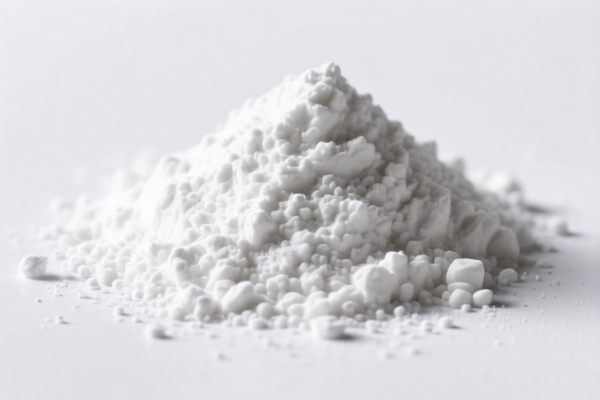

AI Analysis
🧪 High Density Polyethylene (HDPE) Powder
🌐 HS Code Reference & Customs Clearance Guide | 2026 Latest Tariff Analysis | Professional Entry Strategy
📌 1. Product Definition & Classification: What exactly is "HDPE Powder"?
High Density Polyethylene (HDPE) Powder is a thermoplastic polymer derived from ethylene. In international trade, the classification of HDPE hinges critically on its physical form (Primary Forms vs. Waste/Scrap) and its specific gravity (Density ≥ 0.94).
- Primary Forms (Resin/Granules/Powder): Raw material intended for further manufacturing. It has specific gravity ≥ 0.94.
- Waste/Scrap (Shavings/Powder from processing): Material discarded or recovered from production processes, not suitable for direct use without reprocessing.
⚠️ Key Distinction: * If the product is raw resin/powder intended for melt-processing into new parts → Chapter 3901 (Primary Forms). * If the product is offal, waste, or scrap generated from HDPE manufacturing or recycling → Chapter 3915 (Waste and Scrap).
📦 2. HS Code Classification Details (2026 Latest Tariff Authority Comparison)
| HS Code | Product Description | Application Scenario | Physical Form | Density |
|---|---|---|---|---|
3915.10.00.00 |
HDPE Powder (Waste/Scrap) | Offal, scrap, or waste from HDPE manufacturing/recycling | Powder/Scrap | N/A (Waste) |
3915.90.00.90 |
Other Plastic Waste/Scrap | HDPE powder falling under "Other plastics" waste | Powder/Scrap | N/A (Waste) |
3901.20.50.00 |
HDPE Resin/Powder (Primary) | Raw material, specific gravity ≥ 0.94 | Powder/Resin | ≥ 0.94 |
3901.20.10.00 |
HDPE Primary Forms | Ethylene polymer in primary shapes | Powder/Resin | ≥ 0.94 |
3901.20.50.00 |
HDPE Resin (Primary Forms) | Raw feedstock for extrusion/molding | Resin/Powder | ≥ 0.94 |
🔍 Critical Reminder: * Primary Forms (
3901): Must be clean, uniform, and suitable for direct processing. If declared as "Powder," it must be raw material, not processing waste. * Waste/Scrap (3915): Includes offal, waste, and scrap. If the powder is generated from trimming or recycling, it falls here. * Misclassification Risk: Declaring raw resin as "scrap" or vice versa can lead to significant duty differences and customs penalties.
💰 3. 2026 Latest Tariff Rate Breakdown (Including Additional Duties & Policy Surcharges)
✅ Applicable Country: United States (US) ✅ Origin: China (CN) ✅ Effective Date: From Nov 10, 2025 (and subsequent imports)
🎯 1. 3915.10.00.00 & 3915.90.00.90 —— HDPE Waste/Scrap (Plastic Waste)
| Item | Detail |
|---|---|
| Base Duty Rate | 0.0% (Ad Valorem) |
| USITC Additional Duty (Section 301) | +25.0% |
| IEEPA Additional Duty | +10.0% (Targeting China/HK products, effective Nov 10, 2025) |
| Total Duty Rate | 35.0% |
| Calculation Basis | CIF Value × 35% |
| De Minimis Eligibility | ❌ No (Subject to strict scrutiny) |
| Legal Basis Path | IEEPA:9903.01.25 → USITC:3915.10.00.00 → FOOTNOTE:3915.10.00.00 |
📌 Explanation: * Although the base tariff for plastic waste is 0%, the 25% Section 301 duty applies. * The additional 10% IEEPA duty brings the total to 35%. * Key Note: Even though it is "waste," it is still subject to high punitive tariffs due to its origin.
🎯 2. 3901.20.50.00 & 3901.20.10.00 —— HDPE Primary Forms (Resin/Powder)
| Item | Detail |
|---|---|
| Base Duty Rate | 6.5% (Ad Valorem) |
| USITC Additional Duty (Section 301) | +25.0% |
| IEEPA Additional Duty | +10.0% (Targeting China/HK products, effective Nov 10, 2025) |
| Total Duty Rate | 41.5% |
| Calculation Basis | CIF Value × 41.5% |
| De Minimis Eligibility | ❌ No (Subject to strict scrutiny) |
| Legal Basis Path | IEEPA:9903.01.25 → USITC:3901.20.50.00 → FOOTNOTE:3901.20.50.00 |
📌 Explanation: * Base Tariff: 6.5% applies to polyethylene of specific gravity ≥ 0.94. * Total Burden: With the 25% Section 301 and 10% IEEPA surcharges, the total duty rate is 41.5%. * Critical Distinction: If your product is raw HDPE powder/resin, you pay 41.5%. If it is waste/scrap, you pay 35.0%.
🛠️ 4. Customs Clearance Practical Advice (Pitfall Avoidance Guide)
✅ 1. Preparation Checklist (Missing documents = Delays)
| Document | Required | Explanation |
|---|---|---|
| ✅ Product Specification Sheet | ✔️ | Must specify: Chemical name (HDPE), Form (Powder/Resin), Specific Gravity (if primary form), Melting Point, Melt Flow Index. |
| ✅ Certificate of Origin (CO) | ✔️ | Essential for determining IEEPA applicability. |
| ✅ Commercial Invoice | ✔️ | Clearly state: "HDPE Powder" or "HDPE Resin." Do not use vague terms like "Plastic Granules" if they are powder. |
| ✅ Packing List | ✔️ | Detail net/gross weight. |
| ✅ Third-Party Test Report | ✔️ | Crucial: Prove specific gravity ≥ 0.94 (for 3901 classification) or prove it is waste/scrap (for 3915). |
| ✅ Declaration of Non-Waste | ✔️ | If claiming 3901, provide a letter stating the material is primary form, not waste or scrap. |
✅ 2. Declaration Tips (Key Mnemonic)
🔥 “Raw is 41.5%, Waste is 35%, Base Rate Matters!”
| Scenario | Correct HS Code | Duty Rate | Error Consequence |
|---|---|---|---|
| Raw HDPE Powder (Primary Form) | 3901.20.50.00 / 3901.20.10.00 |
41.5% | If misdeclared as waste (3915), customs may penalize for undervaluation or misclassification. |
| HDPE Waste/Scrap Powder | 3915.10.00.00 / 3915.90.00.90 |
35.0% | If misdeclared as raw resin (3901), you overpay 6.5% base duty, but more importantly, you risk rejection if it’s clearly waste. |
| HDPE Pellets/Granules (≥0.94 SG) | 3901.20.50.00 |
41.5% | Same as powder if primary form. |
| Recycled HDPE Powder (Reprocessed) | 3901.20.50.00 (if clean) |
41.5% | If not clean/recyclable as primary form, it may be deemed waste (3915). |
✅ 3. Special Situations
| Situation | Handling Advice |
|---|---|
| Mixed Bag (Raw + Waste) | Must separate. Mixed shipments are often rejected or subject to the highest duty rate across the board. |
| Bagged vs. Bulk | Ensure packaging is suitable for primary forms if claiming 3901. Damaged or dirty bags may be deemed waste. |
| Specific Gravity < 0.94 | If HDPE powder has specific gravity < 0.94, it may fall under different subheadings (e.g., 3901.10), but HDPE is typically ≥ 0.94. Verify with test reports. |
| Pre-shipment Inspection | Consider hiring a third-party inspector to verify the material is clean, dry, and uniform to support the "Primary Form" claim. |
🌍 5. Global Market Comparison (2026 Latest)
| Country/Region | Recommended HS Code | Duty Rate (China Origin) | Certification | Notes |
|---|---|---|---|---|
| 🇺🇸 USA | 3901.20.50.00 |
41.5% | No specific certification required for customs | High punitive tariffs apply. |
| 🇺🇸 USA (Waste) | 3915.10.00.00 |
35.0% | No specific certification required | Lower base duty, but still high surcharges. |
| 🇨🇳 China | 3901.20.50.00 |
0.5% - 6.5% (varies) | No major import restrictions | Low base duty for raw materials. |
| 🇪🇺 EU | 3901.30.00 |
6.5% | REACH Registration | No Section 301 equivalent, but REACH compliance needed. |
| 🇬🇧 UK | 3901.30.00 |
6.5% | UK REACH | Post-Brexit alignment with EU standards. |
📌 Conclusion: * USA is the most expensive market due to Section 301 (25%) and IEEPA (10%) surcharges. * Total Duty: 41.5% for raw HDPE, 35.0% for waste. * Strategic Advice: If possible, explore supply chains from non-China origins (e.g., Vietnam, Malaysia) to potentially avoid IEEPA surcharges, though Section 301 may still apply depending on USITC rulings.
📌 6. Common Mistakes & Pitfall Guide (Blood & Tears Lessons)
❌ Mistake 1: Declaring Raw HDPE Powder as "Plastic Granules" without specifying Specific Gravity ≥ 0.94 👉 Consequence: Customs may reclassify to a higher duty rate or reject due to unclear product description.
❌ Mistake 2: Using "Waste" declaration for Clean, Uniform HDPE Powder 👉 Consequence: You overpay 6.5% base duty (Total 35% vs 41.5%? No, 35% is lower, so you save, but if it’s not waste, you risk penalties for false declaration. Wait: Raw is 41.5%, Waste is 35%. So declaring raw as waste saves money but is illegal if it’s not waste. Risk: High. Customs may audit and impose fines.
❌ Mistake 3: Not providing a Test Report for Specific Gravity
👉 Consequence: If specific gravity is < 0.94, it may not qualify for 3901.20. It could fall under 3901.10 (LDPE/LLDPE), which has different duties.
❌ Mistake 4: Mixing Raw Material and Scrap in one shipment 👉 Consequence: Entire shipment may be held for inspection, leading to delays and storage fees.
✅ Correct Practice:
"HDPE Powder, Primary Form, Specific Gravity 0.95-0.97, Melt Index 2-4, Clean & Dry, No Contaminants, Model HDPE-P-001"
🎯 7. Conclusion: Professional Declaration, Save Time & Money!
🎯 Remember the Mnemonic:
🔹 "Raw is 41.5%, Waste is 35%. Base Rate 6.5% vs 0%." 🔹 "HS Code defines your duty. Misclassification costs you dearly."
📌 Pro Tip:
If your HDPE powder is originating from China, the total duty is 41.5% (Raw) or 35.0% (Waste). Consider Pre-shipment Inspection to ensure the product meets the "Primary Form" criteria if you wish to avoid being classified as waste. For large volumes, consider applying for an Advance Ruling from US Customs and Border Protection (CBP) to confirm the correct HS Code and duty rate.
📣 Take Action Now:
📞 Contact your freight forwarder + Provide Product Specs + Apply for HS Code Advance Ruling 🚀 Ensure your HDPE Powder clears customs smoothly, efficiently, and at the lowest possible cost!
✨ Professional clearance starts with accurate classification! 💼 Every cent counts in international trade!
Customer Reviews
About HS Code Classification
The Harmonized System (HS) is an internationally standardized nomenclature developed by the World Customs Organization (WCO) to classify traded products. Over 200 countries use the HS system as the basis for customs tariffs, trade statistics, and import/export regulations.
Each HS code follows a hierarchical structure:
- Chapter (2 digits) — Broad category of goods (e.g., Chapter 84: Machinery and Mechanical Appliances)
- Heading (4 digits) — More specific grouping within the chapter
- Subheading (6 digits) — Internationally standardized breakdown, used by all WCO member countries
- National subdivisions (8-10 digits) — Country-specific extensions for further classification, such as US HTSUS 10-digit codes
Correct HS code classification is essential for smooth customs clearance, accurate duty payment, and compliance with trade regulations. Misclassification can lead to customs delays, overpayment of duties, or penalties.
When importing from CN to US, the applicable tariff rates may include:
- Most-Favored-Nation (MFN) rate — The standard duty rate applied to WTO members
- General rate — Applied to countries without trade agreements
- Trade remedy duties — Additional tariffs such as Section 301 (anti-dumping), Section 232 (national security), or countervailing duties
The information provided on this page is for reference purposes only. For official classification, please consult with your local customs authority or a licensed customs broker.