High Density Polyethylene HDPE Agricultural Mulch Film
CN → US| HS Code | Tariff Rate | Origin | Destination | Doc |
|---|---|---|---|---|
| 3920991000 | 41.0% | CN | US | Official Doc |
| 3920992000 | 39.2% | CN | US | Official Doc |
| 3921190010 | 41.5% | CN | US | Official Doc |
| 3921905050 | 39.8% | CN | US | Official Doc |
Product Images
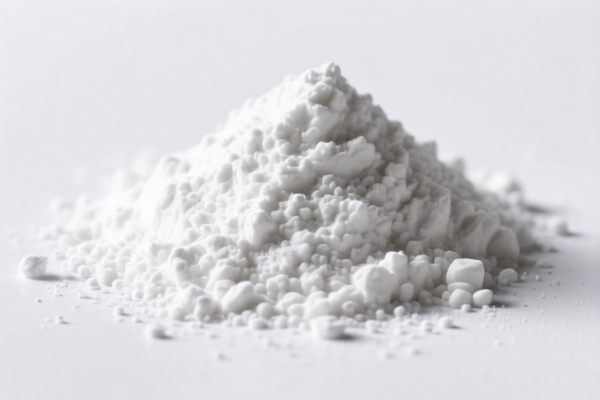

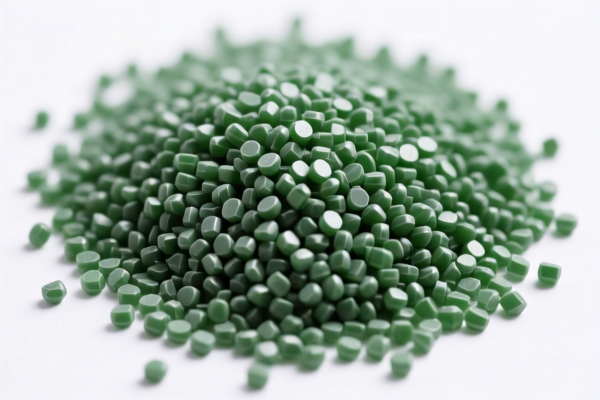
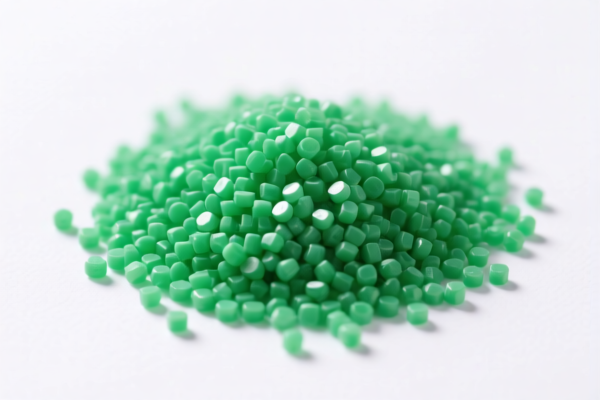
AI Analysis
🌿 Agricultural Mulch Film (High Density Polyethylene - HDPE)
🌐 HS Code Reference & Customs Clearance Guide | 2026 Latest Tariff Analysis | Professional-Level Clearance Strategy
📌 I. Product Definition & Classification: Do You Really Understand "Agricultural Mulch Film"?
Agricultural mulch film is a critical input in modern agriculture, used to regulate soil temperature, retain moisture, suppress weeds, and improve crop yield. In international trade, these films are primarily categorized under Chapter 39: Plastics and Articles Thereof. The classification depends heavily on the cellular structure (foamed vs. solid), thickness, and physical form (rolls vs. sheets).
⚠️ Key Distinction Point:
- If the film is cellular (has air pockets/foam structure), especially made of polyethylene/polypropylene and microporous, it falls under 3921.
- If the film is non-cellular (solid, dense), it falls under 3920.
- Thickness matters: Films over 0.152mm (approx. 6 mils) that are flexible but not in rolls may be treated differently than rolls.
📦 II. HS Code Classification Details (2026 Latest Tariff Authority Cross-Reference)
| HS Code | Product Description | Applicable Scenario | Cellular/Structure |
|---|---|---|---|
3921.19.00.10 |
Other plates, sheets, film, foil and strip, of plastics: Cellular: Of other plastics Microporous sheets of polyethylene or polypropylene film | Specialized agricultural mulch with foam/air-layer structure for insulation | ✅ Yes (Cellular/Microporous) |
3921.90.50.50 |
Other plates, sheets, film, foil and strip, of plastics: Other: Other: Other Other | General plastic sheets/films not specified elsewhere (e.g., rigid plastic sheets, non-agricultural films) | ❌ No (General) |
3920.99.10.00 |
Other plates, sheets, film, foil and strip, of plastics, noncellular: Of other plastics: Film, strip and sheets... flexible: Over 0.152 mm in thickness, and not in rolls | Solid HDPE films, thick sheets, not rolled up | ❌ No (Non-cellular, >0.152mm) |
3920.99.20.00 |
Other plates, sheets, film, foil and strip, of plastics, noncellular: Of other plastics: Film, strip and sheets... flexible: Other | Standard solid HDPE mulch films (rolls or thin sheets <0.152mm) | ❌ No (Non-cellular) |
🔍 Critical Reminder:
- Most standard HDPE Agricultural Mulch Films are non-cellular (solid). Therefore, they typically fall under HS 3920.
- Only if the mulch film has a specific foamed/microporous cellular structure (often used for extreme weather insulation) does it fall under HS 3921.
- Misclassification Risk: Declaring a solid film as "cellular" (3921) to avoid taxes will lead to severe penalties if audited.
💰 III. 2026 Latest Tariff Rate Breakdown (Including Supplementary Taxes)
✅ Applicable Country: United States (US)
✅ Origin: China (CN)
✅ Effective Date: November 10, 2025 (and onwards)
🎯 1. 3921.19.00.10 —— Cellular Polyethylene Microporous Sheets
| Item | Details |
|---|---|
| Base Tariff | 0.0% (ad valorem) |
| Section 301 Supplementary Tax | 0.0% |
| Total Tax Rate | 0.0% |
| Tax Calculation | CIF Value × 0% = $0 |
| De Minimis Eligibility | ✅ Yes (for shipments under $800) |
| Legal Basis Path | HTSUS:3921.19.00.10 → No Footnotes for US/CN |
📌 Explanation:
- This code has zero duty and no supplementary taxes.
- Caution: This code is strictly for cellular/microporous polyethylene or polypropylene films. If your HDPE mulch film is solid (non-cellular), do not use this code. Misclassification can result in back taxes + penalties.
🎯 2. 3921.90.50.50 —— Other Plastic Sheets/Films (Non-Cellular or General)
| Item | Details |
|---|---|
| Base Tariff | 4.8% |
| Section 301 Supplementary Tax | +25.0% |
| Total Tax Rate | 29.8% |
| Tax Calculation | CIF Value × 29.8% |
| De Minimis Eligibility | ❌ No (Denied for de minimis) |
| Legal Basis Path | HTSUS:3921.90.50.50 → Section 301 Footnote |
📌 Note:
- This code captures "other" plastic sheets not specifically classified elsewhere.
- If your film does not meet the strict "microporous cellular" definition of 3921.19.00.10, but is also not a standard flexible film, it might land here.
- High Tax Impact: Nearly 30% duty significantly affects profitability.
🎯 3. 3920.99.10.00 —— Non-Cellular Flexible Films (Thickness > 0.152mm, Not in Rolls)
| Item | Details |
|---|---|
| Base Tariff | 0.0% |
| Section 301 Supplementary Tax | 0.0% |
| Total Tax Rate | 0.0% |
| Tax Calculation | CIF Value × 0% = $0 |
| De Minimis Eligibility | ✅ Yes |
| Legal Basis Path | HTSUS:3920.99.10.00 → No Footnotes for US/CN |
📌 Explanation:
- Zero Duty.
- Condition: Must be non-cellular (solid), flexible, and thickness > 0.152mm, and NOT in rolls.
- If your mulch film comes in rolls, this code is incorrect.
🎯 4. 3920.99.20.00 —— Non-Cellular Flexible Films (Other)
| Item | Details |
|---|---|
| Base Tariff | 4.2% |
| Section 301 Supplementary Tax | +25.0% |
| Total Tax Rate | 29.2% |
| Tax Calculation | CIF Value × 29.2% |
| De Minimis Eligibility | ❌ No |
| Legal Basis Path | HTSUS:3920.99.20.00 → Section 301 Footnote |
📌 Most Common Code for Standard HDPE Mulch:
- Most agricultural HDPE mulch films are solid (non-cellular), flexible, and come in rolls.
- If thickness is ≤ 0.152mm, or if it’s in rolls, this is the likely correct code.
- Total Tax: 29.2%. This is the standard high-tax scenario for Chinese-made plastic films.
🛠️ IV. Customs Clearance Practical Advice (Battle-Tested Pitfall Guide)
✅ 1. Preparation Checklist (Essential Documents)
| Document | Required | Notes |
|---|---|---|
| ✅ Product Specification Sheet | ✔️ | Must specify: Material (HDPE), Thickness (mm/mils), Width, Roll Length, Cellular vs. Non-Cellular status |
| ✅ Photos of Product & Packaging | ✔️ | Show roll structure, any labeling, and close-up of film texture (to prove cellular/non-cellular) |
| ✅ Commercial Invoice | ✔️ | Clearly state "HDPE Agricultural Mulch Film", "Non-Cellular", and HS Code |
| ✅ Packing List | ✔️ | Detail weight, dimensions, number of rolls |
| ✅ Certificate of Origin (CO) | ✔️ | For potential FTAA benefits if applicable (though rare for HDPE films from China) |
| ✅ Test Report (Optional but Helpful) | ✔️ | UV resistance, tensile strength, and density/foam structure report to prove cellular/non-cellular nature |
✅ 2. Declaration Tips (Key Mantra)
🔥 "Cellular is Free, Solid is Taxed; Roll vs. Sheet Matters, Don't Guess!"
| Scenario | Correct HS Code | Mistake to Avoid |
|---|---|---|
| Foamed/Cellular PE Film | 3921.19.00.10 (0%) |
Misdeclaring as solid → 29.2% Tax |
| Solid HDPE Film (Rolls) | 3920.99.20.00 (29.2%) |
Misdeclaring as cellular → 0% → Audit Risk |
| Solid HDPE Film (>0.152mm, Not Rolls) | 3920.99.10.00 (0%) |
Misdeclaring as rolls → 29.2% Tax |
| General Plastic Sheet (Not Mulch) | 3921.90.50.50 (29.8%) |
N/A |
📌 Critical Note:
- Most agricultural mulch films are solid (non-cellular). Therefore, they usually fall under 3920.
- If your film is solid and in rolls, it will likely be3920.99.20.00with a 29.2% total tax.
- Do not try to classify solid films as3921.19.00.10(0%) unless you have proof of cellular/microporous structure.
✅ 3. Special Cases Handling
| Scenario | Handling Advice |
|---|---|
| Mixed Cellular & Non-Cellular | Declare separately. Do not mix. |
| Films with Additives (UV Stabilizers) | Still falls under 3920/3921. Declare "HDPE Film with UV Stabilizers". |
| Biodegradable Mulch Film | If it meets biodegradability standards, it may still be HDPE-based. Clarify material composition. Some biodegradable films may have different classifications (check Chapter 39 vs. 38). |
| Rolls vs. Sheets | Ensure packaging matches description. If shipped in rolls, do not declare as "sheets not in rolls". |
🌍 V. Global Market Comparison (2026 Latest)
| Country/Region | Recommended HS Code | Tariff (China Origin) | Certification Requirements | Notes |
|---|---|---|---|---|
| 🇺🇸 USA | 3920.99.20.00 |
29.2% | None specific for mulch | High tax due to Section 301 |
| 🇨🇳 China | 3920.99.20.00 |
5% (Import) | N/A | Domestic production is common |
| 🇪🇺 EU | 3920.99.00 |
4.0% | REACH Compliance | No Section 301 equivalent |
| 🇲🇽 Mexico | 3920.99.00 |
0% (USMCA) | N/A | Check origin rules |
| 🇯🇵 Japan | 3920.99.00 |
6.0% | JIS Standards | No major additional taxes |
📌 Conclusion:
- USA imposes the highest burden (29.2%) on standard solid HDPE mulch films.
- Cellular films enjoy 0% duty in the US, but they are niche products.
- Strategy: If you are exporting to the US, ensure accurate classification. If you are selling solid films, budget for ~30% duty.
📌 VI. Common Errors & Pitfalls (Lessons Learned)
❌ Error 1: Declaring solid HDPE film as "Cellular" to get 0% tax
👉 Consequence: Customs audit → Back taxes of ~29% + Penalties + Potential seizure
❌ Error 2: Misstating thickness
👉 Consequence: Confusion between 3920.99.10.00 (0%) and 3920.99.20.00 (29.2%). If thickness is >0.152mm but shipped in rolls, it is not 10.00. It is 20.00.
❌ Error 3: Vague description "Plastic Film"
👉 Consequence: Customs may assign a higher default code or request extensive documentation, causing delays.
❌ Error 4: Ignoring "Section 301" impact
👉 Consequence: Underestimating landed cost. 29.2% is significant for low-margin agricultural products.
✅ Correct Practice:
"HDPE Agricultural Mulch Film, Solid, Non-Cellular, 2.5 mil Thickness, 4 Feet Width, 1000 Feet/roll, UV Treated, Made in China"
🎯 VII. Conclusion: Precision Classification Saves Costs!
🎯 Remember the Mantra:
🔹 "Cellular is Free, Solid is Taxed; Roll vs. Sheet Matters, Don't Guess!"
🔹 "HS Code determines duty, 29% difference can kill your margin, declare accurately to avoid penalties!"
📌 Pro Tip:
If your HDPE mulch film has a unique foamed structure, obtain a third-party lab test to certify its cellular nature before claiming HS 3921.19.00.10.
For standard films, budget for 29.2% duty in the US market. Consider pre-classification rulings from US Customs if you are unsure about the cellular/non-cellular status.
📣 Immediate Action:
📞 Consult with a licensed customs broker + Provide product photos + Verify cellular structure
🚀 Ensure your HDPE mulch film clears customs smoothly, efficiently, and cost-effectively!
✨ Professional customs clearance starts with accurate classification!
💼 Every percentage point of duty counts!
Customer Reviews
About HS Code Classification
The Harmonized System (HS) is an internationally standardized nomenclature developed by the World Customs Organization (WCO) to classify traded products. Over 200 countries use the HS system as the basis for customs tariffs, trade statistics, and import/export regulations.
Each HS code follows a hierarchical structure:
- Chapter (2 digits) — Broad category of goods (e.g., Chapter 84: Machinery and Mechanical Appliances)
- Heading (4 digits) — More specific grouping within the chapter
- Subheading (6 digits) — Internationally standardized breakdown, used by all WCO member countries
- National subdivisions (8-10 digits) — Country-specific extensions for further classification, such as US HTSUS 10-digit codes
Correct HS code classification is essential for smooth customs clearance, accurate duty payment, and compliance with trade regulations. Misclassification can lead to customs delays, overpayment of duties, or penalties.
When importing from CN to US, the applicable tariff rates may include:
- Most-Favored-Nation (MFN) rate — The standard duty rate applied to WTO members
- General rate — Applied to countries without trade agreements
- Trade remedy duties — Additional tariffs such as Section 301 (anti-dumping), Section 232 (national security), or countervailing duties
The information provided on this page is for reference purposes only. For official classification, please consult with your local customs authority or a licensed customs broker.