High Performance Radial Sedan Tire 17 18 Inch
CN → USProduct Images
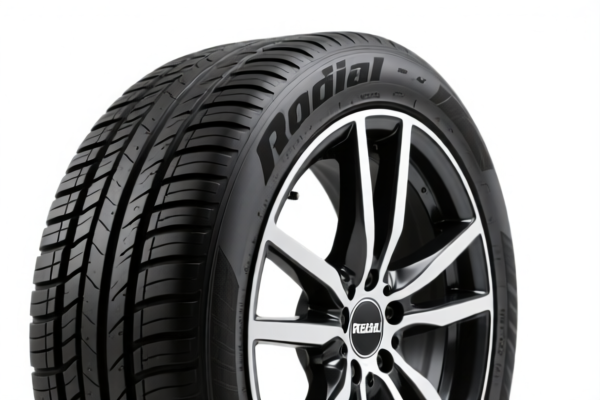
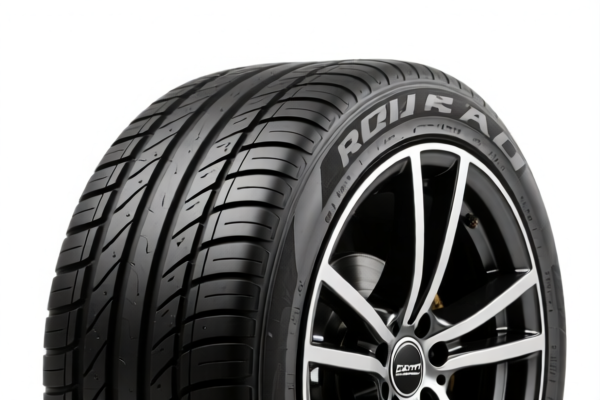
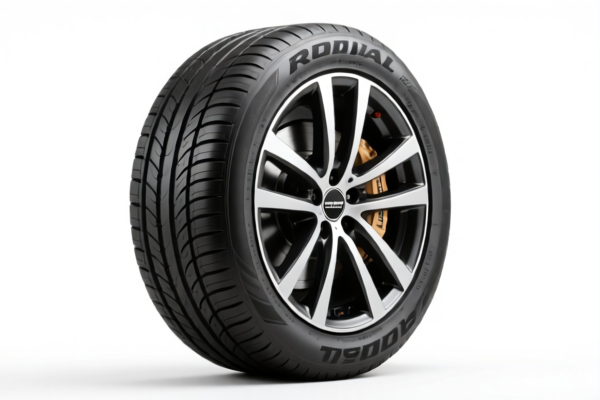
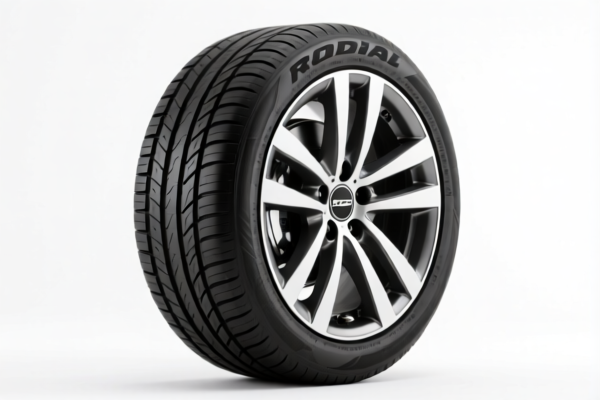
AI Analysis
🏎️ High Performance Radial Sedan Tire (17" & 18" Inch)
🌐 HS Code Reference & Customs Clearance Guide | 2026 Latest Tariff Analysis | Professional Strategy 📌 I. Product Definition & Classification: Do You Truly Understand "Radial Tires"?
High-performance radial tires for sedans (17" and 18" sizes) are the critical interface between the vehicle and the road, designed for superior handling, braking, and speed stability. In international trade, the classification hinges on two key factors: 1. Material: Must be Rubber (including synthetic rubber). 2. Construction: Must be Radial (denoted by 'R' in the size, e.g., 225/45R17).
⚠️ Key Distinction:
- Radial Tires: Categorized under 4011.
- Bias-Ply/Non-Radial Tires: Categorized under 4012 (rare for modern performance sedans).
- Retreaded/Used Tires: Heavily restricted or banned in many jurisdictions (e.g., USA, EU). New Radial Tires Only.
📦 II. HS Code Classification Details (2026 Latest Tariff Authority)
| HS Code | Product Description | Applicable Scenario | New vs. Retreaded |
|---|---|---|---|
| 4011.20.00.00 | Pneumatic tires, new, of a kind used on passenger cars | Standard 15"-16" sedans | ✅ New |
| 4011.60.00.00 | Pneumatic tires, new, of a kind used on passenger cars | 17" & 18" High-Performance Sedans (Specific Subheading in some jurisdictions, or general 4011.20 depending on national 8-digit codes) | ✅ New |
| 4011.90.00.00 | Other pneumatic tires, new | Non-passenger vehicles (SUVs, Trucks, Aircraft) | ✅ New |
| 4012.10.00.00 | Retreaded pneumatic tires, rubber | PROHIBITED/HEAVILY TAXED (Do not use for new tires) | ❌ Used/Retreaded |
| 4012.90.00.00 | Used rubber tires | Scrap/Recycling | ❌ Used |
🔍 Critical Note for 17"/18" Sizes:
In the US HTS (Harmonized Tariff Schedule), passenger car tires (including 17"/18" performance tires) generally fall under: - 4011.20.60.60: Tires of a kind used on passenger vehicles. - However, specific subheadings may vary by country. Always verify the 8-10 digit code with the destination country’s customs authority. - Do NOT confuse with truck/bus tires (4011.60/4011.80) or motorcycle tires (4011.10).
💰 III. 2026 Latest Tariff Rate Breakdown (Including Surcharges)
✅ Destination: United States (US)
✅ Origin: China (CN)
✅ Effective Date: Post-2025 Trade Policy (Section 301 + IEEPA)
🎯 1. 4011.20.60.60 (or similar 4011.20.xx) – New Radial Tires for Passenger Cars
| Item | Content |
|---|---|
| Base MFN Rate | 0% (Most Favored Nation for tires under WTO, but subject to US-specific surcharges) |
| Section 301 Surcharge (Footnote 9903.88.01) | +25% (For tires originating from China) |
| IEEPA Surcharge (China-specific) | +10% (Effective Nov 2025, targeting Chinese rubber products) |
| Merchandise Processing Fee (MPF) | ~0.3464% of value |
| Harbor Maintenance Fee (HMF) | 0.125% of value (if arrived on a vessel) |
| Total Effective Duty | 35%+ (Base 0% + 25% + 10% + Fees) |
| De Minimis Exemption | ❌ NOT ELIGIBLE (Deny de minimis for tires from China > $800) |
| Legal Path | USITC:4011.20.60.60 → Section301:9903.88.01 → IEEPA:9903.01.25 |
📌 Explanation:
- Rubber products, including tires, have been under intense scrutiny.
- The 35% effective duty significantly impacts cost competitiveness.
- Anti-Dumping/Countervailing Duties (AD/CVD): Some Chinese tire manufacturers may face additional AD/CVD rates if they are not the exporter of record or if they are not on the "Chosen Companies" list. Always verify if your supplier is exempt from AD/CVD.
🎯 2. If Origin is NOT China (e.g., Vietnam, Thailand, Malaysia)
| Item | Content |
|---|---|
| Base Rate | 0% |
| Section 301/IEEPA | 0% (If properly transshipped and origin certified) |
| Total Duty | 0% + MPF/HMF |
| Risk | High Risk of "Transshipment" Investigation if no substantial transformation occurs |
📌 Warning:
The US CBP actively investigates tires shipped from Southeast Asia to evade tariffs. Proof of Origin (Form A, Certificate of Origin) must show substantial transformation in the third country.
🛠️ IV. Customs Clearance Practical Advice (Pitfall Avoidance Guide)
✅ 1. Required Documentation Checklist
| Document | Mandatory? | Details |
|---|---|---|
| Commercial Invoice | ✔️ | Must state: "New Radial Pneumatic Tires for Passenger Car", Size (e.g., 225/45R17), Quantity, Value, Country of Origin |
| Packing List | ✔️ | Weight (Gross/Net), Dimensions, Number of Boxes |
| Certificate of Origin | ✔️ | Essential for claiming preferential rates (if applicable) and verifying non-Chinese origin if claimed |
| Manufacturer’s Declaration | ✔️ | Confirm tires are NEW, not retreaded, and specify construction (Radial) |
| EPA/TSCA Certification | ✔️ | For rubber goods, ensure compliance with US environmental regulations |
| FCC/No-Electronic-Device Statement | ✔️ | Tires contain no electronics, but state explicitly to avoid unnecessary reviews |
✅ 2. Critical Declaration Tips
🔥 Golden Rule: "Specify Size, Specify Construction, Specify New!"
| Scenario | Correct Declaration | Incorrect Declaration | Consequence |
|---|---|---|---|
| 17" Performance Tire | "New Radial Tire, Size 225/45R17, for Passenger Car" | "Rubber Part for Car" | Misclassification → 25-35% penalty |
| Mixed Sizes in One Shipment | List each size separately with HS Code | "Mixed Tires" | CBP may assess duty on the highest-rated item or reject shipment |
| Origin: China | Declare China Origin | Hide Origin | Fraud → Seizure + Fines + Loss of Import Privileges |
| Used/Retreaded Tires | DO NOT IMPORT (US Ban) | "Used Tires" | Immediate Rejection/Seizure |
✅ 3. Special Scenarios
| Scenario | Handling Advice |
|---|---|
| OEM Tires for Car Manufacturers | Same HS Code, but may qualify for lower duty if imported under NAFTA/USMCA (for USMCA-certified parts). |
| Tires with Rims (Wheels) | Split Declaration! Tires go to 4011; Rims go to 8708. Mixing them causes classification errors and duty misapplication. |
| TPMS (Tire Pressure Sensors) Shipped Inside | If TPMS is not part of the tire assembly, declare separately (HS 9030 or 8517). |
🌍 V. Global Market Comparison (2026 Latest)
| Country/Region | Recommended HS Code | Duty Rate (China Origin) | Key Requirements | Notes |
|---|---|---|---|---|
| 🇺🇸 USA | 4011.20.60.60 |
~35% (0% + 25% + 10%) | FDA/EPA Compliance, Origin Proof | High risk of AD/CVD checks |
| 🇨🇳 China | 4011.20.00.00 |
0-5% | CCC (if applicable), Quality Inspection | Low duty, high volume |
| 🇪🇺 EU | 4011.20 |
0% (if GSP/EBA applies, otherwise 4.5%) | CE Marking (if applicable), REACH | Strict labeling on rolling resistance/wet grip |
| 🇦🇺 Australia | 4011.20 |
5% | ARBS (Australian Rubber Buyers' Association) Standards | Mandatory safety standards |
| 🇯🇵 Japan | 4011.20 |
0% | JIS Standards | High quality control |
📌 Conclusion:
- USA is the most expensive market for Chinese tires due to layered surcharges.
- EU and Japan are more favorable but have strict labeling and environmental standards (Fuel Efficiency, Wet Grip, Noise).
- Vietnam/Thailand offer tariff advantages but come with high compliance risks for transshipment.
📌 VI. Common Mistakes & Pitfalls (Blood Lessons)
❌ Mistake 1: Declaring "17-inch Tire" without specifying "Radial" or "Passenger Car"
👉 Consequence: CBP may classify under general rubber goods (higher duty) or request additional info, causing delays.
❌ Mistake 2: Importing Tires with Rims as a single unit
👉 Consequence: Incorrect HS Code, leading to under/over-payment and potential penalties. Always split tires and rims.
❌ Mistake 3: Ignoring AD/CVD Lists
👉 Consequence: If your Chinese supplier is not on the "Chosen Companies" list, you may face 100-200% additional duties. Verify your supplier’s status!
❌ Mistake 4: Using "Auto Parts" as a generic description
👉 Consequence: Lack of specificity leads to customs hold-ups. Always use "New Radial Pneumatic Tire for Passenger Vehicle".
✅ Correct Practice:
"New Radial Pneumatic Tires for Passenger Cars, Size 225/45R17 91W, Manufacturer: [Brand], Country of Origin: China, HS Code: 4011.20.60.60"
🎯 VII. Conclusion: Professional Declaration, Risk-Free Import
🎯 Remember These Mantras:
🔹 "New Radial, Passenger Car, Check AD/CVD List!"
🔹 "Tires and Rims Separate, Origin Clear, No Surprises!"
🔹 "USA 35% Duty is Real, Prepare Your Budget!"
📌 Pro Tip:
If you are importing from China, consider:
1. Pre-Ruling: Request an HTS code pre-ruling from US CBP.
2. Supplier Verification: Ensure your supplier is exempt from AD/CVD.
3. Alternative Sourcing: If possible, source from Vietnam, Thailand, or Indonesia (with valid CoO) to mitigate tariff risks.
📣 Immediate Action:
📞 Contact your Customs Broker + Provide Tire Size & Quantity + Verify Supplier’s AD/CVD Status
🚀 Ensure Smooth Customs Clearance, Avoid Seizures, Protect Margins!
✨ Professional Customs Clearance Starts with Accurate Classification!
💼 Every Tire’s Duty Counts – Calculate Precisely!
Customer Reviews
About HS Code Classification
The Harmonized System (HS) is an internationally standardized nomenclature developed by the World Customs Organization (WCO) to classify traded products. Over 200 countries use the HS system as the basis for customs tariffs, trade statistics, and import/export regulations.
Each HS code follows a hierarchical structure:
- Chapter (2 digits) — Broad category of goods (e.g., Chapter 84: Machinery and Mechanical Appliances)
- Heading (4 digits) — More specific grouping within the chapter
- Subheading (6 digits) — Internationally standardized breakdown, used by all WCO member countries
- National subdivisions (8-10 digits) — Country-specific extensions for further classification, such as US HTSUS 10-digit codes
Correct HS code classification is essential for smooth customs clearance, accurate duty payment, and compliance with trade regulations. Misclassification can lead to customs delays, overpayment of duties, or penalties.
When importing from CN to US, the applicable tariff rates may include:
- Most-Favored-Nation (MFN) rate — The standard duty rate applied to WTO members
- General rate — Applied to countries without trade agreements
- Trade remedy duties — Additional tariffs such as Section 301 (anti-dumping), Section 232 (national security), or countervailing duties
The information provided on this page is for reference purposes only. For official classification, please consult with your local customs authority or a licensed customs broker.