High Strength Polyester Multi Filament Yarn
CN → US| HS Code | Tariff Rate | Origin | Destination | Doc |
|---|---|---|---|---|
| 5407532020 | 47.0% | CN | US | Official Doc |
| 5407619945 | 49.9% | CN | US | Official Doc |
| 5408232930 | 47.0% | CN | US | Official Doc |
| 5408232960 | 47.0% | CN | US | Official Doc |
Product Images
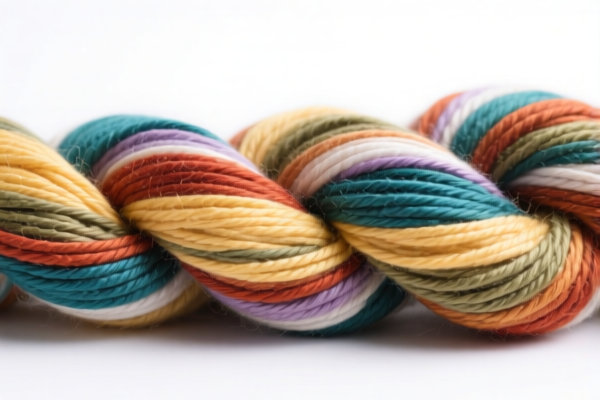
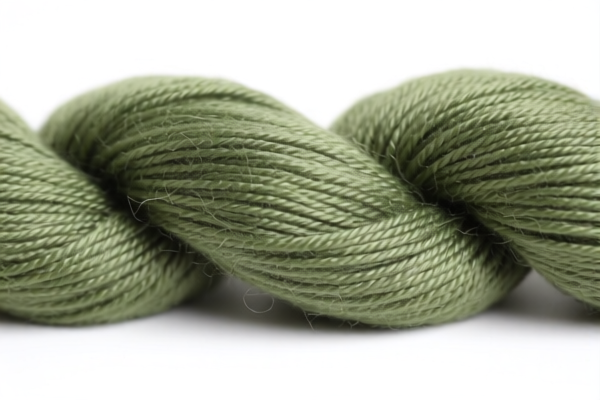
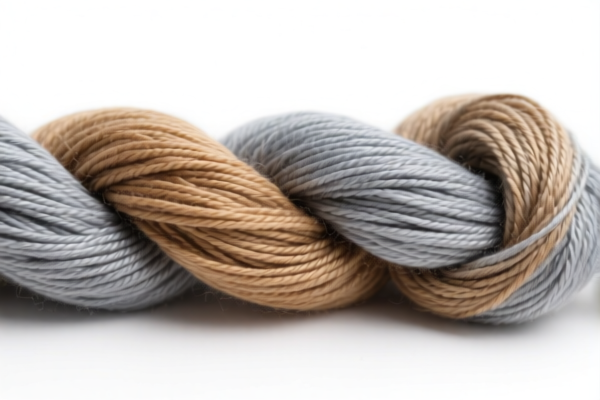
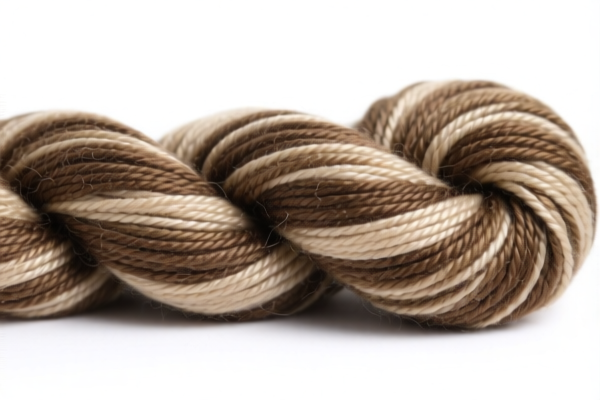
AI Analysis
🧵 High Strength Polyester Multi-Filament Yarn (Industrial/Technical Textiles)
🌐 HS Code Reference & Customs Clearance Guide | 2026 Latest Tariff Analysis | Professional Level Entry Strategy
📌 I. Product Definition & Classification: What Exactly is "High Strength Polyester Yarn"?
High-strength polyester multi-filament yarn is a critical industrial material, widely used in geotextiles, conveyor belts, tire cords, ropes, and heavy-duty fabrics. Unlike standard decorative yarns, these are engineered for tensile strength and durability.
In international trade, the classification hinges on two key factors: 1. Material Composition: Is it 100% Polyester (Synthetic) or a blend with other man-made fibers? 2. Coloration Process: Is it dyed in the mass (colored before spinning), woven from colored yarns, or finished after weaving?
⚠️ Key Distinction:
- If the fabric is made from 100% Polyester with multi-color characteristics (e.g., variegated or multi-colored appearance), it typically falls under 5407.53.
- If the fabric is made from Polyester but uses different colored yarns woven together, it may fall under 5407.61.
- If the fabric contains non-polyester man-made filaments (blends) and shows multi-color features, it falls under 5408.23.
📦 II. HS Code Classification Details (Based on Provided Data)
| HS Code | Product Description | Key Features | Applicability |
|---|---|---|---|
5407.53.20.20 |
Polyester Long-Filament Fabric, Multi-Color Characteristic | 100% Polyester; Dyed/Variegated | High-strength fabrics with inherent multi-color texture |
5407.61.99.45 |
Polyester Long-Filament Fabric, Different Colored Yarns | 100% Polyester; Woven with multiple yarn colors | Fabrics constructed from distinctly colored threads |
5408.23.29.30 |
Man-Made Filament Fabric, Multi-Color Characteristic | Blend (Non-100% Polyester); Multi-color | Blends with other synthetic fibers, multi-colored |
5408.23.29.60 |
Man-Made Filament Fabric, Different Colored Silk/Filaments | Blend; Woven with different colored filaments | Blends with distinct colored filaments |
🔍 Critical Reminder:
- 5407 codes are for 100% Polyester.
- 5408 codes are for Other Man-Made Filaments (blends or non-polyester synthetics).
- Ensure the product description matches the exact coloring method (mass-dyed vs. woven colored yarns) to avoid misclassification.
💰 III. 2026 Latest Tariff Rate Breakdown (Including Additional Duties & Policy Surcharges)
✅ Applicable Country: United States (US)
✅ Origin: China (CN)
✅ Effective Date: From 2025/2026 (Current Trade Policy)
🎯 1. 5407.53.20.20 & 5408.23.29.30 & 5408.23.29.60
(Note: 5408.23.29.30 and 5408.23.29.60 share the same total tax rate in the data provided)
| Item | Content |
|---|---|
| Base Duty Rate | 12.0% (Ad Valorem) |
| Section 301 Surcharge | +25.0% (USITC Footnote for China) |
| Section 122 Clause Surcharge | +10.0% (Specific trade remedy/additional duty) |
| Total Tax Rate | 47.0% |
| Tax Calculation | CIF Value × 47.0% |
| De Minimis Exemption | ❌ Not Applicable (High tariff goods usually excluded) |
| Legal Basis Path | Base Tariff → Section 301 (30%+ list) → Section 122 (10%) |
📌 Explanation:
- Base 12%: Standard Most Favored Nation (MFN) rate for these textile categories.
- Section 301 (25%): Additional duty on Chinese goods under Trade Act Section 301.
- Section 122 (10%): Specific additional tariff clause applicable to these fabric types.
- Total 47%: This is a high-cost entry point. Profit margin calculations must account for this significant duty burden.
🎯 2. 5407.61.99.45
(Polyester Fabric, Different Colored Yarns)
| Item | Content |
|---|---|
| Base Duty Rate | 14.9% (Ad Valorem) |
| Section 301 Surcharge | +25.0% (USITC Footnote for China) |
| Section 122 Clause Surcharge | +10.0% |
| Total Tax Rate | 49.9% |
| Tax Calculation | CIF Value × 49.9% |
| De Minimis Exemption | ❌ Not Applicable |
| Legal Basis Path | Base Tariff → Section 301 → Section 122 |
📌 Explanation:
- Base 14.9%: Slightly higher base rate for fabrics made from different colored yarns compared to multi-color character fabrics.
- Total 49.9%: The highest duty rate in this dataset. Importers must exercise extreme caution with cost estimation.
🛠️ IV. Customs Clearance Practical Advice (Avoiding Pitfalls)
✅ 1. Preparation Checklist (Mandatory)
| Document | Required | Notes |
|---|---|---|
| ✅ Product Specification Sheet | ✔️ | Must specify: Fiber content (%), Yarn count, Fabric weight, Width, Coloring Method |
| ✅ Composition Certificate | ✔️ | Confirm if 100% Polyester or Blend (Critical for 5407 vs. 5408) |
| ✅ Photos of Fabric | ✔️ | Show weave structure and color distribution (mass-dyed vs. woven colors) |
| ✅ Commercial Invoice | ✔️ | Clearly state "High Strength Polyester Multi-Filament Yarn Fabric" |
| ✅ Packing List | ✔️ | Weight and dimensions must match invoice |
| ✅ Certificate of Origin (CO) | ✔️ | Essential for proving Chinese origin (triggers tariffs) |
✅ 2. Declaration Tips (Key Mnemonic)
🔥 "Polyester 5407, Blend 5408, Color Method Matters, Tariff Varies!"
| Scenario | Correct HS Code | Wrong Practice | Consequence |
|---|---|---|---|
| 100% Polyester, Multi-color effect | 5407.53.20.20 |
Misclassify as Blend | May lead to audit or under/overpayment |
| 100% Polyester, Woven colored yarns | 5407.61.99.45 |
Misclassify as Multi-color effect | 49.9% vs 47.0% → Higher cost! |
| Blend, Multi-color effect | 5408.23.29.30 |
Misclassify as 100% Polyester | Classification error → Penalties |
| Blend, Woven colored filaments | 5408.23.29.60 |
Misclassify as 100% Polyester | Classification error → Penalties |
✅ 3. Special Cases
| Situation | Handling Advice |
|---|---|
| OEM/Contract Manufacturing | Provide end-user contract and design specs to prove origin and composition |
| Sample vs. Bulk | Samples may have different tax treatment if declared correctly, but bulk shipments are subject to full duty |
| Re-export/Transshipment | If goods pass through third countries, ensure no substantial transformation occurs to avoid "China origin" tagging |
| Value Declaration | Ensure CIF value includes all costs (shipping, insurance, freight) to avoid undervaluation penalties |
🌍 V. Global Market Comparison (2026)
| Country/Region | Recommended HS Code | Approx. Duty (China Origin) | Certification Req. | Notes |
|---|---|---|---|---|
| 🇺🇸 USA | 5407.53.20.20 / 5407.61.99.45 |
47.0% - 49.9% | None specific for fabric | Highest duty due to Section 301 + 122 |
| 🇨🇳 China | 5407.53.20.20 |
~5-10% | CE/RoHS (if exported back) | Low duty for domestic use |
| 🇪🇺 EU | 5407.53.20.20 |
~12-15% | REACH | No Section 301 equivalent |
| 🇬🇧 UK | 5407.53.20.20 |
~12-15% | UKCA | Post-Brexit rules apply |
| 🇦🇺 Australia | 5407.53.20.20 |
~5% | RCM | Free Trade Agreement benefits may apply |
📌 Conclusion:
- The US market is exceptionally costly for Chinese-origin polyester fabrics due to the cumulative effect of Base Tariff + Section 301 + Section 122.
- Duty Savings Opportunity: If possible, source from countries with Free Trade Agreements (FTAs) with the US (e.g., Vietnam, Mexico) to reduce or eliminate Section 301 duties.
📌 VI. Common Errors & Pitfalls (Lessons Learned)
❌ Error 1: Confusing "Multi-color Character" with "Different Colored Yarns"
👉 Consequence: Using 5407.61.99.45 (49.9%) instead of 5407.53.20.20 (47.0%) → Unnecessary 2.9% extra tax.
👉 Fix: Clearly define the manufacturing process in documentation.
❌ Error 2: Misclassifying Polyester as "Cotton" or "Natural Fiber"
👉 Consequence: Wrong HS Code, potential fraud allegations, severe penalties.
👉 Fix: Provide lab test reports for fiber composition.
❌ Error 3: Ignoring Section 122 Duties
👉 Consequence: Under-declaring total duty liability → Audit flags and back taxes.
👉 Fix: Include all applicable surcharges in landed cost calculations.
❌ Error 4: Incomplete Product Description
👉 Consequence: Customs requests for additional information → Delays, demurrage fees.
👉 Fix: Use precise descriptions: "High Strength, 100% Polyester, Multi-Filament, Woven Fabric, Dyed, Width 150cm".
✅ Correct Approach:
"Polyester Long-Filament Fabric, 100%, Multi-Color Character, High Strength, For Industrial Use"
🎯 VII. Conclusion: Professional Classification, Cost Efficiency!
🎯 Remember the Mantra:
🔹 "100% Polyester = 5407, Blend = 5408"
🔹 "Multi-Color Character = 47%, Different Colored Yarns = 49.9%"
🔹 "Section 301 + 122 = ~35% Additional Burden on Top of Base Rate"
📌 Pro Tip:
If your high-strength polyester yarns are destined for the US market, consider:
1. Pre-Arrangement with Customs Broker: Get a binding ruling if possible.
2. Supply Chain Diversification: Explore production in Vietnam or Indonesia to mitigate Section 301 risks.
3. Accurate Documentation: Ensure "Coloring Method" is explicitly stated to choose the lower-tariff code (5407.53vs5407.61).
📣 Immediate Action:
📞 Consult a licensed customs broker with textile expertise.
📄 Prepare composition certificates and color method declarations.
💡 Optimize your HS Code selection to save up to 3% on duties.
✨ Precision in Classification Saves You Thousands!
💼 Every percentage point of duty reduction is pure profit.
Customer Reviews
About HS Code Classification
The Harmonized System (HS) is an internationally standardized nomenclature developed by the World Customs Organization (WCO) to classify traded products. Over 200 countries use the HS system as the basis for customs tariffs, trade statistics, and import/export regulations.
Each HS code follows a hierarchical structure:
- Chapter (2 digits) — Broad category of goods (e.g., Chapter 84: Machinery and Mechanical Appliances)
- Heading (4 digits) — More specific grouping within the chapter
- Subheading (6 digits) — Internationally standardized breakdown, used by all WCO member countries
- National subdivisions (8-10 digits) — Country-specific extensions for further classification, such as US HTSUS 10-digit codes
Correct HS code classification is essential for smooth customs clearance, accurate duty payment, and compliance with trade regulations. Misclassification can lead to customs delays, overpayment of duties, or penalties.
When importing from CN to US, the applicable tariff rates may include:
- Most-Favored-Nation (MFN) rate — The standard duty rate applied to WTO members
- General rate — Applied to countries without trade agreements
- Trade remedy duties — Additional tariffs such as Section 301 (anti-dumping), Section 232 (national security), or countervailing duties
The information provided on this page is for reference purposes only. For official classification, please consult with your local customs authority or a licensed customs broker.