Ice Silk Short Sleeve Suit
CN → US| HS Code | Tariff Rate | Origin | Destination | Doc |
|---|---|---|---|---|
| 6307909891 | 24.5% | CN | US | Official Doc |
| 6307908995 | 17.0% | CN | US | Official Doc |
| 6117809570 | 32.1% | CN | US | Official Doc |
| 6217109530 | 32.1% | CN | US | Official Doc |
| 6217108500 | 24.6% | CN | US | Official Doc |
Product Images
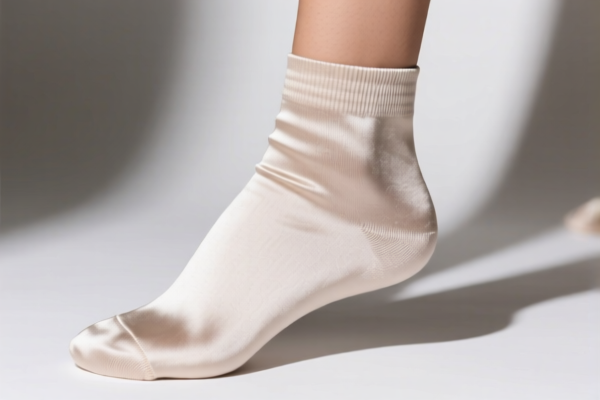
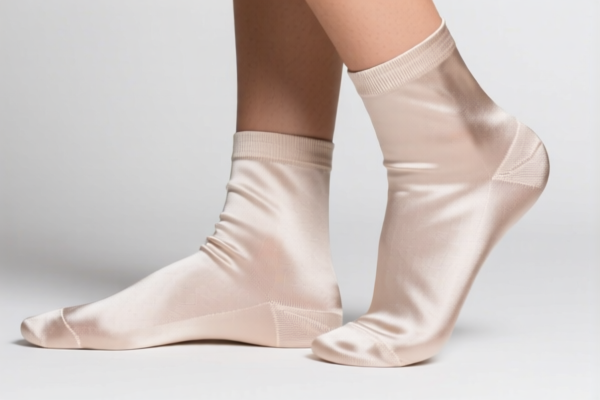
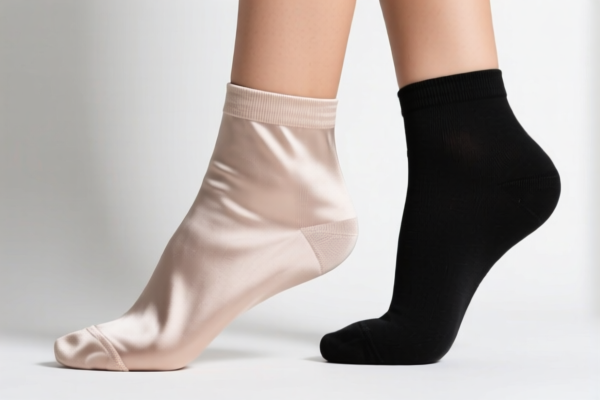
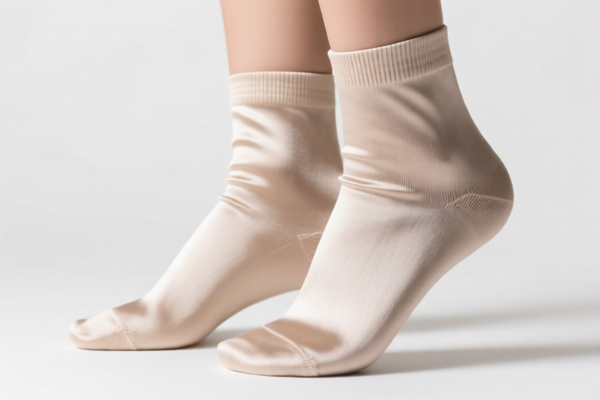
AI Analysis
🧦 Ice Silk Short Sleeve Suit (UV Protection Sleeves / Arm Sleeves)
🌐 HS Code Reference & Customs Clearance Guide | 2026 Latest Tariff Analysis | Professional Clearance Strategy
📌 I. Product Definition & Classification: Do You Really Understand "Ice Silk Sleeves"?
"Ice Silk" (冰丝) is not a botanical or biological fiber but a commercial term primarily referring to synthetic regenerated fibers (such as polyamide, polyester, or viscose blends) known for their smooth texture, cooling sensation, and moisture-wicking properties. In international trade, these products are generally classified as apparel accessories or textile articles, depending on their structure and whether they are knitted or woven.
Key Distinctions: * Knitted vs. Woven: "Ice silk" sleeves are often knitted (elastic, stretchy) or woven (structured). This distinction heavily influences the HS Code chapter (61 for Knitted vs. 62 for Woven). * Accessories vs. Manufactures: Are they "part of a garment" (accessories) or "finished textile articles" on their own? Customs often debate this. If they are simply sleeves without cuffs or complex tailoring, they may fall under "other made-up textile articles."
⚠️ Critical Classification Point:
- If the product is knitted (stretchy, looped structure) → Look to Chapter 61 (Knitted or Crocheted).
- If the product is woven (flat, non-stretchy or woven elastic) → Look to Chapter 62 (Non-Knitted).
- If the material is considered a "textile article" rather than a clothing accessory → Look to Chapter 63.
📦 II. HS Code Classification Details (2026 Latest Tariff Authority Comparison)
| HS Code | Product Description | Applicable Scenario | Tax Rate (Total) |
|---|---|---|---|
6307.90.98.91 |
Other made-up textile articles, made of man-made fiber fabrics | Woven "ice silk" sleeves, considered general textile accessories | 24.5% |
6307.90.89.95 |
Other made-up textile articles, made of artificial fibers | Woven sleeves where material is classified as "artificial" (e.g., viscose) | 17.0% |
6117.80.95.70 |
Other made-up clothing accessories, knitted or crocheted, of man-made fibers | Knitted ice silk sleeves (most common for stretchy UV sleeves) | 32.1% |
6217.10.95.30 |
Other made-up clothing accessories, not knitted or crocheted, of man-made or artificial fibers | Woven sleeves, strictly classified as "clothing accessories" | 32.1% |
6217.10.85.00 |
Other made-up clothing accessories, not knitted or crocheted, of silk or man-made fibers | Woven sleeves, potentially lower base rate if material classification differs | 24.6% |
🔍 Key Insight:
- Knitted vs. Woven is the biggest risk factor. Misclassifying a knitted sleeve (Chapter 61) as a woven one (Chapter 62) can lead to discrepancies in duty rates and legal interpretations. - "Ice Silk" is ambiguous. Customs may classify it as "Man-made fiber" (synthetic like nylon/polyester) or "Artificial fiber" (regenerated like viscose/rayon). This affects the base rate significantly (e.g., 7% vs 14.6%).
💰 III. 2026 Latest Tariff Rate Breakdown (Including Surcharges & Policy Add-ons)
✅ Applicable Country: United States (US)
✅ Origin: China (CN)
✅ Effective Time: 2025-11-10 onwards (including subsequent imports)
🎯 1. 6307.90.98.91 —— Other Made-up Textile Articles (Man-made Fiber)
| Item | Content |
|---|---|
| Base Duty | 7.0% |
| Section 301 Surcharge | 7.5% |
| Section 122 Surcharge | 10.0% |
| Total Rate | 24.5% |
| Tax Calculation | CIF Value × 24.5% |
| De Minimis Exemption | ❌ Not Eligible (High tariff rate exceeds threshold for 80/90 exemptions) |
| Legal Basis | Section 301: 7.5% → Section 122: 10% → USITC: 6307.90.98.91 |
📌 Explanation:
- This code assumes a woven structure classified as a general textile article. - The 7% base is relatively low, but the 7.5% Section 301 and 10% Section 122 add up significantly.
🎯 2. 6307.90.89.95 —— Other Made-up Textile Articles (Artificial Fiber)
| Item | Content |
|---|---|
| Base Duty | 7.0% |
| Section 301 Surcharge | 0.0% |
| Section 122 Surcharge | 10.0% |
| Total Rate | 17.0% |
| Tax Calculation | CIF Value × 17.0% |
| De Minimis Exemption | ❌ Not Eligible |
| Legal Basis | Section 122: 10% → USITC: 6307.90.89.95 |
📌 Note:
- This is the most cost-effective option if the material can be legally defined as "artificial fiber" (e.g., viscose/rayon-based ice silk) AND it is woven. - Section 301 exemption (0%) makes this significantly cheaper than other options.
🎯 3. 6117.80.95.70 —— Knitted Clothing Accessories (Man-made Fiber)
| Item | Content |
|---|---|
| Base Duty | 14.6% |
| Section 301 Surcharge | 7.5% |
| Section 122 Surcharge | 10.0% |
| Total Rate | 32.1% |
| Tax Calculation | CIF Value × 32.1% |
| De Minimis Exemption | ❌ Not Eligible |
| Legal Basis | Section 301: 7.5% → Section 122: 10% → USITC: 6117.80.95.70 |
📌 Warning:
- If your sleeves are knitted (stretchy, loop-knit), they likely fall here. - The base rate is much higher (14.6%) compared to Chapter 63. - Total tax is the highest among all options.
🎯 4. 6217.10.95.30 —— Woven Clothing Accessories (Man-made/Artificial Fiber)
| Item | Content |
|---|---|
| Base Duty | 14.6% |
| Section 301 Surcharge | 7.5% |
| Section 122 Surcharge | 10.0% |
| Total Rate | 32.1% |
| Tax Calculation | CIF Value × 32.1% |
| De Minimis Exemption | ❌ Not Eligible |
| Legal Basis | Section 301: 7.5% → Section 122: 10% → USITC: 6217.10.95.30 |
📌 Note:
- Applies to woven sleeves that are strictly defined as "clothing accessories." - High base rate (14.6%) plus surcharges leads to the highest total tax.
🎯 5. 6217.10.85.00 —— Woven Clothing Accessories (Silk/Man-made Fiber)
| Item | Content |
|---|---|
| Base Duty | 14.6% |
| Section 301 Surcharge | 0.0% |
| Section 122 Surcharge | 10.0% |
| Total Rate | 24.6% |
| Tax Calculation | CIF Value × 24.6% |
| De Minimis Exemption | ❌ Not Eligible |
| Legal Basis | Section 122: 10% → USITC: 6217.10.85.00 |
📌 Opportunity:
- Similar to6307.90.89.95, if Section 301 applies at 0%, the total rate drops to 24.6%. - Requires careful material substantiation to qualify for the lower Section 301 rate.
🛠️ IV. Customs Clearance Practical Advice (Avoid Pitfalls)
✅ 1. Preparation Checklist (Must-Haves)
| Document | Required | Description |
|---|---|---|
| ✅ Product Specifications | ✔️ | Must specify: Material composition (e.g., 80% Nylon, 20% Spandex), Structure (Knitted/Woven), Intended Use (UV Protection/Sports) |
| ✅ Material Test Report | ✔️ | Third-party lab report confirming "Ice Silk" is not natural silk or wool. Must define as Synthetic or Regenerated. |
| ✅ Product Photos | ✔️ | Clear images showing the loop/knit structure (for Chapter 61) or flat weave (for Chapter 62). Include close-ups of seams. |
| ✅ Commercial Invoice | ✔️ | Describe as "UV Protection Arm Sleeves, Made of Man-Made Fibers," NOT "Silk Gloves" or "Clothing." |
| ✅ Packing List | ✔️ | Detail packaging to ensure they are not considered "part of a larger garment." |
✅ 2. Declaration Tips (Key Mantra)
🔥 "Knit is 61, Woven is 62, Material Defines 301, 122 Hits Both!"
| Scenario | Correct Declaration | Wrong Practice |
|---|---|---|
| Stretchy, Loop-knit Sleeves | 6117.80.95.70 (Chapter 61) |
Declare as Woven (62) → Risk of reclassification & penalties |
| Flat, Woven Sleeves (Viscose) | 6307.90.89.95 (Chapter 63) |
Declare as 6117 → Overpay or misclassification |
| "Ice Silk" (Regenerated Fiber) | Specify "Artificial Fiber" in material description | Just say "Ice Silk" → Customs may default to "Man-made" (higher 301 rate) |
| Knitted Sleeves | Ensure HS Code starts with 6117 |
Using 6217 (Woven) → 14.6% base + 7.5% 301 = 32.1% |
✅ 3. Special Handling
| Scenario | Recommendation |
|---|---|
| OEM/Custom Colors | Provide dye lot info and material composition sheet to prove consistency. |
| Mixed Materials | If >50% is man-made, classify under man-made. If mixed, use "Not elsewhere specified." |
| Gift Sets | If sold with a hat or bag, ensure proper valuation. Accessories are often valued separately or as a set based on principal item. |
| Anti-Dumping | Check if specific "knitted accessories" from China have anti-dumping duties. (Currently, no specific AD for ice silk sleeves, but always verify). |
🌍 V. Global Market Clearance Comparison (2026 Latest)
| Country/Region | Recommended HS Code | Estimated Duty | Certification | Notes |
|---|---|---|---|---|
| 🇺🇸 USA | 6307.90.89.95 (Woven/Artificial) |
17.0% | CE (if applicable) | Lowest US rate if Section 301 is 0%. Watch out for Section 122 (10%). |
| 🇨🇳 China | 6307.90.98.91 |
Low (MFN) | CCC (if applicable) | Domestic clearance is straightforward. |
| 🇪🇺 EU | 6307.90.90 |
Varies (usually 4-12%) | CE/REACH | EU does not have Section 301/122 equivalents. Tariff is generally lower than US. |
| 🇦🇺 Australia | 6307.90.90 |
5% - 10% | ACMA (if electronic) | No major surcharges. |
| 🇯🇵 Japan | 6307.90.90 |
7% - 10% | PSE (if applicable) | Stable tariff regime. |
📌 Conclusion:
- USA is the most complex market due to Section 301 and Section 122 surcharges.
- Optimizing Material Classification (Artificial vs. Man-made) and Structure (Woven vs. Knitted) is the key to saving 5-15% in duties.
📌 VI. Common Errors & Pitfalls (Blood Lessons)
❌ Mistake 1: Using "Silk" in the description for "Ice Silk"
👉 Consequence: Customs may classify as true silk (HS 50) or reject it, causing delays. "Ice Silk" is not silk.
✅ Fix: Always use "Man-made fiber" or "Regenerated fiber" and explicitly state "Not Silk."
❌ Mistake 2: Confusing Knitted vs. Woven
👉 Consequence: If you declare Woven (62) but it's Knitted (61), you face base rate difference (14.6% vs 7%) + legal penalties.
✅ Fix: Provide a physical sample or detailed photo showing the loop structure for knitted items.
❌ Mistake 3: Ignoring Section 122 (10%)
👉 Consequence: Many importers forget the 10% Section 122 tariff on certain Chinese textile goods, leading to unexpected costs.
✅ Fix: Always add 10% to your cost model for Section 122 applicable codes.
❌ Mistake 4: Overlooking De Minimis Exemptions
👉 Consequence: While Section 301/122 often block de minimis, if your total tariff is low enough, you might still qualify. However, with rates >25%, it's generally not worth the hassle.
✅ Fix: Plan for full duty payment for B2B shipments.
🎯 VII. Conclusion: Professional Declaration, Save Money & Time!
🎯 Remember the Mantra:
🔹 "Knit is 61, Woven is 62. Artificial fiber = Lower 301. Ice Silk ≠ Silk."
🔹 "Check Section 122 (10%). Check Section 301 (7.5% or 0%). Total Tax = Base + Surcharges."
📌 Pro Tip:
If your "ice silk" sleeves are made of viscose/rayon (Artificial Fiber) and are woven, strive for HS Code 6307.90.89.95 to benefit from 0% Section 301 and a 17% total rate. This is the cheapest path for US imports.
For knitted sleeves (which are more common for UV protection), you are likely stuck with 6117.80.95.70 at 32.1%. Consider if a woven alternative is possible for cost savings.
📣 Immediate Action:
📞 Contact a customs broker + Provide material test reports + Apply for Pre-Ruling if possible.
🚀 Ensure your supplier declares the exact fiber composition to avoid misclassification.
✨ Professional clearance starts with accurate classification!
💼 Every percentage point matters in cross-border e-commerce!
Customer Reviews
About HS Code Classification
The Harmonized System (HS) is an internationally standardized nomenclature developed by the World Customs Organization (WCO) to classify traded products. Over 200 countries use the HS system as the basis for customs tariffs, trade statistics, and import/export regulations.
Each HS code follows a hierarchical structure:
- Chapter (2 digits) — Broad category of goods (e.g., Chapter 84: Machinery and Mechanical Appliances)
- Heading (4 digits) — More specific grouping within the chapter
- Subheading (6 digits) — Internationally standardized breakdown, used by all WCO member countries
- National subdivisions (8-10 digits) — Country-specific extensions for further classification, such as US HTSUS 10-digit codes
Correct HS code classification is essential for smooth customs clearance, accurate duty payment, and compliance with trade regulations. Misclassification can lead to customs delays, overpayment of duties, or penalties.
When importing from CN to US, the applicable tariff rates may include:
- Most-Favored-Nation (MFN) rate — The standard duty rate applied to WTO members
- General rate — Applied to countries without trade agreements
- Trade remedy duties — Additional tariffs such as Section 301 (anti-dumping), Section 232 (national security), or countervailing duties
The information provided on this page is for reference purposes only. For official classification, please consult with your local customs authority or a licensed customs broker.