Industrial Grade Molybdenum Salt Catalyst
CN → US| HS Code | Tariff Rate | Origin | Destination | Doc |
|---|---|---|---|---|
| 3824993400 | 37.8% | CN | US | Official Doc |
| 3815902000 | 37.8% | CN | US | Official Doc |
| 3824992900 | 41.5% | CN | US | Official Doc |
| 3815190000 | 35.0% | CN | US | Official Doc |
| 2825700000 | 13.2% | CN | US | Official Doc |
| 2825909000 | 38.7% | CN | US | Official Doc |
Product Images
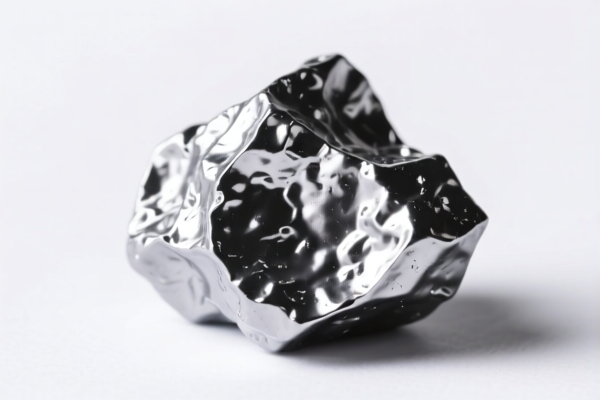
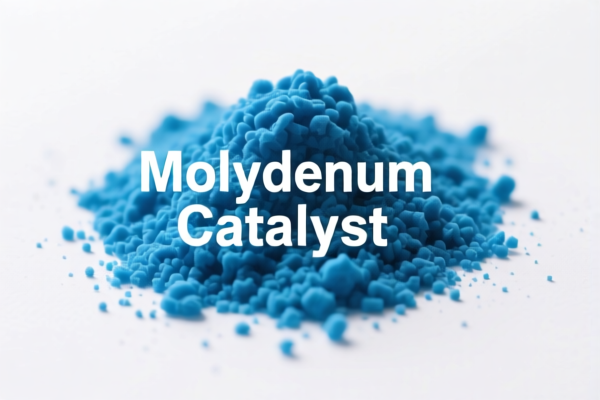
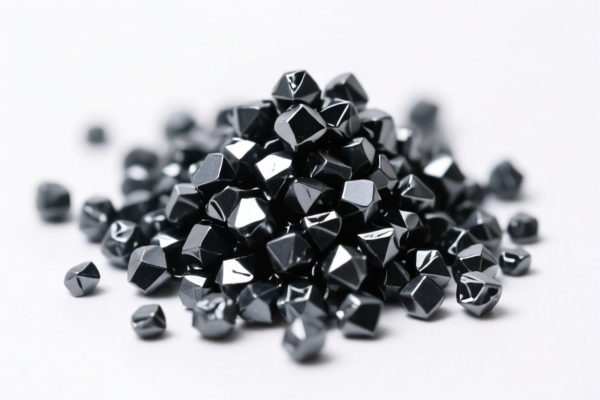

AI Analysis
🧪 Industrial Grade Molybdenum Salt Catalyst
🌐 HS Code Reference & Customs Clearance Guide | 2026 Latest Tariff Analysis | Professional Clearance Strategy
📌 Part 1: Product Definition & Classification: Do You Really Understand "Molybdenum Catalysts"?
Industrial Grade Molybdenum Salt Catalyst is a critical chemical reagent used in petroleum refining, chemical synthesis, and environmental protection processes. In international trade, it is primarily classified into two categories based on its form and function:
1. Pre-mixed Catalyst Preparations (Chemical Preparations):
These are commercial products specifically formulated for catalytic use, often containing binders, carriers, or stabilizers. They fall under Chapter 38 (Miscellaneous Chemical Products).
2. Raw Chemical Components (Inorganic Compounds):
These are pure or semi-pure molybdenum oxides, hydroxides, or salts intended as the active ingredient in the catalyst. They fall under Chapter 28 (Inorganic Chemicals).
⚠️ Key Distinction Point:
- If the product is a finished preparation designed for immediate catalytic use →归入 Chapter 38 (e.g., 3815, 3824)
- If the product is a raw chemical substance (oxide/salt) used as a component → 归入 Chapter 28 (e.g., 2825)
- Critical Rule: Pure chemicals generally do not fall under Chapter 38 unless they are specifically "preparations" for catalysis. However, commercial catalysts are almost always "preparations."
📦 Part 2: HS Code Classification Details (2026 Latest Tariff Authority Comparison)
| HS Code | Product Description | Application Scenario | Tax Rate Breakdown |
|---|---|---|---|
3824.99.34.00 |
Molybdenum-based catalysts, classified as chemical industry preparations, meeting the definition of inorganic compound mixtures | Commercially packed catalysts for specific industrial reactors | 37.8% |
3815.90.20.00 |
Molybdenum-based catalysts, material and use completely match | General-purpose catalytic preparations | 37.8% |
3824.99.29.00 |
Other chemical products and preparations not specifically mentioned, material is a chemical substance | Miscellaneous chemical mixtures not fitting specific catalyst codes | 41.5% |
3815.19.00.00 |
Catalyst preparations, consistent use, no material conflict | Standard catalyst preparations without specific molybdenum exclusions | 35.0% |
2825.70.00.00 |
Oxides or hydroxides of molybdenum, as the main component of the catalyst | Raw material form (pure chemical) | 13.2% |
2825.90.90.00 |
Other inorganic metal oxides, containing molybdenum, no material conflict | Mixed inorganic oxides where molybdenum is present | 38.7% |
🔍 Key Reminder:
- "Catalyst Preparations" (Chapter 38) are subject to higher additional tariffs due to trade restrictions.
- "Raw Chemicals" (Chapter 28) may have lower base tariffs but can trigger scrutiny if misdeclared as raw materials when they are actually finished preparations.
- Misclassification Risk: Declaring a ready-to-use catalyst as a raw oxide (2825) to avoid taxes is a common customs violation.
💰 Part 3: 2026 Latest Tariff Rate Details (Including Additional Taxes & Policy Add-ons)
✅ Applicable Country: United States (US)
✅ Country of Origin: China (CN)
✅ Effective Date: November 10, 2025 onwards (including subsequent imports)
🎯 1. 3824.99.34.00 —— Molybdenum-based Catalysts (Chemical Preparations)
| Item | Details |
|---|---|
| Base Tariff | 2.8% (ad valorem) |
| Section 301 Tariff | +25.0% |
| Section 122 Tariff | +10.0% |
| Total Tariff | 37.8% |
| Tax Calculation | CIF Value × 37.8% |
| De Minimis Exemption | ❌ Not Eligible (deny_de_minimis) |
| Legal Basis Path | Section 301: 9903.88.01 → Section 122: IEEPA → USITC: 3824.99.34.00 |
📌 Explanation:
- The 25% comes from the Section 301 Trade Action against China;
- The 10% is an additional penalty tariff under Section 122 (or specific enforcement actions);
- Total 37.8% is a significant cost factor. Must be pre-calculated!
🎯 2. 3815.90.20.00 —— Molybdenum-based Catalysts (Material & Use Match)
| Item | Details |
|---|---|
| Base Tariff | 2.8% |
| Section 301 Tariff | +25.0% |
| Section 122 Tariff | +10.0% |
| Total Tariff | 37.8% |
| Tax Calculation | CIF × 37.8% |
| De Minimis Exemption | ❌ Not Eligible |
| Legal Basis Path | Section 301: 9903.88.01 → USITC: 3815.90.20.00 |
📌 Note:
- Same tax structure as3824.99.34.00;
- Applies to catalysts where the material composition is explicitly molybdenum-based.
🎯 3. 3824.99.29.00 —— Other Chemical Preparations (No Specific Catalyst Code)
| Item | Details |
|---|---|
| Base Tariff | 6.5% |
| Section 301 Tariff | +25.0% |
| Section 122 Tariff | +10.0% |
| Total Tariff | 41.5% |
| Tax Calculation | CIF × 41.5% |
| De Minimis Exemption | ❌ Not Eligible |
| Legal Basis Path | Section 301: 9903.88.01 → USITC: 3824.99.29.00 |
📌 Warning:
- This is the highest tax bracket for general chemical preparations;
- Use only if the product cannot be classified under specific catalyst codes (3815or3824.34).
🎯 4. 3815.19.00.00 —— Catalyst Preparations (General)
| Item | Details |
|---|---|
| Base Tariff | 0.0% |
| Section 301 Tariff | +25.0% |
| Section 122 Tariff | +10.0% |
| Total Tariff | 35.0% |
| Tax Calculation | CIF × 35.0% |
| De Minimis Exemption | ❌ Not Eligible |
| Legal Basis Path | Section 301: 9903.88.01 → USITC: 3815.19.00.00 |
📌 Advantage:
- Lowest total tariff among Chapter 38 catalysts;
- Applicable if the catalyst is a general preparation not specifically listed as "Molybdenum-based" in the detailed subheadings.
🎯 5. 2825.70.00.00 —— Oxides or Hydroxides of Molybdenum (Raw Material)
| Item | Details |
|---|---|
| Base Tariff | 3.2% |
| Section 301 Tariff | 0.0% |
| Section 122 Tariff | +10.0% |
| Total Tariff | 13.2% |
| Tax Calculation | CIF × 13.2% |
| De Minimis Exemption | ❌ Not Eligible (if declared as catalyst component) |
| Legal Basis Path | Section 122: IEEPA → USITC: 2825.70.00.00 |
📌 Caution:
- Only applicable if the product is a pure chemical compound (e.g., Molybdenum Oxide, MoO₃);
- Do NOT use if the product is a formulated catalyst preparation;
- Misdeclaration can lead to severe penalties.
🎯 6. 2825.90.90.00 —— Other Inorganic Metal Oxides (Containing Molybdenum)
| Item | Details |
|---|---|
| Base Tariff | 3.7% |
| Section 301 Tariff | +25.0% |
| Section 122 Tariff | +10.0% |
| Total Tariff | 38.7% |
| Tax Calculation | CIF × 38.7% |
| De Minimis Exemption | ❌ Not Eligible |
| Legal Basis Path | Section 301: 9903.88.01 → USITC: 2825.90.90.00 |
📌 Note:
- For mixed inorganic oxides where molybdenum is present but not the primary defined substance;
- High tax burden similar to Chapter 38.
🛠️ Part 4: Customs Clearance Practical Advice (Combat Pitfalls Guide)
✅ 1. Required Documentation Checklist (Non-negotiable)
| Document | Mandatory | Description |
|---|---|---|
| ✅ Product Specification Sheet | ✔️ | Must detail chemical composition, CAS numbers, purity, and physical form |
| ✅ Certificate of Analysis (COA) | ✔️ | Proves chemical nature (pure oxide vs. preparation) |
| ✅ Product Photos (Clear Label) | ✔️ | Show packaging, warning labels, and product state |
| ✅ Safety Data Sheet (SDS) | ✔️ | Essential for chemical imports; classify under Hazmat if applicable |
| ✅ Commercial Invoice | ✔️ | Must explicitly state "Catalyst Preparation" or "Molybdenum Oxide" |
| ✅ Packing List | ✔️ | Details net/gross weight; crucial for volume-based taxes |
| ✅ Origin Certificate (CO) | ✔️ | If non-China origin, may qualify for exemptions |
✅ 2. Declaration Tips (Key Mantra)
🔥 "Pure Chemicals = Chapter 28, Formulated Catalysts = Chapter 38. Misclassification = Penalty!"
| Scenario | Correct Declaration | Wrong Practice |
|---|---|---|
| Ready-to-use catalyst powder | 3815.90.20.00 or 3824.99.34.00 |
Declaring as "Molybdenum Oxide" (2825) → High Risk |
| Pure Molybdenum Trioxide (MoO₃) | 2825.70.00.00 |
Declaring as "Catalyst" → Unnecessary High Tax |
| Mixed chemical solution for catalysis | 3824.99.29.00 |
Declaring as "Raw Material" |
| Catalyst pellets with binders | 3815.19.00.00 |
Declaring as simple metal salt |
✅ 3. Special Case Handling
| Scenario | Handling Advice |
|---|---|
| OEM Custom Catalyst | Provide client order + formulation diagram. Avoid vague terms like "Chemical Mix." |
| Catalyst with Toxic Components | Must declare as Hazmat (UN Number). Additional handling fees apply. |
| Small Sample Imports | No De Minimis Exemption for chemical catalysts from China. Full duty applies. |
| Molybdenum Oxide vs. Catalyst | If the product has binders, carriers, or promoters, it is a Preparation (Ch. 38). If it is >99% pure MoO₃, it is Chemical (Ch. 28). |
🌍 Part 5: Global Market Clearance Comparison (2026 Latest)
| Country/Region | Recommended HS Code | Tariff (China Origin) | Certification Requirements | Notes |
|---|---|---|---|---|
| 🇺🇸 USA | 3815.90.20.00 |
37.8% | SDS + Hazmat Declaration | High additional taxes |
| 🇨🇳 China | 3815.90.20.00 |
5-8% (Import Duty) | None (for import) | Low base duty |
| 🇪🇺 EU | 3815.90.20.00 |
4.5% + REACH Registration | REACH + CLP Labeling | REACH compliance is critical |
| 🇯🇵 Japan | 3815.90.20.00 |
6.0% | JIS Standards | No additional trade tariffs |
| 🇮🇳 India | 3815.90.20.00 |
7.5% + SBC | BIS Certification | Anti-dumping duties may apply |
📌 Conclusion:
- USA is the most expensive market due to Section 301 and Section 122 tariffs;
- EU requires strict REACH compliance;
- Chemical nature must be precisely defined to avoid misclassification penalties.
📌 Part 6: Common Errors & Pitfall Guide (Lessons Learned)
❌ Error 1: Declaring a formulated catalyst as Molybdenum Oxide (2825)
👉 Consequence: Customs rejects due to inconsistency in CAS numbers/additives. Delay + Penalty.
❌ Error 2: Using vague terms like "Industrial Chemical" on Invoice
👉 Consequence: Customs assigns highest possible tariff (3824.99.29.00 → 41.5%).
❌ Error 3: Ignoring Section 122 Tariff
👉 Consequence: Underpayment by 10% → Back Taxes + Interest.
❌ Error 4: Not providing SDS for chemical imports
👉 Consequence: Hold at Border until documentation is provided.
✅ Correct Practice:
"Molybdenum-based Catalyst Preparation, Formulated for Hydrodesulfurization, CAS No. XXXXX-XX-X, Purity 98%, Net Weight 25kg."
🎯 Part 7: Conclusion: Precision Classification Saves Costs!
🎯 Remember the Mantra:
🔹 "Pure Oxide = Ch. 28, Prepared Catalyst = Ch. 38."
🔹 "Section 301 + 122 = 35-41% Tariff on Catalysts."
🔹 "Misdeclaration is not worth the risk!"
📌 Pro Tip:
If your catalyst is originating from Vietnam, Mexico, or Thailand, you may apply for IEEPA Exemption or Section 301 Exclusion, reducing tariffs to 0%-5%.
Recommendation: Apply for Advance Ruling (Ruling Letter) from US CBP before shipment to ensure correct classification.
📣 Immediate Action:
📞 Contact a professional customs broker + Provide SDS & COA + Apply for HS Code Advance Ruling
🚀 Ensure your Molybdenum Catalyst clears customs smoothly, avoids penalties, and maximizes profit!
✨ Professional Clearance Starts with Accurate Classification!
💼 Every cent of tax cost should be precisely calculated!
Customer Reviews
About HS Code Classification
The Harmonized System (HS) is an internationally standardized nomenclature developed by the World Customs Organization (WCO) to classify traded products. Over 200 countries use the HS system as the basis for customs tariffs, trade statistics, and import/export regulations.
Each HS code follows a hierarchical structure:
- Chapter (2 digits) — Broad category of goods (e.g., Chapter 84: Machinery and Mechanical Appliances)
- Heading (4 digits) — More specific grouping within the chapter
- Subheading (6 digits) — Internationally standardized breakdown, used by all WCO member countries
- National subdivisions (8-10 digits) — Country-specific extensions for further classification, such as US HTSUS 10-digit codes
Correct HS code classification is essential for smooth customs clearance, accurate duty payment, and compliance with trade regulations. Misclassification can lead to customs delays, overpayment of duties, or penalties.
When importing from CN to US, the applicable tariff rates may include:
- Most-Favored-Nation (MFN) rate — The standard duty rate applied to WTO members
- General rate — Applied to countries without trade agreements
- Trade remedy duties — Additional tariffs such as Section 301 (anti-dumping), Section 232 (national security), or countervailing duties
The information provided on this page is for reference purposes only. For official classification, please consult with your local customs authority or a licensed customs broker.