Insulation Tape Waterproof
CN → US| HS Code | Tariff Rate | Origin | Destination | Doc |
|---|---|---|---|---|
| 5906911000 | 37.7% | CN | US | Official Doc |
| 5604909000 | 40.0% | CN | US | Official Doc |
| 5906100000 | 37.9% | CN | US | Official Doc |
| 3919905030 | 40.8% | CN | US | Official Doc |
| 5604902000 | 43.8% | CN | US | Official Doc |
Product Images
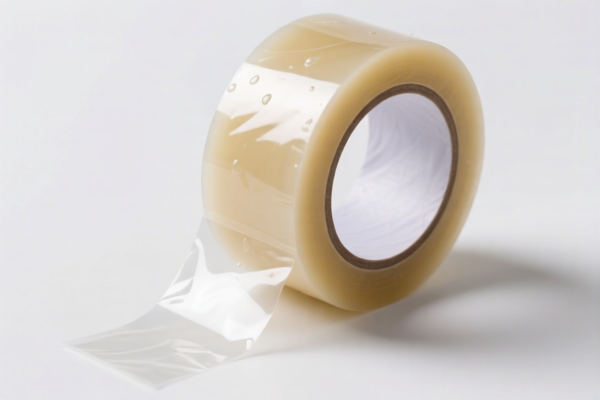


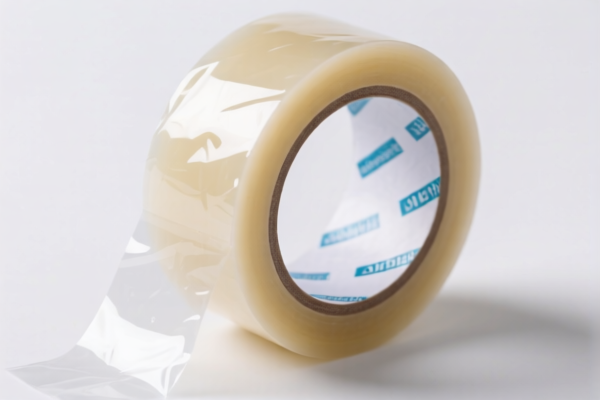
AI Analysis
🩹 Insulation Tape Waterproof
🌐 HS Code Reference & Customs Clearance Guide | 2026 Latest Tariff Analysis | Professional-Level Clearance Strategy
📌 I. Product Definition & Classification: Do You Really Understand “Waterproof Insulation Tape”?
Waterproof Insulation Tape is a specialized material used primarily for electrical insulation and waterproof sealing in harsh environments. It typically consists of an adhesive layer combined with a textile base or a polymer/film substrate. In international trade, its classification hinges on whether it is primarily viewed as a rubberized/coated textile or a plastic sheeting/tape.
Key Distinction:
- If the tape has a textile base (fabric, mesh) coated or impregnated with rubber/plastic to provide waterproofing and insulation → It falls under Chapter 59 (Rubberized Textiles).
- If the tape is a flexible plastic film (PVC, PE, synthetic resin) with adhesive, without a textile base → It falls under Chapter 39 (Plastics) or Chapter 56 (Impregnated Textiles if minor textile reinforcement exists, but usually Plastic if dominant).
⚠️ Critical Classification Point:
- If the textile substrate is the essential character (even if coated heavily with rubber) → 5906.xxxx or 5604.xxxx.
- If it is a plastic sheet with adhesive, not reinforced by textile → 3919.xxxx.
- Misclassification here leads to massive tariff differences (e.g., 37.7% vs. 43.8% or 40.8%).
📦 II. HS Code Classification Details (Based on Provided Data)
Below are the 5 possible HS Codes from the reference data, with detailed explanations for why each applies and the corresponding tax implications.
| HS Code | Product Description | Applicable Scenario | Reason for Classification | Total Tax Rate* |
|---|---|---|---|---|
5906.91.10.00 |
Rubberized Textiles, Not Otherwise Specified | Waterproof tape with textile/fabric base coated with rubber | The summary states it matches the attribute of “rubberized/coated textiles.” The waterproof feature aligns with “rubberized” properties. | 37.7% |
5604.90.90.00 |
Yarn, Stripe and the Like, Impregnated, Coated, Covered or Sheathed with Rubber or Plastic | Tape where rubber/plastic coating is the dominant feature on a textile support | The summary highlights “impregnated/coated with rubber or plastic.” This fits if the tape is essentially a textile strip treated with waterproofing agents. | 40.0% |
5906.10.00.00 |
Rubberized Textile Fabrics, of a Width Exceeding 30 cm (Note: Check Width!) | Wide rubberized textile fabrics/tapes | The summary notes “waterproof” aligns with “rubberized” material attributes and “tape” form. Note: Verify width; if ≤30cm, this code may not apply, but it is in the dataset. | 37.9% |
3919.90.50.30 |
Self-Adhesive Plates, Sheets, Film, Foil, Tape, Strip and Other Flat Shapes, of Plastics | Plastic-based waterproof tape (e.g., PVC, PE) without significant textile reinforcement | The summary infers “plastic or synthetic resin base” due to flat band shape. This is the correct code if the tape is purely plastic with adhesive. | 40.8% |
5604.90.20.00 |
Other Yarn, etc., Coated with Plastic (excluding Rubber) | Tape coated primarily with plastic (not rubber) | The summary mentions “impregnated or coated with polymer (plastic/rubber).” If the coating is plastic-heavy and distinct from rubber, this code applies. | 43.8% |
🔍 Key Insight:
- Textile-Based Tapes (Fabric-backed electrical tape, duct tape variants): Use5906or5604codes.
- Plastic-Based Tapes (PVC electrical tape, plumbing wrap): Use3919.
- The Total Tax Rate varies from 37.7% to 43.8%, driven by different base tariffs (2.7%–8.8%) plus the 25% Section 301 tariff and 10% 122 Clause tariff.
💰 III. 2026 Latest Tariff Rate Breakdown (Including Surtaxes & Policy Add-ons)
✅ Applicable Country: United States (US)
✅ Origin: China (CN)
✅ Effective Time: Ongoing (2025–2026)
All HS Codes listed above share the same additional tariff structure, but differ in Base Tariff. Here is the detailed breakdown:
🎯 Tariff Structure for All 5 HS Codes
| Item | Content |
|---|---|
| Base Tariff | Varies by HS Code (See below) |
| Section 301 Surtax (USITC) | +25% (Applied to all Chinese-origin goods in these categories) |
| 122 Clause Tariff (IEEPA) | +10% (Specific additional duty for certain Chinese goods under 122) |
| Total Tax Rate | Base + 25% + 10% |
| Calculation Basis | CIF Value (Cost, Insurance, Freight) |
| De Minimis Exemption | ❌ Not Eligible (Deny de minimis for goods under 301/122) |
| Legal Authority | 19 U.S.C. § 1677j (301), 50 U.S.C. § 1702 (122) |
📊 Base Tariff Breakdown by HS Code
| HS Code | Base Tariff | Additional Taxes (25% + 10%) | Total Effective Rate |
|---|---|---|---|
5906.91.10.00 |
2.7% | 35.0% | 37.7% |
5906.10.00.00 |
2.9% | 35.0% | 37.9% |
5604.90.90.00 |
5.0% | 35.0% | 40.0% |
3919.90.50.30 |
5.8% | 35.0% | 40.8% |
5604.90.20.00 |
8.8% | 35.0% | 43.8% |
📌 Explanation:
- The 25% is the standard Section 301 tariff on Chinese goods.
- The 10% is the additional 122 Clause tariff, which applies to specific industrial inputs.
- Total Cost Impact: For a $10,000 shipment, expect $3,770 to $4,380 in duties alone.
- No Free Trade Agreement (FTA) benefits apply for China-origin goods in this context.
🛠️ IV. Customs Clearance Practical Advice (Battle-Tested Pitfall Guide)
✅ 1. Required Documentation Checklist (Non-Negotiable)
| Document | Required | Purpose |
|---|---|---|
| ✅ Product Specification Sheet | ✔️ | Must detail: Base material (Textile vs. Plastic), Coating type (Rubber vs. Plastic), Width, Length, Adhesive type. |
| ✅ Material Composition Report | ✔️ | Critical: Proof of % composition. Is it >50% textile? Then Chapter 59/56. Is it >50% plastic? Then Chapter 39. |
| ✅ High-Resolution Photos | ✔️ | Show cross-section to identify base layer (fabric weave vs. smooth plastic). |
| ✅ Commercial Invoice | ✔️ | Clearly state: “Waterproof Insulation Tape, [Material], Self-Adhesive.” Avoid vague terms like “Tape.” |
| ✅ Certificate of Origin (CO) | ✔️ | Must indicate China origin to confirm applicability of 301/122 tariffs. |
| ✅ HS Code Pre-Ruling (Optional but Recommended) | ✔️ | Obtain a binding ruling from CBP to avoid reclassification disputes. |
✅ 2. Classification Strategy (Key Rules)
🔥 “Know Your Base: Textile = 59/56, Plastic = 39”
| Scenario | Correct HS Code | Risk if Misclassified |
|---|---|---|
| Fabric-backed tape (e.g., cloth electrical tape) with rubber/plastic coating | 5906.91.10.00 or 5906.10.00.00 |
If declared as plastic (3919), CBP may assess higher base duty (5.8%) + penalties. |
| Pure Plastic tape (e.g., PVC vinyl tape) | 3919.90.50.30 |
If declared as textile, CBP may reclassify to 5604 or 5906, causing delays. |
| Tape with minimal textile reinforcement (Plastic dominant) | 3919.90.50.30 |
Misclassifying as textile may lead to higher scrutiny on “essential character.” |
| Tape heavily impregnated with plastic (Textile hidden) | 5604.90.20.00 |
Higher duty (43.8%). Only use if plastic coating is the defining feature. |
✅ 3. Special Handling Tips
| Situation | Recommendation |
|---|---|
| Mixed Shipment | Clearly separate “Textile-based” and “Plastic-based” tapes in the invoice. Do not lump them under one HS code. |
| Width > 30 cm | If width exceeds 30 cm, it may fall under “Fabric” (5906.10) rather than “Tape.” Ensure dimensions are accurate. |
| Adhesive Type | Specify if it’s pressure-sensitive. This confirms it’s a “tape” and not a “sheet.” |
| End Use | State “Electrical Insulation” or “Waterproof Sealing.” Avoid “Packaging” if it’s primarily for electrical use, as packaging tapes may have different codes. |
🌍 V. Global Market Clearance Comparison (2026)
| Country/Region | Recommended HS Code | Base Tariff | 301/Extra Tariffs | Total Effective Rate |
|---|---|---|---|---|
| 🇺🇸 USA | 5906.91.10.00 / 3919.90.50.30 |
2.7% – 5.8% | +35% (25% 301 + 10% 122) | 37.7% – 40.8% |
| 🇨🇳 China | 5906.91.10.00 / 3919.90.50.30 |
5% – 10% | None | 5% – 10% |
| 🇪🇺 EU | 3919.90.90 / 5906.99 |
6.5% – 8% | None | 6.5% – 8% |
| 🇬🇧 UK | 3919.90.90 / 5906.99 |
6.5% – 8% | None | 6.5% – 8% |
| 🇦🇺 Australia | 3919.90.90 / 5906.99 |
5% | None | 5% + 10% GST |
📌 Conclusion:
- USA is the most expensive market due to the 35% combined surtax.
- EU/UK/AU have moderate base tariffs but no additional trade war tariffs.
- China has the lowest base tariffs.
- Strategy: If targeting the US, consider duty mitigation by sourcing from non-China origins (e.g., Vietnam, Thailand) if possible, as these may be exempt from Section 301.
📌 VI. Common Errors & Pitfall Guide (Lessons Learned)
❌ Error 1: Declaring “Plastic Tape” when it’s actually Fabric-Backed
👉 Consequence: CBP reclassifies to 5906 or 5604, potentially applying higher base duty (e.g., 5.0% vs. 2.7%) + penalties.
👉 Fix: Provide material composition report showing textile base.
❌ Error 2: Using vague description “Waterproof Tape” on Invoice
👉 Consequence: CBP requests additional info, causing delayed release (2–4 weeks).
👉 Fix: Use precise description: “Self-Adhesive PVC Insulation Tape, 18mm x 10m, Black.”
❌ Error 3: Ignoring the 122 Clause Tariff
👉 Consequence: Underpayment of 10% on top of 301 tariffs. CBP will assess back duties + interest.
👉 Fix: Always include the 10% 122 Clause in cost calculations for China-origin goods.
❌ Error 4: Confusing Rubberized vs. Plastic-Coated
👉 Consequence: Misclassification between 5604.90.90.00 (40.0%) and 5604.90.20.00 (43.8%).
👉 Fix: Identify the coating material. Rubber = 5604.90.90 (usually). Plastic = 5604.90.20 (if coated).
✅ Correct Declaration Example:
“Waterproof Electrical Insulation Tape, 18mm Width, 10m Length, PVC Plastic Base with Pressure-Sensitive Adhesive, HS 3919.90.50.30, Country of Origin: China”
🎯 VII. Conclusion: Professional Declaration Saves Money!
🎯 Key Takeaways:
🔹 “Base Material is King”: Textile = Chapter 59/56; Plastic = Chapter 39.
🔹 “Don’t Ignore the 35% Surtax”: 25% (301) + 10% (122) is mandatory for China-origin goods to the US.
🔹 “Be Specific”: Vague descriptions lead to audits. Use precise material and dimension details.
🔹 “Consider Sourcing Diversification”: For US-bound goods, non-China origins can save 35% in tariffs.
📌 Pro Tip:
If your Insulation Tape is fabric-backed (e.g., cloth electrical tape), it likely falls under 5906.91.10.00 (37.7% total) or 5604.90.90.00 (40.0%).
If it’s PVC/vinyl (plastic), it falls under 3919.90.50.30 (40.8%).
Always verify the base material before shipping!
📣 Immediate Action:
📞 Consult a Customs Broker: Provide your product’s material composition.
📄 Request an HS Code Pre-Ruling: From CBP to lock in the correct classification.
📊 Calculate Landed Cost: Include 35% additional tariffs in your pricing model.
✨ Professional Customs Clearance Starts with Accurate Classification!
💼 Your Bottom Line Depends on the Right HS Code!
Customer Reviews
About HS Code Classification
The Harmonized System (HS) is an internationally standardized nomenclature developed by the World Customs Organization (WCO) to classify traded products. Over 200 countries use the HS system as the basis for customs tariffs, trade statistics, and import/export regulations.
Each HS code follows a hierarchical structure:
- Chapter (2 digits) — Broad category of goods (e.g., Chapter 84: Machinery and Mechanical Appliances)
- Heading (4 digits) — More specific grouping within the chapter
- Subheading (6 digits) — Internationally standardized breakdown, used by all WCO member countries
- National subdivisions (8-10 digits) — Country-specific extensions for further classification, such as US HTSUS 10-digit codes
Correct HS code classification is essential for smooth customs clearance, accurate duty payment, and compliance with trade regulations. Misclassification can lead to customs delays, overpayment of duties, or penalties.
When importing from CN to US, the applicable tariff rates may include:
- Most-Favored-Nation (MFN) rate — The standard duty rate applied to WTO members
- General rate — Applied to countries without trade agreements
- Trade remedy duties — Additional tariffs such as Section 301 (anti-dumping), Section 232 (national security), or countervailing duties
The information provided on this page is for reference purposes only. For official classification, please consult with your local customs authority or a licensed customs broker.