Leather Scrap (Shoe Material)
CN → US| HS Code | Tariff Rate | Origin | Destination | Doc |
|---|---|---|---|---|
| 4115100000 | 35.0% | CN | US | Official Doc |
| 4107112000 | 37.4% | CN | US | Official Doc |
| 4205008000 | 35.0% | CN | US | Official Doc |
| 4205006000 | 39.9% | CN | US | Official Doc |
| 4115200000 | 17.5% | CN | US | Official Doc |
Product Images
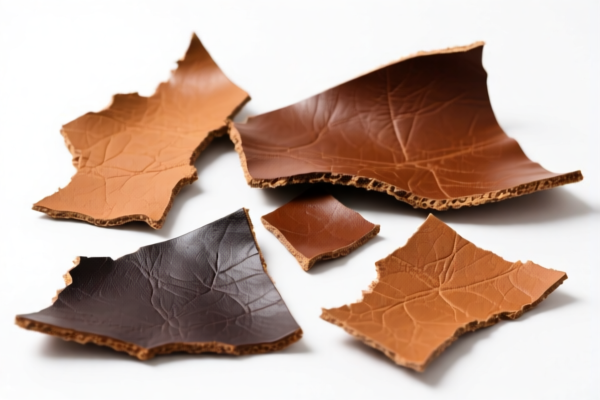
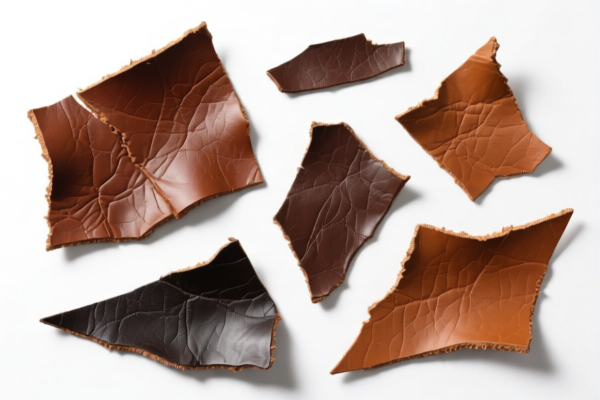
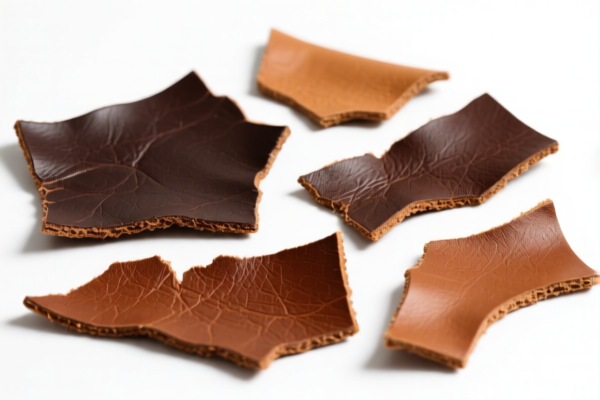
AI Analysis
👞 Leather Scraps (Shoe Material)
🌐 HS Code Reference & Clearance Guide | 2026 Latest Tariff Analysis | Professional Entry Strategy for Leather Offcuts
📌 I. Product Definition & Classification: Understanding "Leather Scraps"
Leather scraps, particularly those derived from the shoe industry, are by-products of leather tanning and shoe manufacturing. They consist of offcuts, trimmings, and broken pieces of animal hide that are too small or irregular for primary use but retain their essential characteristics. In international trade, these are classified not as finished goods, but as raw materials or semi-processed leather articles.
Key Characteristics: * Material: Animal hide (specifically Horse/Equine or general Cattle/Other, as noted in the data). * Form: Scraps, offcuts, flakes, or shavings (not whole hides or panels). * Processing: Tanned or chemically treated (implied by the HS chapters 41-42). * Usage: Raw material for reconstituted leather, lower-grade footwear, upholstery, or industrial polishing.
⚠️ Critical Distinction:
- If the material is pure leather scraps (tanned/cured) → Classified under Chapter 41 (Animal Skins) or Chapter 42 (Articles of Leather).
- If the material is non-leather (e.g., synthetic polymer scraps) → It would fall elsewhere (e.g., Chapter 39), but the provided data strictly identifies this as Leather (Equine/Animal).
- Do not confuse with "Leather Goods" (finished bags/shoes), which have different tax implications.
📦 II. HS Code Classification Details (2026 Latest Tariff Authority Match)
Based on the provided data, five specific HS Codes are matched based on material (Leather/Equine) and form (Scraps/Offcuts). Below is the breakdown:
| HS Code | Product Description & Logic | Tax Rate | Applicable Tariff Components |
|---|---|---|---|
| 4115.10.00.00 | Leather Scraps & Offcuts: Material is leather. Form is scraps. Matches the definition of leather base materials. No material conflict. | 35.0% | Base: 0% + Sec 301: 25% + IEEPA: 10% |
| 4107.11.20.00 | Horse Leather (Equine) Processing: Material is horse leather. Form is processed leather scraps. Matches Chapter 41.11 (Horse leather). | 37.4% | Base: 2.4% + Sec 301: 25% + IEEPA: 10% |
| 4205.00.80.00 | Other Leather Articles: Material is leather. Form is offcuts/scraps. Classified as other leather articles without specific material conflict. | 35.0% | Base: 0% + Sec 301: 25% + IEEPA: 10% |
| 4205.00.60.00 | Other Leather Articles (Equine Specific): Material is horse leather. Form is offcuts. Matches logic of other leather articles. | 39.9% | Base: 4.9% + Sec 301: 25% + IEEPA: 10% |
| 4115.20.00.00 | Leather Offcuts & Scraps: Material is horse leather (a type of leather). Form is offcuts. Directly matches the definition of leather offcuts. | 17.5% | Base: 0% + Sec 301: 7.5% + IEEPA: 10% |
🔍 Key Observation:
- HS 4115.20.00.00 offers the lowest total tax burden (17.5%), making it the most cost-effective classification if the goods can be accurately described as "Leather Offcuts" (especially horse leather).
- HS 4205.00.60.00 has the highest burden (39.9%) due to a higher base duty (4.9%) for specific horse leather articles.
- The difference between 4115.10 and 4115.20 often lies in the specificity of the leather type (general vs. horse) and the exact nature of the scrap (flakes/shavings vs. offcuts).
💰 III. 2026 Latest Tariff Rate Breakdown (Including Surtaxes & Policy Add-ons)
✅ Applicable Country: United States (US)
✅ Country of Origin: China (CN)
✅ Effective Date: November 10, 2025 (and subsequent imports)
🎯 1. 4115.10.00.00 – Leather Scraps & Offcuts (General)
| Item | Detail |
|---|---|
| Base Duty | 0% (ad valorem) |
| USITC Surtax (Section 301) | +25% |
| IEEPA Surtax (China-Specific) | +10% |
| Total Duty Rate | 35.0% |
| Tax Calculation | CIF Value × 35% |
| De Minimis Eligibility | ❌ No (Denied) |
| Legal Reference Path | IEEPA:9903.01.25 → USITC:4115.10.00.00 → FOOTNOTE:9903.88.01 |
📌 Explanation:
- This classification assumes general leather scraps.
- The 25% is the standard Section 301 tariff for Chinese imports.
- The 10% is the IEEPA surcharge specifically targeting Chinese leather products.
- Total: 35% is a significant cost factor for low-value scrap imports.
🎯 2. 4107.11.20.00 – Horse Leather, Tanned & Crusted
| Item | Detail |
|---|---|
| Base Duty | 2.4% |
| USITC Surtax (Section 301) | +25% |
| IEEPA Surtax (China-Specific) | +10% |
| Total Duty Rate | 37.4% |
| Tax Calculation | CIF Value × 37.4% |
| De Minimis Eligibility | ❌ No |
| Legal Reference Path | IEEPA:9903.01.24 → USITC:4107.11.20.00 → FOOTNOTE:9903.88.01 |
📌 Note:
- Higher base duty (2.4%) compared to general scraps.
- Applies specifically to Horse (Equine) Leather. If your scraps are from horses, this code is technically correct but more expensive than 4115.20.
🎯 3. 4205.00.80.00 – Other Articles of Leather
| Item | Detail |
|---|---|
| Base Duty | 0% |
| USITC Surtax (Section 301) | +25% |
| IEEPA Surtax (China-Specific) | +10% |
| Total Duty Rate | 35.0% |
| Tax Calculation | CIF Value × 35% |
| De Minimis Eligibility | ❌ No |
| Legal Reference Path | IEEPA:9903.01.25 → USITC:4205.00.80.00 → FOOTNOTE:9903.88.01 |
📌 Note:
- Classified under Chapter 42 (Articles of Leather), but as "Other."
- Same tax burden as general leather scraps (4115.10).
🎯 4. 4205.00.60.00 – Other Articles of Leather (Horse Leather Specific)
| Item | Detail |
|---|---|
| Base Duty | 4.9% |
| USITC Surtax (Section 301) | +25% |
| IEEPA Surtax (China-Specific) | +10% |
| Total Duty Rate | 39.9% |
| Tax Calculation | CIF Value × 39.9% |
| De Minimis Eligibility | ❌ No |
| Legal Reference Path | IEEPA:9903.01.24 → USITC:4205.00.60.00 → FOOTNOTE:9903.88.01 |
📌 Warning:
- Highest Tax Burden.
- The higher base duty (4.9%) for horse leather articles in Chapter 42 makes this the most expensive option. Avoid unless strictly required by product specification.
🎯 5. 4115.20.00.00 – Leather Offcuts & Scraps (Horse Leather Specific)
| Item | Detail |
|---|---|
| Base Duty | 0% |
| USITC Surtax (Section 301) | +7.5% |
| IEEPA Surtax (China-Specific) | +10% |
| Total Duty Rate | 17.5% |
| Tax Calculation | CIF Value × 17.5% |
| De Minimis Eligibility | ❌ No |
| Legal Reference Path | IEEPA:9903.01.25 → USITC:4115.20.00.00 → FOOTNOTE:9903.88.01 |
📌 Strategic Advantage:
- Lowest Tax Rate (17.5%).
- Although it specifies "Horse Leather," the Surtax is only 7.5% instead of 25%.
- Crucial: This applies if the product can be classified as "Leather Offcuts" rather than processed leather or general articles. Ensure the physical form matches "offcuts" (larger, irregular pieces) rather than "flakes/shavings" (which might fall elsewhere).
🛠️ IV. Clearance Practical Advice (Real-World Pitfall Guide)
✅ 1. Essential Documentation Checklist
| Document | Required | Purpose |
|---|---|---|
| ✅ Product Specification Sheet | ✔️ | Clearly state material (e.g., "Horse Leather Offcuts"), form (e.g., "irregular scraps"), and processing status (tanned/crust). |
| ✅ Commercial Invoice | ✔️ | Must explicitly describe goods as "Leather Scraps / Offcuts". Avoid vague terms like "Leather Waste" which may trigger higher scrutiny. |
| ✅ Packing List | ✔️ | Detail weight and quantity. Ensure no finished leather goods are mixed in. |
| ✅ Photo Evidence | ✔️ | Show the actual size and shape of the scraps. Proving they are "scraps/offcuts" and not "finished parts" is key. |
| ✅ Origin Certificate | ✔️ | Confirm Country of Origin (China). Crucial for applying the correct IEEPA surcharges. |
✅ 2. Declaration Strategy (Key Mantra)
🔥 "Form Defines Code, Material Defines Rate, Description Must Match!"
| Scenario | Correct Declaration | Incorrect Declaration |
|---|---|---|
| Irregular Horse Leather Pieces | 4115.20.00.00 (Leather Offcuts) |
"Leather Waste" or "Recycled Leather" → May be rejected or reclassified |
| Small Leather Flakes/Shavings | 4115.10.00.00 (Leather Scraps) |
"Leather Scraps" (if too small) → Risk of reclassification |
| Mixed Horse & Cattle Leather | 4115.10.00.00 (General) |
Specific Horse Code → Risk of penalty if not 100% horse |
| Finished Leather Patches | 4205.00.80.00 |
"Scraps" → High Risk of being classified as "Articles" |
📌 Critical Tip:
- If you choose4115.20.00.00for the 17.5% rate, you must ensure the goods are indeed "Offcuts" (typically larger, usable pieces) and not "Flakes" or "Powders". Customs may inspect the physical size.
- Avoid using the word "Waste" in the commercial description; use "Scrap Leather" or "Leather Offcuts" to align with HS definitions.
✅ 3. Special Handling Cases
| Situation | Recommendation |
|---|---|
| Mixed Material | If scraps contain both horse and cattle leather, default to 4115.10.00.00 (General) to avoid the higher base duty of horse-specific codes unless you can prove 100% horse content. |
| Contamination | Ensure scraps are free from heavy metals or prohibited substances. China-origin leather is under strict environmental scrutiny. |
| Small Quantity | Even for small shipments, De Minimis exemption does NOT apply (as per data). Pay full duty. |
| Reconstituted Leather | If the scraps are ground into pulp/board, they may fall under Chapter 39 or 48, but the current data assumes raw leather scraps. Do not change form without reclassifying. |
🌍 V. Global Market Comparison (2026 Latest)
| Country/Region | Recommended HS Code | Duty Rate | Certification | Notes |
|---|---|---|---|---|
| 🇺🇸 USA | 4115.20.00.00 |
17.5% | None | Lowest US Duty. Ensure "Offcut" form. |
| 🇪🇺 EU | 4115 10 / 4115 20 | Varies (0-6%) | REACH (Chemicals) | No IEEPA/Sec 301. EU focuses on chemical safety. |
| 🇨🇳 China | 4115 10 / 4115 20 | 5-10% | None | Lower base duties. Check for import quotas. |
| 🇬🇧 UK | 4115 10 / 4115 20 | 5-10% | UK REACH | Post-Brexit rules align closely with EU but require separate compliance. |
📌 Conclusion:
- USA imposes heavy surtaxes (IEEPA 10% + Sec 301 25% or 7.5%).
- European Union has no political surtaxes but strict chemical regulations (REACH).
- Cost Efficiency:4115.20.00.00is the optimal US classification for horse leather offcuts.
📌 VI. Common Mistakes & Pitfall Guide (Lessons Learned)
❌ Mistake 1: Declaring "Leather Waste" as general scrap
👉 Consequence: Customs may reject the entry or classify as "Waste" with different regulations, causing delays.
👉 Fix: Use "Leather Offcuts" or "Leather Scraps".
❌ Mistake 2: Misclassifying Horse Leather as General Leather to avoid scrutiny
👉 Consequence: If inspected and found to be 100% horse leather, you might face penalties for incorrect declaration.
👉 Fix: If it's horse leather, use 4115.20.00.00 for the lower tax rate (17.5%) anyway. It's beneficial!
❌ Mistake 3: Ignoring the "Form" of the scrap
👉 Consequence: Large offcuts declared as small flakes may be rejected.
👉 Fix: Provide clear photos showing the size. Large pieces = Offcuts (4115.20). Small/shredded = Scraps (4115.10).
❌ Mistake 4: Assuming De Minimis applies
👉 Consequence: Small shipments are still taxed.
👉 Fix: Budget for 17.5% - 39.9% duty even for small batches.
✅ Correct Approach:
"Leather Offcuts, Horsehide, Tanned, Irregular Pieces, for Industrial Use, Country of Origin: China"
🎯 VII. Conclusion: Smart Declaration, Lower Costs, Faster Clearance!
🎯 Remember the Mantra:
🔹 "Horse Offcuts (4115.20) are Cheapest (17.5%)!"
🔹 "General Scraps (4115.10) are Safe (35%)."
🔹 "Never Mix Finished Goods with Scraps!"
🔹 "De Minimis Does Not Apply to Leather!"
📌 Pro Tip:
If your leather scraps are 100% Horsehide, ALWAYS choose 4115.20.00.00. The 17.5% rate is significantly lower than the 35%+ of other options.
However, ensure the physical form matches "Offcuts" (larger, irregular shapes) to avoid customs challenges. If they are tiny flakes, stick to 4115.10.00.00.
📣 Immediate Action:
📞 Contact your freight forwarder with clear photos and material specs.
🚀 Pre-classify using4115.20.00.00if eligible to save 17.5% in duty costs.
✅ Double-check origin to confirm IEEPA applicability.
✨ Professional Clearance Starts with Precise Classification!
💼 Every Percent Saved is Pure Profit!
Customer Reviews
About HS Code Classification
The Harmonized System (HS) is an internationally standardized nomenclature developed by the World Customs Organization (WCO) to classify traded products. Over 200 countries use the HS system as the basis for customs tariffs, trade statistics, and import/export regulations.
Each HS code follows a hierarchical structure:
- Chapter (2 digits) — Broad category of goods (e.g., Chapter 84: Machinery and Mechanical Appliances)
- Heading (4 digits) — More specific grouping within the chapter
- Subheading (6 digits) — Internationally standardized breakdown, used by all WCO member countries
- National subdivisions (8-10 digits) — Country-specific extensions for further classification, such as US HTSUS 10-digit codes
Correct HS code classification is essential for smooth customs clearance, accurate duty payment, and compliance with trade regulations. Misclassification can lead to customs delays, overpayment of duties, or penalties.
When importing from CN to US, the applicable tariff rates may include:
- Most-Favored-Nation (MFN) rate — The standard duty rate applied to WTO members
- General rate — Applied to countries without trade agreements
- Trade remedy duties — Additional tariffs such as Section 301 (anti-dumping), Section 232 (national security), or countervailing duties
The information provided on this page is for reference purposes only. For official classification, please consult with your local customs authority or a licensed customs broker.