Left handed baseball glove
CN → US| HS Code | Tariff Rate | Origin | Destination | Doc |
|---|---|---|---|---|
| 6116100800 | 20.3% | CN | US | Official Doc |
| 6216000800 | 18.3% | CN | US | Official Doc |
| 6116930800 | 20.3% | CN | US | Official Doc |
| 4203214000 | 35.0% | CN | US | Official Doc |
| 4203212000 | 38.0% | CN | US | Official Doc |
| 6216004600 | 20.3% | CN | US | Official Doc |
Product Images
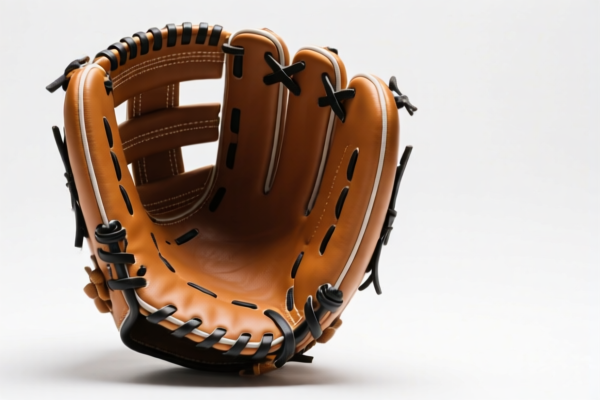
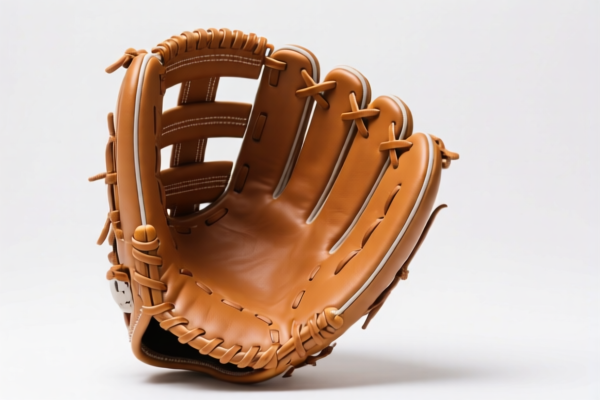
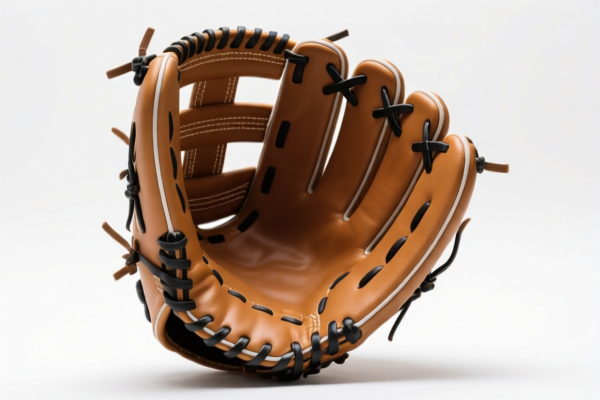
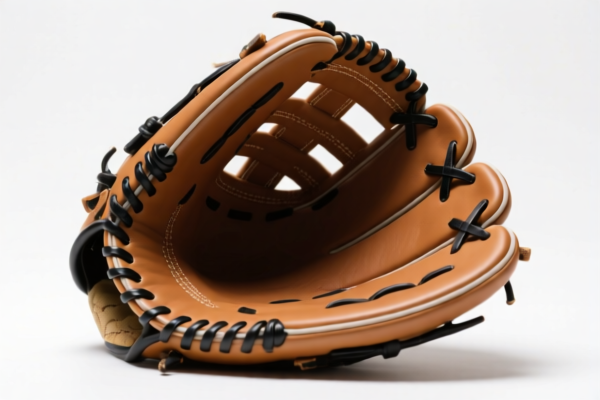
AI Analysis
🧤 Left-Handed Baseball Glove (LHBG)
🌐 HS Code Reference & Customs Clearance Guide | 2024/2025 Latest Tariff Analysis | Professional Transit Strategy
📌 I. Product Definition & Classification: Do You Really Understand "Left-Handed Baseball Gloves"?
A left-handed baseball glove is a specialized piece of sports equipment worn on the non-throwing hand (the left hand for left-handed players) to catch the ball. In international trade, its classification depends heavily on the material composition and specific design features (e.g., whether it is knitted, leather-based, or coated). Misclassification can lead to significant tariff discrepancies due to the varying base rates and punitive tariffs applied to different material types.
⚠️ Key Distinction:
- Chapter 61 (Knitted/Artificial): Gloves made from synthetic fibers, knitted fabrics, or those with significant rubber/plastic coating → Usually 20.3% total duty. - Chapter 62 (Other Textiles): Non-knitted gloves, potentially with leather/plastic surfaces → Usually 18.3% total duty. - Chapter 42 (Leather/Leather-like): Gloves made primarily of genuine leather or leather substitutes → Highest risk with 35%-38% total duty.
📦 II. HS Code Classification Details (Based on Provided Data)
| HS Code | Product Description | Material/Structure Inference | Total Tax Rate |
|---|---|---|---|
6116.10.08.00 |
Left-hand baseball glove | Knitted/textile base; coated with plastic/rubber for function | 20.3% |
6216.00.08.00 |
Left-hand baseball glove | Non-knitted textile; surface contains leather or plastic/rubber coating | 18.3% |
6116.93.08.00 |
Left-hand baseball glove | Synthetic fiber or leather; sports-specific form | 20.3% |
4203.21.40.00 |
Left-hand baseball glove | Leather or synthetic leather (imitation) | 35.0% |
4203.21.20.00 |
Left-hand baseball glove | Genuine leather or synthetic leather | 38.0% |
6216.00.46.00 |
Left-hand baseball glove | Artificial fiber or leather; matches sports usage | 20.3% |
🔍 Critical Insight:
- The largest tariff swing occurs between Chapter 61/62 (Textiles) and Chapter 42 (Leather).
- Chapter 42 items face a 25% Section 301 tariff, while Chapter 61/62 items face a 7.5% Section 301 tariff. This results in a ~15-20% difference in total landed cost.
💰 III. 2026 Latest Tariff Rate Breakdown (Including Surcharges & Policy Add-ons)
✅ Applicable Country: United States (US)
✅ Country of Origin: China (CN)
✅ Effective Time: Current tariffs apply (Section 301 & 122 Clause)
🎯 1. Textile-Based Gloves (6116.10.08.00, 6116.93.08.00, 6216.00.46.00)
| Item | Content |
|---|---|
| Base Rate | 2.8% (ad valorem) |
| Section 301 Surcharge | +7.5% |
| 122 Clause Surcharge | +10% |
| Total Effective Tax | 20.3% |
| Tax Calculation | CIF Value × 20.3% |
| De Minimis Eligibility | ❌ No (Section 301 goods generally excluded from 800/864 exemptions) |
| Legal Basis Path | HTSUS:6116.10.08.00 → USITC:Footnote 301 → 122 Clause |
📌 Explanation:
- These gloves are classified under textile chapters. The base rate is low (2.8%), but the 7.5% Section 301 tariff (for Chinese origin) and 10% 122 Clause tariff add up.
- Total: 20.3%. This is the most cost-effective classification for synthetic/knitted gloves.
🎯 2. Non-Knitted Textile/Coated Glove (6216.00.08.00)
| Item | Content |
|---|---|
| Base Rate | 0.8% (ad valorem) |
| Section 301 Surcharge | +7.5% |
| 122 Clause Surcharge | +10% |
| Total Effective Tax | 18.3% |
| Tax Calculation | CIF Value × 18.3% |
| De Minimis Eligibility | ❌ No |
| Legal Basis Path | HTSUS:6216.00.08.00 → USITC:Footnote 301 → 122 Clause |
📌 Explanation:
- This is the lowest tax bracket in the provided data.
- Ideal if the glove is not knitted and uses a specific coating or textile structure that fits 6216.00.
🎯 3. Leather/Synthetic Leather Gloves (4203.21.40.00, 4203.21.20.00)
| Item | Content |
|---|---|
| Base Rate | 0.0% (4203.21.40) / 3.0% (4203.21.20) |
| Section 301 Surcharge | +25.0% |
| 122 Clause Surcharge | +10% |
| Total Effective Tax | 35.0% (4203.21.40) / 38.0% (4203.21.20) |
| Tax Calculation | CIF Value × 35/38% |
| De Minimis Eligibility | ❌ No |
| Legal Basis Path | HTSUS:4203.21.20.00 → USITC:Footnote 301 → 122 Clause |
📌 Warning:
- Leather products are heavily targeted by trade policies.
- The 25% Section 301 tariff is significantly higher than the 7.5% for textiles.
- Total: 35%-38%. This makes leather gloves less competitive in the US market unless value-added justifies the cost.
🛠️ IV. Customs Clearance Practical Advice (Pitfall Avoidance Guide)
✅ 1. Preparation Checklist (Essential Documents)
| Document | Required | Notes |
|---|---|---|
| ✅ Product Specification Sheet | ✔️ | Must clearly state material composition (e.g., "100% Polyester Knitted" vs. "Top Grain Leather"). |
| ✅ Material Composition Breakdown | ✔️ | Customs will scrutinize this. If >50% leather, it likely goes to Ch. 42. |
| ✅ Product Photos | ✔️ | Show the inner lining, outer surface, and stitching. Distinguish between knitted vs. non-knitted. |
| ✅ Commercial Invoice | ✔️ | Clearly describe as "Baseball Glove, Left-Handed, [Material]" |
| ✅ Origin Certificate | ✔️ | If not from China, 301 tariffs may not apply. |
✅ 2. Declaration Strategy (Key Tips)
🔥 "Material is King, Structure Defines Code!"
| Scenario | Recommended HS Code | Risk if Misclassified |
|---|---|---|
| Synthetic/Knitted Glove | 6116.10.08.00 or 6116.93.08.00 |
If declared as Leather → Penalty + 15% tax hike |
| Coated Textile Glove | 6216.00.08.00 |
If declared as Knitted → Potential 2% tax hike, less severe |
| Leather Glove | 4203.21.20.00 |
If declared as Textile → Heavy penalty for tax evasion |
| Synthetic Leather | 4203.21.40.00 |
Ensure "Synthetic" is clearly defined; avoid ambiguity |
📌 Note:
- "Left-Handed" does not change the HS Code structure. The code is determined by material and type, not handedness.
- Always declare the primary material (e.g., if the palm is leather and the back is synthetic, it may still fall under Ch. 42 depending on the "essential character" rule).
✅ 3. Special Circumstances
| Situation | Handling Suggestion |
|---|---|
| Mixed Materials | If glove has leather palm and synthetic back, consult a customs broker. It may still be classified as leather if leather is the "essential character." |
| Samples for Evaluation | Even samples are subject to duties. Ensure proper declaration to avoid clearance delays. |
| Brand/IP Rights | Ensure no trademark infringement. Customs may seize counterfeit gloves. |
| Origin Shifting | If assembled in a third country (e.g., Vietnam), check if substantial transformation occurred to avoid Section 301 tariffs. |
🌍 V. Global Market Comparison (2024/2025)
| Country/Region | Recommended HS Code | Estimated Duty (China Origin) | Notes |
|---|---|---|---|
| 🇺🇸 USA | 6116.10.08.00 / 4203.21.20.00 |
20.3% (Textile) / 38.0% (Leather) | High Section 301 + 122 Clause impact |
| 🇨🇳 China | 6116.10.08.00 / 4203.21.20.00 |
~10-15% (Import) | No Section 301/122 |
| 🇪🇺 EU | 6116.10.08.00 / 4203.21.20.00 |
~10-12% | No punitive tariffs like US |
| 🇬🇧 UK | 6116.10.08.00 / 4203.21.20.00 |
~10-12% | Post-Brexit, standard MFN rates |
📌 Conclusion:
- The US market is the most challenging due to Section 301 and 122 Clause tariffs.
- Textile-based gloves are significantly more cost-effective than Leather gloves for the US market.
📌 VI. Common Mistakes & Pitfall Guide
❌ Mistake 1: Classifying a Leather Glove as Textile
👉 Consequence: Customs audit, back taxes, and penalties. The 15-20% difference is too high to ignore.
❌ Mistake 2: Ignoring the 122 Clause
👉 Consequence: Even if you get the base code right, forgetting the 10% 122 Clause leads to underpayment.
❌ Mistake 3: Declaring "Sports Equipment" vaguely
👉 Consequence: Customs may classify under a generic or higher-tariff heading. Be specific: "Baseball Glove, Left-Handed, Leather."
❌ Mistake 4: Assuming "Synthetic Leather" is Textile
👉 Consequence: Chapter 42 covers synthetic leather too. It is not automatically Chapter 61. Check the composition.
✅ Correct Approach:
"Left-Handed Baseball Glove, Made of 100% Synthetic Leather, Knitted Backing, Model XYZ"
🎯 VII. Conclusion: Precision in Classification Saves Money!
🎯 Remember:
🔹 "Textile = 18-20% | Leather = 35-38%"
🔹 "Left-handed doesn't change the code, material does!"
🔹 "122 Clause adds 10% to ALL Chinese goods!"
📌 Pro Tip:
If your supplier can use textile-based materials (knitted or coated) instead of leather, you can save ~15-20% in duties. This is a significant cost advantage for US-bound goods.
📣 Immediate Action:
📞 Consult a licensed customs broker for a Pre-Ruling if your glove has mixed materials.
🚀 Accurate classification is the first step to profitable global trade!
✨ Professional Clearance Starts with Accurate Classification!
💼 Every percentage point in duty affects your bottom line!
Customer Reviews
About HS Code Classification
The Harmonized System (HS) is an internationally standardized nomenclature developed by the World Customs Organization (WCO) to classify traded products. Over 200 countries use the HS system as the basis for customs tariffs, trade statistics, and import/export regulations.
Each HS code follows a hierarchical structure:
- Chapter (2 digits) — Broad category of goods (e.g., Chapter 84: Machinery and Mechanical Appliances)
- Heading (4 digits) — More specific grouping within the chapter
- Subheading (6 digits) — Internationally standardized breakdown, used by all WCO member countries
- National subdivisions (8-10 digits) — Country-specific extensions for further classification, such as US HTSUS 10-digit codes
Correct HS code classification is essential for smooth customs clearance, accurate duty payment, and compliance with trade regulations. Misclassification can lead to customs delays, overpayment of duties, or penalties.
When importing from CN to US, the applicable tariff rates may include:
- Most-Favored-Nation (MFN) rate — The standard duty rate applied to WTO members
- General rate — Applied to countries without trade agreements
- Trade remedy duties — Additional tariffs such as Section 301 (anti-dumping), Section 232 (national security), or countervailing duties
The information provided on this page is for reference purposes only. For official classification, please consult with your local customs authority or a licensed customs broker.