Long Rubber Gloves
CN → US| HS Code | Tariff Rate | Origin | Destination | Doc |
|---|---|---|---|---|
| 4006905000 | 37.7% | CN | US | Official Doc |
| 4015191110 | 38.0% | CN | US | Official Doc |
| 4015195100 | 49.0% | CN | US | Official Doc |
| 3926201020 | 10.0% | CN | US | Official Doc |
| 3926204010 | 16.5% | CN | US | Official Doc |
| 3926204050 | 16.5% | CN | US | Official Doc |
Product Images
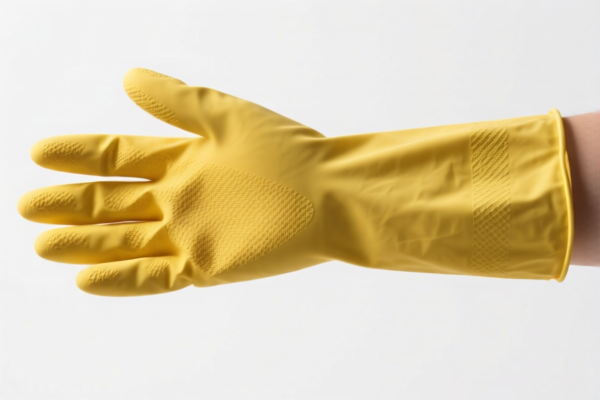

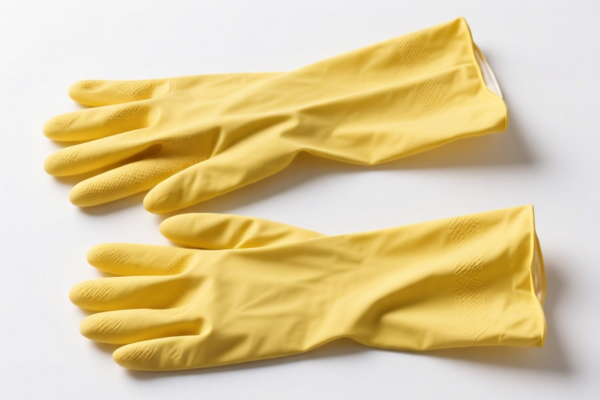
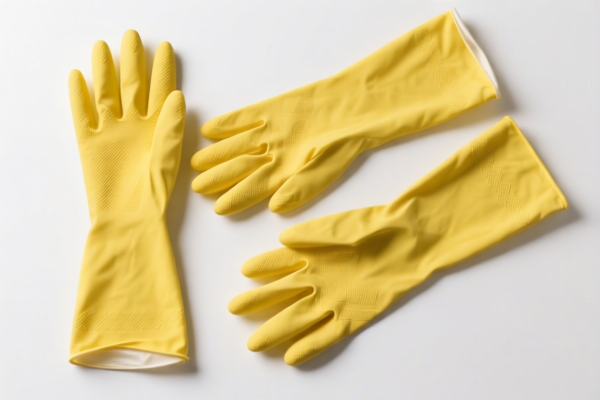
AI Analysis
🧤 Long Rubber Gloves (加厚橡胶手套)
🌐 HS Code Reference & Clearance Guide | 2026 Latest Tariff Analysis | Professional Clearance Strategy
📌 1. Product Definition & Classification: Do You Truly Understand "Long Rubber Gloves"?
Long rubber gloves are protective wear primarily used in industrial, medical, or household cleaning scenarios. In international trade, they are classified based on their material state (vulcanized vs. unvulcanized) and composition (rubber vs. plastic). This distinction is critical because it determines whether the product falls under Chapter 40 (Rubber) or Chapter 39 (Plastics), leading to vastly different tariff rates.
⚠️ Key Distinction Point:
- If the material is Unvulcanized Rubber (uncured, soft, pliable before final curing) → Classify under 4006.90.50.00
- If the material is Vulcanized Rubber (cured, elastic, finished product) → Classify under 4015.19.11.10 / 4015.19.51.00
- If the material is Plastic (even if called "rubber-like") → Classify under 3926.20.10.20 / 3926.20.40.10 / 3926.20.40.50
📦 2. HS Code Classification Details (2026 Latest Tariff Authoritative Comparison)
| HS Code | Product Description | Applicable Scenario | Material State |
|---|---|---|---|
4006.90.50.00 |
Thickened rubber gloves, made of rubber, form of gloves, falls under other categories of unvulcanized rubber products | Unvulcanized industrial gloves, raw material state | ❌ Unvulcanized |
4015.19.11.10 |
Plastic/rubber gloves, material is vulcanized rubber, purpose is gloves, form matches | Finished vulcanized rubber gloves (general) | ✅ Vulcanized |
4015.19.51.00 |
Plastic/rubber gloves, material is vulcanized rubber or synthetic rubber, purpose is gloves, reasonable inference | Finished vulcanized synthetic/rubber gloves | ✅ Vulcanized |
3926.20.10.20 |
Plastic gloves, material is plastic, form is gloves, no clear purpose, judged as fallback category | Generic plastic gloves | ✅ Plastic (Plastic) |
3926.20.40.10 |
Plastic gloves, material is plastic, form is gloves, meets plastic product and glove use characteristics | Specific plastic gloves with clear use | ✅ Plastic (Plastic) |
3926.20.40.50 |
Rubber agricultural gloves, material is rubber, purpose is gloves, classification logic consistent with plastic products due to specific agricultural use | Agricultural gloves classified similarly to plastics | ✅ Rubber (Agri-Logic) |
🔍 Important Reminder:
- "Rubber" vs. "Plastic": Even if the product is called "Rubber Gloves," if it is made of synthetic polymer resins (plastics), it may fall under Chapter 39. The key is the chemical composition and manufacturing process. - Vulcanization Status: Unvulcanized rubber (4006) has different duty structures compared to finished vulcanized goods (4015).
💰 3. 2026 Latest Tariff Rate Breakdown (Including Surtaxes, Policy Add-ons)
✅ Applicable Country: United States (US)
✅ Origin: China (CN)
✅ Effective Date: 2025 November 10 onwards (for subsequent imports)
🎯 1. 4006.90.50.00 —— Thickened Rubber Gloves (Unvulcanized)
| Item | Content |
|---|---|
| Base Tariff | 2.7% (ad valorem) |
| Section 301 Surtax | +25.0% |
| Section 122 Tariff | +10.0% |
| Total Tariff | 37.7% |
| Tax Calculation | CIF Value × 37.7% |
| De Minimis Eligibility | ❌ Not Eligible (deny_de_minimis) |
| Legal Basis Path | Base Tariff: 2.7% → Section 301: 25.0% → Section 122: 10.0% |
📌 Explanation:
- This classification applies if the gloves are made of unvulcanized rubber.
- The 37.7% total rate is high due to the combination of base tariff and multiple surtaxes.
- Must be declared as "Unvulcanized" to qualify.
🎯 2. 4015.19.11.10 —— Vulcanized Rubber Gloves
| Item | Content |
|---|---|
| Base Tariff | 3.0% |
| Section 301 Surtax | +25.0% |
| Section 122 Tariff | +10.0% |
| Total Tariff | 38.0% |
| Tax Calculation | CIF Value × 38.0% |
| De Minimis Eligibility | ❌ Not Eligible |
| Legal Basis Path | Base Tariff: 3.0% → Section 301: 25.0% → Section 122: 10.0% |
📌 Note:
- Applies to vulcanized rubber gloves.
- Total rate 38.0%. Slightly higher than 4006 due to higher base tariff.
🎯 3. 4015.19.51.00 —— Vulcanized Synthetic/Rubber Gloves
| Item | Content |
|---|---|
| Base Tariff | 14.0% |
| Section 301 Surtax | +25.0% |
| Section 122 Tariff | +10.0% |
| Total Tariff | 49.0% |
| Tax Calculation | CIF Value × 49.0% |
| De Minimis Eligibility | ❌ Not Eligible |
| Legal Basis Path | Base Tariff: 14.0% → Section 301: 25.0% → Section 122: 10.0% |
📌 Critical Warning:
- This is the highest rate among rubber classifications.
- Applies if the gloves are vulcanized synthetic rubber or specific rubber blends not covered by 4015.19.11.10.
- Avoid misclassification to prevent paying 49% instead of 38% or 37.7%.
🎯 4. 3926.20.10.20 —— Plastic Gloves (Fallback Category)
| Item | Content |
|---|---|
| Base Tariff | 0.0% |
| Section 301 Surtax | 0.0% |
| Section 122 Tariff | +10.0% |
| Total Tariff | 10.0% |
| Tax Calculation | CIF Value × 10.0% |
| De Minimis Eligibility | ❌ Not Eligible |
| Legal Basis Path | Base Tariff: 0.0% → Section 301: 0.0% → Section 122: 10.0% |
📌 Opportunity:
- If the gloves are made of plastic (e.g., PVC, PE) and do not have a specific agricultural use, this is the most cost-effective option.
- Total rate is only 10.0%.
- Must confirm material is truly plastic, not rubber.
🎯 5. 3926.20.40.10 —— Plastic Gloves (Specific Use)
| Item | Content |
|---|---|
| Base Tariff | 6.5% |
| Section 301 Surtax | 0.0% |
| Section 122 Tariff | +10.0% |
| Total Tariff | 16.5% |
| Tax Calculation | CIF Value × 16.5% |
| De Minimis Eligibility | ❌ Not Eligible |
| Legal Basis Path | Base Tariff: 6.5% → Section 301: 0.0% → Section 122: 10.0% |
📌 Note:
- Applies to plastic gloves with specific characteristics matching this subheading.
- Total rate 16.5%. Still significantly lower than rubber categories.
🎯 6. 3926.20.40.50 —— Rubber Agricultural Gloves (Plastic Logic)
| Item | Content |
|---|---|
| Base Tariff | 6.5% |
| Section 301 Surtax | 0.0% |
| Section 122 Tariff | +10.0% |
| Total Tariff | 16.5% |
| Tax Calculation | CIF Value × 16.5% |
| De Minimis Eligibility | ❌ Not Eligible |
| Legal Basis Path | Base Tariff: 6.5% → Section 301: 0.0% → Section 122: 10.0% |
📌 Special Case:
- Even though the material is rubber, if it is for agricultural use, it is classified under the plastic chapter (39) for tariff purposes.
- Total rate 16.5%.
- Must provide proof of agricultural use to qualify.
🛠️ 4. Clearance Practical Advice (Battle-Tested Pitfall Avoidance)
✅ 1. Preparation Checklist (No Exceptions)
| Document | Required | Description |
|---|---|---|
| ✅ Product Specification Sheet | ✔️ | Must specify material (Vulcanized/Unvulcanized/Rubber/Plastic), thickness, length |
| ✅ Material Composition Certificate | ✔️ | Critical for distinguishing between Rubber (Ch.40) and Plastic (Ch.39) |
| ✅ Product Photos (Including Label) | ✔️ | Clear view of "Made of..." label, texture, and any "Agricultural Use" markings |
| ✅ Third-Party Test Report | ✔️ | Material analysis report (e.g., FTIR test) to confirm polymer type |
| ✅ Commercial Invoice | ✔️ | Must accurately describe goods as "Long Rubber Gloves" or "Plastic Gloves" per classification |
| ✅ Packing List | ✔️ | Detail unit weight and package dimensions |
✅ 2. Declaration Strategy (Key Mnemonic)
🔥 "Material is King, Use is Queen, Tax Rate Varies Wildly!"
| Scenario | Correct HS Code | Mistake to Avoid |
|---|---|---|
| Unvulcanized Rubber Gloves | 4006.90.50.00 |
Mistake: Declare as Vulcanized → Pay 38% instead of 37.7% (Small diff, but accuracy matters) |
| Vulcanized Rubber Gloves (General) | 4015.19.11.10 |
Mistake: Declare as Synthetic → Pay 49% → Loss of $11 per $100! |
| Plastic Gloves (PVC/PE) | 3926.20.10.20 |
Mistake: Declare as Rubber → Pay 37.7% instead of 10% → Massive Overpayment! |
| Agricultural Rubber Gloves | 3926.20.40.50 |
Mistake: Declare as General Rubber → Pay 49% instead of 16.5% → Loss of $32.5 per $100! |
✅ 3. Special Case Handling
| Situation | Handling Advice |
|---|---|
| OEM Custom Gloves | Provide design specs and material certificates. Avoid vague terms like "Rubber-like" |
| Mixed Materials (Rubber Handle + Plastic Fingers) | Declare as the component giving essential character, or split if possible (but usually declared as one unit) |
| Agricultural Gloves | Must include invoices or end-user statements confirming agricultural use to qualify for 3926.20.40.50 |
| Medical vs. Industrial | If medical, ensure it doesn't fall under Chapter 90 (Medical Devices) which may have different rules |
🌍 5. Global Market Clearance Comparison (2026 Latest)
| Country/Region | Recommended HS Code | Tariff (China Origin) | Certification | Remarks |
|---|---|---|---|---|
| 🇺🇸 USA | 3926.20.10.20 (if Plastic) |
10% (Plastic) / 37.7%-49% (Rubber) | None Specific | Tariff arbitrage possible by material choice |
| 🇨🇳 China | 4015.19.11.10 |
10-15% | CCC (if applicable) | No Section 301/122 |
| 🇪🇺 EU | 4015.19.11.11 |
4-6% | CE (if PPE) | No Surtaxes |
| 🇬🇧 UK | 4015.19.11.11 |
4-6% | UKCA | Post-Brexit alignment with EU |
| 🇯🇵 Japan | 4015.19.11.90 |
3-6% | PSE (if electrical) | Generally low duties |
📌 Conclusion:
- USA is the most critical market due to high Section 301 and 122 tariffs.
- Plastic classification (Chapter 39) is significantly cheaper than Rubber (Chapter 40) in the US.
- Agaric use loophole: Agricultural rubber gloves enjoy lower rates by being classified under plastic logic.
📌 6. Common Errors & Pitfall Guide (Lessons Learned)
❌ Error 1: Calling all gloves "Rubber Gloves" without specifying material state
👉 Consequence: Customs may choose the highest rate (49%) due to ambiguity.
❌ Error 2: Declaring Plastic Gloves as Rubber to avoid plastic-specific restrictions
👉 Consequence: Tariff increases from 10% to 37.7% → Financial Loss!
❌ Error 3: Failing to prove Agricultural Use for 3926.20.40.50
👉 Consequence: Rejected for preferential rate, back to 49% or 38%
❌ Error 4: Confusing Unvulcanized (4006) with Vulcanized (4015)
👉 Consequence: Wrong duty calculation, potential penalties for misdeclaration
✅ Correct Practice:
"Vulcanized Rubber Gloves, 12-inch, Industrial Use, Material: Natural Rubber, HS Code: 4015.19.11.10"
OR
"Plastic Gloves, PVC, Household Use, HS Code: 3926.20.10.20"
🎯 7. Conclusion: Precise Classification Saves Money!
🎯 Key Takeaway:
🔹 "Check Material: Rubber or Plastic?"
🔹 "Check State: Vulcanized or Unvulcanized?"
🔹 "Check Use: Agricultural or General?"🔹 Tax Rate Spread: From 10% (Plastic) to 49% (Vulcanized Synthetic Rubber).
🔹 Potential Savings: Up to 39% on CIF value by choosing the correct classification!
📌 Pro Tip:
If your gloves are plastic, always declare under Chapter 39.
If they are rubber, prove agricultural use to access Chapter 39 rates.
If industrial rubber, stick to 4015.19.11.10 for the lowest rubber rate (38%).
📣 Immediate Action:
📞 Consult with a customs broker + Provide material certificates + Apply for Advance Ruling
🚀 Ensure your Long Rubber Gloves pass customs smoothly and maximize profit margins!
✨ Professional Clearance Starts with Accurate Classification!
💼 Every Percent of Tariff Saved is Pure Profit!
Customer Reviews
About HS Code Classification
The Harmonized System (HS) is an internationally standardized nomenclature developed by the World Customs Organization (WCO) to classify traded products. Over 200 countries use the HS system as the basis for customs tariffs, trade statistics, and import/export regulations.
Each HS code follows a hierarchical structure:
- Chapter (2 digits) — Broad category of goods (e.g., Chapter 84: Machinery and Mechanical Appliances)
- Heading (4 digits) — More specific grouping within the chapter
- Subheading (6 digits) — Internationally standardized breakdown, used by all WCO member countries
- National subdivisions (8-10 digits) — Country-specific extensions for further classification, such as US HTSUS 10-digit codes
Correct HS code classification is essential for smooth customs clearance, accurate duty payment, and compliance with trade regulations. Misclassification can lead to customs delays, overpayment of duties, or penalties.
When importing from CN to US, the applicable tariff rates may include:
- Most-Favored-Nation (MFN) rate — The standard duty rate applied to WTO members
- General rate — Applied to countries without trade agreements
- Trade remedy duties — Additional tariffs such as Section 301 (anti-dumping), Section 232 (national security), or countervailing duties
The information provided on this page is for reference purposes only. For official classification, please consult with your local customs authority or a licensed customs broker.