Metal Cutlery
CN → US| HS Code | Tariff Rate | Origin | Destination | Doc |
|---|---|---|---|---|
| 7323920020 | 17.5% | CN | US | Official Doc |
| 7323915020 | 15.3% | CN | US | Official Doc |
| 7323930035 | 62.0% | CN | US | Official Doc |
| 7418100053 | 70.5% | CN | US | Official Doc |
| 7615107155 | 63.1% | CN | US | Official Doc |
Product Images
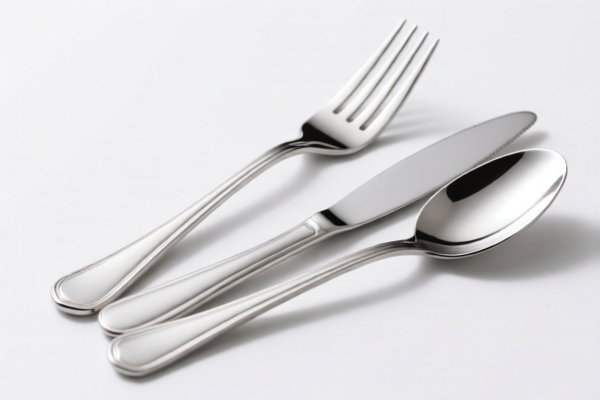
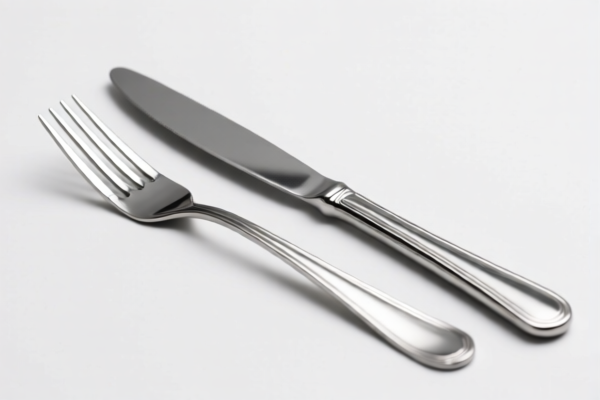
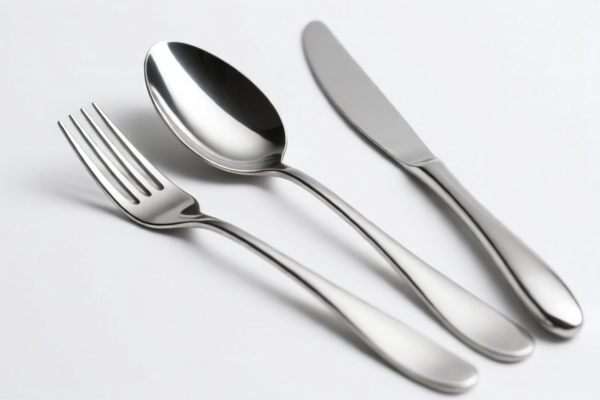
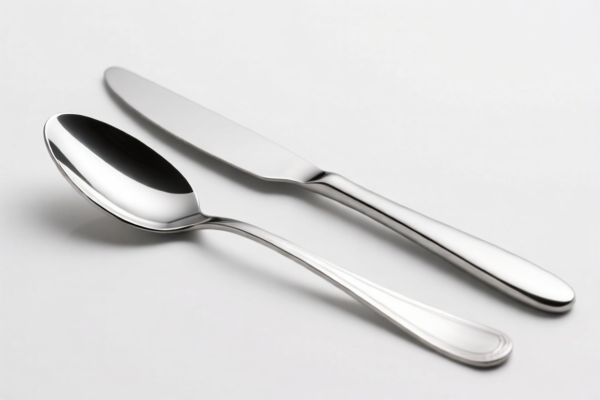
AI Analysis
🍴 Metal Cutlery (Kitchenware & Tableware)
🌐 HS Code Reference & Customs Clearance Guide | 2026 Latest Tariff Analysis | Professional Clearance Strategy
📌 I. Product Definition & Classification: Do You Understand "Metal Cutlery"?
Metal Cutlery refers to utensils used for serving, preparing, or eating food, typically made from stainless steel, cast iron, aluminum, or copper. In international trade, classification is strictly dictated by Material and Finish (e.g., enameled vs. non-enameled). Misclassification here leads to drastic tariff differences due to Section 301 and Section 232/IEEPA additional duties.
⚠️ Key Classification Points:
- Stainless Steel Cast Iron/Steel: Falls under Chapter 73.
- Copper/Copper Alloys: Falls under Chapter 74.
- Aluminum: Falls under Chapter 76.
- Finish Matters: "Enameled" (porcelain fused to metal) vs. "Non-enameled" affects the specific HS code within Chapter 73.
📦 II. HS Code Classification Details (Based on Provided Data)
The following HS Codes are derived directly from the provided dataset, categorized by material type. Note that all listed codes include significant additional tariffs due to US-China trade measures.
| HS Code | Material Match | Usage Match | Summary / Conflict Check | Total Tax Rate |
|---|---|---|---|---|
7323.92.00.20 |
Metal / Cast Iron | Tableware | Matches material & use; uses "Other" catch-all. No material conflict. | 17.5% |
7323.91.50.20 |
Metal / Non-enameled Cast Iron | Tableware | Matches material (non-enameled) & use; uses "Other" catch-all. No material conflict. | 15.3% |
7323.93.00.35 |
Metal (Steel/Aluminum/Copper) | Kitchen/Tableware | Matches metal & use. High tax due to Steel/Aluminum/Copper surcharge. | 62.0% |
7418.10.00.53 |
Metal (Copper/Non-zinc alloys) | Kitchen/Tableware | Matches copper/non-zinc alloy requirements. | 70.5% |
7615.10.71.55 |
Metal (Aluminum) | Kitchen/Tableware | Aluminum is not excluded from "Metal". No obvious conflict. | 63.1% |
🔍 Critical Distinction:
- Codes under7323generally refer to Tableware/Kitchenware of Iron or Steel.
- Codes under7418refer to Household articles of copper.
- Codes under7615refer to Household articles of aluminum.
- The "35", "53", and "55" suffixes often denote specific sub-catches or additional duty liabilities in this dataset.
💰 III. 2026 Latest Tariff Rate Breakdown (Detailed)
✅ Applicable Market: United States (US)
✅ Origin: China (CN) (Implied by "122 Clause" and high tariffs)
✅ Effective Time: Current active trade policy
🎯 1. 7323.92.00.20 & 7323.91.50.20 —— Cast Iron / Steel Tableware (Lower Tier)
These codes apply to standard cast iron or steel tableware. While the base rates are low, the combined additional tariffs result in moderate total rates compared to copper/aluminum.
| Item | Content |
|---|---|
Code A: 7323.92.00.20 |
|
| Base Tariff | 0.0% |
| Additional Tariff (Section 301) | 7.5% |
| Section 122 Tariff | 10.0% |
| Total Rate | 17.5% |
Code B: 7323.91.50.20 |
|
| Base Tariff | 5.3% |
| Additional Tariff (Section 301) | 0.0% |
| Section 122 Tariff | 10.0% |
| Total Rate | 15.3% |
📌 Explanation:
-7323.91.50.20has a higher base rate (5.3%) but no Section 301 surcharge, resulting in a lower total (15.3%) than the other cast iron code.
-7323.92.00.20has a 0% base but incurs both Section 301 (7.5%) and Section 122 (10%), totaling 17.5%.
- "Section 122 Tariff 10%" refers to specific trade act clauses applied to certain Chinese goods.
🎯 2. 7323.93.00.35 —— Steel, Aluminum, or Copper Metalware (High Tier)
This code triggers additional surcharges specifically for Steel, Aluminum, and Copper products, significantly inflating the tax burden.
| Item | Content |
|---|---|
| Base Tariff | 2.0% |
| Additional Tariff (Section 301) | 0.0% |
| Section 122 Tariff | 10.0% |
| Steel/Aluminum/Copper Surcharge | 50.0% |
| Total Rate | 62.0% |
📌 Explanation:
- The 50% surcharge is the critical factor here. Even with a low base tariff, the specific designation of "Steel, Aluminum, Copper" attracts a massive penalty tariff.
- This rate applies to general metal kitchenware that falls into this specific sub-category.
🎯 3. 7418.10.00.53 —— Copper Tableware (Highest Tier)
Copper articles are treated differently, often facing high base rates plus the general metal surcharge.
| Item | Content |
|---|---|
| Base Tariff | 3.0% |
| Additional Tariff (Section 301) | 7.5% |
| Section 122 Tariff | 10.0% |
| Steel/Aluminum/Copper Surcharge | 50.0% |
| Total Rate | 70.5% |
📌 Explanation:
- Copper items (Chapter 74) are subject to the same 50% surcharge as steel/aluminum in this dataset.
- Combined with base (3.0%), Section 301 (7.5%), and Section 122 (10%), the total hits 70.5%.
🎯 4. 7615.10.71.55 —— Aluminum Tableware
Aluminum household articles also fall under the high-surcharge category.
| Item | Content |
|---|---|
| Base Tariff | 3.1% |
| Additional Tariff (Section 301) | 0.0% |
| Section 122 Tariff | 10.0% |
| Steel/Aluminum/Copper Surcharge | 50.0% |
| Total Rate | 63.1% |
📌 Explanation:
- No Section 301 surcharge (0%), but the 50% metal surcharge remains.
- Total: 3.1% + 0% + 10% + 50% = 63.1%.
🛠️ IV. Customs Clearance Practical Advice (Battle-Tested Guide)
✅ 1. Documentation Checklist (Non-negotiable)
| Document | Required? | Description |
|---|---|---|
| ✅ Detailed Product Specification | ✔️ | Must specify Material (e.g., "Stainless Steel 304", "Pure Copper", "Aluminum Alloy") and Finish (Enamelled vs. Non-Enamelled). |
| ✅ Product Photos | ✔️ | Clear images of the item, logo, and any markings (e.g., "Made in China"). |
| ✅ Bill of Lading / Invoice | ✔️ | Consistent description across all docs. Avoid generic terms like "Metal Parts"; use "Tableware". |
| ✅ Certification of Origin | ✔️ | Essential for proving origin. If not China, check for FTZ exemptions. |
| ✅ Declaration of Compliance | ✔️ | If FDA-regulated (food contact), provide migration test results. |
✅ 2. Declaration Strategy (Key Mantras)
🔥 "Material Defines Code, Finish Defines Subcode, Surcharge Defines Cost!"
| Scenario | Correct Declaration | Incorrect Action |
|---|---|---|
| Stainless Steel Forks/Knives | 7323.91.50.20 or 7323.92.00.20 |
Misclassify as Copper (7418) → 70.5% Tax! |
| Enameled Cast Iron Pan | 7323.91.50.20 (Non-enameled logic often used as catch-all if specific enameled code not provided) |
Misclassify as general metal → 62-70% Tax! |
| Copper Mug/Tray | 7418.10.00.53 |
Misclassify as Steel → Still 62-70%, but ensure material match to avoid fraud penalties. |
| Aluminum Serving Ware | 7615.10.71.55 |
Misclassify as Steel → Still 62-70%. |
| Mixed Package (Steel + Copper) | Separate Lines | Combine into one HS Code → Both may be taxed at the higher rate (70.5%). |
📌 Warning:
- Do NOT claim "Stainless Steel" if the item is actually "Carbon Steel" or "Alloy".
- The 50% surcharge applies to all steel, aluminum, and copper articles in this dataset. There is no exemption for small household items unless specific FTZ rules apply (not shown in data).
✅ 3. Special Handling
| Situation | Recommendation |
|---|---|
| OEM Custom Cutlery | Ensure the supplier’s material certificate matches the declared HS Code. |
| Gift Sets (Steel + Wood) | Declare steel items separately. Wooden handles may have different duties, but the functional item (cutlery) dictates the primary HS. |
| Enameled vs. Non-Enameled | If 7323.92 is for enamelled and 7323.91 for non-enamelled, ensure your product photo clearly shows the enamel coating. If ambiguous, the lower tax rate (15.3%) might be riskier if audited as enamelled (17.5%). |
🌍 V. Global Market Comparison (2026)
| Region | Recommended HS Code | Est. Tariff (China Origin) | Notes |
|---|---|---|---|
| 🇺🇸 USA | 7323.91.50.20 / 7323.92.00.20 |
15.3% - 17.5% (Steel) | High risk: Copper/Aluminum at 63-70%. |
| 🇪🇺 EU | 7323.93 / 7323.94 |
~10-15% | No Section 301/122 surcharges. Standard MFN rates apply. |
| 🇨🇳 China | 7323.93 / 7323.94 |
~10-15% (Import) | Standard import duty. |
| 🇬🇧 UK | 7323.93 / 7323.94 |
~10-15% | Post-Brexit tariff schedules may vary slightly. |
📌 Conclusion:
- The US market is the most expensive due to the 10-50% additional tariffs.
- Copper and Aluminum cutlery are penalized heavily in the US.
- Stainless Steel Cast Iron offers the lowest effective rate (15.3% - 17.5%) among the options provided.
📌 VI. Common Errors & Pitfalls (Lessons Learned)
❌ Error 1: Declaring Copper Cutlery as "Steel Tableware" (7323)
👉 Consequence: If caught, it’s Customs Fraud. If not caught, you might pay less (17.5% vs 70.5%), but the risk of severe penalties outweighs the savings.
❌ Error 2: Ignoring the "Enamelled" status
👉 Consequence: Misclassification between 7323.91 (Non-enameled) and 7323.92 (Enameled, if applicable) can lead to back-dated duties and audits.
❌ Error 3: Assuming "Metal" is a single category
👉 Consequence: Aluminum/Copper/Steel are taxed differently in the US due to specific trade acts. Mixing them up leads to overpayment (paying 70% on steel) or underpayment (paying 15% on copper).
❌ Error 4: Not accounting for Section 122 Tariffs
👉 Consequence: The 10% Section 122 tariff is often missed in basic calculations, leading to budget shortfalls.
✅ Correct Practice:
"Stainless Steel Tableware, Non-Enameled, 18/10 Grade, Model: XYZ, Origin: China"
→ Use7323.91.50.20(15.3% Total).
🎯 VII. Conclusion: Professional Declaration, Cost Optimization!
🎯 Remember the Mantra:
🔹 "Steel/Aluminum/Copper = 50% Surcharge!"
🔹 "Cast Iron Tableware = Best Rate (15-17%)"
🔹 "Copper = Worst Rate (70.5%)"
🔹 "Check Material First, Then Apply Surcharge!"📌 Pro Tip:
If your product is Stainless Steel Cutlery, always aim for7323.91.50.20or7323.92.00.20to keep the total tax under 18%.
Avoid Copper (7418) and Aluminum (7615) for the US market unless you have a margin buffer of 60%+.
📣 Immediate Action:
📞 Confirm Material Composition with your supplier.
🚀 Select7323.91.50.20for standard steel cast iron/tableware to minimize duties.
📝 Declare Precisely: Avoid vague terms like "Metal Utensils".
✨ Precise Classification, Predictable Costs!
💼 Don’t Let 50% Surcharges Eat Your Profits!
Customer Reviews
About HS Code Classification
The Harmonized System (HS) is an internationally standardized nomenclature developed by the World Customs Organization (WCO) to classify traded products. Over 200 countries use the HS system as the basis for customs tariffs, trade statistics, and import/export regulations.
Each HS code follows a hierarchical structure:
- Chapter (2 digits) — Broad category of goods (e.g., Chapter 84: Machinery and Mechanical Appliances)
- Heading (4 digits) — More specific grouping within the chapter
- Subheading (6 digits) — Internationally standardized breakdown, used by all WCO member countries
- National subdivisions (8-10 digits) — Country-specific extensions for further classification, such as US HTSUS 10-digit codes
Correct HS code classification is essential for smooth customs clearance, accurate duty payment, and compliance with trade regulations. Misclassification can lead to customs delays, overpayment of duties, or penalties.
When importing from CN to US, the applicable tariff rates may include:
- Most-Favored-Nation (MFN) rate — The standard duty rate applied to WTO members
- General rate — Applied to countries without trade agreements
- Trade remedy duties — Additional tariffs such as Section 301 (anti-dumping), Section 232 (national security), or countervailing duties
The information provided on this page is for reference purposes only. For official classification, please consult with your local customs authority or a licensed customs broker.