Metal Lock
CN → US| HS Code | Tariff Rate | Origin | Destination | Doc |
|---|---|---|---|---|
| 8301106080 | 23.6% | CN | US | Official Doc |
| 7616995170 | 37.5% | CN | US | Official Doc |
| 8301105000 | 13.6% | CN | US | Official Doc |
| 7616109090 | 91.0% | CN | US | Official Doc |
Product Images
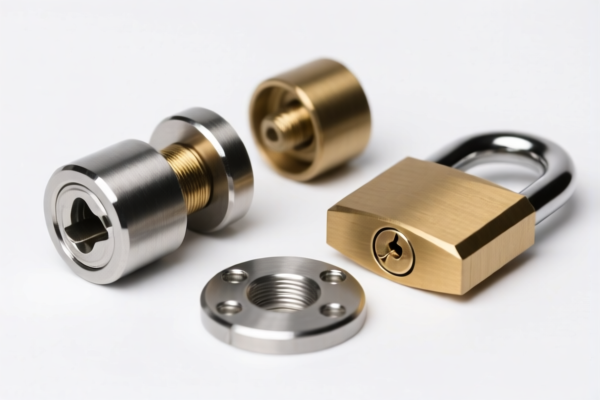
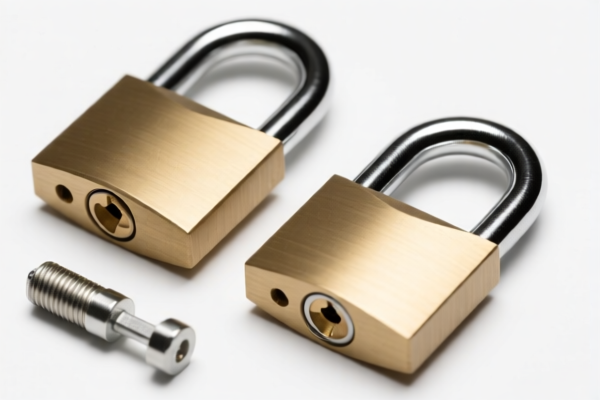
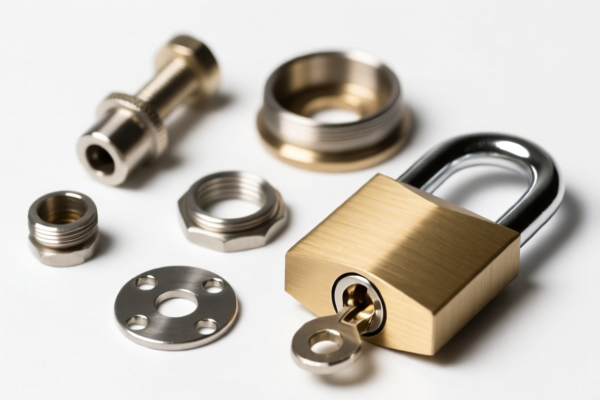
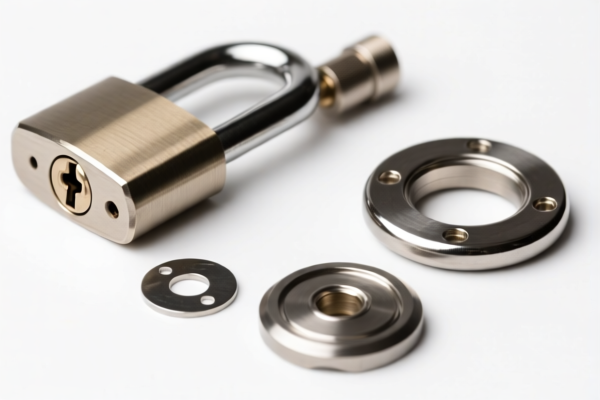
AI Analysis
🔐 Metal Locks (Hardware Security Systems)
🌐 HS Code Reference & Customs Clearance Guide | 2024 Tax Regime Analysis | Strategic Import Strategy for US Market 📌 I. Product Definition & Classification: Do You Know Your "Lock"?
"Metal Locks" are not a single product in international trade. Their classification depends strictly on material composition, structural form, and specific function. In the Harmonized System (HS), a simple "metal key" is treated differently from a "padlock," and an "aluminum alloy component" may fall under completely different chapters than a "steel security lock."
Misclassification here is fatal because Section 99 tariffs (US Trade War policies) can increase duties from 13.6% to over 90% based on subtle material or form differences.
⚠️ Critical Distinction Points: - Is it a functional lock or a generic metal part? - If it’s a complete locking mechanism (shackle + cylinder) → Chapter 83 (Metal Locks) - If it’s just a key blank or a generic aluminum fitting → Chapter 76 (Aluminum Articles) - Is the material Steel/Iron or Aluminum? - Steel/Iron locks usually enjoy lower base tariffs. - Aluminum parts often trigger higher "Section 122" or broader industrial tariffs.
📦 II. HS Code Classification Matrix (2024 Latest Data)
| HS Code | Product Description | Material | Form/Category | Total Tax Rate (China Origin) | Key Policy Drivers |
|---|---|---|---|---|---|
| 8301.10.60.80 | Metal Padlocks (General/Bottoming) | Metal (Steel/Iron) | Padlock, General Purpose | 23.6% | Base: 6.1% + Sec 301: 7.5% + Sec 122: 10% |
| 7616.99.51.70 | Metal Locks/Parts (Aluminum Specific) | Aluminum | Other Aluminum Articles (Fallback) | 37.5% | Base: 2.5% + Sec 301: 25.0% + Sec 122: 10% |
| 8301.10.50.00 | Metal Padlocks (Specific Type) | Metal (Steel/Iron) | Padlock (Specific Sub-category) | 13.6% | Base: 3.6% + Sec 301: 0.0% + Sec 122: 10% |
| 7616.10.90.90 | Metal Keys (Small Parts) | Metal (Steel/Al/Cu) | Small Metal Pieces/Keys | 91.0% | Base: 6.0% + Sec 301: 25.0% + Sec 122: 10% + Steel/Al/Cu Penalty: 50% |
🔍 Analysis: - Code
8301.10.50.00is the "Sweet Spot": It has the lowest total tax (13.6%) because it has 0% Sec 301 tariff for this specific sub-category. - Code7616.10.90.90is a "Trap": If you ship keys or small metal fittings made of steel/aluminum/copper, you face a 91% total tariff due to the massive 50% Section 122 penalty on base metals. - Code7616.99.51.70is for Aluminum: If your lock body is primarily aluminum alloy and not classified as a standard lock, it falls here. The tax is high (37.5%) due to 25% Sec 301.
💰 III. Detailed Tax Breakdown & Legal Basis
✅ Applicable Region: United States (US) ✅ Origin: China (CN) ✅ Context: 2024/2025 Tariff Regime (Section 301 & 122)
🎯 1. 8301.10.60.80 — Metal Padlocks (General Fallback)
Best for: Standard, unbranded, or generic metal padlocks that don't fit the specific 8301.10.50.00 criteria.
| Item | Detail |
|---|---|
| Base Duty | 6.1% |
| Section 301 Duty | 7.5% |
| Section 122 Duty | 10% |
| Total Effective Rate | 23.6% |
| Calculation | CIF Value × 23.6% |
| De Minimis Eligibility | ❌ No (Value > $800 threshold applies full tax) |
| Logic | This is the "bottoming" code for metal locks. It attracts both Sec 301 and Sec 122 tariffs. |
🎯 2. 7616.99.51.70 — Aluminum Metal Articles (Locks/Parts)
Best for: Locks or components made primarily of aluminum that are classified as "other articles" rather than specific hardware.
| Item | Detail |
|---|---|
| Base Duty | 2.5% |
| Section 301 Duty | 25.0% |
| Section 122 Duty | 10% |
| Total Effective Rate | 37.5% |
| Calculation | CIF Value × 37.5% |
| De Minimis Eligibility | ❌ No |
| Logic | Aluminum is heavily scrutinized. The 25% Sec 301 tariff is punitive. |
🎯 3. 8301.10.50.00 — Metal Padlocks (Specific/Low-Tax)
Best for: Specific types of padlocks that qualify for the 0% Section 301 exemption or lower bracket. This is the optimal code for cost savings.**
| Item | Detail |
|---|---|
| Base Duty | 3.6% |
| Section 301 Duty | 0.0% |
| Section 122 Duty | 10% |
| Total Effective Rate | 13.6% |
| Calculation | CIF Value × 13.6% |
| De Minimis Eligibility | ❌ No |
| Logic | Why is Sec 301 zero? This sub-code often represents a specific type of hardware (e.g., simple cylinder locks or specific padlock types) that was carved out or has a lower risk profile in the trade war lists. |
🎯 4. 7616.10.90.90 — Metal Keys / Small Parts (HIGH RISK)
Best for: Keys, small metal pins, or generic small metal pieces.
| Item | Detail |
|---|---|
| Base Duty | 6.0% |
| Section 301 Duty | 25.0% |
| Section 122 Duty | 10% |
| Steel/Al/Cu Penalty | 50.0% |
| Total Effective Rate | 91.0% |
| Calculation | CIF Value × 91.0% |
| De Minimis Eligibility | ❌ No |
| Logic | ⚠️ DANGER ZONE. This code triggers the maximum penalty for base metals (Steel, Aluminum, Copper). Do NOT ship keys or small metal fittings under this code unless you accept a 91% tax. |
🛠️ IV. Customs Clearance Strategy & Actionable Advice
✅ 1. Document Preparation (The "Golden File")
| Document | Requirement | Why It Matters |
|---|---|---|
| Commercial Invoice | Must state "Metal Padlock" or "Metal Key" clearly. Avoid vague terms like "Hardware" or "Accessories." | Vague descriptions trigger customs audits and lead to higher-risk codes. |
| Material Composition | Specify: "Steel Body, Zinc Alloy Shackle" vs. "Aluminum Alloy Body." | Crucial for distinguishing 8301 (Steel) from 7616 (Aluminum). |
| Product Photos | Clear view of the shackle, keyhole, and any branding. | Helps customs verify it is a "lock" (Ch 83) and not a "decorative metal piece" (Ch 76). |
| Structure Diagram | Show that it is a functional locking device. | Prevents reclassification as "parts" (which may have different tax rates). |
✅ 2. Coding Strategy: How to Save Money
🔥 Strategy: Aim for
8301.10.50.00(13.6%)
- Verify Sub-Category: Check if your specific padlock type qualifies for
8301.10.50.00. This code saves you 10% in Sec 301 tariffs compared to8301.10.60.80. - Avoid Aluminum If Possible: If your lock is aluminum, you are stuck with 37.5%. Consider switching to steel/zinc alloy bodies to fall under Chapter 83, which may offer better classification options.
- NEVER Ship Keys as
7616.10.90.90: If you are importing keys, you will pay 91%.- Alternative: Check if keys can be classified under
8301.40(Locks, keys, etc. - though keys are often excluded, check specific HTS notes). - Reality Check: Keys are heavily taxed. If possible, bundle them with locks to justify a "lock set" classification, or absorb the cost.
- Alternative: Check if keys can be classified under
✅ 3. Common Pitfalls & Solutions
| Mistake | Consequence | Solution |
|---|---|---|
| Calling a Padlock "Aluminum Hardware" | Reclassified to 7616.99.51.70 → 37.5% Tax |
Clearly label as "Metal Padlock" and use steel/zinc if possible. |
| Shipping Keys Individually | Reclassified to 7616.10.90.90 → 91% Tax |
Bundle keys with locks. Ensure the primary product is the Lock (Ch 83). |
| Using Generic "Lock" Description | Customs chooses the "fallback" code (8301.10.60.80) → 23.6% Tax |
Specify the exact type (e.g., "Disc Padlock," "Combination Padlock") to target 8301.10.50.00. |
🌍 V. Market Comparison & Tariff Summary
| Market | Recommended HS Code | Est. Total Tax (China Origin) | Key Risk |
|---|---|---|---|
| 🇺🇸 USA | 8301.10.50.00 |
13.6% | Low. Best for cost efficiency. |
| 🇺🇸 USA | 8301.10.60.80 |
23.6% | Medium. Standard padlocks. |
| 🇺🇸 USA | 7616.99.51.70 |
37.5% | High. Aluminum products. |
| 🇺🇸 USA | 7616.10.90.90 |
91.0% | Critical. Keys/Small Parts. |
| 🇪🇺 EU | 8301.10 |
~2.0% - 4.5% | Low. No US-style Section 301/122. |
| 🇨🇳 China | 8301.10 |
~6.0% | Low. Domestic import. |
📌 Conclusion: - The US market is the most expensive due to Section 301 and 122 tariffs. - Code
8301.10.50.00is the clear winner for padlocks (13.6%). - Code7616.10.90.90is a catastrophe for keys/small parts (91%).
🎯 VI. Final Recommendations
💡 For Importers:
- Audit Your SKU List: Separate "Padlocks" from "Keys" and "Aluminum Parts."
- Negotiate with Suppliers: Ask for HS Code verification for each SKU. Demand they confirm if it fits
8301.10.50.00. - Material Shift: If possible, use steel or zinc alloy instead of aluminum to avoid the
7616chapter entirely. - Avoid "Key-Only" Shipments: If you must import keys, consider if they can be marketed as "replacement keys for existing locks" (check specific exclusions) or bundle them in high-value lock sets to dilute the impact.
🚀 For Exporters:
📢 "Don't let a 91% tax kill your margin. Classify keys correctly, or don't ship them as standalone goods!"
✨ Professional Clearance, Start with Precision. 💼 Every percent of tariff saved is pure profit added.
📞 Contact your customs broker immediately to verify if your padlocks qualify for 8301.10.50.00 before your next shipment!
Customer Reviews
About HS Code Classification
The Harmonized System (HS) is an internationally standardized nomenclature developed by the World Customs Organization (WCO) to classify traded products. Over 200 countries use the HS system as the basis for customs tariffs, trade statistics, and import/export regulations.
Each HS code follows a hierarchical structure:
- Chapter (2 digits) — Broad category of goods (e.g., Chapter 84: Machinery and Mechanical Appliances)
- Heading (4 digits) — More specific grouping within the chapter
- Subheading (6 digits) — Internationally standardized breakdown, used by all WCO member countries
- National subdivisions (8-10 digits) — Country-specific extensions for further classification, such as US HTSUS 10-digit codes
Correct HS code classification is essential for smooth customs clearance, accurate duty payment, and compliance with trade regulations. Misclassification can lead to customs delays, overpayment of duties, or penalties.
When importing from CN to US, the applicable tariff rates may include:
- Most-Favored-Nation (MFN) rate — The standard duty rate applied to WTO members
- General rate — Applied to countries without trade agreements
- Trade remedy duties — Additional tariffs such as Section 301 (anti-dumping), Section 232 (national security), or countervailing duties
The information provided on this page is for reference purposes only. For official classification, please consult with your local customs authority or a licensed customs broker.