Microcrystalline Wax for Cosmetics
CN → US| HS Code | Tariff Rate | Origin | Destination | Doc |
|---|---|---|---|---|
| 3304995000 | 35.0% | CN | US | Official Doc |
| 3304991000 | 35.0% | CN | US | Official Doc |
| 3404905150 | 35.0% | CN | US | Official Doc |
| 3404901000 | 35.0% | CN | US | Official Doc |
| 2712902000 | 35.0% | CN | US | Official Doc |
| 2712200000 | 17.5% | CN | US | Official Doc |
Product Images
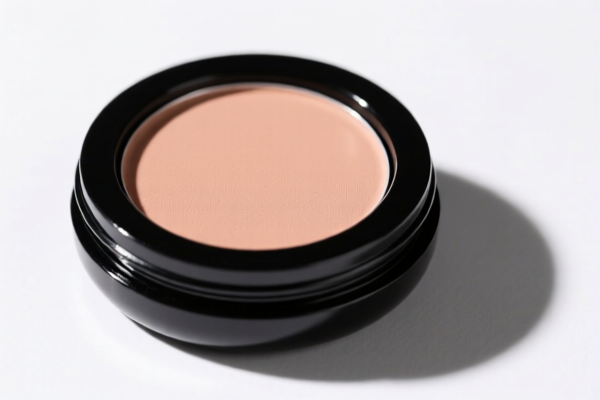
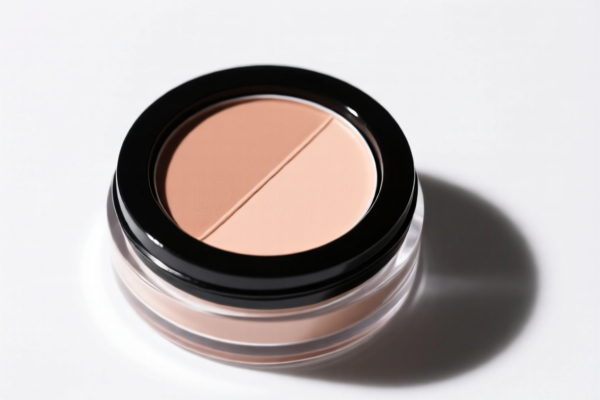
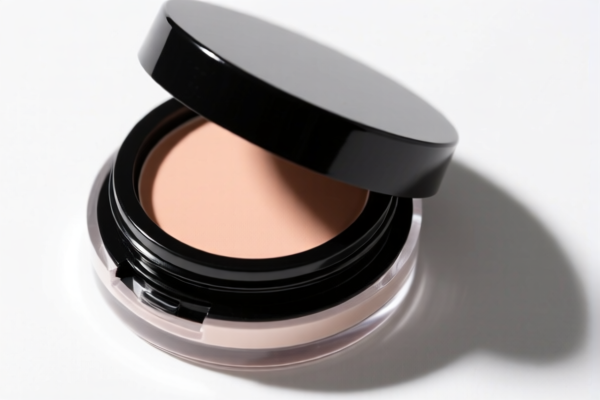
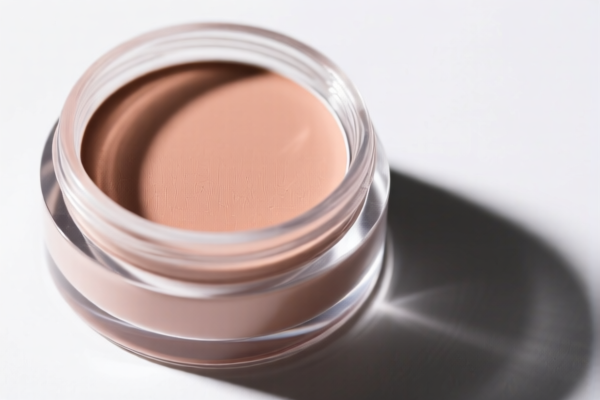
AI Analysis
🌟 Microcrystalline Wax for Cosmetics – HS Code & Tariff Guide 2026 | Full Customs Clearance Breakdown
📌 1. Product Definition & Classification: What Exactly Is Microcrystalline Wax for Cosmetics?
Microcrystalline wax is a fine, translucent, and highly viscous mineral wax derived from petroleum refining. Unlike paraffin wax, it has a higher molecular weight, greater flexibility, and superior adhesive properties, making it ideal for use in cosmetics and skincare formulations.
It is commonly used in:
- Lip balms and lipsticks
- Creams and lotions (as a thickener and stabilizer)
- Hair styling products (waxes, pomades)
- Makeup bases and foundations
- Anti-aging and protective skincare products
⚠️ Critical Distinction:
- If the wax is used purely as a raw ingredient in cosmetics → must be classified under HS Code 2712.90.20.00
- If it is already blended into a cosmetic product (e.g., a lip balm) → should be classified under 3304.99.50.00 or 3304.99.10.00, depending on final form
📦 2. HS Code Classification Breakdown (2026 Official Tariff List)
| HS Code | Product Description | Applicable For | Key Feature |
|---|---|---|---|
2712.90.20.00 |
Petroleum jelly; paraffin wax, microcrystalline petroleum wax, slack wax, ozokerite, lignite wax, peat wax, other mineral waxes and similar products obtained by synthesis or by other processes, whether or not colored: Other: Other | Raw microcrystalline wax sold as a standalone ingredient | Not pre-formulated – pure wax for industrial use |
3304.99.50.00 |
Beauty or make-up preparations and preparations for the care of the skin (other than medicaments), including sunscreen or sun tan preparations; manicure or pedicure preparations: Other: Other: Other | Microcrystalline wax already incorporated into a cosmetic formulation | Final product – not raw material |
3304.99.10.00 |
Beauty or make-up preparations...: Other: Other: Petroleum jelly put up for retail sale | Petroleum jelly (not microcrystalline wax) sold in retail packaging | Not applicable to microcrystalline wax unless blended with petroleum jelly |
🔍 Important Note:
- Microcrystalline wax itself is NOT petroleum jelly – it is a different chemical class.
- Do NOT use3304.99.10.00for pure microcrystalline wax – this is a common misclassification.
💰 3. 2026 Tariff & Tax Analysis (U.S. Market – China Origin)
✅ Applicable Country: United States (US)
✅ Origin: China (CN)
✅ Effective Date: 2025–2026 (ongoing trade measures)
🎯 1. HS Code 2712.90.20.00 – Raw Microcrystalline Wax (Other Mineral Waxes)
| Item | Detail |
|---|---|
| Base Duty Rate | 0.0% (ad valorem) |
| USITC Additional Tariff (Section 301) | +25.0% |
| IEEPA Additional Tariff (International Emergency Economic Powers Act) | +10.0% |
| Total Effective Tariff | 35.0% |
| Tax Calculation Basis | CIF Value × 35.0% |
| De Minimis Threshold | ❌ Not applicable (denied under U.S. law) |
| Legal Basis Path | IEEPA:9903.01.25 → USITC:2712.90.20.00 → FOOTNOTE:9903.88.01 |
📌 Explanation:
- This product falls under Section 301 Tariff List (USITC) due to its origin from China and classification as a non-essential chemical input. - The IEEPA 10% is applied to all goods from China under the "China-Related" tariff regime. - Total = 35% – one of the highest tariffs for non-medical, non-pharmaceutical chemical inputs.
🎯 2. HS Code 3304.99.50.00 – Cosmetic Preparations Containing Microcrystalline Wax
| Item | Detail |
|---|---|
| Base Duty Rate | 0.0% |
| USITC Additional Tariff (Section 301) | +25.0% |
| IEEPA Additional Tariff | +10.0% |
| Total Effective Tariff | 35.0% |
| Tax Calculation Basis | CIF Value × 35.0% |
| De Minimis Threshold | ❌ Not applicable |
| Legal Basis Path | IEEPA:9903.01.25 → USITC:3304.99.50.00 → FOOTNOTE:9903.88.01 |
📌 Important Insight:
- Even if the wax is used in a cosmetic product, the final product is still subject to the same 35% tariff if it originates from China. - The tax applies to the final retail-ready product, not the raw wax. - No difference in tariff between raw wax and finished cosmetic — both are hit by Section 301 + IEEPA.
🛠️ 4. Customs Clearance Best Practices (Pro Tips for Exporters & Importers)
✅ 1. Required Documentation (Must-Have List)
| Document | Required? | Why It Matters |
|---|---|---|
| ✅ Commercial Invoice | ✔️ | Must clearly state: "Microcrystalline wax for cosmetic use" or "Cosmetic formulation containing microcrystalline wax" |
| ✅ Packing List | ✔️ | Include net weight, packaging type, and HS Code |
| ✅ Product Safety Data Sheet (SDS) | ✔️ | Proves non-toxicity, compliance with FDA/IFRA standards |
| ✅ Certificate of Origin (CO) | ✔️ | Critical for tariff eligibility – China origin = 35% tariff |
| ✅ Form 7501 (Entry Summary) | ✔️ | Required for U.S. CBP filing |
| ✅ Lab Test Report (IFRA/ISO) | ✔️ | Proves suitability for cosmetics (especially for EU/US markets) |
| ✅ Label Sample (for retail products) | ✔️ | Shows product name, ingredients, and HS Code |
✅ 2.申报技巧(Key Rules to Avoid Penalties)
🔥 "Raw wax? → 2712.90.20.00. Final product? → 3304.99.50.00. No exceptions!"
| Scenario | Correct HS Code | Wrong Code | Risk |
|---|---|---|---|
| Raw microcrystalline wax in bulk drums | 2712.90.20.00 |
3304.99.50.00 |
Overpayment, audit risk |
| Lip balm made with microcrystalline wax | 3304.99.50.00 |
2712.90.20.00 |
Detention, reclassification, fines |
| Wax + petroleum jelly blend in retail pack | 3304.99.10.00 |
2712.90.20.00 |
Wrong classification – 35% tariff still applies |
| Wax used in industrial skincare (not retail) | 2712.90.20.00 |
3304.99.50.00 |
Overpaying 35% on raw material |
✅ 3. Special Cases & Workarounds
| Situation | Recommended Action |
|---|---|
| Wax sourced from Vietnam/Mexico/Thailand | Apply for Certificate of Origin (CO) under USMCA or ASEAN – may qualify for 0% tariff |
| Wax used in medical-grade skincare (e.g., wound care) | Apply for medical device exemption – contact FDA/USPTO for classification |
| Small shipments (<$800) | De Minimis Rule applies → No duty if value < $800 AND origin not China |
| Large consignments (10+ pallets) | Consider pre-ruling (Advance Ruling) from U.S. CBP to lock in tariff rate |
🌍 5. Global Tariff Comparison (2026)
| Country | Recommended HS Code | Base Tariff | Additional Taxes | Total Effective Tariff | Notes |
|---|---|---|---|---|---|
| 🇺🇸 United States (China origin) | 2712.90.20.00 or 3304.99.50.00 |
0% | +25% (USITC) +10% (IEEPA) | 35.0% | Highest tariff |
| 🇨🇳 China (Domestic) | 2712.90.20.00 |
5% | None | 5% | No extra tariffs |
| 🇪🇺 European Union | 2712.90.20.00 |
0% | None | 0% | No additional tariffs |
| 🇦🇺 Australia | 2712.90.20.00 |
5% | None | 5% | No extra taxes |
| 🇯🇵 Japan | 2712.90.20.00 |
0% | None | 0% | No extra tariffs |
📌 Insight:
- Only the U.S. imposes 35% tariff on microcrystalline wax from China.
- EU, Japan, Australia, and China offer much lower or zero tariffs – ideal for re-export or rebranding.
🚨 6. Common Mistakes & Real-World Pitfalls (Avoid These!)
❌ Mistake 1: Using 3304.99.10.00 for microcrystalline wax
👉 Result: Misclassification → 35% tariff still applies, but incorrect HS Code → CBP audit, fines, delay
❌ Mistake 2: Not declaring origin as China
👉 Result: Missing Section 301 tariff → Post-entry assessment, back duty, penalties
❌ Mistake 3: Shipping raw wax in "cosmetic packaging"
👉 Result: CBP may reclassify as finished product → 35% tariff even on raw material
❌ Mistake 4: Assuming "small shipment" is safe
👉 Result: If origin is China and value > $800 → still liable for 35%
✅ Correct Labeling Example:
"Microcrystalline Wax, 95% Purity, for Cosmetic Use – Not for Retail Sale – HS Code: 2712.90.20.00 – Origin: China"
🎯 7. Final Summary: Key Takeaways
✅ HS Code for Raw Microcrystalline Wax:
2712.90.20.00
✅ HS Code for Cosmetic Formulations:3304.99.50.00
✅ Total Tariff (U.S., China Origin): 35.0% (0% base + 25% USITC + 10% IEEPA)
✅ De Minimis? ❌ No – applies only to non-China goods under $800
✅ Best Strategy: Source from Vietnam/Mexico to avoid 35% tariff
✅ Pro Tip: Use pre-ruling (Advance Ruling) for large shipments to lock in rates
📣 Call to Action: Don’t Get Caught in the Tariff Trap!
📞 Contact a U.S. Customs Broker or Trade Consultant NOW
🚀 Apply for HS Code Pre-Ruling – avoid delays and penalties
🌐 Consider shifting origin to USMCA or ASEAN countries for 0% tariff access
✨ Your Product. Your Profit. Your Precision.
💼 One wrong HS Code = 35% extra cost. Get it right the first time.
🎯 Remember:
"Raw wax? → 2712.90.20.00. Final product? → 3304.99.50.00. China origin? → 35% tariff. Always verify."
🔐 Professional Customs Clearance Starts with Accurate Classification.
🚀 Your next shipment shouldn’t be delayed by a single digit in the HS Code.
Customer Reviews
About HS Code Classification
The Harmonized System (HS) is an internationally standardized nomenclature developed by the World Customs Organization (WCO) to classify traded products. Over 200 countries use the HS system as the basis for customs tariffs, trade statistics, and import/export regulations.
Each HS code follows a hierarchical structure:
- Chapter (2 digits) — Broad category of goods (e.g., Chapter 84: Machinery and Mechanical Appliances)
- Heading (4 digits) — More specific grouping within the chapter
- Subheading (6 digits) — Internationally standardized breakdown, used by all WCO member countries
- National subdivisions (8-10 digits) — Country-specific extensions for further classification, such as US HTSUS 10-digit codes
Correct HS code classification is essential for smooth customs clearance, accurate duty payment, and compliance with trade regulations. Misclassification can lead to customs delays, overpayment of duties, or penalties.
When importing from CN to US, the applicable tariff rates may include:
- Most-Favored-Nation (MFN) rate — The standard duty rate applied to WTO members
- General rate — Applied to countries without trade agreements
- Trade remedy duties — Additional tariffs such as Section 301 (anti-dumping), Section 232 (national security), or countervailing duties
The information provided on this page is for reference purposes only. For official classification, please consult with your local customs authority or a licensed customs broker.