Mini Massager
CN → US| HS Code | Tariff Rate | Origin | Destination | Doc |
|---|---|---|---|---|
| 9019102050 | 10.0% | CN | US | Official Doc |
| 9019102020 | 10.0% | CN | US | Official Doc |
| 8509801000 | 10.0% | CN | US | Official Doc |
| 8509805095 | 14.2% | CN | US | Official Doc |
| 9019102050 | 10.0% | CN | US | Official Doc |
Product Images
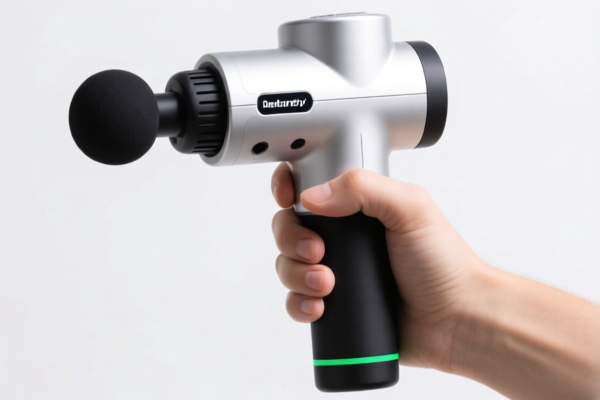
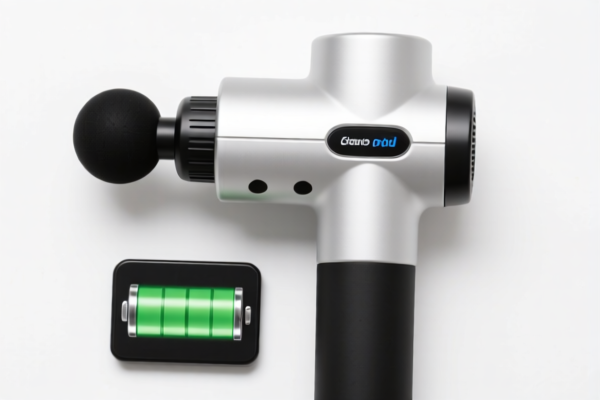
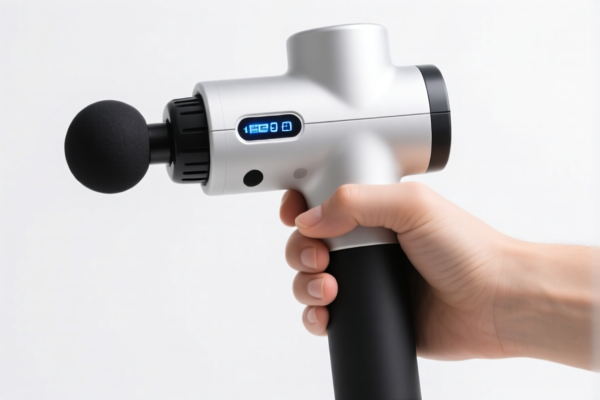
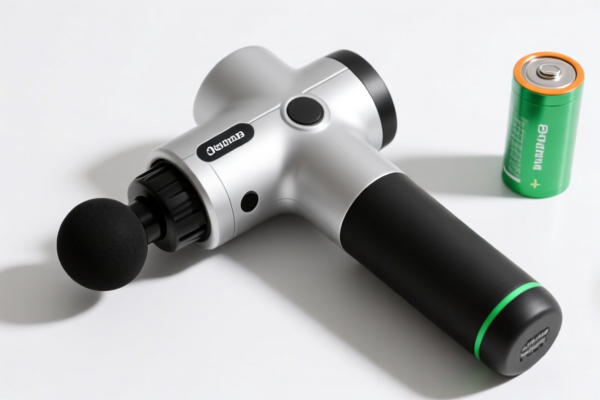
AI Analysis
🧘♀️ Mini Massager (Portable Massage Devices)
🌐 HS Code Reference & Customs Clearance Guide | 2026 Latest Tariff Analysis | Professional Entry Strategy
📌 1. Product Definition & Classification: Do You Truly Understand “Mini Massager”?
A Mini Massager is a portable device designed for muscle relief, acupressure, and relaxation. In international trade, classification depends heavily on its power source, structure, and intended use. The data provided suggests four potential classifications, ranging from medical/therapeutic instruments to general household electrical appliances.
⚠️ Key Classification Dilemma:
- Is it a Medical/Therapeutic Instrument (9019)? → Lower base tariff, but requires strict compliance.
- Is it a Household Electrical Appliance (8509)? → Higher base tariff, but often easier to clear as consumer goods.
- Critical Note: The term "Mini" does not exempt it from tariff rules. Classification must be based on function and technical specifications, not just size.
📦 2. HS Code Classification Details (Based on Provided Data)
The following HS Codes are derived from the provided <DATA> set. Note that multiple codes are possible depending on the specific internal mechanics (motor type, control circuit) and marketing claims.
| HS Code | Product Description | Classification Logic | Total Tax Rate |
|---|---|---|---|
9019.10.20.50 |
Massaging Apparatus (Therapeutic) | Perfect Match: The product name "Massager" aligns exactly with the chapter heading "Massaging apparatus." Classified under "Other" within this category. | 10.0% |
9019.10.20.20 |
Massage Instruments (General) | Probable Match: Matches the purpose "massage instruments." Since the power source is unspecified, it falls under the "catch-all" principle for this subheading. | 10.0% |
8509.80.10.00 |
Electromechanical Household Appliances (Other) | Inferred Match: Based on common sense, it is an electric household device. No conflict with material or function in this broad "Other" category. | 10.0% |
8509.80.50.95 |
Other Electromechanical Appliances (Household) | Probable Match: Considered a household appliance. Not excluded items (like toothbrushes or humidifiers). Assumed to be a finished electrical product. | 14.2% |
🔍 Critical Distinction:
-9019vs8509:
- If the device claims medical/therapeutic benefits (e.g., muscle recovery, pain relief),9019is the stronger, more accurate classification.
- If it is a general wellness/spa gadget with no medical claims,8509may apply, but beware of the higher base tariff (4.2% + 10% Section 301/IEEPA).
- Tax Implication: The difference between9019(10%) and8509.80.50.95(14.2%) is significant. Choosing the wrong code can lead to underpayment and penalties.
💰 3. 2026 Latest Tariff Rate Breakdown (Including Additional Taxes)
✅ Applicable Country: United States (US)
✅ Country of Origin: China (CN)
✅ Effective Date: Post-November 2025 (Current Trade Environment)
🎯 A. 9019.10.20.50 & 9019.10.20.20 — Massaging Apparatus/Instruments
| Item | Content |
|---|---|
| Base Tariff | 0.0% (Ad Valorem) |
| Additional Tariff (Section 301 / 122 Clause) | +10.0% |
| Total Tax Rate | 10.0% |
| Tax Calculation | CIF Value × 10% |
| De Minimis Exemption? | ❌ No (Denied for China-origin goods under Section 301/IEEPA) |
| Legal Basis Path | Section 301: 9019.10.20.50 → 122 Clause: 10% |
📌 Explanation:
- These codes fall under Chapter 90 (Medical/Scientific Instruments).
- While the base tariff is 0%, the 10% additional tariff (often referred to as "122 Clause" or Section 301 impact) applies to Chinese goods.
- Total Cost Impact: You pay exactly 10% of the declared value.
🎯 B. 8509.80.10.00 — Other Electromechanical Household Appliances
| Item | Content |
|---|---|
| Base Tariff | 0.0% |
| Additional Tariff (Section 301 / 122 Clause) | +10.0% |
| Total Tax Rate | 10.0% |
| Tax Calculation | CIF Value × 10% |
| De Minimis Exemption? | ❌ No |
| Legal Basis Path | Section 301: 8509.80.10.00 → 122 Clause: 10% |
📌 Explanation:
- Similar to9019, the base tariff is 0%, but the 10% surcharge applies.
- This code is a "generic" electrical appliance code. It is safer if the product is ambiguous, but less precise than9019.
🎯 C. 8509.80.50.95 — Other Household Electrical Appliances
| Item | Content |
|---|---|
| Base Tariff | 4.2% |
| Additional Tariff (Section 301 / 122 Clause) | +10.0% |
| Total Tax Rate | 14.2% |
| Tax Calculation | CIF Value × 14.2% |
| De Minimis Exemption? | ❌ No |
| Legal Basis Path | Section 301: 8509.80.50.95 → 122 Clause: 10% |
📌 Warning:
- This code carries a 4.2% base tariff PLUS the 10% surcharge.
- Why is it higher? This specific subheading may be treated differently in tariff schedules or may include components not eligible for the 0% base rate.
- Recommendation: Avoid this code if9019or8509.80.10.00is applicable, as it increases your landed cost by 4.2%.
🛠️ 4. Customs Clearance Practical Advice (Real-World Pitfall Guide)
✅ 1. Documentation Checklist (Essential for Clearance)
| Document | Mandatory? | Description |
|---|---|---|
| ✅ Product Spec Sheet | ✔️ | Must detail: Power source (Battery/AC), Voltage, Frequency, Material, Dimensions. |
| ✅ Product Photos | ✔️ | Clear images of the device, control panel, and label/tag (showing model number and origin). |
| ✅ Commercial Invoice | ✔️ | Must clearly state: "Mini Massager," HS Code, Origin (China), and Unit Price. |
| ✅ Packing List | ✔️ | Detail contents: Device, Charger, Manual, Carry Case. |
| ✅ FCC/CE Certification | ✔️ | Critical for 8509 codes. US Customs may request FCC ID to prove it’s a compliant electrical device. |
| ✅ FDA Disclaimer (If applicable) | ⚠️ | If marketing as "medical," FDA clearance may be needed. If "wellness," a disclaimer may suffice. |
✅ 2. Classification Strategy (Key Tips)
🔥 “Clarify Function, Define Power, Avoid Ambiguity!”
| Scenario | Recommended HS Code | Reasoning |
|---|---|---|
| Device with specific therapeutic claims (e.g., TENS, percussion therapy) | 9019.10.20.50 |
Most accurate for "Massaging Apparatus." Lowest risk of misclassification. |
| General wellness/vibration device (No medical claims) | 9019.10.20.20 |
Falls under "Massage Instruments." Safe catch-all for non-medical massage. |
| Generic electric gadget (Unclear power source) | 8509.80.10.00 |
Broad "Other" category. Use if unsure, but ensure it’s clearly electrical. |
| Device with specific housing/materials (Not covered above) | 8509.80.50.95 |
Last resort. Higher tax (14.2%). Use only if other codes are clearly incorrect. |
✅ 3. Common Mistakes & Penalties
| Mistake | Consequence |
|---|---|
| ❌ Misclassifying as "Toys" or "Fitness Equipment" | Wrong HS Code → 100%+ penalty + seizure. |
| ❌ Using "De Minimis" (Section 321) for China Origin | Illegal. Goods from China >$800 are subject to tariffs. Avoid this route. |
| ❌ Vague Description ("Gadget") | Customs will assign their own HS Code, likely the highest tax bracket. |
| ❌ Ignoring FCC Certification | For 8509 codes, lack of FCC ID can lead to detention or refusal of entry. |
🌍 5. Global Market Comparison (2026 Outlook)
| Market | Recommended HS Code | Est. Total Tariff | Notes |
|---|---|---|---|
| 🇺🇸 USA | 9019.10.20.50 |
10.0% | Best balance of accuracy and cost. |
| 🇨🇳 China | 9019.10.20.50 |
~5-10% | Import duties vary; check local BOCRA rules. |
| 🇪🇺 EU | 9019.10.20.00 |
~0-6.5% | CE Marking is mandatory. No Section 301 equivalent. |
| 🇬🇧 UK | 9019.10.20.00 |
~4-6.5% | Post-Brexit rules apply. UKCA Mark required. |
📌 Conclusion:
- USA: The 10% surcharge is unavoidable for Chinese goods. Focus on accurate classification to avoid higher base rates.
- EU/UK: Lower tariffs, but stricter safety certifications (CE/UKCA) are required.
📌 6. Final Recommendations & Pro Tips
✅ Strategic Advice for Importers
- Pre-Ruling Application:
- Apply for an Advance Ruling from US Customs (CBP) using your product specs. This locks in the HS Code and prevents future disputes.
- Documentation Precision:
- Always describe the product as "Portable Electric Massager" or "Therapeutic Massage Device". Avoid vague terms like "Health Gadget."
- Certification Prep:
- Ensure your supplier provides FCC ID (for US) and RoHS compliance documents. This is critical for
8509codes. - Cost Optimization:
- If possible, negotiate with suppliers to ship from a non-China origin (e.g., Vietnam, Mexico) to potentially avoid the 10% Section 301 surcharge. Note: Transshipment must be legitimate to avoid fraud allegations.
🎯 7. Summary: Your Action Plan
🚀 Step 1: Confirm Product Details (Power, Function, Material).
🚀 Step 2: Choose9019.10.20.50(10% total tax) for best compliance.
🚀 Step 3: Prepare FCC/CE Certs and Detailed Invoice.
🚀 Step 4: File Entry with Accurate HS Code.
🚀 Step 5: Pay 10% Duty. Avoid8509.80.50.95(14.2%) unless necessary.
📣 Act Now:
📞 Contact a Licensed Customs Broker to file your entry.
📄 Provide Full Specs to avoid delays.
💡 Save 4.2% by avoiding the higher8509subheading if9019applies!
✨ Precision in Classification, Profit in Clearance!
💼 Don’t let customs hold your goods because of a wrong HS Code!
Customer Reviews
About HS Code Classification
The Harmonized System (HS) is an internationally standardized nomenclature developed by the World Customs Organization (WCO) to classify traded products. Over 200 countries use the HS system as the basis for customs tariffs, trade statistics, and import/export regulations.
Each HS code follows a hierarchical structure:
- Chapter (2 digits) — Broad category of goods (e.g., Chapter 84: Machinery and Mechanical Appliances)
- Heading (4 digits) — More specific grouping within the chapter
- Subheading (6 digits) — Internationally standardized breakdown, used by all WCO member countries
- National subdivisions (8-10 digits) — Country-specific extensions for further classification, such as US HTSUS 10-digit codes
Correct HS code classification is essential for smooth customs clearance, accurate duty payment, and compliance with trade regulations. Misclassification can lead to customs delays, overpayment of duties, or penalties.
When importing from CN to US, the applicable tariff rates may include:
- Most-Favored-Nation (MFN) rate — The standard duty rate applied to WTO members
- General rate — Applied to countries without trade agreements
- Trade remedy duties — Additional tariffs such as Section 301 (anti-dumping), Section 232 (national security), or countervailing duties
The information provided on this page is for reference purposes only. For official classification, please consult with your local customs authority or a licensed customs broker.