Modak Acrylic Blended Multi Ply Yarn Industrial Grade
CN → US| HS Code | Tariff Rate | Origin | Destination | Doc |
|---|---|---|---|---|
| 5509692000 | 44.0% | CN | US | Official Doc |
| 5507000000 | 40.0% | CN | US | Official Doc |
| 5509694000 | 45.0% | CN | US | Official Doc |
| 5402499140 | 43.0% | CN | US | Official Doc |
| 5509692000 | 44.0% | CN | US | Official Doc |
Product Images
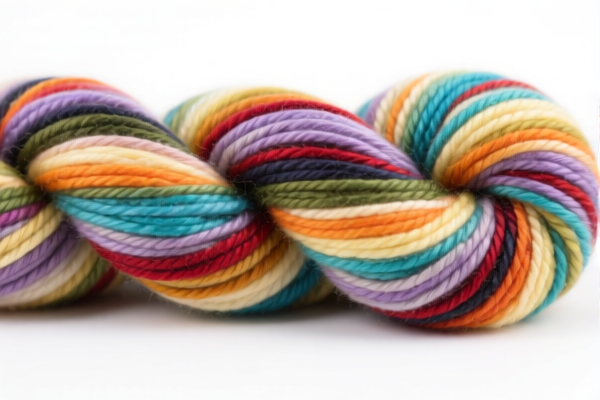
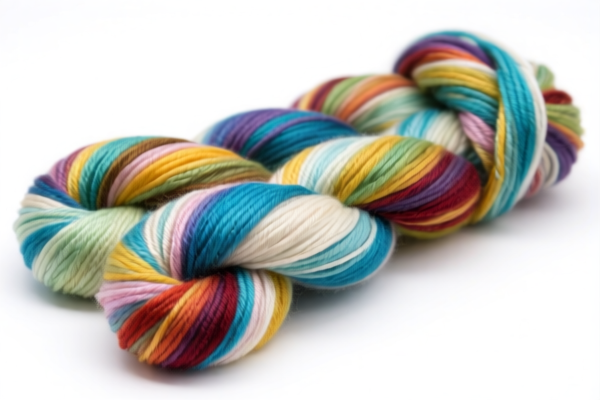
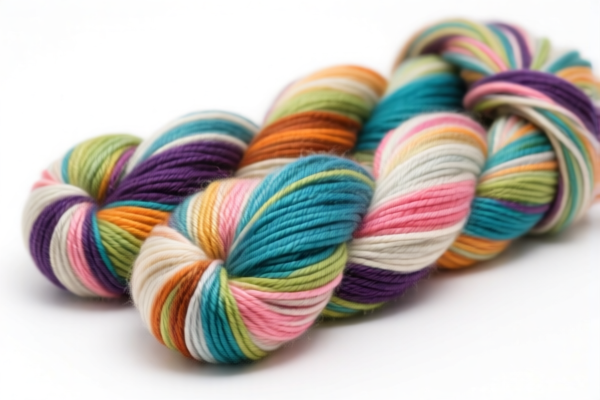
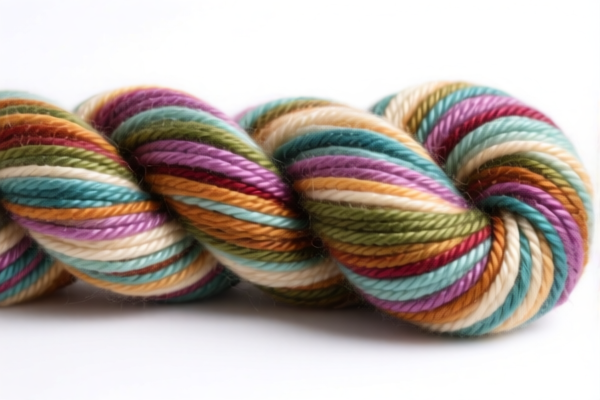
AI Analysis
🧵 Modakrylic Blended Multi-Ply Yarn (Industrial Grade): HS Code Classification & Tariff Deep Dive
🌐 HS Code Reference & Customs Clearance Guide | 2026 Latest Tariff Analysis | Professional-Level Compliance Strategy
📌 I. Product Definition & Classification: Do You Truly Understand "Acrylic Blended Yarn"?
Modakrylic yarn is a specialized synthetic fiber blending acrylic fibers with modacrylic fibers. Unlike standard acrylic, modacrylic offers superior flame resistance and self-extinguishing properties, making it critical for industrial applications requiring safety standards.
In international trade, this product is categorized based on two key factors: 1. Composition: Is it pure synthetic short fibers spun, or a blend of synthetic fibers? 2. Form: Is it single-ply, multi-ply (twisted together), or non-retail (industrial bulk)?
⚠️ Key Distinction Point:
- If classified under 5507, it is treated as synthetic staple fibers spun into yarn (single or multi-ply, but defined by the spinning process of short fibers).
- If classified under 5509, it is treated as woven fabric yarns or blended yarns where the specific blending ratio and ply structure dictate the subheading.
- Industrial Grade implies non-retail packaging and large bulk quantities, which affects duty exemptions but not the HS code itself (USITC codes remain 8-digit).
📦 II. HS Code Classification Details (2026 Latest Tariff Authority Cross-Reference)
Based on the provided data for "Modakrylic Acrylic Blended Multi-Ply Yarn (Industrial Grade)", here are the precise HS codes and their logical derivations:
| HS Code | Product Description | Logical Derivation from Data | Applicability Scenario |
|---|---|---|---|
5509.69.20.00 |
Acrylic blended multi-ply yarn (Industrial Grade) | Material is explicitly stated as "Acrylic Blended"; Form is "Yarn"; Usage is "Industrial". | Primary Classification: Most accurate fit for blended acrylic yarns intended for industrial weaving/knitting. |
5507.00.00.00 |
Synthetic Staple Fiber Yarn (Spun) | Material is "Acrylic"; Form is "Yarn"; Defined as "Synthetic Staple Fibers After Spinning". | Secondary Classification: Used if customs view the modacrylic component as secondary to the spinning definition of staple fibers. |
5509.69.40.00 |
Blended Fiber Yarn (Multi-Ply) | Material fits "Acrylic"; Form is "Multi-Ply"; Category is "Mixed Fiber Yarn". | Alternative Blended Code: Specifically for yarns where multiple synthetic fibers are blended, classified under mixed fiber subheadings. |
5402.49.91.40 |
Synthetic Fiber Multi-Ply Yarn (Non-Retail) | Material inferred as "Synthetic Fiber"; Form is "Multi-Ply Yarn"; Industrial grade implies "Non-Retail". | High-Risk Classification: Used if the "acrylic blend" is deemed insufficient for Chapter 55, forcing classification under Chapter 54 (Synthetic Filament Yarn). |
🔍 Critical Reminder:
-5509.69.20.00and5507.00.00.00appear multiple times in the source data with slight descriptive variations, indicating strong contention between these two codes.
-5402.49.91.40carries a higher base duty (8%) and higher total tax (43%) than the 5507 code, suggesting it is a less favorable classification for acrylic blends.
-5509.69.40.00has the highest base duty (10%), making it the most expensive classification among the options.
💰 III. 2026 Latest Tariff Rate Breakdown (Including Surcharges & Policy Add-ons)
✅ Applicable Country: United States (US)
✅ Origin: China (CN)
✅ Effective Date: 2025 onwards (Subject to current trade policies)
🎯 1. 5509.69.20.00 —— Acrylic Blended Multi-Ply Yarn (Industrial)
| Item | Detail |
|---|---|
| Base Duty Rate | 9.0% |
| Section 301 Surcharge | +25.0% |
| Section 122 Surcharge | +10.0% |
| Total Effective Rate | 44.0% |
| Tax Calculation | CIF Value × 44% |
| De Minimis Exemption | ❌ Not Eligible (Industrial grade > $800 threshold; 301/122 taxes apply to all values) |
| Legal Basis Path | HTSUS:5509.69.20.00 → Section 301: Footnote 9903.02 → Section 122: Executive Order |
📌 Explanation:
- This is the most common classification for acrylic blends.
- The 44% total tax is very high, significantly impacting profit margins.
- Section 122 (often related to national security or specific trade remedies) adds an extra 10% on top of the standard 301 tariff.
🎯 2. 5507.00.00.00 —— Synthetic Staple Fiber Yarn (Spun)
| Item | Detail |
|---|---|
| Base Duty Rate | 5.0% |
| Section 301 Surcharge | +25.0% |
| Section 122 Surcharge | +10.0% |
| Total Effective Rate | 40.0% |
| Tax Calculation | CIF Value × 40% |
| De Minimis Exemption | ❌ Not Eligible |
| Legal Basis Path | HTSUS:5507.00.00.00 → Section 301: Footnote 9903.02 → Section 122: Executive Order |
📌 Explanation:
- This code offers the lowest total tax (40%) among all listed options.
- It requires proving that the product is primarily "synthetic staple fibers" spun into yarn.
- Strategy: If your modacrylic content is low or the spinning process defines the product, push for this code to save 4% compared to 5509.69.20.00.
🎯 3. 5509.69.40.00 —— Mixed Fiber Yarn (Multi-Ply)
| Item | Detail |
|---|---|
| Base Duty Rate | 10.0% |
| Section 301 Surcharge | +25.0% |
| Section 122 Surcharge | +10.0% |
| Total Effective Rate | 45.0% |
| Tax Calculation | CIF Value × 45% |
| De Minimis Exemption | ❌ Not Eligible |
| Legal Basis Path | HTSUS:5509.69.40.00 → Section 301: Footnote 9903.02 → Section 122: Executive Order |
📌 Explanation:
- This is the highest tax rate (45%).
- Avoid this classification unless your yarn is a complex mix of multiple synthetic types (e.g., acrylic + polyester + nylon) and cannot fit under 5509.69.20.00.
🎯 4. 5402.49.91.40 —— Synthetic Filament Yarn (Multi-Ply, Non-Retail)
| Item | Detail |
|---|---|
| Base Duty Rate | 8.0% |
| Section 301 Surcharge | +25.0% |
| Section 122 Surcharge | +10.0% |
| Total Effective Rate | 43.0% |
| Tax Calculation | CIF Value × 43% |
| De Minimis Exemption | ❌ Not Eligible |
| Legal Basis Path | HTSUS:5402.49.91.40 → Section 301: Footnote 9903.02 → Section 122: Executive Order |
📌 Explanation:
- This code assumes the product is "Filament Yarn" (continuous fiber) rather than "Staple Fiber" (short fiber spun into yarn).
- Risk: Modacrylic/Acrylic blends are typically staple fibers spun, not filaments. Misclassification here could lead to customs audits and penalties for incorrect HS code.
- Tax is 43%, slightly better than 5509.69.20.00 (44%) but worse than 5507 (40%).
🛠️ IV. Customs Clearance Practical Advice (Battle-Tested Pitfall Avoidance)
✅ 1. Essential Documentation Checklist (No Shortcuts)
| Document | Required? | Notes |
|---|---|---|
| ✅ Technical Spec Sheet | ✔️ | Must detail fiber content % (e.g., 60% Acrylic, 40% Modacrylic) and yarn count. |
| ✅ Spinning Process Description | ✔️ | Crucial for distinguishing between Chapter 54 (Filament) and Chapter 55 (Staple/Blended). |
| ✅ Product Photos (Bulk & Close-up) | ✔️ | Show yarn texture, twist direction, and lack of retail packaging. |
| ✅ Commercial Invoice | ✔️ | Clearly state "Industrial Grade, Non-Retail" and CIF Value. |
| ✅ Bill of Lading | ✔️ | Ensure weight and volume match invoice. |
| ✅ Import Security Filing (ISF) | ✔️ | File 24 hours before loading (for ocean freight). |
✅ 2. Declaration Strategy (Key Mantra)
🔥 "Blended Acrylic is 5509, Staple Spun is 5507, Filament is 5402. Don't Guess, Just Prove!"
| Scenario | Correct HS Code | Why? |
|---|---|---|
| Yarn is spun from short fibers (Acrylic + Modacrylic) | 5507.00.00.00 or 5509.69.20.00 |
Both Chapters 55 cover synthetic staple fibers. 5507 is for spun; 5509 is for blended/woven yarns. |
| Yarn is continuous filament (not spun) | 5402.49.91.40 |
Chapter 54 covers synthetic filament yarns. Only use if you have proof of continuous filament. |
| Product has retail packaging (<250g) | Not Applicable | Industrial grade implies bulk. Retail packaging changes duty rates and regulations. |
| Mixed with Non-Synthetic Fibers (e.g., Cotton) | Check Blend % | If >50% synthetic, still Chapter 55. If <50%, may change classification entirely. |
✅ 3. Special Case Handling
| Situation | Handling Advice |
|---|---|
| OEM Custom Yarn | Provide client specifications and fiber blend ratios. Do not generalize as "Acrylic Yarn." |
| Flame-Retardant Claim | Highlight "Modacrylic" content. This may qualify for special industrial categories, but not tariff reductions under current 301/122 rules. |
| Uncertain Fiber Type | Conduct a lab test (microscopy/solubility) to prove staple vs. filament. Incorrect classification leads to liquidated damages. |
| Previous Rulings | Check for US CBP Ruling Letters on similar modacrylic yarns. Precedents can support your classification. |
🌍 V. Global Customs Comparison (2026 Latest)
| Country/Region | Recommended HS Code | Base Duty | Surcharges (China Origin) | Total Effective Rate | Notes |
|---|---|---|---|---|---|
| 🇺🇸 USA | 5507.00.00.00 |
5.0% | +35% (301 + 122) | 40.0% | Lowest tax option. |
| 🇪🇺 EU | 5509.69.20.00 |
6.5% | 0% (No Section 301/122) | 6.5% | Much lower tax. CE/REACH compliance needed. |
| 🇨🇳 China | 5509.69.20.00 |
8.0% | 0% | 8.0% | Low duty for import into China. |
| 🇬🇧 UK | 5509.69.20.00 |
6.5% | 0% | 6.5% | Post-Brexit rules apply. |
| 🇯🇵 Japan | 5509.69.20.00 |
5.3% | 0% | 5.3% | JETRO certification may help. |
📌 Conclusion:
- USA is the most expensive market due to Section 301 and Section 122 tariffs.
- EU/UK/JP offer significantly lower duties (5-8%), but require strict environmental and safety certifications.
- Strategy: If selling to the US, aggressively pursue5507.00.00.00for the 4% savings. If selling to EU, focus on compliance rather than tariff optimization.
📌 VI. Common Mistakes & Pitfall Avoidance (Blood-Learned Lessons)
❌ Mistake 1: Classifying Blended Acrylic Yarn as Cotton Yarn (5205)
👉 Consequence: Severe penalty for false declaration. Acrylic is synthetic, not natural fiber.
❌ Mistake 2: Using 5402.49.91.40 for Staple Fiber Yarn
👉 Consequence: Customs will reclassify to Chapter 55, charging higher base duty (9-10%) + penalties.
❌ Mistake 3: Ignoring Section 122 in addition to Section 301
👉 Consequence: Underestimating tax by 10%. Total tax is not just 301 (25%) + Base (5-9%), but +10% more.
❌ Mistake 4: Failing to Declare "Industrial Grade"
👉 Consequence: Customs may assume retail packaging, triggering different duty rates and import restrictions.
✅ Correct Action:
"Modacrylic Acrylic Blended Multi-Ply Yarn, Industrial Grade, Non-Retail Packaging, 60% Acrylic/40% Modacrylic, Staple Fiber Spun, CIF $X"
🎯 VII. Conclusion: Precision Classification Saves Millions!
🎯 Remember the Mantra:
🔹 "Staple Spun is 5507 (40%), Blended is 5509 (44-45%), Filament is 5402 (43%). Don't Mix Them!"
🔹 "301 + 122 = 35% Extra Tax. Plan Your Budget Accordingly!"
📌 Pro Tip:
If your modacrylic yarn is destined for military or safety gear, check for US Defense Production Act (DPA) exceptions, though unlikely to waive 301/122 tariffs.
Recommendation: Apply for a Binding Ruling from US CBP before shipment to lock in 5507.00.00.00 for the lowest tax.
📣 Immediate Action:
📞 Consult a Licensed Customs Broker + Provide Fiber Blend Report + Request HS Code Pre-Ruling
🚀 Ensure Smooth Customs Clearance, Minimize Duties, and Maximize Profits!
✨ Professional Customs Clearance Starts with Accurate Classification!
💼 Every Percent of Tax Saved is Pure Profit!
Customer Reviews
About HS Code Classification
The Harmonized System (HS) is an internationally standardized nomenclature developed by the World Customs Organization (WCO) to classify traded products. Over 200 countries use the HS system as the basis for customs tariffs, trade statistics, and import/export regulations.
Each HS code follows a hierarchical structure:
- Chapter (2 digits) — Broad category of goods (e.g., Chapter 84: Machinery and Mechanical Appliances)
- Heading (4 digits) — More specific grouping within the chapter
- Subheading (6 digits) — Internationally standardized breakdown, used by all WCO member countries
- National subdivisions (8-10 digits) — Country-specific extensions for further classification, such as US HTSUS 10-digit codes
Correct HS code classification is essential for smooth customs clearance, accurate duty payment, and compliance with trade regulations. Misclassification can lead to customs delays, overpayment of duties, or penalties.
When importing from CN to US, the applicable tariff rates may include:
- Most-Favored-Nation (MFN) rate — The standard duty rate applied to WTO members
- General rate — Applied to countries without trade agreements
- Trade remedy duties — Additional tariffs such as Section 301 (anti-dumping), Section 232 (national security), or countervailing duties
The information provided on this page is for reference purposes only. For official classification, please consult with your local customs authority or a licensed customs broker.