Modified Acrylic Blended Fabric (for Clothing)
CN → US| HS Code | Tariff Rate | Origin | Destination | Doc |
|---|---|---|---|---|
| 5515290090 | 35.0% | CN | US | Official Doc |
| 5515290005 | 35.0% | CN | US | Official Doc |
| 5512210090 | 47.0% | CN | US | Official Doc |
| 5512290090 | 22.0% | CN | US | Official Doc |
| 6006330080 | 45.0% | CN | US | Official Doc |
| 6006320080 | 45.0% | CN | US | Official Doc |
Product Images
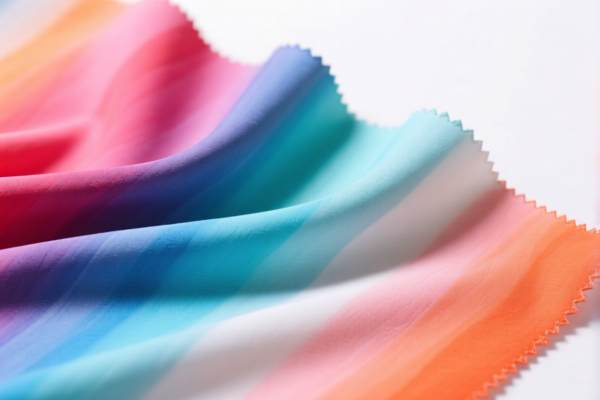
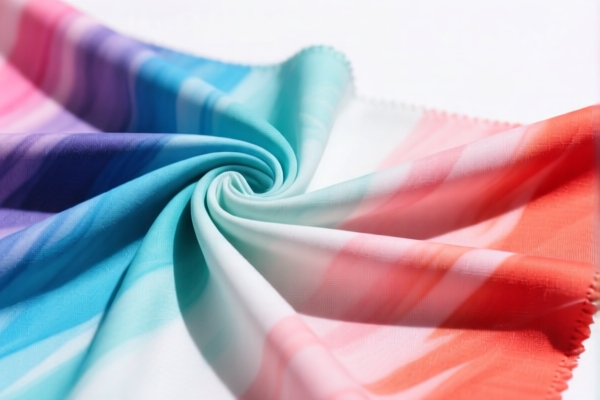
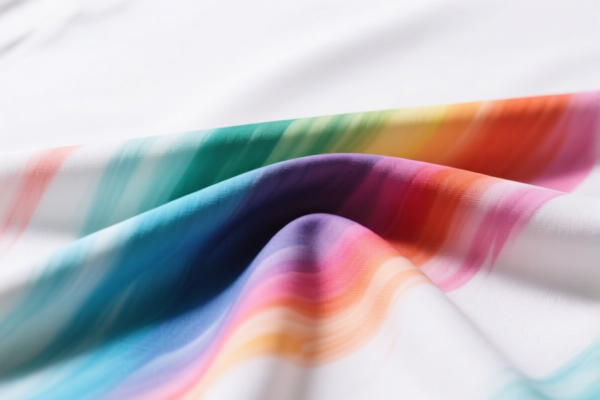
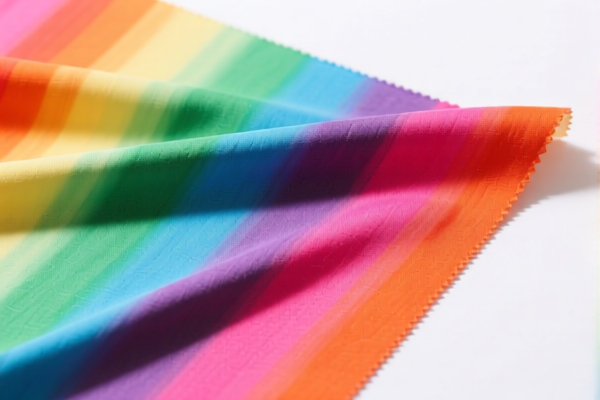
AI Analysis
🌟 Modified Acrylic Blended Fabric (for Clothing)
🌐 HS Code Classification & Customs Clearance Guide | 2026 Updated Tariff Analysis | Pro-Level Import Strategy
📌 One-Stop Solution for Apparel Textiles from China to Global Markets
🧵 一、Product Definition & Classification: What Is "Modified Acrylic Blended Fabric"?
Modified Acrylic Blended Fabric refers to woven or knitted textile fabrics containing acrylic or modacrylic staple fibers, where the fiber composition is 85% or more by weight, and the fabric is not bleached or dyed in the traditional sense, but may feature yarns of different colors (e.g., multi-colored weft or warp).
⚠️ Key Classification Triggers: - Synthetic staple fibers ≥85% by weight - Acrylic or modacrylic fibers as major component - Fabric type: Woven or Knitted - Color: Not fully dyed; yarns of different colors (e.g., patterned, jacquard, or mixed-color yarns)
✅ Correctly classified under: - 5515.29.00.90 – Other woven fabrics of synthetic staple fibers: Of acrylic or modacrylic staple fibers: Other: Other
- 5515.29.00.05 – Other woven fabrics of synthetic staple fibers: Of acrylic or modacrylic staple fibers: Other: Of yarns of different colors, except blue denim or jacquard weave❌ Incorrectly classified as: - 5512.21.00.90 (for bleached/unglazed acrylic fabrics) → wrong if dyed or multi-colored - 6006.33.00.80 (knitted, multi-colored) → only if knitted, not woven
📦 二、HS Code Breakdown (2026 Updated Tariff Table)
| HS Code | Product Description | Fabric Type | Fiber Composition | Color/Pattern | Key Use Case |
|---|---|---|---|---|---|
5515.29.00.90 |
Other woven fabrics of synthetic staple fibers: Of acrylic or modacrylic staple fibers: Other: Other | Woven | ≥85% acrylic/modacrylic | Not specified (general) | General apparel, outerwear, lining |
5515.29.00.05 |
Other woven fabrics of synthetic staple fibers: Of acrylic or modacrylic staple fibers: Other: Of yarns of different colors, except blue denim or jacquard weave | Woven | ≥85% acrylic/modacrylic | Multi-colored yarns (non-jacquard) | Fashion garments, casual wear, decorative fabrics |
🔍 Critical Distinction: -
5515.29.00.05applies only if the fabric uses yarns of different colors (e.g., striped, plaid, or random color mix) and is NOT blue denim or jacquard. - If it is jacquard or blue denim, it falls under other subheadings (e.g., 5515.29.00.90 or 5515.29.00.95).
💰 三、2026 Tariff & Tax Analysis (US Focus | China-Origin)
✅ Applicable Country: United States (US)
✅ Origin: China (CN)
✅ Effective Date: January 1, 2026 (latest updates)
🎯 1. 5515.29.00.90 – General Acrylic-Modacrylic Woven Fabric
| Item | Detail |
|---|---|
| Base Tariff | 0.0% (ad valorem) |
| USITC Additional Duty | +0.0% (no 301 tariff applied) |
| IEEPA Additional Duty | +25.0% (due to China origin, under IEEPA §9903.01.24) |
| Total Effective Duty | 25.0% |
| Tax Calculation | CIF Value × 25.0% |
| De Minimis Threshold | ❌ Not applicable (denied under US law) |
| Legal Basis Path | IEEPA:9903.01.24 → FOOTNOTE:9903.88.01 → HS:5515.29.00.90 |
📌 Explanation: - Although the base tariff is 0%, the IEEPA 25% applies to all goods from China under Section 301 and international emergency powers. - This 25% is not optional — it’s mandatory for all shipments from China, regardless of product type.
🎯 2. 5515.29.00.05 – Woven Fabric with Multi-Color Yarns (Non-Jacquard, Non-Blue Denim)
| Item | Detail |
|---|---|
| Base Tariff | 0.0% |
| USITC Additional Duty | +0.0% |
| IEEPA Additional Duty | +25.0% |
| Total Effective Duty | 25.0% |
| Tax Calculation | CIF Value × 25.0% |
| De Minimis Threshold | ❌ Not eligible |
| Legal Basis Path | IEEPA:9903.01.24 → FOOTNOTE:9903.88.01 → HS:5515.29.00.05 |
📌 Important Note: - Even though this fabric is colorful or patterned, it still triggers the 25% IEEPA tariff because: - It contains ≥85% acrylic/modacrylic fibers - It is woven - It is from China - The color variation does NOT exempt it from the IEEPA duty.
🛠️ 四、Customs Clearance Best Practices (Pro Tips to Avoid Penalties)
✅ 1. Essential Documentation (Must-Have Checklist)
| Document | Required? | Why It Matters |
|---|---|---|
| ✅ Commercial Invoice | ✔️ | Must clearly state: "Woven Fabric, Acrylic/Modacrylic Blend, 85%+ Content, Multi-Color Yarns" |
| ✅ Packing List | ✔️ | Specify fabric roll count, weight, dimensions |
| ✅ Bill of Lading (B/L) | ✔️ | Confirm origin (China) and final destination |
| ✅ Certificate of Origin (CO) | ✔️ | Required for tariff claims; use Form A or CO from China |
| ✅ Product Specifications Sheet | ✔️ | Include: fiber content, GSM, width, weave type, color pattern |
| ✅ Lab Test Report (e.g., ASTM D1236) | ✔️ | Prove acrylic/modacrylic content ≥85% |
| ✅ Product Photos (with label/roll mark) | ✔️ | Show yarn color variation, weave pattern |
✅ 2.申报技巧(申报口诀)
🔥 "Yarns different? Still 25%. Fabric woven? Still 25%. China origin? 25% guaranteed!"
| Scenario | Correct HS Code | Common Mistake |
|---|---|---|
| Woven fabric, 90% acrylic, multi-colored yarns | 5515.29.00.05 |
Misreported as 5515.29.00.90 → no penalty, but tax not optimized |
| Woven, 85% acrylic, solid color | 5515.29.00.90 |
Incorrectly claimed as “dyed” → risk of audit |
| Knitted fabric, multi-colored, acrylic blend | 6006.33.00.80 |
Not applicable — only for knitted; this is woven → wrong HS code |
| Fabric with blue denim pattern | 5515.29.00.90 |
Not 5515.29.00.05 → excluded by rule |
✅ 3. Special Cases & Risk Mitigation
| Situation | Recommended Action |
|---|---|
| Fabric is 85% acrylic but made in Vietnam | Apply for IEEPA exemption → 0% tariff (if CO shows Vietnam origin) |
| Fabric is 95% modacrylic, but labeled “acrylic” | Verify fiber content via lab test — mislabeling = penalty risk |
| Custom dyeing after import (e.g., in US) | Still taxed at 25% — dyeing doesn’t change origin |
| Re-exporting to Canada or Mexico | Consider USMCA — if origin meets rules, 0% tariff (if from US/MX/CA) |
🌍 五、Global Tariff Comparison (2026 Update)
| Country | Recommended HS Code | Base Tariff | Additional Duties | Total Duty | Notes |
|---|---|---|---|---|---|
| 🇺🇸 USA (China origin) | 5515.29.00.05 or 5515.29.00.90 |
0.0% | +25.0% (IEEPA) | 25.0% | No de minimis |
| 🇨🇳 China (domestic) | 5515.29.00.05 |
5.0% | 0.0% | 5.0% | No extra tax |
| 🇪🇺 EU (China origin) | 5515.29.00.05 |
0.0% | 0.0% (no 301) | 0.0% | No IEEPA |
| 🇦🇺 Australia | 5515.29.00.05 |
5.0% | 0.0% | 5.0% | No additional |
| 🇯🇵 Japan | 5515.29.00.05 |
0.0% | 0.0% | 0.0% | No extra tariffs |
📌 Insight:
- Only the US imposes a 25% IEEPA duty on this fabric from China. - Vietnam, Mexico, Thailand, and Malaysia are tax-advantaged — 0% if origin is proven.
🚨 Six Common Mistakes & How to Avoid Them
❌ Mistake 1: Assuming "multi-colored" means "no extra tax"
👉 Fix: 25% still applies — color doesn’t exempt you.
❌ Mistake 2: Using “acrylic fabric” as a generic name
👉 Fix: Use “woven fabric, acrylic-modacrylic blend, 85%+ content, multi-colored yarns” in invoice.
❌ Mistake 3: Not verifying fiber content in lab
👉 Fix: Lab report is mandatory — customs may request it.
❌ Mistake 4: Exporting from China to US without origin proof
👉 Fix: CO from China is required — without it, 25% applies.
❌ Mistake 5: Misclassifying woven as knitted
👉 Fix: Knitted fabrics go to 6006.33.00.80 — different tax.
❌ Mistake 6: Not separating fabric from finished garments
👉 Fix: Declare fabric as raw material, not as clothing — lower risk.
🎯 Seven Key Takeaways (Pro Summary)
✅ HS Code is NOT based on color — it’s based on fiber type, construction, and origin
✅ 25% IEEPA duty applies to ALL Chinese-origin acrylic fabrics — no exceptions
✅ Multi-colored yarns =5515.29.00.05, not jacquard or blue denim
✅ Woven ≠ Knitted — different HS codes, different taxes
✅ Lab test + CO are non-negotiable
✅ Vietnam/Mexico origin? 0% tariff!
✅ Never split shipment — total tax = 25% of total CIF
📌 Final Verdict: Strategic Advice for Exporters & Importers
🎯 If you're importing from China: - Expect 25% tariff — plan your pricing accordingly - Get a lab test and CO — avoid audits and penalties - Use
5515.29.00.05if yarns are multi-colored and not jacquard🎯 If you're exporting from China: - Consider shifting production to Vietnam/Mexico — save 25% in duty - Apply for pre-ruling (Advance Ruling) — lock in HS code and tariff
🎯 If you're sourcing for apparel: - Declare fabric as "raw textile", not "clothing" — avoid higher duty on finished goods
📣 Act Now!
📞 Contact a US customs broker + request HS Code pre-ruling
🚀 Switch origin to Vietnam/Mexico? We can help you restructure your supply chain
💼 Your fabric’s tax burden is 25% — but it doesn’t have to be!
✨ Professional Customs, Precise Classification, Maximum Savings!
💼 Your next shipment starts with the right HS code — don’t gamble with 25% duty!
Customer Reviews
About HS Code Classification
The Harmonized System (HS) is an internationally standardized nomenclature developed by the World Customs Organization (WCO) to classify traded products. Over 200 countries use the HS system as the basis for customs tariffs, trade statistics, and import/export regulations.
Each HS code follows a hierarchical structure:
- Chapter (2 digits) — Broad category of goods (e.g., Chapter 84: Machinery and Mechanical Appliances)
- Heading (4 digits) — More specific grouping within the chapter
- Subheading (6 digits) — Internationally standardized breakdown, used by all WCO member countries
- National subdivisions (8-10 digits) — Country-specific extensions for further classification, such as US HTSUS 10-digit codes
Correct HS code classification is essential for smooth customs clearance, accurate duty payment, and compliance with trade regulations. Misclassification can lead to customs delays, overpayment of duties, or penalties.
When importing from CN to US, the applicable tariff rates may include:
- Most-Favored-Nation (MFN) rate — The standard duty rate applied to WTO members
- General rate — Applied to countries without trade agreements
- Trade remedy duties — Additional tariffs such as Section 301 (anti-dumping), Section 232 (national security), or countervailing duties
The information provided on this page is for reference purposes only. For official classification, please consult with your local customs authority or a licensed customs broker.