Natural Rubber Tire (Low Noise)
CN → US| HS Code | Tariff Rate | Origin | Destination | Doc |
|---|---|---|---|---|
| 4011500000 | 35.0% | CN | US | Official Doc |
| 4011908050 | 38.4% | CN | US | Official Doc |
| 4012206000 | 35.0% | CN | US | Official Doc |
| 4012208000 | 35.0% | CN | US | Official Doc |
Product Images
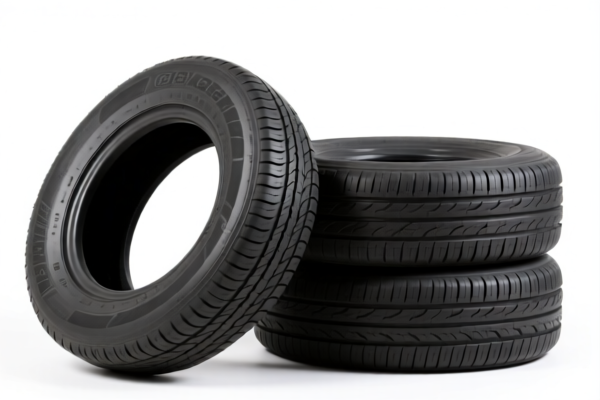
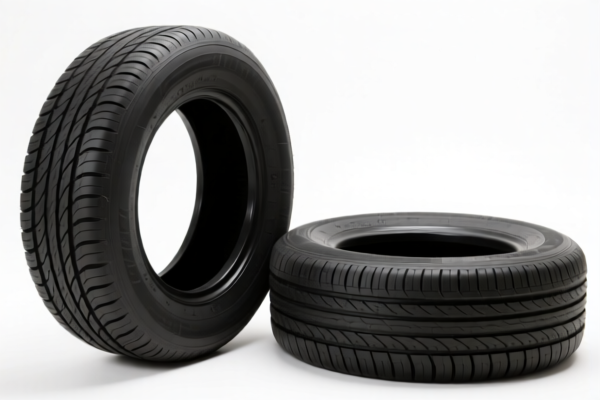
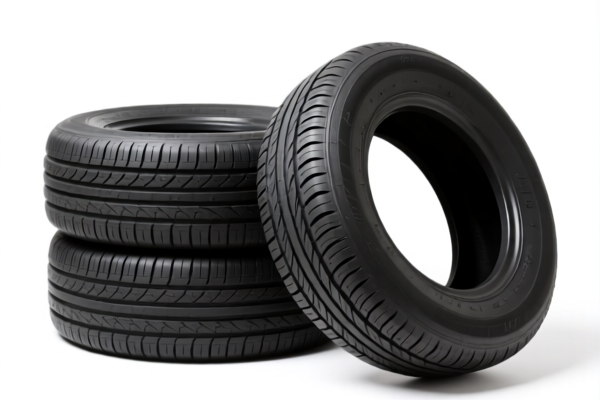
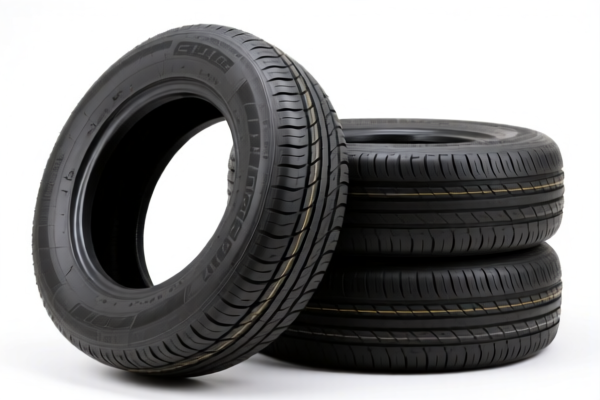
AI Analysis
🚗 Natural Rubber Tire (Low Noise)
🌐 HS Code Reference & Customs Clearance Guide | 2026 Latest Tariff Analysis | Professional Clearance Strategy
📌 One, Product Definition and Classification: What exactly is a "Low Noise Natural Rubber Tire"?
Natural rubber tires are pneumatic tires primarily composed of natural rubber, often blended with synthetic rubber, carbon black, and other compounds. The term "Low Noise" refers to a specific tread pattern or acoustic damping technology designed to reduce road noise.
In international trade, especially regarding imports into the United States, the classification depends heavily on: 1. Material Composition: Primarily Natural Rubber. 2. Condition: New vs. Used. 3. Form: Pneumatic (inflatable).
⚠️ Key Distinction Points:
- New Pneumatic Tires: Generally fall under 4011 (New pneumatic tires).
- Used Pneumatic Tires: Fall under 4012 (Retreaded or used pneumatic tires).
- "Low Noise" Feature: This is a performance characteristic, not a separate HS Code category. It does not change the tariff classification but may affect the specific product description in customs declarations to avoid ambiguity.
📦 Two, HS Code Classification Details (Based on Provided Data)
| HS Code | Product Description | Application Scenario | Condition |
|---|---|---|---|
4011.50.00.00 |
Pneumatic tires, of a kind used on motorcars | New natural rubber tires, pneumatic form | ✅ New |
4011.90.80.50 |
Other pneumatic tires (rubber), conforming to definitions | New natural rubber tires, specific rubber definition compliance | ✅ New |
4012.20.60.00 |
Used pneumatic tires, application fits old pneumatic classification | Used natural rubber tires, fits used pneumatic category | ✅ Used |
4012.20.80.00 |
Used pneumatic tires, corresponding to old tire classification description | Used natural rubber tires, specific old tire category | ✅ Used |
🔍 Critical Note:
- The data provided indicates high tariffs due to US-China Trade War Measures (Section 301 and Section 122).
- "Low Noise" is a marketing term. Customs looks at HS Code 4011 (New) vs. 4012 (Used). Ensure your commercial invoice clearly states if the tires are NEW or USED. Misclassification can lead to severe penalties.
💰 Three, 2026 Latest Tariff Rate Breakdown (Including Additional Taxes, Policy Add-ons)
✅ Applicable Country: United States (US)
✅ Origin: China (CN) (Implied by the "122 Clause" and 25% Section 301 tax details)
✅ Effective Date: Current trade war measures (Section 301 & IEEPA)
🎯 1. 4011.50.00.00 — New Pneumatic Tires for Motorcars
| Item | Content |
|---|---|
| Base Duty Rate | 0.0% (General Ad Valorem) |
| Section 301 Surcharge | +25.0% (USITC Footnote 9903.88.01 equivalent for tires) |
| Section 122 / IEEPA Surcharge | +10.0% (Specific to certain Chinese goods) |
| Total Effective Tax Rate | 35.0% |
| Tax Calculation | CIF Value × 35% |
| De Minimis Exemption | ❌ Not Eligible (Deny De Minimis for Section 301 goods) |
| Legal Basis Path | Section 301 → Section 122/IEEPA → USITC:4011.50.00.00 |
📌 Explanation:
- Although the base MFN rate is 0%, the 25% Section 301 tariff and 10% Section 122 tariff apply to Chinese-origin natural rubber tires.
- Total Cost Impact: A $10,000 shipment incurs $3,500 in duties.
- "Low Noise" does not reduce tax. It is still classified as a standard motorcar tire.
🎯 2. 4011.90.80.50 — Other Pneumatic Rubber Tires
| Item | Content |
|---|---|
| Base Duty Rate | 3.4% |
| Section 301 Surcharge | +25.0% |
| Section 122 / IEEPA Surcharge | +10.0% |
| Total Effective Tax Rate | 38.4% |
| Tax Calculation | CIF Value × 38.4% |
| De Minimis Exemption | ❌ Not Eligible |
| Legal Basis Path | Section 301 → Section 122/IEEPA → USITC:4011.90.80.50 |
📌 Note:
- If the tire does not fit the specific "motorcar" definition of 4011.50, it may fall here.
- Higher Base Rate: 3.4% base + 35% additional = 38.4%.
- Recommendation: Verify if your tires are strictly for "motorcars" (passenger vehicles). If yes, 4011.50.00.00 is cheaper.
🎯 3. 4012.20.60.00 & 4012.20.80.00 — Used Pneumatic Tires
| Item | Content |
|---|---|
| Base Duty Rate | 0.0% |
| Section 301 Surcharge | +25.0% |
| Section 122 / IEEPA Surcharge | +10.0% |
| Total Effective Tax Rate | 35.0% |
| Tax Calculation | CIF Value × 35% |
| De Minimis Exemption | ❌ Not Eligible |
| Legal Basis Path | Section 301 → Section 122/IEEPA → USITC:4012.20.60.00/80.00 |
📌 Warning:
- Used tires face the same high additional tariffs as new tires in this specific data set.
- Many US states restrict the import/sale of used tires for safety reasons.
- Ensure you have used tire import permits if applicable, even if duties are paid.
🛠️ Four, Customs Clearance Practical Advice (Avoid Pitfalls)
✅ 1. Document Checklist (Missing items will cause delays)
| Document | Required? | Description |
|---|---|---|
| ✅ Commercial Invoice | ✔️ | Must state: "New/Used Natural Rubber Pneumatic Tire", "Low Noise Tread Pattern", Model No., HS Code. |
| ✅ Packing List | ✔️ | Weight, dimensions, number of tires per pallet. |
| ✅ Certificate of Origin | ✔️ | Critical for proving Chinese origin (triggers 301/122 taxes). |
| ✅ Tire Labeling | ✔️ | US DOT compliance label (if applicable) or manufacturing date code (DOT number). |
| ✅ Product Specifications | ✔️ | Proof of "Natural Rubber" content. If >25% synthetic, it’s still rubber, but composition matters for some quotas. |
| ✅ Used Tire Permit | ✔️ | Only if Used. Import of used tires is restricted in many US ports. |
✅ 2. Declaration Tips (Key Mantra)
🔥 "HS Code Determines Tax, Condition Determines Legality, Origin Triggers Surcharge!"
| Scenario | Correct Declaration | Wrong Action |
|---|---|---|
| New Passenger Tires | 4011.50.00.00 |
Use 4011.90 → Higher base tax |
| New Truck/Bike Tires | 4011.90.80.50 |
Use 4011.50 → Misclassification |
| Used Tires | 4012.20.60.00 |
Declare as "New" → Fraud/Penalty |
| "Low Noise" Feature | Include in description | Use as HS Code → Error |
✅ 3. Special Cases
| Situation | Handling Advice |
|---|---|
| Mixed Container (New & Used) | Never mix. Customs will inspect the entire container. Separate shipments. |
| OEM Tires for Car Manufacturers | Provide end-user certificate. Tariffs still apply, but volume discounts may offset costs. |
| Tires with Steel Belt vs. Radial | Both are pneumatic. Classification remains 4011 or 4012. Ensure "Radial" is stated for accuracy. |
| Origin Transshipment | If shipped via Vietnam/Malaysia, US Customs will verify origin. If natural rubber is sourced from China, tariffs may still apply. |
🌍 Five, Global Market Clearance Comparison (2026)
| Country/Region | Recommended HS Code | Tariff (China Origin) | Certification | Notes |
|---|---|---|---|---|
| 🇺🇸 USA | 4011.50.00.00 |
35.0% (New) / 38.4% (Other) | DOT (if for sale), ISTA (packaging) | High barrier. Section 301 + 122. |
| 🇨🇳 China | 4011.50.00.00 |
5% - 10% | CCC (if applicable) | Low duty, high volume. |
| 🇪🇺 EU | 4011.20 |
0% (Most) | ECE R117 (Noise/Efficiency) | No Section 301. Focus on Energy Labeling. |
| 🇲🇽 Mexico | 4011.50 |
0% - 5% (USMCA) | NOM Certification | Preferential if meeting USMCA rules. |
📌 Conclusion:
- USA is the most expensive market due to geopolitical tariffs.
- EU/Mexico are more competitive for tariff purposes, but have stricter safety/environmental standards (R117, NOM).
📌 Six, Common Errors & Pitfalls (Blood & Tears Lessons)
❌ Error 1: Declaring "Low Noise Tires" as a separate HS Code.
👉 Result: Customs rejects, demands correction, delays shipment.
👉 Fix: Use 4011.50.00.00 + "Low Noise" in description.
❌ Error 2: Mixing New and Used tires in one shipment.
👉 Result: Container held, potential forfeiture, fines.
👉 Fix: Separate shipments strictly by condition.
❌ Error 3: Ignoring "Origin of Rubber" vs. "Country of Manufacture".
👉 Result: If manufactured in China but rubber from Brazil, some may argue for lower tariffs, but US Customs looks at the Country of Manufacture.
👉 Fix: Prepare robust Country of Origin documentation.
❌ Error 4: Under-declaring value to avoid 35% tax.
👉 Result: Fraud investigation, 3x penalty, criminal charges.
👉 Fix: Declare true CIF value. Consider supply chain restructuring (e.g., third-country processing) legally.
🎯 Seven, Conclusion: Professional Declaration, Cost Control
🎯 Remember the Mantra:
🔹 "New = 4011, Used = 4012, China = 35%+ Tax."
🔹 "Low Noise is just a feature, not a tariff break."
🔹 "Check DOT & Safety Labels before shipping."
📌 Pro Tip:
If your volume is high, consider Advance Ruling (Customs Ruling) with US CBP to confirm the exact subheading.
For Used Tires, ensure you have a valid EPA/State Permit if required, as many states ban used tire imports.
📣 Immediate Action:
📞 Contact a licensed US Customs Broker
📦 Prepare Commercial Invoice with Exact HS Code
🚀 Calculate Landed Cost Including 35% Duty
✨ Precision in Classification Saves Thousands!
💼 Your Tire Business, Globally Compliant & Profitable!
Customer Reviews
About HS Code Classification
The Harmonized System (HS) is an internationally standardized nomenclature developed by the World Customs Organization (WCO) to classify traded products. Over 200 countries use the HS system as the basis for customs tariffs, trade statistics, and import/export regulations.
Each HS code follows a hierarchical structure:
- Chapter (2 digits) — Broad category of goods (e.g., Chapter 84: Machinery and Mechanical Appliances)
- Heading (4 digits) — More specific grouping within the chapter
- Subheading (6 digits) — Internationally standardized breakdown, used by all WCO member countries
- National subdivisions (8-10 digits) — Country-specific extensions for further classification, such as US HTSUS 10-digit codes
Correct HS code classification is essential for smooth customs clearance, accurate duty payment, and compliance with trade regulations. Misclassification can lead to customs delays, overpayment of duties, or penalties.
When importing from CN to US, the applicable tariff rates may include:
- Most-Favored-Nation (MFN) rate — The standard duty rate applied to WTO members
- General rate — Applied to countries without trade agreements
- Trade remedy duties — Additional tariffs such as Section 301 (anti-dumping), Section 232 (national security), or countervailing duties
The information provided on this page is for reference purposes only. For official classification, please consult with your local customs authority or a licensed customs broker.