Natural Rubber Tire Treads
CN → US| HS Code | Tariff Rate | Origin | Destination | Doc |
|---|---|---|---|---|
| 4005200000 | 35.0% | CN | US | Official Doc |
| 4006100000 | 20.4% | CN | US | Official Doc |
| 4012909000 | 37.7% | CN | US | Official Doc |
| 4012904500 | 39.2% | CN | US | Official Doc |
| 4005910000 | 35.0% | CN | US | Official Doc |
Product Images
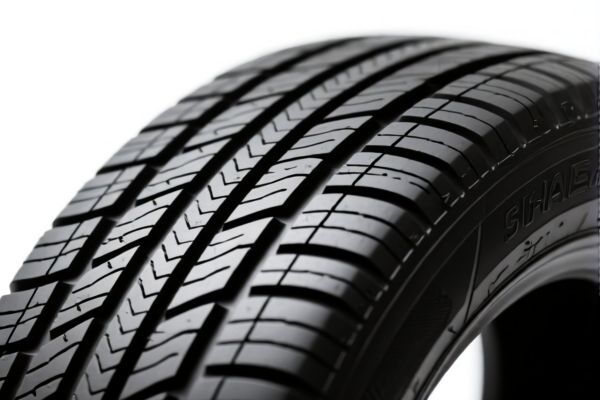
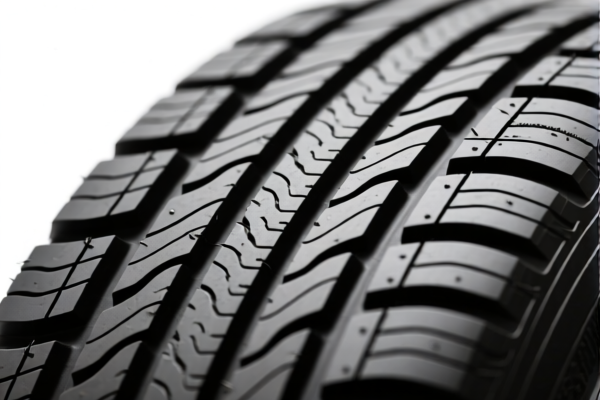
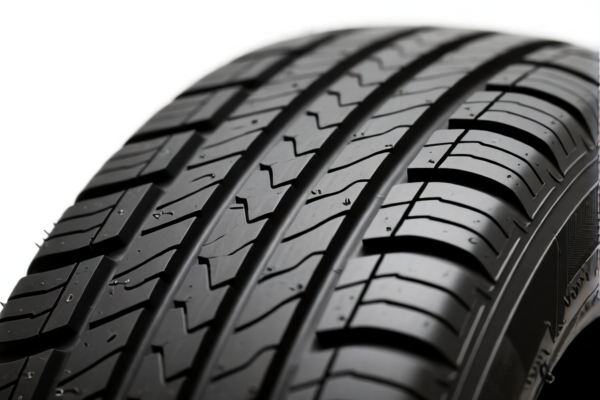
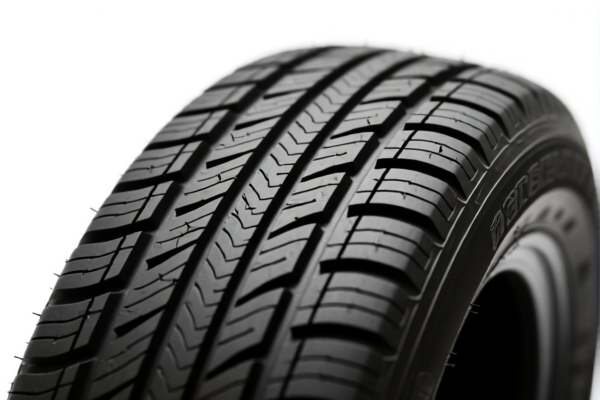
AI Analysis
🚛 Natural Rubber Tire Treads: The "Sole" of the Industry
🌐 HS Code Reference & Customs Clearance Guide | 2026 Latest Tariff Breakdown | Strategic Entry for Used Tire Treads
📌 Part 1: Product Definition & Classification – Do You Truly Know Your "Treads"?
Tire treads (often referred to as "rebuilt treads" or "uncured treads") are the critical contact surface of a tire, designed to be affixed to a tire casing during the retreading process. In international trade, these are not yet finished tires but intermediate rubber products. They fall under Chapter 40 (Rubber and Articles Thereof), specifically focusing on unvulcanized rubber in basic forms (plates, sheets, strips) or specialized retreading components.
Key Distinctions:
- Uncured vs. Cured: If the tread is uncured (soft, sticky, requiring heat/pressure to bond), it generally falls under Chapter 40 (Rubber). If it is a finished, vulcanized tire with a new tread layer already applied and sold as a unit, it might be classified differently (e.g., Ch 4012 for used retreaded tires, though the input data focuses on the tread material itself).
- Form Factor: Are they in rolls, individual pre-formed shapes, or sheet-like layers? The "summary" data suggests a focus on unvulcanized/semi-finished forms (strip, plate, sheet).
⚠️ Critical Classification Point:
- If the product is "uncured rubber in the form of strips/plates" intended for retreading → HS 4005 or 4006.
- If the product is viewed as a "part/accessory of a tire" in a finished retread context → HS 4012.
- Note: The provided data highlights specific HS codes based on material (rubber) and form (tread/strip).
📦 Part 2: HS Code Classification Details (Based on Provided Data)
The following table details the five potential HS codes from the <DATA> source, along with their corresponding tax structures.
| HS Code | Summary / Rationale | Total Tax Rate | Tax Breakdown (Base + Add-on) |
|---|---|---|---|
| 4005.20.00.00 | Unvulcanized Compound Rubber: Matches material (rubber) and form (tread as primary/plate-like). Fits "uncured or semi-finished rubber products." | 35.0% | Base: 0.0% Add-on: 25.0% Section 301: 10% |
| 4006.10.00.00 | Other Rubber Articles: Matches material (rubber), use (tire retreading), and form ("hump" strips/unvulcanized). | 20.4% | Base: 2.9% Add-on: 7.5% Section 301: 10% |
| 4012.90.90.00 | Parts of Tires: Matches material (rubber) and use (tread/retreading related). Fits specific sub-features under this category. | 37.7% | Base: 2.7% Add-on: 25.0% Section 301: 10% |
| 4012.90.45.00 | Natural Rubber Parts: Matches form (tread) and use (retreading). Material is natural rubber, fitting the natural rubber subsection. | 39.2% | Base: 4.2% Add-on: 25.0% Section 301: 10% |
| 4005.91.00.00 | Other Unvulcanized Rubber: Matches material (rubber) and form (tread as plate/sheet/strip basic form). Fits uncured mixed rubber. | 35.0% | Base: 0.0% Add-on: 25.0% Section 301: 10% |
🔍 Key Insight:
- HS 4005 & 4006 treat the tread as a raw/semi-finished rubber good.
- HS 4012 treats the tread as a part of a tire.
- The tax burden varies significantly from 20.4% (most favorable) to 39.2% (highest) depending on whether it is classified as "uncured rubber" or a "tire part."
💰 Part 3: 2026 Tariff Rate Detailed Analysis
✅ Target Market: United States (US)
✅ Origin: China (CN) (Inferred from "Section 301" and high add-on tariffs)
✅ Applicable Laws:
- Base Tariff: Standard MFN rate.
- Section 301 Tariff (10%): Specific additional duty on Chinese goods.
- USITC Add-on: Varies by HS code (25% or 7.5%).
🎯 1. The "Lowest Rate" Option: 4006.10.00.00
Total Rate: 20.4%
| Item | Detail |
|---|---|
| Base Duty | 2.9% |
| Section 301 Duty | 10.0% |
| USITC Add-on | 7.5% |
| Total Effective Rate | 20.4% |
| Why this rate? | Classified under "Other rubber articles" where the specific duty structure is more favorable for certain rubber forms. |
📌 Explanation:
This is the most cost-effective classification among the provided options. It requires proving the product is an "other rubber article" (like a specific strip/hump form) rather than a generic compound or tire part.
🎯 2. The "Standard Uncured Rubber" Options: 4005.20.00.00 & 4005.91.00.00
Total Rate: 35.0%
| Item | Detail |
|---|---|
| Base Duty | 0.0% |
| Section 301 Duty | 10.0% |
| USITC Add-on | 25.0% |
| Total Effective Rate | 35.0% |
| Why this rate? | Classified as "Unvulcanized Rubber." The base rate is 0%, but the 25% USITC penalty pushes the total high. |
📌 Explanation:
While the base duty is zero, the heavy penalty for Section 301 goods makes this more expensive than4006.10.00.00. This classification is common if the treads are sold as bulk unvulcanized rubber strips.
🎯 3. The "Tire Part" Options: 4012.90.90.00 & 4012.90.45.00
Total Rates: 37.7% – 39.2%
| HS Code | Base | 301 | USITC | Total |
|---|---|---|---|---|
4012.90.90.00 |
2.7% | 10% | 25% | 37.7% |
4012.90.45.00 |
4.2% | 10% | 25% | 39.2% |
📌 Explanation:
Classifying as a "tire part" incurs a 25% USITC add-on. Additionally,4012.90.45.00has a higher base duty (4.2%) due to its specific sub-category for natural rubber parts. Avoid this classification if possible due to the highest tax burden.
🛠️ Part 4: Customs Clearance Practical Advice
✅ 1. Documentation Checklist (Non-Negotiable)
| Document | Requirement | Purpose |
|---|---|---|
| Product Specification Sheet | Must state: UNCURED (Unvulcanized), Material Composition (% Natural Rubber, etc.), Dimensions | To prove it is not a "finished tire" and fits Chapter 40. |
| Photos/Video | Clear images of the tread profile, showing no vulcanization (stickiness/flexibility). | Prevents misclassification as "Used Tire" or "Vulcanized Part." |
| Commercial Invoice | Describe as: "Uncured Natural Rubber Treads for Tire Retreading" – Do NOT use vague terms like "Tire Parts" without context. | Aligns description with HS Code 4006 or 4005. |
| Certificate of Origin | Required for Section 301 determination. | Confirms China origin, triggering the 10% additional duty. |
| Bill of Lading | Ensure weight/volume matches invoice. | Avoids discrepancy checks. |
✅ 2. Classification Strategy (Pro Tips)
🔥 Golden Rule: "Uncured is Cheaper, Cured is Costly."
| Scenario | Recommended HS Code | Reasoning |
|---|---|---|
| Bulk Uncured Treads (rolls, strips) | 4006.10.00.00 |
Lowest Tax (20.4%). Best for raw material importers. |
| Individual Pre-Formed Uncured Treads | 4005.20.00.00 or 4005.91.00.00 |
Higher Tax (35%). Use if 4006 is rejected due to "special form." |
| Vulcanized/Finished Treads | 4012.90.xxxx |
Highest Tax (37-39%). Avoid unless legally required. |
| Used Retreaded Tires (not treads) | 4012.20.00.00 |
Not in data, but common. Note: Used tires have different restrictions. |
✅ 3. Common Pitfalls to Avoid
❌ Mistake 1: Declaring as "Tire Accessories" without specifying "Uncured Rubber."
👉 Risk: CBP may classify under 4012 (37-39% tax) instead of 4006 (20.4%).
👉 Fix: Always explicitly state "UNCURED" and "FOR RETREADING" in the description.
❌ Mistake 2: Confusing "Treads" with "Used Tires."
👉 Risk: Used tires may face import bans or different duties.
👉 Fix: Provide evidence that the product is a component, not a complete used tire.
❌ Mistake 3: Ignoring Section 301.
👉 Risk: Assuming base duty is the only cost.
👉 Fix: Budget for the additional 10% Section 301 duty on all China-origin rubber goods.
🌍 Part 5: Global Market Comparison (Quick Reference)
| Market | Likely HS Code | Est. Total Duty | Notes |
|---|---|---|---|
| 🇺🇸 USA | 4006.10.00.00 |
20.4% | Best case. Includes 25% USITC + 10% 301. |
| 🇨🇳 China | 4006.10.00.00 |
~10-12% | Lower base duties, no Section 301. |
| 🇪🇺 EU | 4006.10.00.00 |
~5-7% | No major US-style penalties. |
| 🇲🇽 Mexico | 4006.10.00.00 |
~0-5% | Potential under USMCA if originating there. |
📌 Conclusion for US Importers:
The 20.4% rate on4006.10.00.00is the target. Achieving this requires precise documentation proving the goods are unvulcanized rubber articles (treads) and not finished tire parts.
📌 Part 6: Summary & Action Plan
- Verify Product State: Ensure treads are UNVULCANIZED. If cured, rates jump to 37%+.
- Choose HS Code: Aim for
4006.10.00.00(20.4% total) over4005or4012. - Prepare Docs: Invoice must say "Uncured Rubber Treads."
- Calculate Cost: Budget for 20.4% total duty (Base + 301 + USITC).
- Consult Broker: File an Advance Ruling with CBP if the product form is unique.
🎯 Final Tip:
"Uncured = Lower Tax. Cured = Higher Tax. Documentation is King."
Mislabeling "uncured" as "tires" or "parts" can cost you 17% more in duties. Play it safe, classify accurately, and save profit.
✨ Professional Clearance Starts with Precise Classification!
💼 Your Bottom Line Depends on This 20.4% vs. 39.2% Decision!
Customer Reviews
About HS Code Classification
The Harmonized System (HS) is an internationally standardized nomenclature developed by the World Customs Organization (WCO) to classify traded products. Over 200 countries use the HS system as the basis for customs tariffs, trade statistics, and import/export regulations.
Each HS code follows a hierarchical structure:
- Chapter (2 digits) — Broad category of goods (e.g., Chapter 84: Machinery and Mechanical Appliances)
- Heading (4 digits) — More specific grouping within the chapter
- Subheading (6 digits) — Internationally standardized breakdown, used by all WCO member countries
- National subdivisions (8-10 digits) — Country-specific extensions for further classification, such as US HTSUS 10-digit codes
Correct HS code classification is essential for smooth customs clearance, accurate duty payment, and compliance with trade regulations. Misclassification can lead to customs delays, overpayment of duties, or penalties.
When importing from CN to US, the applicable tariff rates may include:
- Most-Favored-Nation (MFN) rate — The standard duty rate applied to WTO members
- General rate — Applied to countries without trade agreements
- Trade remedy duties — Additional tariffs such as Section 301 (anti-dumping), Section 232 (national security), or countervailing duties
The information provided on this page is for reference purposes only. For official classification, please consult with your local customs authority or a licensed customs broker.