Off road High Traction Inflatable Tire
CN → US| HS Code | Tariff Rate | Origin | Destination | Doc |
|---|---|---|---|---|
| 4011201035 | 39.0% | CN | US | Official Doc |
| 4011801010 | 35.0% | CN | US | Official Doc |
Product Images
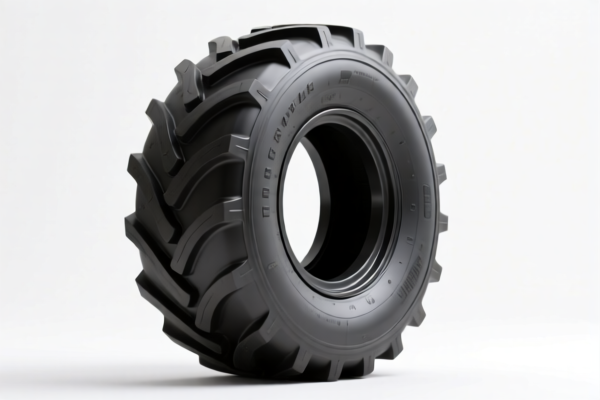
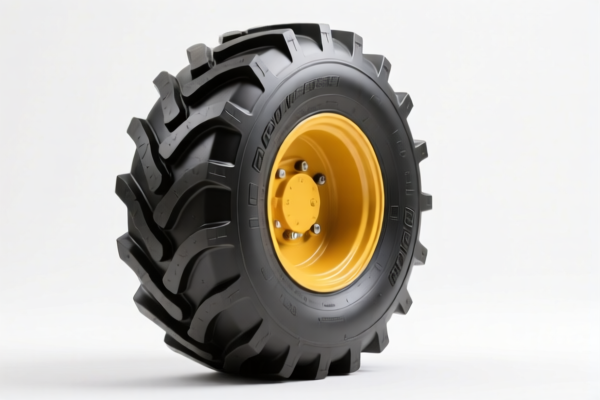
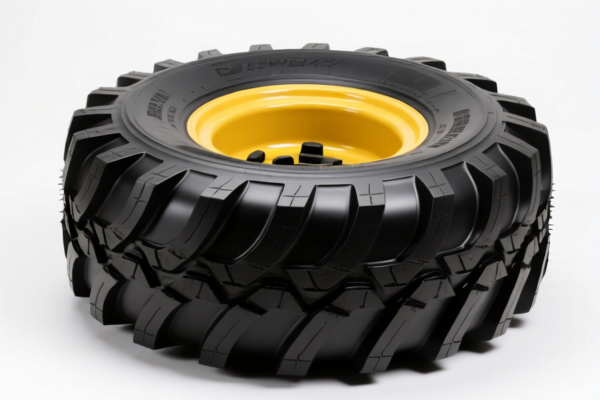
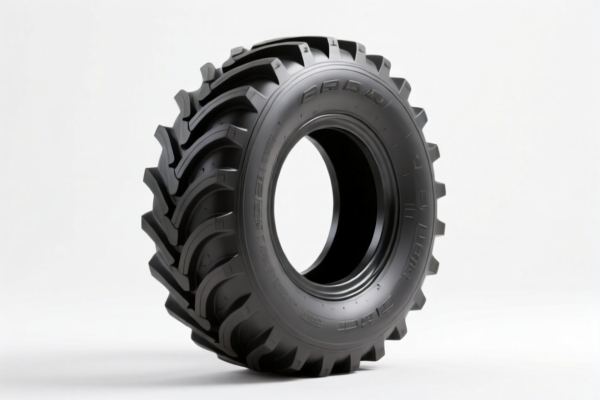
AI Analysis
🚜 Off-Road High Traction Inflatable Tires
🌐 HS Code Reference & Customs Clearance Guide | 2026 Latest Tariff Analysis | Professional-Level Strategy
📌 Part I: Product Definition & Classification: Do You Really Understand "Off-Road Tires"?
Off-road high-traction inflatable tires are specialized rubber products designed for extreme terrain conditions, including mining, construction, and industrial handling vehicles. Unlike standard highway tires, these are engineered for high traction, durability, and resistance to sharp objects.
In international trade, they are strictly categorized based on vehicle type and tread design. Misclassification here leads to massive tariff discrepancies and customs delays.
⚠️ Key Distinction Points:
- Bus/Truck Tires: If the tire is intended for buses or standard trucks (even if used off-highway in some contexts), it falls under 4011.20.
- Construction/Mining Tires: If specifically designed for forklifts, loaders, bulldozers, or mining vehicles with specific tread patterns (e.g., "herring-bone") and rim sizes ≤61 cm, it falls under 4011.80.
📦 Part II: HS Code Classification Details (2026 Latest Tariff Authority Comparison)
Based on the provided data, there are two primary HS Codes for "Off road High Traction Inflatable Tires." The correct classification depends entirely on the intended vehicle type and tread structure.
| HS Code | Product Description | Applicable Scenario | Tread/Rim Specifics |
|---|---|---|---|
4011.20.10.35 |
New pneumatic tires, of rubber: Of a kind used on buses or trucks: Radial Off-the-highway: Other | Tires for off-highway buses or off-highway trucks (e.g., large dump trucks on construction sites, but not specialized mining loaders) | Radial construction; "Other" (does not fit other specific sub-codes for buses/trucks) |
4011.80.10.10 |
New pneumatic tires, of rubber: Of a kind used on construction, mining or industrial handling vehicles and machines | Tires for forklifts, wheel loaders, bulldozers, mining haulers | Specific Constraint: Must have a "herring-bone" or similar tread AND rim size not exceeding 61 cm |
🔍 Critical Reminder:
- If your tire is for a large mining truck (>61 cm rim) or a standard dump truck, it likely falls under 4011.20.10.35 (if radial).
- If your tire is for a smaller industrial vehicle (like a forklift or loader) with a herring-bone tread and ≤61 cm rim, it MUST be classified under 4011.80.10.10.
- Do not classify industrial forklift tires as "truck tires" to avoid audits.
💰 Part III: 2026 Latest Tariff Rate Breakdown (Including Surtaxes)
✅ Applicable Country: United States (US)
✅ Country of Origin: China (CN)
✅ Effective Time: 2025/2026 (Current Trade Policy)
🎯 1. 4011.20.10.35 —— Off-the-Highway Radial Tires for Buses/Trucks
| Item | Content |
|---|---|
| Basic Tariff Rate | 4.0% |
| Additional Surtax (Section 301) | +25.0% |
| Total Tax Rate | 29.0% |
| Tax Calculation | CIF Value × 29.0% |
| De Minimis Exemption | ❌ Not Available (Section 301 goods are excluded) |
| Legal Basis Path | HTSUS:4011.20.10.35 → USITC Footnote: 301 Surcharge 25% |
📌 Explanation:
- This category includes radial tires for off-highway buses and trucks.
- The 25% surtax is applied under the USTR’s Section 301 list for Chinese imports.
- Total burden is 29%, which is significant but lower than some industrial equipment.
🎯 2. 4011.80.10.10 —— Construction/Mining Tires with Herring-Bone Tread (≤61cm Rim)
| Item | Content |
|---|---|
| Basic Tariff Rate | 0.0% |
| Additional Surtax (Section 301) | +25.0% |
| Total Tax Rate | 25.0% |
| Tax Calculation | CIF Value × 25.0% |
| De Minimis Exemption | ❌ Not Available (Section 301 goods are excluded) |
| Legal Basis Path | HTSUS:4011.80.10.10 → USITC Footnote: 301 Surcharge 25% |
📌 Explanation:
- This category has a 0% basic tariff due to its specific industrial application and tread constraints.
- However, the 25% Section 301 surtax still applies to Chinese-made goods.
- Total burden is 25%, which is 4% lower than the truck/bus tire category.
- Crucial: You must prove the tread is "herring-bone or similar" and rim size is ≤61 cm to qualify for this lower rate.
🛠️ Part IV: Customs Clearance Practical Advice (Real-World Pitfall Avoidance)
✅ 1. Required Documentation Checklist (All Must Be Provided)
| Document | Must Provide | Description |
|---|---|---|
| ✅ Product Spec Sheet | ✔️ | Must clearly state: Tire Size, Rim Diameter (cm/inches), Tread Pattern (e.g., "Herringbone"), Application (e.g., "Forklift," "Loader"). |
| ✅ Tread Photo | ✔️ | Critical: High-res image showing tread pattern to prove "herring-bone" or "similar" design for 4011.80.10.10. |
| ✅ Rim Size Verification | ✔️ | Must confirm rim diameter is ≤61 cm (approx. 24 inches) for the 25% total tax rate. |
| ✅ Commercial Invoice | ✔️ | Must specify: "New Pneumatic Tire, Of Rubber, [Application], [Tread Type]." Avoid vague terms like "Car Tire." |
| ✅ Packing List | ✔️ | Show net/gross weight, dimensions, and quantity. |
| ✅ Origin Certificate (CO) | ✔️ | Required to verify Chinese origin for surtax application. |
✅ 2. Declaration Tips (Key Mantra)
🔥 “Tread Pattern Defines the Code, Rim Size Decides the Tax!”
| Scenario | Correct HS Code | Why? |
|---|---|---|
| Forklift tire, herringbone tread, 20-inch rim | 4011.80.10.10 |
Fits "Construction/Mining" + "Herringbone" + "≤61cm" |
| Large dump truck tire, radial, 30-inch rim | 4011.20.10.35 |
Fits "Bus/Truck" + "Off-the-highway" + "Radial" |
| Industrial tire, lug tread, 18-inch rim | Check Code! | If tread is NOT "herring-bone or similar," it may not qualify for 4011.80.10.10. May need 4011.80.90 (if available) or other sub-code. |
| Car tire, any tread | NOT LISTED | This data only covers bus/truck/mining tires. Car tires have different codes. |
✅ 3. Special Handling for "High Traction" Claims
| Situation | Handling Advice |
|---|---|
| "High Traction" Marketing Term | Do not declare this as a separate HS code. Use it only in the product description to explain why you have a specific tread pattern (e.g., herringbone). |
| Rim Size Close to 61 cm | Measure Precisely: If the rim is 62 cm, you cannot use 4011.80.10.10. You must use a different sub-code (potentially with different tax rates or descriptions). |
| Mixed Shipments (Truck + Forklift Tires) | Separate Line Items: Declare 4011.20.10.35 and 4011.80.10.10 on separate lines in the customs entry. Do not mix them. |
🌍 Part V: Global Market Comparison (2026 Latest)
| Country/Region | Recommended HS Code | Tariff (China Origin) | Notes |
|---|---|---|---|
| 🇺🇸 USA | 4011.20.10.35 / 4011.80.10.10 |
29% / 25% | High surtax (25%) applies to both. |
| 🇨🇳 China | 4011.20.10.35 / 4011.80.10.10 |
~10-15% | Import tariffs may vary; check latest Chinese tariff schedule. |
| 🇪🇺 EU | 4011.20 / 4011.80 |
~4-5% | No Section 301 surtax. Standard MFN rates apply. |
| 🇦🇺 Australia | 4011.20 / 4011.80 |
~5% | Standard import duty. |
| 🇯🇵 Japan | 4011.20 / 4011.80 |
~0-5% | Depends on free trade agreements. |
📌 Conclusion:
- The US market is the most expensive due to the 25% Section 301 surtax.
- Diversification Strategy: Consider sourcing from or shipping via countries like Vietnam or Mexico to mitigate US surtax risks (check rules of origin carefully).
📌 Part VI: Common Errors & Pitfall Guide (Lessons Learned)
❌ Error 1: Declaring a forklift tire as a truck tire (4011.20)
👉 Consequence: If the tire has a herring-bone tread and ≤61cm rim, it should be 4011.80.10.10 (25% total). Misclassifying it may lead to underpayment if the 2011.20 rate was higher, or overpayment if lower. But more importantly, it triggers customs audits for misclassification.
❌ Error 2: Ignoring Rim Size
👉 Consequence: If rim size is >61 cm, you cannot use 4011.80.10.10. You must find the correct sub-code for larger mining tires (often under 4011.80.90 or similar, with different tax rates).
❌ Error 3: Vague Description "High Traction Tire"
👉 Consequence: Customs cannot verify the tread pattern or application. Result: Delay, Inspection, or Rejection.
✅ Correct Declaration Example:
"NEW PNEUMATIC TIRE, OF RUBBER, RADIAL, FOR INDUSTRIICAL FORKLIFT, HERRINGBONE TREAD, RIM SIZE 20 INCHES (50.8 CM), MODEL XYZ"
🎯 Part VII: Conclusion: Precision Saves Money!
🎯 Remember the Mantra:
🔹 "Bus/Truck = 29%, Mining/Loader (Herring/≤61cm) = 25%. Don't Guess, Measure!"
🔹 "25% Surtax is Mandatory. No De Minimis. Plan Your Supply Chain!"
📌 Pro Tip:
If your tires are >61 cm rim or have non-herringbone treads, consult a customs broker immediately to find the correct 4011.80 sub-code. The tax rate might differ significantly.
📣 Immediate Action:
📞 Contact a Licensed Customs Broker + Provide Tread Photos + Rim Measurements
🚀 Classify Correctly, Avoid Fines, Maximize Profit!
✨ Professional Classification, Starting with the Right HS Code!
💼 Every Percent in Tariff Matters!
Customer Reviews
About HS Code Classification
The Harmonized System (HS) is an internationally standardized nomenclature developed by the World Customs Organization (WCO) to classify traded products. Over 200 countries use the HS system as the basis for customs tariffs, trade statistics, and import/export regulations.
Each HS code follows a hierarchical structure:
- Chapter (2 digits) — Broad category of goods (e.g., Chapter 84: Machinery and Mechanical Appliances)
- Heading (4 digits) — More specific grouping within the chapter
- Subheading (6 digits) — Internationally standardized breakdown, used by all WCO member countries
- National subdivisions (8-10 digits) — Country-specific extensions for further classification, such as US HTSUS 10-digit codes
Correct HS code classification is essential for smooth customs clearance, accurate duty payment, and compliance with trade regulations. Misclassification can lead to customs delays, overpayment of duties, or penalties.
When importing from CN to US, the applicable tariff rates may include:
- Most-Favored-Nation (MFN) rate — The standard duty rate applied to WTO members
- General rate — Applied to countries without trade agreements
- Trade remedy duties — Additional tariffs such as Section 301 (anti-dumping), Section 232 (national security), or countervailing duties
The information provided on this page is for reference purposes only. For official classification, please consult with your local customs authority or a licensed customs broker.