Other Electric Vehicle Rubber Retreaded Tires
CN → USProduct Images
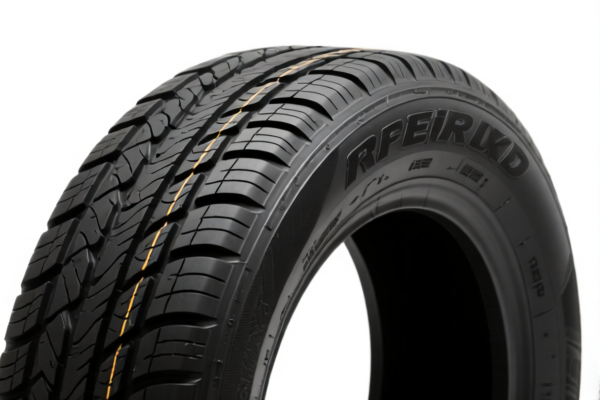
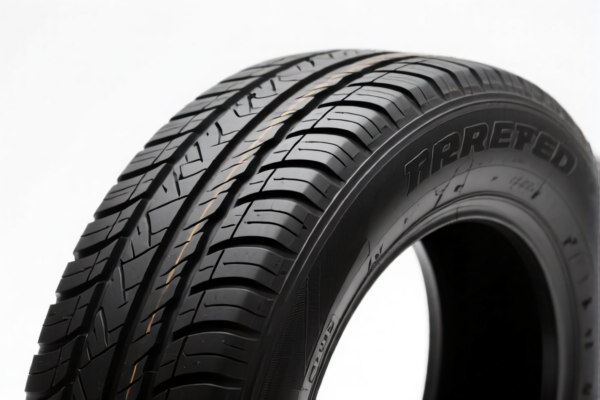
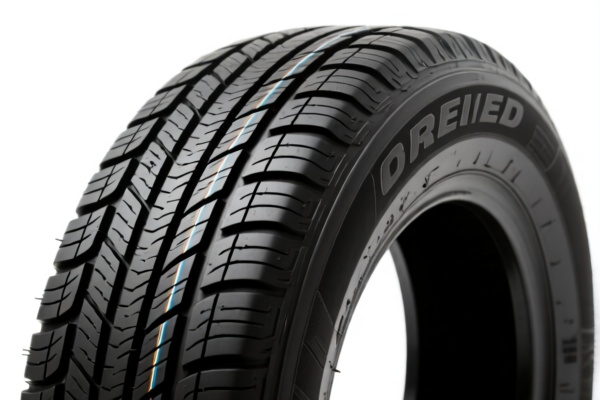
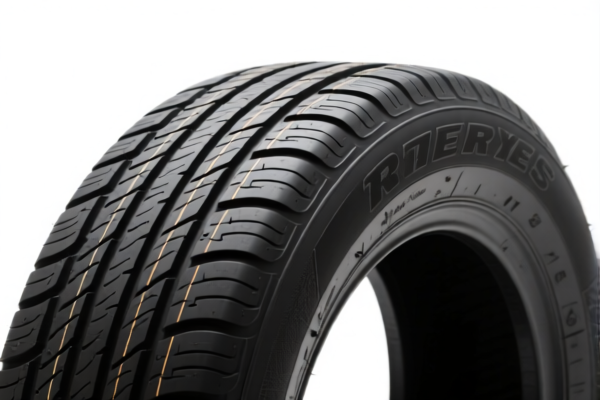
AI Analysis
🚲 Electric Vehicle Rubber Retreaded Tires (and Components)
🌐 HS Code Reference & Clearance Guide | 2026 Latest Tariff Analysis | Strategic Customs Clearance Strategy
📌 I. Product Definition & Classification: What Exactly Are "EV Rubber Retreaded Tires"?
In international trade, "Other Electric Vehicle Rubber Retreaded Tires" is a broad description that can lead to different HS Codes depending on whether the item is a complete functional tire or merely a component/accessory. The distinction is critical for tariff accuracy.
1. Complete Retreaded Pneumatic Tires (Rubber)
These are used tires that have been processed to replace the tread. If they are pneumatic (air-filled) and not specifically for motorcycles or cars, they may fall under general rubber tire categories.
2. EV Tire Accessories/Attachments (Rubber)
If the item is not a tire itself but an attachment, valve stem, rim protector, or internal lining part, it is classified as a "part" rather than a "tire."
3. Specific Use Categories
The duty rate varies significantly based on the declared vehicle type (e.g., bicycle, general vehicle, or specific EV category).
⚠️ Key Distinction Point:
- If it is a standalone pneumatic tire intended for inflation → Classify under Chapter 40 (Rubber Articles).
- If it is a non-pneumatic attachment or part (e.g., wheel rim cover, rubber strip) → Classify under 8714 (Parts and Accessories of Vehicles).
- Note: "Retreaded" tires often have specific legal restrictions or higher duties due to environmental and safety regulations. Ensure compliance with local retread tire import laws.
📦 II. HS Code Classification Details (Based on Provided Data)
| HS Code | Product Description | Applicable Scenario | Material/Form | Total Tax Rate (China Origin to US) |
|---|---|---|---|---|
8714.99.80.00 |
EV Tire Accessories/Attachments | Rubber parts, non-tire components for EVs | Rubber | 27.5% |
4011.90.80.50 |
Rubber Pneumatic Tires (Other) | Retreaded/other tires not for specific excluded vehicles | Pneumatic Rubber | 38.4% |
4012.90.45.00 |
Rubber Pneumatic Tires (Other) | General "catch-all" for rubber pneumatic tires | Pneumatic Rubber | 39.2% |
4012.90.90.00 |
Rubber Pneumatic Tires (Other) | General pneumatic rubber tires, no form/material conflict | Pneumatic Rubber | 37.7% |
4011.50.00.00 |
Rubber Pneumatic Tires (Bicycle) | Tires deemed as an extension of bicycle use (including e-bikes) | Pneumatic Rubber | 35.0% |
🔍 Important Note:
- All pneumatic tire codes (4011...and4012...) carry significantly higher total tariffs (35%–39.2%) compared to accessory parts (27.5%).
- The classification hinges on whether the product is legally defined as a "tire" (subject to retread/import restrictions) or a "part/attachment."
💰 III. Detailed Tariff Rate Breakdown (Including Surtaxes & Policy Add-ons)
✅ Applicable Country: United States (US)
✅ Origin: China (CN)
✅ Effective Time: Post-November 10, 2025 (Including subsequent imports)
🎯 1. 8714.99.80.00 — EV Tire Accessories/Attachments (Non-Tire Parts)
This code is used for rubber parts such as valve caps, rim protectors, or non-pneumatic EV tire components. It is NOT a retreaded tire.
| Item | Detail |
|---|---|
| Base Tariff | 10.0% |
| Section 301 Surtax | 7.5% |
| Section 122 Tariff | 10.0% |
| Total Tariff | 27.5% |
| Calculation | CIF Value × 27.5% |
| De Minimis Eligibility | ❌ No (Deny De Minimis for most HS codes under 301/122) |
| Legal Basis | General tariff structure for parts/accessories + Section 301 + Section 122 |
📌 Interpretation:
- This is the lowest tax option among the provided codes.
- Crucial: You cannot declare a retreaded tire as an "attachment" to avoid higher taxes. Customs will inspect the physical product. If it is a pneumatic tire, this declaration will be rejected, leading to penalties.
🎯 2. 4011.90.80.50 — Rubber Pneumatic Tires (Other, Retreaded/Used)
Suitable for retreaded pneumatic tires that do not fit into specific exclusions (like motorcycle tires).
| Item | Detail |
|---|---|
| Base Tariff | 3.4% |
| Section 301 Surtax | 25.0% |
| Section 122 Tariff | 10.0% |
| Total Tariff | 38.4% |
| Calculation | CIF Value × 38.4% |
| De Minimis Eligibility | ❌ No |
| Legal Basis | USITC:4011.90.80.50 + Section 301 (Footnote 9903.88.01) + Section 122 |
📌 Interpretation:
- High tariff due to the 25% Section 301 surtax applied to most rubber tires.
- "Retreaded" tires may face additional environmental or safety inspections.
🎯 3. 4012.90.45.00 — Rubber Pneumatic Tires (General Catch-All)
For pneumatic rubber tires that do not fit specific "other" subcategories.
| Item | Detail |
|---|---|
| Base Tariff | 4.2% |
| Section 301 Surtax | 25.0% |
| Section 122 Tariff | 10.0% |
| Total Tariff | 39.2% |
| Calculation | CIF Value × 39.2% |
| De Minimis Eligibility | ❌ No |
| Legal Basis | USITC:4012.90.45.00 + Section 301 + Section 122 |
📌 Interpretation:
- The highest tariff rate in the provided list.
- Use only if the product is a pneumatic tire and does not fit4011.90.80.50or4011.50.00.00.
🎯 4. 4012.90.90.00 — Rubber Pneumatic Tires (Other)
A general code for pneumatic tires with no material or form conflict.
| Item | Detail |
|---|---|
| Base Tariff | 2.7% |
| Section 301 Surtax | 25.0% |
| Section 122 Tariff | 10.0% |
| Total Tariff | 37.7% |
| Calculation | CIF Value × 37.7% |
| De Minimis Eligibility | ❌ No |
| Legal Basis | USITC:4012.90.90.00 + Section 301 + Section 122 |
📌 Interpretation:
- Slightly lower than4012.90.45.00due to a lower base rate.
- Still subject to the full 35% surtax (25% + 10%).
🎯 5. 4011.50.00.00 — Rubber Pneumatic Tires (Bicycle/E-Bike)
If the "Electric Vehicle" is legally classified as a bicycle (e-bike < 750W/20mph in some jurisdictions), this code may apply.
| Item | Detail |
|---|---|
| Base Tariff | 0.0% |
| Section 301 Surtax | 25.0% |
| Section 122 Tariff | 10.0% |
| Total Tariff | 35.0% |
| Calculation | CIF Value × 35.0% |
| De Minimis Eligibility | ❌ No |
| Legal Basis | USITC:4011.50.00.00 + Section 301 + Section 122 |
📌 Interpretation:
- Lowest tariff among pneumatic tires.
- Risk: Misclassifying a car/SUV tire as a bicycle tire is a common audit trigger. Ensure the tire size, load index, and vehicle type strictly match bicycle/e-bike standards.
🛠️ IV. Practical Customs Clearance Advice (Battle-Tested Pitfall Guide)
✅ 1. Essential Documentation Checklist
| Document | Mandatory | Notes |
|---|---|---|
| ✅ Product Spec Sheet | ✔️ | Must detail: Pneumatic vs. Non-Pneumatic, Tread Type (Retreaded), Size, Load Index. |
| ✅ Material Composition | ✔️ | Confirm 100% rubber content to justify Chapter 40. |
| ✅ Retread Certification | ✔️ | Many countries require proof that the retreading process meets safety standards (e.g., RMA standards in the US). |
| ✅ Commercial Invoice | ✔️ | Clearly state: "Retreaded Pneumatic Tire" or "EV Tire Accessory" — do not use generic "Rubber Part" for tires. |
| ✅ Certificate of Origin | ✔️ | Crucial for applying Section 301 surtaxes accurately. |
| ✅ Manufacturer’s Declaration | ✔️ | Confirm the tire is not from a sanctioned entity or prohibited origin. |
✅ 2. Declaration Strategy (Key Mnemonics)
🔥 “Parts are 27.5%, Tires are 35%+, Retreaded needs Certs!”
| Scenario | Correct Declaration | Wrong Practice |
|---|---|---|
| Rubber Rim Protector / Valve Stem | 8714.99.80.00 (Accessory) |
Declare as "Tire" → 35-39% tax |
| E-Bike Retreaded Tire (≤750W) | 4011.50.00.00 (Bicycle) |
Declare as "Car Tire" → 38-39% tax + stricter scrutiny |
| EV Car/SUV Retreaded Tire | 4011.90.80.50 or 4012.90.90.00 |
Declare as "Part" → Customs Fraud Risk |
| Solid Non-Pneumatic EV Tire | Check 4011.94 or 4013.99 (Not in data) |
Misclassify as pneumatic → Inspection Delay |
✅ 3. Special Handling for Retreaded Tires
| Issue | Recommendation |
|---|---|
| US Retread Tire Ban? | The US does not ban retreaded tires, but they must meet DOT standards. Provide FMVSS No. 119 compliance proof if applicable. |
| Section 122 Tariff | Applies to most Chinese goods. Ensure the invoice value includes freight/insurance for accurate calculation. |
| Misclassification Penalty | Misdeclaring a tire as an "accessory" to save 10-12% can result in civil penalties (up to 40% of value) and cargo seizure. |
🌍 V. Global Market Comparison (2026 Update)
| Country/Region | Recommended HS Code | Estimated Tax (China Origin) | Certification | Remarks |
|---|---|---|---|---|
| 🇺🇸 USA | 4011.50.00.00 (if E-bike) |
35.0% | DOT + FMVSS 119 | Highest scrutiny for retreads |
| 🇺🇸 USA | 8714.99.80.00 (Part) |
27.5% | None | Only for non-tire parts |
| 🇪🇺 EU | 4011.50.00 |
~0-3% | E-Mark | No Section 301/122 |
| 🇨🇳 China | 4011.50.00 |
0-10% | CCC (if applicable) | Lower barrier for domestic use |
| 🇬🇧 UK | 4011.50.00 |
~0-5% | UKCA | Post-Brexit rules apply |
📌 Conclusion:
- USA imposes heavy surtaxes (Section 301 + 122).
- Retreaded tires face non-tariff barriers (safety standards) in the US and EU.
- Misclassification as an "accessory" is a high-risk error.
📌 VI. Common Errors & Pitfalls (Blood-Tested Lessons)
❌ Error 1: Declaring a pneumatic tire as an EV accessory (8714.99.80.00)
👉 Result: 10-12% tax savings attempted, but customs seizes cargo for fraud. Penalties apply.
❌ Error 2: Ignoring the "Retreaded" label on the invoice
👉 Result: Customs may suspect new tires being misdeclared for tariff evasion, leading to detailed inspection and delays.
❌ Error 3: Using 4011.50.00.00 for Car/SUV tires
👉 Result: Mismatch between tire size/load index and bicycle specifications. Classified as general tire → Higher tax + penalty.
❌ Error 4: Forgetting Section 122 Tariff (10%)
👉 Result: Underpayment by 10%. Back taxes + interest applied upon audit.
✅ Correct Approach:
“Retreaded Pneumatic Tire, 14 inch, E-Bike Compatible, DOT Certified, HS Code 4011.50.00.00, Origin: China”
🎯 VII. Conclusion: Precise Classification Saves Costs
🎯 Remember the Mnemonic:
🔹 “Parts are 27.5%, Tires are 35%+, Retreaded Needs Certs!”
🔹 “HS Code Determines Life, 10% Difference Matters!”
📌 Pro Tip:
If your EV tire is not retreaded but new, ensure you declare it as "New" to avoid unnecessary retread-specific documentation.
For E-bikes, confirm local regulations (US < 750W) to justify the lower 4011.50.00.00 classification.
📣 Immediate Action:
📞 Consult a licensed customs broker + Provide Product Photos + Request Advance Ruling for HS Code confirmation.
🚀 Ensure smooth clearance, avoid penalties, and optimize your supply chain costs!
✨ Professional clearance starts with accurate classification!
💼 Every cent of tariff deserves precise calculation!
Customer Reviews
About HS Code Classification
The Harmonized System (HS) is an internationally standardized nomenclature developed by the World Customs Organization (WCO) to classify traded products. Over 200 countries use the HS system as the basis for customs tariffs, trade statistics, and import/export regulations.
Each HS code follows a hierarchical structure:
- Chapter (2 digits) — Broad category of goods (e.g., Chapter 84: Machinery and Mechanical Appliances)
- Heading (4 digits) — More specific grouping within the chapter
- Subheading (6 digits) — Internationally standardized breakdown, used by all WCO member countries
- National subdivisions (8-10 digits) — Country-specific extensions for further classification, such as US HTSUS 10-digit codes
Correct HS code classification is essential for smooth customs clearance, accurate duty payment, and compliance with trade regulations. Misclassification can lead to customs delays, overpayment of duties, or penalties.
When importing from CN to US, the applicable tariff rates may include:
- Most-Favored-Nation (MFN) rate — The standard duty rate applied to WTO members
- General rate — Applied to countries without trade agreements
- Trade remedy duties — Additional tariffs such as Section 301 (anti-dumping), Section 232 (national security), or countervailing duties
The information provided on this page is for reference purposes only. For official classification, please consult with your local customs authority or a licensed customs broker.