Other Recycled Bleached Chemical Pulp Paperboard
CN → US| HS Code | Tariff Rate | Origin | Destination | Doc |
|---|---|---|---|---|
| 4706200000 | 35.0% | CN | US | Official Doc |
| 4707200040 | 35.0% | CN | US | Official Doc |
| 4707200020 | 35.0% | CN | US | Official Doc |
| 4706920100 | 35.0% | CN | US | Official Doc |
Product Images
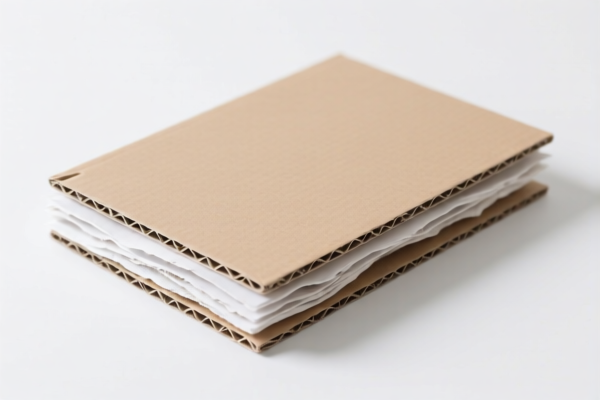
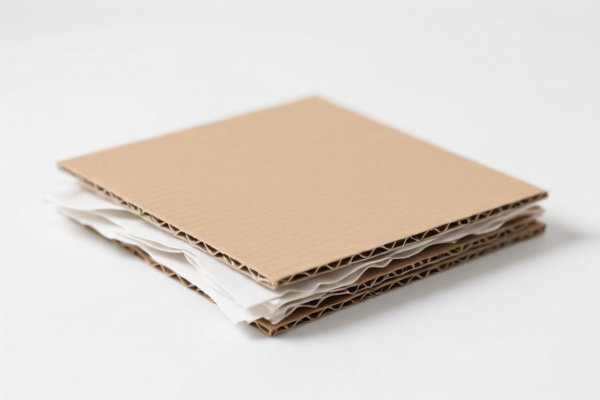
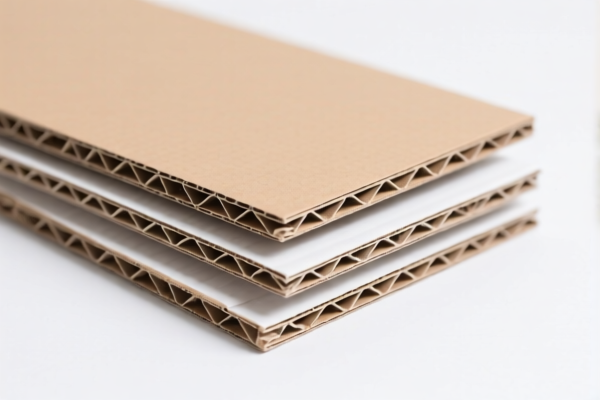
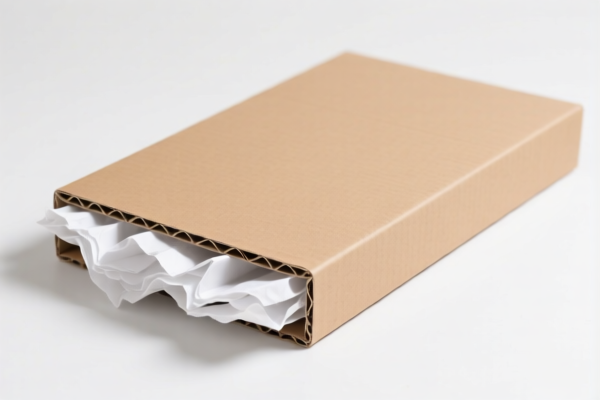
AI Analysis
🌐 Other Recycled Bleached Chemical Pulp Paperboard
📌 HS Code Classification & Customs Clearance Guide | 2026 Latest Tariff Breakdown | Pro-Level Import Strategy
📦 I. Product Definition & Classification: What Exactly Is This?
Other Recycled Bleached Chemical Pulp Paperboard refers to 废纸及纸板 (waste paper and paperboard) that:
- Are made from bleached chemical pulp (i.e., chemically processed wood pulp with high purity and brightness);
- Have undergone recycling processes (e.g., de-inking, repulping, reprocessing);
- Are not fully classified under more specific subheadings (hence “Other”);
- Still retain the structural and material characteristics of paperboard (rigid, multi-layered, used for packaging, boxes, etc.).
⚠️ Key Classification Triggers: - Must be recycled (not virgin material); - Must be bleached chemical pulp-based (not mechanical or semi-chemical); - Must be in the form of paperboard (not paper sheets or rolls); - Must not fall under more specific HS codes (e.g., those with higher precision in fiber origin or processing method).
✅ In short: This is recycled, bleached, rigid paperboard used in packaging — but not covered by a more specific HS code.
🔍 II. HS Code Breakdown (2026 Latest Tariff Authority) – All Codes from Your Data
| HS Code | Product Description | Applicable Scenario | Tax Rate | Legal Basis |
|---|---|---|---|---|
4706.20.00.00 |
Recycled bleached chemical pulp paperboard; meets requirements for recycled paper/paperboard material and pulp fiber form | General recycled bleached paperboard; no specific processing details | 35.0% | Base: 0%, Add: 25% (Section 301), Add: 10% (Section 122) |
4707.20.00.40 |
Recycled bleached chemical pulp paperboard; fully meets definition of bleached chemical pulp & recycled paperboard | High-compliance recycled board; fully aligned with both pulp and recycling standards | 35.0% | Base: 0%, Add: 25% (Section 301), Add: 10% (Section 122) |
4707.20.00.20 |
Recycled bleached chemical pulp paperboard; primarily made from bleached chemical pulp and falls under waste paperboard category | Mainly bleached chemical pulp-based; recycled origin confirmed | 35.0% | Base: 0%, Add: 25% (Section 301), Add: 10% (Section 122) |
4706.92.01.00 |
Recycled bleached chemical pulp paperboard; meets requirements for recycled waste paper, paperboard, and chemical pulp form | Recycled board with chemical pulp characteristics; general compliance | 35.0% | Base: 0%, Add: 25% (Section 301), Add: 10% (Section 122) |
📌 Note: All four codes are equally taxed at 35.0% — no difference in final rate, but slight differences in compliance criteria.
💰 III. 2026 Tariff Breakdown – Full Legal & Policy Explanation
✅ Applicable Country: United States (US)
✅ Origin: China (CN)
✅ Effective Date: November 10, 2025 (and ongoing)
✅ Applicable to: All imports of recycled bleached chemical pulp paperboard
🎯 1. 4706.20.00.00 – General Recycled Bleached Paperboard
| Tax Component | Rate | Legal Source | Explanation |
|---|---|---|---|
| Base Tariff | 0.0% | HTSUS 4706.20.00.00 | Standard rate for this category |
| Section 301 (USITC) Additional Tariff | +25.0% | USITC Footnote 9903.88.01 | Imposed under Section 301 of the Trade Act of 1974 (China trade actions) |
| Section 122 (IEEPA) Additional Tariff | +10.0% | IEEPA: 9903.01.24 | Imposed under the International Emergency Economic Powers Act (IEEPA) for national security and economic concerns |
| Total Effective Tariff | 35.0% | — | CIF Value × 35% |
| De Minimis Threshold | ❌ Not applicable | — | No exemption — even small shipments face full tariff |
| Legal Pathway | IEEPA:9903.01.24 → USITC:9903.88.01 → HTSUS:4706.20.00.00 |
— | Full compliance chain |
🔍 Why 35%?
- 0% base tariff (standard for recycled paperboard); - 25% from Section 301 (China-specific trade action); - 10% from Section 122 (IEEPA) (emergency economic powers — applies to all Chinese-origin goods in this category).
🎯 2. 4707.20.00.40 – Fully Compliant Recycled Bleached Paperboard
| Tax Component | Rate | Legal Source | Explanation |
|---|---|---|---|
| Base Tariff | 0.0% | HTSUS 4707.20.00.40 | Higher specificity in classification |
| Section 301 (USITC) Additional Tariff | +25.0% | USITC Footnote 9903.88.01 | Same as above — applies to all eligible goods |
| Section 122 (IEEPA) Additional Tariff | +10.0% | IEEPA: 9903.01.24 | Same emergency tariff |
| Total Effective Tariff | 35.0% | — | Same as above |
| De Minimis | ❌ Not applicable | — | Full tariff applies |
| Legal Pathway | IEEPA:9903.01.24 → USITC:9903.88.01 → HTSUS:4707.20.00.40 |
— | Full audit trail |
📌 Why This Code?
- Used when the product fully satisfies both: - Bleached chemical pulp manufacturing standards; - Recycled paperboard definition (material & fiber form). - Best choice for compliance — reduces risk of audit or reclassification.
🎯 3. 4707.20.00.20 – Primarily Bleached Chemical Pulp-Based Recycled Board
| Tax Component | Rate | Legal Source | Explanation |
|---|---|---|---|
| Base Tariff | 0.0% | HTSUS 4707.20.00.20 | Applies to products mainly made from bleached chemical pulp |
| Section 301 (USITC) | +25.0% | USITC Footnote 9903.88.01 | Applies to all goods under this category |
| Section 122 (IEEPA) | +10.0% | IEEPA: 9903.01.24 | Applies to all Chinese-origin goods in this group |
| Total Tariff | 35.0% | — | Same rate |
| De Minimis | ❌ Not applicable | — | Full tariff applies |
| Legal Pathway | IEEPA:9903.01.24 → USITC:9903.88.01 → HTSUS:4707.20.00.20 |
— | Clear compliance path |
📌 Best For:
- Products where bleached chemical pulp is the primary fiber source, but not 100% compliant with all criteria of4707.20.00.40(e.g., slight impurities or processing variation).
🎯 4. 4706.92.01.00 – General Recycled Waste Paperboard with Chemical Pulp Form
| Tax Component | Rate | Legal Source | Explanation |
|---|---|---|---|
| Base Tariff | 0.0% | HTSUS 4706.92.01.00 | Applies to “other” recycled paperboard |
| Section 301 (USITC) | +25.0% | USITC Footnote 9903.88.01 | Applies to all goods in this category |
| Section 122 (IEEPA) | +10.0% | IEEPA: 9903.01.24 | Applies to all Chinese-origin goods |
| Total Tariff | 35.0% | — | Same rate |
| De Minimis | ❌ Not applicable | — | Full tariff applies |
| Legal Pathway | IEEPA:9903.01.24 → USITC:9903.88.01 → HTSUS:4706.92.01.00 |
— | Standard compliance path |
📌 When to Use This?
- When the product meets general recycled paperboard and chemical pulp form, but does not meet the stricter criteria of4707.20.00.40or4707.20.00.20.
🛠️ IV. Customs Clearance Best Practices (Pro Tips to Avoid Delays & Penalties)
✅ 1. Required Documentation (Must-Have Checklist)
| Document | Required? | Why It Matters |
|---|---|---|
| ✅ Commercial Invoice | ✔️ | Must clearly state: “Recycled Bleached Chemical Pulp Paperboard” + HS Code |
| ✅ Packing List | ✔️ | Shows weight, quantity, packaging type |
| ✅ Certificate of Origin (CO) | ✔️ | Proves origin (China → triggers 35% tariff) |
| ✅ Material Test Report | ✔️ | Confirms bleached chemical pulp content, recycling process |
| ✅ Fiber Analysis Report | ✔️ | Proves fiber source (chemical vs. mechanical) |
| ✅ De-inking & Repulping Process Description | ✔️ | Proves recycling compliance |
| ✅ Product Photos (with labels) | ✔️ | Helps customs verify physical characteristics |
✅ 2.申报技巧(Critical Rules of Thumb)
🔥 “Choose the most specific code, prove compliance, avoid penalties!”
| Scenario | Correct HS Code | Why |
|---|---|---|
| Fully compliant with bleached chemical pulp + recycling | 4707.20.00.40 |
Highest specificity → lowest audit risk |
| Primarily bleached chemical pulp, but minor non-compliance | 4707.20.00.20 |
Best fit for partial compliance |
| General recycled board with chemical pulp form | 4706.92.01.00 |
Use only if no better fit |
| Incorrect code | Any other | Risk of reclassification, penalties, or seizure |
❌ Never use
4706.20.00.00unless you cannot use a more specific code.
✅ 3. Special Cases & Risk Mitigation
| Situation | Recommended Action |
|---|---|
| Mixed fiber content (chemical + mechanical) | Use 4707.20.00.20 or 4706.92.01.00 — avoid 4707.20.00.40 |
| High impurity level | Provide lab report; declare as “recycled” not “bleached” if unsure |
| Re-exported goods | Must prove no U.S. origin — otherwise, 35% applies |
| Pre-shipment inspection | Highly recommended — avoid surprise rejections |
🌍 V. Global Customs Comparison (2026 Update)
| Country | Recommended HS Code | Base Tariff | Additional Taxes | Notes |
|---|---|---|---|---|
| 🇺🇸 United States | 4707.20.00.40 |
0% | +25% (301) +10% (122) → 35% | Highest risk — full 35% |
| 🇨🇳 China | 4707.20.00.40 |
5% | 0% | No extra tariffs — best for domestic use |
| 🇪🇺 EU | 4707.20.00.40 |
0% | 0% (if CE compliant) | No 301/122 tariffs |
| 🇦🇺 Australia | 4707.20.00.40 |
5% | 0% | No extra tariffs |
| 🇯🇵 Japan | 4707.20.00.40 |
0% | 0% | No additional duties |
📌 Insight:
- Only the U.S. applies the 35% tariff to this product from China; - Other markets are far more favorable — consider diversifying export routes.
🚨 VI. Common Mistakes & How to Avoid Them (Real-World Risks)
❌ Mistake 1: Using 4706.20.00.00 for a product that qualifies for 4707.20.00.40
👉 Risk: Higher audit risk, potential penalties, or forced reclassification.
❌ Mistake 2: Not providing fiber analysis or recycling proof
👉 Risk: Customs may reject the shipment or impose higher scrutiny.
❌ Mistake 3: Claiming “bleached” without lab evidence
👉 Risk: Re-classification to lower tariff code → underpayment → fines.
❌ Mistake 4: Using “recycled paper” instead of “recycled bleached chemical pulp paperboard” in invoice
👉 Risk: Misleading description → delay or rejection.
✅ Best Practice:
Use exact language:
“Recycled Bleached Chemical Pulp Paperboard, manufactured from 100% de-inked bleached chemical pulp, conforming to HTSUS 4707.20.00.40”
🎯 VII. Final Verdict: Strategic Import Planning
🔹 HS Code Choice Matters:
-4707.20.00.40→ Best for compliance, lowest risk
-4707.20.00.20→ Good for mixed or near-compliant products
-4706.92.01.00→ Fallback only
-4706.20.00.00→ Avoid unless no better option🔹 Tariff is Fixed at 35% — no exceptions
- No de minimis — even 1kg shipment pays 35% - No duty drawback for recycled goods in this category🔹 Pro Tip:
- Apply for a Pre-Ruling (Advance Ruling) from U.S. Customs before shipment; - Use a U.S.-based customs broker with experience in paperboard and recycled materials.
📌 VIII. Key Takeaways – Remember This!
✅ All four HS codes are taxed at 35% — same final rate, different compliance paths
✅ Section 301 (25%) + Section 122 (10%) = 35% — no base tariff
✅ No de minimis — no exceptions
✅ Choose the most specific code to reduce audit risk
✅ Prove fiber source and recycling process — lab reports are mandatory
📣 Call to Action: Act Now to Protect Your Supply Chain!
📞 Contact a U.S. customs broker with experience in recycled paperboard
📄 Request a pre-ruling on HS Code for your product
📊 Run a cost model with 35% tariff vs. alternative markets
🚀 Consider shifting origin to Vietnam, Mexico, or Malaysia to avoid 35% tariff
✨ Professional Customs Starts with Precise Classification!
💼 Your profit margin depends on the right HS code — choose wisely!
Customer Reviews
About HS Code Classification
The Harmonized System (HS) is an internationally standardized nomenclature developed by the World Customs Organization (WCO) to classify traded products. Over 200 countries use the HS system as the basis for customs tariffs, trade statistics, and import/export regulations.
Each HS code follows a hierarchical structure:
- Chapter (2 digits) — Broad category of goods (e.g., Chapter 84: Machinery and Mechanical Appliances)
- Heading (4 digits) — More specific grouping within the chapter
- Subheading (6 digits) — Internationally standardized breakdown, used by all WCO member countries
- National subdivisions (8-10 digits) — Country-specific extensions for further classification, such as US HTSUS 10-digit codes
Correct HS code classification is essential for smooth customs clearance, accurate duty payment, and compliance with trade regulations. Misclassification can lead to customs delays, overpayment of duties, or penalties.
When importing from CN to US, the applicable tariff rates may include:
- Most-Favored-Nation (MFN) rate — The standard duty rate applied to WTO members
- General rate — Applied to countries without trade agreements
- Trade remedy duties — Additional tariffs such as Section 301 (anti-dumping), Section 232 (national security), or countervailing duties
The information provided on this page is for reference purposes only. For official classification, please consult with your local customs authority or a licensed customs broker.