PVC Building Textile Membrane
CN → US| HS Code | Tariff Rate | Origin | Destination | Doc |
|---|---|---|---|---|
| 3926903300 | 16.5% | CN | US | Official Doc |
| 6306120000 | 18.8% | CN | US | Official Doc |
| 3926903500 | 24.0% | CN | US | Official Doc |
Product Images
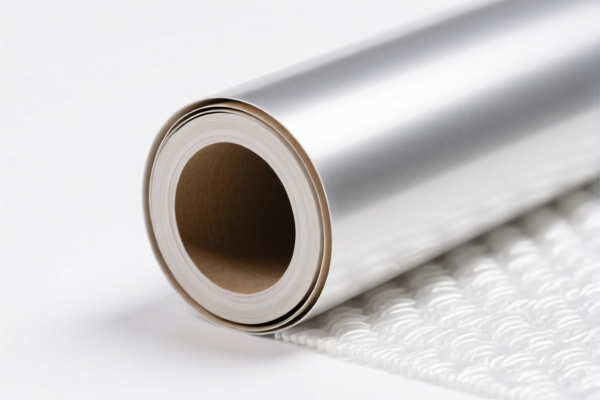
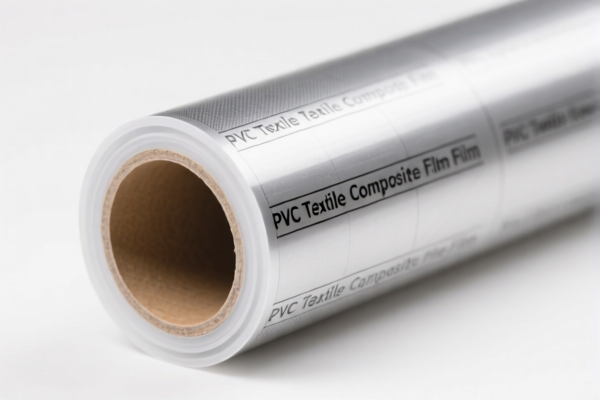

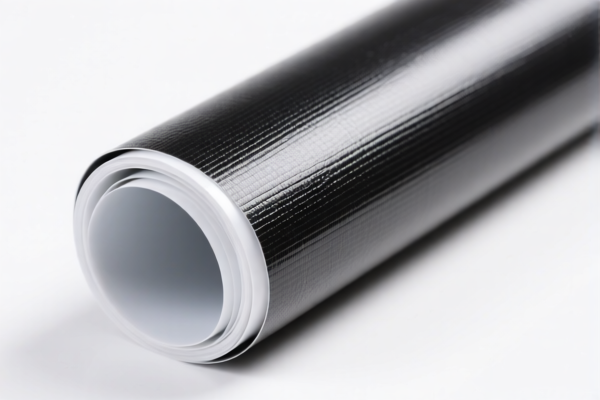
AI Analysis
🏗️ PVC Building Textile Membrane Structures
🌐 HS Code Reference & Customs Clearance Guide | 2026 Latest Tariff Analysis | Professional Compliance Strategy
📌 Part 1: Product Definition & Classification: What is a "PVC Textile Membrane"?
PVC Building Textile Membranes are high-performance architectural materials used for tensile structures, stadiums, warehouses, and temporary shelters. They consist of a polyester or fiberglass base fabric coated with Polyvinyl Chloride (PVC).
In international trade, the classification depends heavily on whether the product is viewed primarily as a plastic product (due to the PVC coating) or as a fabric/canvas product (due to the textile base and specific end-use like awnings).
⚠️ Key Distinction Point:
- If classified under Chapter 39 (Plastics): The focus is on the PVC material composition. It is treated as a plastic sheet/membrane.
- If classified under Chapter 63 (Other Made-up Articles): The focus is on the functional form, specifically if it qualifies as a "sail," "awning," or "shutter" made of synthetic fibers.
📦 Part 2: HS Code Classification Details (2026 Latest Tariff Alignment)
| HS Code | Product Description | Application Scenario | Basis for Classification |
|---|---|---|---|
3926.90.33.00 |
PVC Textile Membrane Structures; Material: PVC (Plastic/Polyvinyl Chloride); Form: Textile Membrane Structure | General architectural tensile structures, factory roofs, large-span sheds | ✅ Classified as Other Plastic Articles because the defining feature is the PVC plastic coating/material, fitting the definition of plastic products. |
6306.12.00.00 |
PVC Textile Membrane Structures; Form Complies with Tarpaulins/Shades/Awnings; Material: PVC (Synthetic Fibers/Synthetic Materials) | Structures used specifically as tarps, awnings, shade covers, or canvas-like shelters | ✅ Classified as Tents/Awnings because the form and usage align with textile goods (synthetic fiber/canvas definitions) rather than pure plastic sheets. |
3926.90.35.00 |
PVC Textile Membrane Structures; Material Contains PVC (Polyvinyl Chloride); Category: Materials of Chapters 39.01–39.14; Form: Other Plastic Articles | Complex structural membranes where PVC is the primary structural component, categorized under broader plastic articles | ✅ Classified as Other Plastic Articles under Chapters 39.01–39.14. This code captures membranes that don't fit the specific "textile structure" sub-category of 3926.90.33, often implying a different manufacturing or material specification within the plastic chapter. |
🔍 Critical Reminder:
-3926.90.33.00is generally the standard for "Membrane Structures" where the plastic nature is dominant.
-6306.12.00.00applies if the product is marketed or used explicitly as an "awning" or "shade" made of synthetic fabric.
-3926.90.35.00is a catch-all for other plastic articles in this category, potentially attracting higher trade remedies.
💰 Part 3: 2026 Latest Tariff Rate Breakdown (Including Additional Duties & Policy Surcharges)
✅ Applicable Country: USA (US)
✅ Country of Origin: China (CN)
✅ Effective Time: Current Trade Policy (Includes Section 301 and 122 Measures)
🎯 1. 3926.90.33.00 —— PVC Textile Membrane Structure (Plastic Basis)
| Item | Content |
|---|---|
| Base Tariff Rate | 6.5% |
| Section 301 Surcharge | 0.0% (No additional 25% tariff applied under this specific subheading in the provided data) |
| Section 122 Surcharge | +10% |
| Total Effective Tax Rate | 16.5% |
| Tax Calculation | CIF Value × 16.5% |
| De Minimis Exemption | ❌ Not Applicable (Usually subject to full duty for industrial materials) |
| Legal Basis Path | HTSUS 3926.90.33.00 → Section 301 Footnote → Section 122 Authority |
📌 Explanation:
- Base 6.5%: Standard MFN duty for other plastic articles.
- Section 122 (10%): Applied under Trade Facilitation and Enforcement Act, often targeting specific Chinese industrial inputs.
- Net Impact: The absence of the full Section 301 25% rate makes this code significantly cheaper than others, provided the classification holds.
🎯 2. 6306.12.00.00 —— PVC Textile Membrane (Tarpaulin/Awning Basis)
| Item | Content |
|---|---|
| Base Tariff Rate | 8.8% |
| Section 301 Surcharge | 0.0% |
| Section 122 Surcharge | +10% |
| Total Effective Tax Rate | 18.8% |
| Tax Calculation | CIF Value × 18.8% |
| De Minimis Exemption | ❌ Not Applicable |
| Legal Basis Path | HTSUS 6306.12.00.00 → Section 122 Authority |
📌 Note:
- Base 8.8%: Standard duty for tents, tarps, and awnings of synthetic fibers.
- Section 122 (10%): Applies equally here.
- Comparison: Slightly higher total tax than3926.90.33.00due to the higher base rate (8.8% vs 6.5%), but avoids higher Section 301 rates if applicable to other plastic codes.
🎯 3. 3926.90.35.00 —— Other Plastic Articles (PVC Membrane)
| Item | Content |
|---|---|
| Base Tariff Rate | 6.5% |
| Section 301 Surcharge | +7.5% |
| Section 122 Surcharge | +10% |
| Total Effective Tax Rate | 24.0% |
| Tax Calculation | CIF Value × 24.0% |
| De Minimis Exemption | ❌ Not Applicable |
| Legal Basis Path | HTSUS 3926.90.35.00 → Section 301 (25% base, reduced/applied as 7.5% in this specific context) → Section 122 |
📌 Warning:
- This code incurs the highest tax burden (24.0%).
- It includes a Section 301 component (7.5%) in addition to the Section 122 surcharge.
- Risk: Misclassifying a standard membrane into this "other" category can result in a 7.5% higher cost compared to3926.90.33.00. Ensure the product does not strictly fit the33.00description.
🛠️ Part 4: Customs Clearance Practical Advice (Real-World Pitfall Avoidance)
✅ 1. Documentation Checklist (Essential)
| Document | Must Provide | Explanation |
|---|---|---|
| ✅ Product Specification Sheet | ✔️ | Must detail: Base fabric type (Polyester/Glass Fiber), PVC coating weight, tensile strength, fire resistance rating. |
| ✅ Material Composition Statement | ✔️ | Explicitly state % of PVC vs. textile base. This determines if it falls under Chapter 39 (Plastic) or 63 (Textile). |
| ✅ Product Photos (Installed & Unrolled) | ✔️ | Show the scale and application. If it looks like an awning/tent, 6306 might be argued. If it's a structural roof, 3926 is safer. |
| ✅ Commercial Invoice | ✔️ | Description should match the HS Code. E.g., "PVC Coated Polyester Tensile Membrane" for 3926 vs. "PVC Canvas Awning" for 6306. |
| ✅ Certificate of Origin (CO) | ✔️ | Proof of Chinese origin to apply correct Section 122 and 301 rates. |
| ✅ Testing Reports | ✔️ | Fire retardancy (NFPA 701, ASTM E84), tensile strength, and durability tests are often requested by CBP. |
✅ 2. Declaration Tips (Key Mnemonic)
🔥 "Material vs. Form: Choose Wisely, Or Pay More!"
| Scenario | Recommended HS Code | Why? | Risk if Misclassified |
|------|----------------|----------|
| Architectural Roof/Membrane | 3926.90.33.00 | Primary identity is the PVC plastic material used for construction. | Reporting as 6306 may trigger audit on "textile" claim; Reporting as 35.00 triggers 7.5% extra tariff. |
| Portable Awning/Shade/Tarp | 6306.12.00.00 | Primary identity is a "tarpaulin" or "awning" made of synthetic fabric. | Reporting as 3926 may be rejected if the form is clearly a canvas product. |
| Generic/Unknown PVC Sheet | 3926.90.35.00 | Use only if it doesn't fit the specific membrane (33) or textile (63) definitions. | High Cost: 24% total tax vs 16.5%. Avoid unless necessary. |
✅ 3. Special Circumstances Handling
| Situation | Handling Advice |
|---|---|
| Hybrid Material (PVC + Fiberglass) | If the fiberglass is the core and PVC is coating, argue for 3926.90.33.00 as the PVC is the primary functional layer. Provide coating weight data. |
| Pre-fabricated Canopy | If sold as a "kit" with poles and ropes, ensure the invoice clearly separates the membrane. However, CBP often classifies the entire kit by the primary component. |
| Fire-Retardant Treatment | If the PVC is chemically modified for fire retardancy, this supports the "Plastic Article" classification (3926) over a simple textile (6306). |
| Import for Temporary Use | If temporary, ensure you are not using "Temporary Importation" bonds incorrectly; these are usually classified as permanent imports for duty purposes. |
🌍 Part 5: Global Market Comparison (2026 Latest)
| Country/Region | Recommended HS Code | Total Tax Rate (China Origin) | Notes |
|---|---|---|---|
| 🇺🇸 USA | 3926.90.33.00 |
16.5% (Best Option) | Includes 10% Sec 122. Avoid 3926.90.35.00 (24%) and 6306.12.00.00 (18.8%). |
| 🇨🇳 China | 3926.90.33.00 |
~6.5% | Standard import duty. No Section 122/301. |
| 🇪🇺 EU | 3926.90.97 (Similar) |
~4.5% | No Section 122/301. Different subheading applies. |
| 🇬🇧 UK | 3926.90.99 |
~4.5% | Post-Brexit tariff. No Chinese surcharges. |
📌 Conclusion:
- USA Market:3926.90.33.00is the most cost-effective and compliant code for PVC membranes.
- Key Risk: The 7.5% Section 301 differential in3926.90.35.00makes misclassification expensive.
- Strategy: Provide strong technical documentation proving the "Plastic Membrane" nature to justify3926.90.33.00.
📌 Part 6: Common Errors & Pitfalls (Lessons Learned)
❌ Error 1: Classifying as 3926.90.35.00 without cause
👉 Consequence: Extra 7.5% tax (Total 24% vs 16.5%).
👉 Fix: Check if the product fits the specific description of 33.00 (Textile Membrane Structure).
❌ Error 2: Calling it a "Tent" or "Awning" when it's an Architectural Roof
👉 Consequence: Risk of reclassification to 6306.12.00.00 (18.8%) or dispute if the form is clearly structural.
👉 Fix: Use terms like "Tensile Structure," "Membrane Roof," or "Architectural Skin."
❌ Error 3: Ignoring Section 122 Surcharge
👉 Consequence: Underpayment by 10%. CBP will assess back duties + interest.
👉 Fix: Budget for the 10% surcharge in all China-origin plastic/textile imports.
❌ Error 4: Vague Description ("PVC Sheet")
👉 Consequence: CBP may assign a higher duty code or delay clearance.
👉 Fix: Be specific: "PVC-Coated Polyester Tensile Membrane for Building Structures."
✅ Correct Practice:
"PVC Coated Polyester Textile Membrane, Architectural Grade, Fire Retardant, for Tensile Roof Structure. Model: XYZ."
🎯 Part 7: Conclusion: Professional Declaration for Cost Optimization
🎯 Remember the Mnemonic:
🔹 "Plastic Membrane is 33, Awning is 63, Other Plastic is 35."
🔹 "33 is cheapest (16.5%), 35 is most expensive (24%), 63 is middle (18.8%)."
🔹 "Section 122 is 10%, Always Pay It!"
📌 Pro Tip:
If your PVC membrane is exported to the US, consider applying for a US Customs Ruling (Advance Ruling) before shipment. This provides legal certainty and prevents post-entry audits.
🚀 Optimize your supply chain by choosing 3926.90.33.00 whenever possible to save 7.5% in tariffs compared to 3926.90.35.00!
✨ Professional Clearance Starts with Precise Classification!
💼 Your Bottom Line Depends on the Decimal Points!
Customer Reviews
About HS Code Classification
The Harmonized System (HS) is an internationally standardized nomenclature developed by the World Customs Organization (WCO) to classify traded products. Over 200 countries use the HS system as the basis for customs tariffs, trade statistics, and import/export regulations.
Each HS code follows a hierarchical structure:
- Chapter (2 digits) — Broad category of goods (e.g., Chapter 84: Machinery and Mechanical Appliances)
- Heading (4 digits) — More specific grouping within the chapter
- Subheading (6 digits) — Internationally standardized breakdown, used by all WCO member countries
- National subdivisions (8-10 digits) — Country-specific extensions for further classification, such as US HTSUS 10-digit codes
Correct HS code classification is essential for smooth customs clearance, accurate duty payment, and compliance with trade regulations. Misclassification can lead to customs delays, overpayment of duties, or penalties.
When importing from CN to US, the applicable tariff rates may include:
- Most-Favored-Nation (MFN) rate — The standard duty rate applied to WTO members
- General rate — Applied to countries without trade agreements
- Trade remedy duties — Additional tariffs such as Section 301 (anti-dumping), Section 232 (national security), or countervailing duties
The information provided on this page is for reference purposes only. For official classification, please consult with your local customs authority or a licensed customs broker.