PVC Textile Composite Soundproof Board
CN → US| HS Code | Tariff Rate | Origin | Destination | Doc |
|---|---|---|---|---|
| 3926905900 | 37.4% | CN | US | Official Doc |
| 3926906090 | 39.2% | CN | US | Official Doc |
| 3921121500 | 41.5% | CN | US | Official Doc |
| 3921121100 | 39.2% | CN | US | Official Doc |
| 5903102090 | 35.0% | CN | US | Official Doc |
Product Images
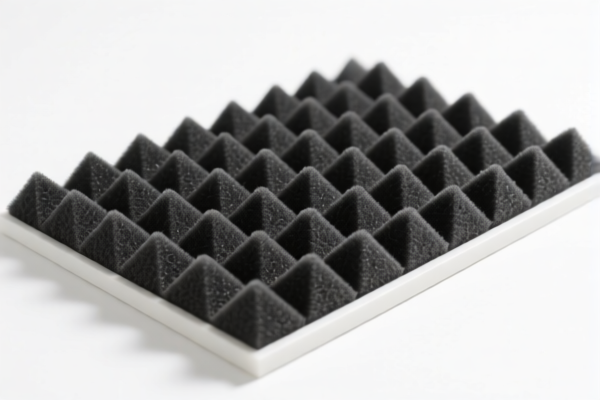
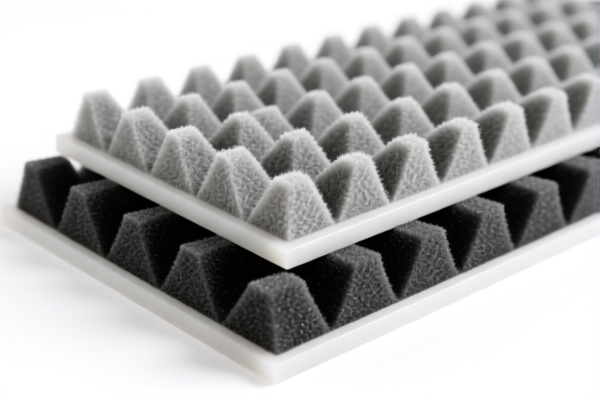
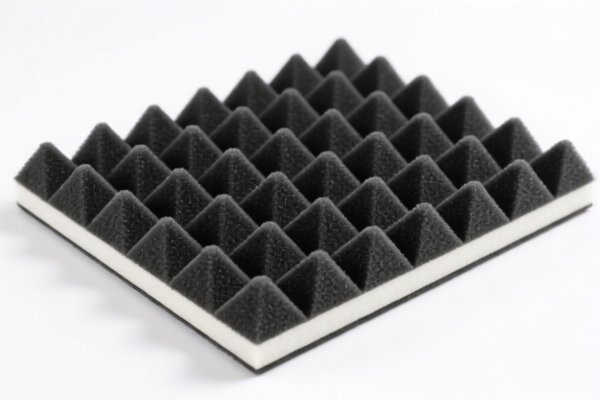
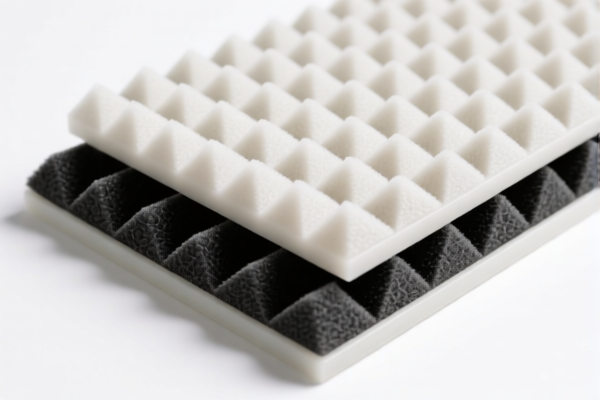
AI Analysis
🛡️ PVC Textile Composite Soundproof Board (PVC 纺织品涂层隔音板/复合隔热布)
🌐 HS Code Reference & Clearance Guide | 2026 Latest Tariff Breakdown | Professional Compliance Strategy
📌 I. Product Definition & Classification: What Exactly Is This Product?
The term "PVC Textile Composite Soundproof Board" is a broad commercial description that masks significant technical variations. In international trade, classification depends strictly on the physical form, composition ratio, and specific function.
It generally falls into three categories: 1. Coated/Impregnated Textile Fabrics: Fabric that has been coated, impregnated, or laminated with PVC, primarily used for acoustic insulation. 2. Plastic Plates/Sheets (Composite): Rigid or semi-rigid boards made by combining PVC with textile layers, classified as plastic products. 3. Specialized Industrial Components: Parts categorized by their specific mechanical or industrial use.
⚠️ Critical Distinction:
- If the product is flexible fabric where PVC weight > 70% → It is a Textile Product (Chapter 59 or 3921).
- If the product is a rigid board/panel → It is a Plastic Product (Chapter 39).
- Misclassification Risk: Declaring a rigid board as "fabric" or vice versa can trigger audits, delays, and back-tariffs.
📦 II. HS Code Classification Details (2026 Latest Tariff Authority Mapping)
Based on the provided data, here are the 5 precise HS Codes applicable to this product family.
| HS Code | Product Description | Key Characteristics | Application Scenario |
|---|---|---|---|
3926.90.59.00 |
PVC Textile Composite Soundproof Board | Form: Coated soundproof board. Material: PVC. Use: Mechanical/Industrial materials. |
Rigid coated panels for industrial machinery noise reduction. |
3926.90.60.90 |
PVC Textile Composite Soundproof Board | Form: Plate/Board. Material: PVC. Use: Soundproofing; Other制品 (Other articles). |
General-purpose acoustic boards, interior decoration, non-industrial specific. |
3921.12.15.00 |
PVC Textile Composite Insulating Cloth | Form: Composite Cloth. Material: PVC. Use: Thermal Insulation. Property: Composite material. |
Flexible or semi-rigid insulating layers where composite nature is key. |
3921.12.11.00 |
PVC Textile Composite Insulating Cloth | Form: Composite Cloth / Sheet. Material: PVC. Use: Thermal Insulation. Condition: Plastic component > 70%. |
High-PVC content composites, rigid sheets, heavy-duty insulation. |
5903.10.20.90 |
PVC Textile Composite Insulating Cloth | Material: Polyvinyl Chloride (PVC). Form: Textile fabric impregnated, coated, covered, or laminated with plastic. Condition: Weight proportion > 70%. |
Flexible fabrics for sound/heat insulation, clearly defined as textile-based. |
🔍 Key Insight:
-3926vs3921:3926is for "Other articles of plastics" (often finished goods or parts), while3921is for "Other plates, sheets, film, foil and strip" (semi-finished materials).
-5903is for Textiles coated with plastic. If the textile base is the primary structural element, this code may apply, but it carries the lowest base tariff (0%).
-3926.90.59.00and3926.90.60.90are for rigid boards/panels used as industrial components or general articles.
💰 III. 2026 Latest Tariff Rate Breakdown (Including Additional Duties & Policy Add-ons)
✅ Applicable Country: United States (US)
✅ Country of Origin: China (CN)
✅ Effective Date: 2025/2026 (Current Trade War Era)
🎯 1. 3926.90.59.00 — PVC Textile Composite Soundproof Board (Industrial)
| Item | Content |
|---|---|
| Base Tariff | 2.4% (ad valorem) |
| Section 301 (Additional) | +25.0% (USITC Footnote for Chinese plastics) |
| IEEPA (Section 122) | +10.0% (Targeted Chinese imports) |
| Total Tax Rate | 37.4% |
| Tax Calculation | CIF Value × 37.4% |
| De Minimis Exemption? | ❌ No (Denied for Section 301/IEEPA goods) |
| Legal Basis Path | USITC:3926.90.59.00 → FOOTNOTE:301.88 → IEEPA:9903.01.25 |
📌 Explanation:
- The 37.4% total rate makes this a high-cost import.
- The 122 Clause (often referencing specific executive orders or trade enforcement actions) adds an extra 10% on top of the standard 301 tariff.
🎯 2. 3926.90.60.90 — PVC Textile Composite Soundproof Board (General Other Articles)
| Item | Content |
|---|---|
| Base Tariff | 4.2% |
| Section 301 (Additional) | +25.0% |
| IEEPA (Section 122) | +10.0% |
| Total Tax Rate | 39.2% |
| Tax Calculation | CIF Value × 39.2% |
| De Minimis Exemption? | ❌ No |
| Legal Basis Path | USITC:3926.90.60.90 → FOOTNOTE:301.88 → IEEPA:9903.01.25 |
📌 Note:
- Slightly higher base tariff than3926.90.59.00due to being classified as a "General Other Article" rather than a specific industrial material.
- Still subject to the full 35% additional duties.
🎯 3. 3921.12.15.00 — PVC Textile Composite Insulating Cloth (Composite Material)
| Item | Content |
|---|---|
| Base Tariff | 6.5% |
| Section 301 (Additional) | +25.0% |
| IEEPA (Section 122) | +10.0% |
| Total Tax Rate | 41.5% |
| Tax Calculation | CIF Value × 41.5% |
| De Minimis Exemption? | ❌ No |
| Legal Basis Path | USITC:3921.12.15.00 → FOOTNOTE:301.88 → IEEPA:9903.01.25 |
📌 Critical:
- This is the highest total tax rate (41.5%) among the PVC board options.
- The higher base tariff (6.5%) reflects its status as a specialized composite material.
🎯 4. 3921.12.11.00 — PVC Textile Composite Insulating Cloth (>70% Plastic)
| Item | Content |
|---|---|
| Base Tariff | 4.2% |
| Section 301 (Additional) | +25.0% |
| IEEPA (Section 122) | +10.0% |
| Total Tax Rate | 39.2% |
| Tax Calculation | CIF Value × 39.2% |
| De Minimis Exemption? | ❌ No |
| Legal Basis Path | USITC:3921.12.11.00 → FOOTNOTE:301.88 → IEEPA:9903.01.25 |
📌 Note:
- Identical total rate to3926.90.60.90but different legal basis.
- Applicable when the plastic content explicitly exceeds 70%, shifting it from a "textile-coated" view to a "plastic-heavy composite" view.
🎯 5. 5903.10.20.90 — PVC Textile Composite Insulating Cloth (Textile-Based)
| Item | Content |
|---|---|
| Base Tariff | 0.0% |
| Section 301 (Additional) | +25.0% |
| IEEPA (Section 122) | +10.0% |
| Total Tax Rate | 35.0% |
| Tax Calculation | CIF Value × 35.0% |
| De Minimis Exemption? | ❌ No |
| Legal Basis Path | USITC:5903.10.20.90 → FOOTNOTE:301.88 → IEEPA:9903.01.25 |
📌 Strategic Advantage:
- This is the MOST COST-EFFECTIVE classification (35.0% total).
- Why? Because the Base Tariff is 0%.
- Condition: The product MUST be clearly defined as a textile fabric impregnated/coated/laminated with PVC, where the textile structure is visible or primary, and PVC weight > 70%.
- Risk: If customs inspectors determine the product is a "plastic board" (rigid), they may reclassify it to3926or3921, increasing the tax to 37.4%–41.5%.
🛠️ IV. Clearance Practical Advice (Battle-Tested Pitfall Avoidance)
✅ 1. Documentation Checklist (Non-Negotiable)
| Document | Mandatory? | Details |
|---|---|---|
| ✅ Product Specification Sheet | ✔️ | Must detail: Weight per sq. meter, PVC %, Fabric Type, Thickness, Flexibility (Rigid vs. Flexible). |
| ✅ Composition Test Report | ✔️ | Third-party lab report proving PVC content % and textile base weight. Crucial for 5903 vs 3921 distinction. |
| ✅ Product Photos | ✔️ | Show cross-section (if layered), flexibility test (bending), and application context. |
| ✅ Commercial Invoice | ✔️ | Description must be precise: e.g., "PVC-Coated Polyester Fabric for Acoustic Insulation" vs. "PVC Soundproof Board." |
| ✅ Bill of Lading | ✔️ | Ensure packaging marks align with invoice. |
| ✅ Certificate of Origin (CO) | ✔️ | Standard for US import. |
✅ 2. Declaration Strategy (Key Mnemonic)
🔥 “Fabric First, Plastic Second; Rigid Boards Need Care!”
| Scenario | Correct HS Code | Common Error | Consequence |
|---|---|---|---|
| Flexible Roll (Coated Fabric) | 5903.10.20.90 |
Declare as 3926 |
Overpay 2.5%–6.5% |
| Semi-Rigid Sheet (Composite) | 3921.12.11.00 or 15 |
Declare as 5903 |
Customs Rejection/Re-class |
| Rigid Panel (Industrial Part) | 3926.90.59.00 |
Declare as 3926.90.60.90 |
Overpay 1.8% |
| Rigid Panel (General Use) | 3926.90.60.90 |
Declare as 5903 |
High Audit Risk |
📌 Strategic Tip:
If your product is flexible (rolls, can be bent), fight for5903.10.20.90. The 35% rate is significantly cheaper than the 37.4%–41.5% range for plastic-heavy codes.
Proof Required: Show that it is sold in rolls, is foldable, and the textile backing is integral.
✅ 3. Special Circumstances Handling
| Situation | Recommendation |
|---|---|
| Hybrid Product (Part rigid, part flexible) | Break down shipment if possible. Rigid parts → 3926. Flexible parts → 5903. |
| Custom OEM Branding | Provide client order and design specs. Ensure description matches actual physical properties, not just brand name. |
| Multi-Use (Soundproof + Thermal) | Highlight Soundproof if using 3926, but Thermal/Textile if pushing for 5903 or 3921. 5903 is the safest low-tax bet if textile-dominated. |
| Small Samples | Even if de minimis ($800) applies, Section 301 and IEEPA duties are NOT exempted. You still owe 35–41.5%. |
🌍 V. Global Market Comparison (2026 Update)
| Country/Region | Recommended HS Code | Total Tariff (China Origin) | Key Requirements | Notes |
|---|---|---|---|---|
| 🇺🇸 USA | 5903.10.20.90 (Best) |
35.0% | FCC/UL (if electrical), Lab Tests | High risk of audit. Must prove textile nature. |
| 🇺🇸 USA | 3926.90.59.00 |
37.4% | Standard CO | Safer for rigid industrial parts. |
| 🇨🇳 China | 3921.12.11.00 |
~5-10% | CCC (if applicable) | No 301/IEEPA tariffs. |
| 🇪🇺 EU | 5903.10.20 |
~0-4% | REACH, RoHS | No major trade war tariffs. |
| 🇨🇦 Canada | 5903.10.20 |
~0-5% | Standard CO | CUSMA eligible if Canadian content. |
📌 Conclusion:
- USA is the hardest market due to layered tariffs (Base + 301 + IEEPA).
- Strategy: Use5903.10.20.90if physically flexible. Use3926if rigid.
- DO NOT try to under-declare. The 1.8%–6.5% difference is not worth the risk of detention.
📌 VI. Common Errors & Pitfall Guide (Blood & Tears)
❌ Error 1: Calling a Rigid Board "Soundproof Fabric" to get 5903 (35%).
👉 Consequence: Customs sees it’s rigid → Re-classifies to 3926 (37.4%+) → Penalties + Back Taxes.
❌ Error 2: Calling a Fabric Roll "Plastic Sheet" to avoid scrutiny.
👉 Consequence: Pay 41.5% instead of 35%. Unnecessary Cost.
❌ Error 3: Ignoring IEEPA 122 Clause.
👉 Consequence: Declaration misses the 10% additional duty → Customs Bill for Underpayment.
❌ Error 4: Vague Description "PVC Board".
👉 Consequence: Customs uses discretionary classification → Likely 3926.90.90 (Higher base rate) → Audit Delay.
✅ Correct Practice:
“PVC-Coated Polyester Acoustic Fabric, Flexible Roll, 75% PVC by Weight, Impregnated Textile for Sound Insulation, HS 5903.10.20.90”
🎯 VII. Conclusion: Precision Classification, Maximizing Profit!
🎯 Remember the Golden Rule:
🔹 “Flexible? Go 5903 (35%). Rigid? Go 3926 (37-39%). Never Guess!”
🔹 “Textile Base Proves Lower Tax. Plastic Proof Increases Cost.”
🔹 “301 + IEEPA = 35% Minimum. Don’t Let Base Tariff Kill You.”
📌 Pro Tip:
If your product is borderline (semi-rigid), consult a Customs Broker for a Pre-Ruling (Advance Ruling). A $500 pre-ruling can save you $10,000+ in duties on a container load.
📣 Immediate Action:
📞 Contact your Customs Broker
📄 Provide Cross-Section Photos + Lab Reports
🚀 Secure the 35% Rate or Pay 41.5% Wisely!
✨ Professional Clearance Starts with Accurate Classification!
💼 Your Margin Depends on Your HS Code!
Customer Reviews
About HS Code Classification
The Harmonized System (HS) is an internationally standardized nomenclature developed by the World Customs Organization (WCO) to classify traded products. Over 200 countries use the HS system as the basis for customs tariffs, trade statistics, and import/export regulations.
Each HS code follows a hierarchical structure:
- Chapter (2 digits) — Broad category of goods (e.g., Chapter 84: Machinery and Mechanical Appliances)
- Heading (4 digits) — More specific grouping within the chapter
- Subheading (6 digits) — Internationally standardized breakdown, used by all WCO member countries
- National subdivisions (8-10 digits) — Country-specific extensions for further classification, such as US HTSUS 10-digit codes
Correct HS code classification is essential for smooth customs clearance, accurate duty payment, and compliance with trade regulations. Misclassification can lead to customs delays, overpayment of duties, or penalties.
When importing from CN to US, the applicable tariff rates may include:
- Most-Favored-Nation (MFN) rate — The standard duty rate applied to WTO members
- General rate — Applied to countries without trade agreements
- Trade remedy duties — Additional tariffs such as Section 301 (anti-dumping), Section 232 (national security), or countervailing duties
The information provided on this page is for reference purposes only. For official classification, please consult with your local customs authority or a licensed customs broker.