PVC Textile Composite Waterproof Membrane
CN → US| HS Code | Tariff Rate | Origin | Destination | Doc |
|---|---|---|---|---|
| 6307909891 | 24.5% | CN | US | Official Doc |
| 6307908500 | 23.3% | CN | US | Official Doc |
| 3921121100 | 39.2% | CN | US | Official Doc |
| 3921121500 | 41.5% | CN | US | Official Doc |
| 3926905500 | 40.1% | CN | US | Official Doc |
| 3926909989 | 22.8% | CN | US | Official Doc |
Product Images
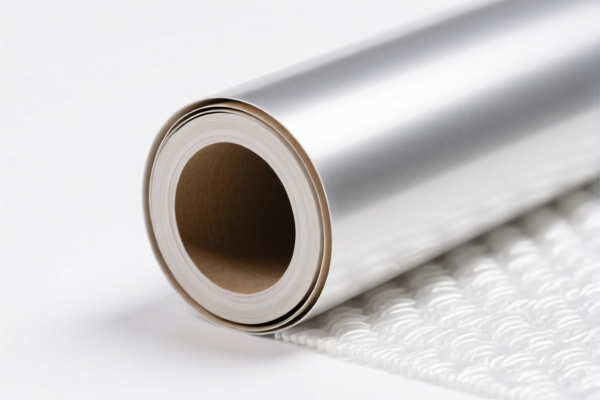
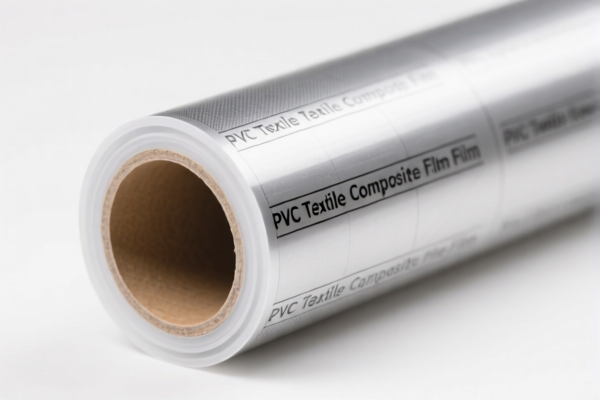

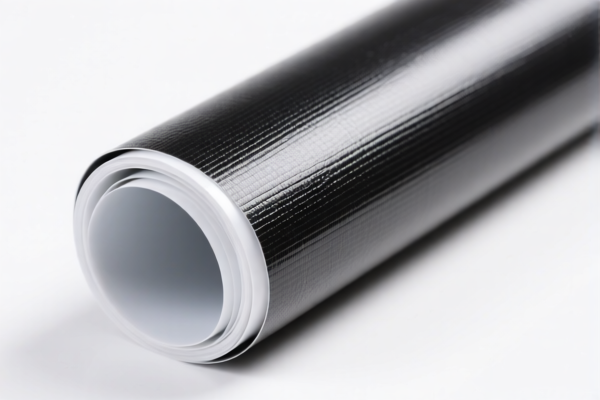
AI Analysis
🛁 PVC Textile Composite Waterproof Membrane (Bathroom Curtains)
🌐 HS Code Reference & Customs Clearance Guide | 2026 Latest Tariff Analysis | Professional Compliance Strategy
📌 I. Product Definition & Classification: What Exactly Are We Dealing With?
PVC Textile Composite Waterproof Membranes, commonly known as bathroom shower curtains, are constructed by laminating or coating polyvinyl chloride (PVC) onto a textile base (such as polyester or cotton). In international trade, the classification hinges on whether the product is viewed as a textile accessory or a plastic composite article.
Key Distinction Logic: * Textile-Dominated: If the textile layer provides the main structural integrity and identity, it may fall under Chapter 63 (Other made-up textile articles). * Plastic-Dominated: If the PVC layer is the primary material (especially if thick, foamed, or acting as the waterproof barrier), it may fall under Chapter 39 (Plastics and articles thereof).
⚠️ Critical Classification Risk:
- Misclassification can lead to tariff discrepancies ranging from 22.8% to 41.5% due to the significant difference in Section 21 (Plastics) vs. Section XI (Textiles) duties.
- The "Composite" nature requires careful analysis of which material gives the article its essential character.
📦 II. HS Code Classification Details (2026 Authoritative Reference)
| HS Code | Product Description | Applicable Scenario | Material Logic |
|---|---|---|---|
| 6307.90.98.91 | Other made-up articles, incl. dress patterns | Generic "other" textile composite; PVC is seen as a coating/finish | ✅ Textile Base Dominant |
| 6307.90.85.00 | Other made-up articles, incl. dress patterns | Synthetic/Artificial fiber textile base with PVC coating | ✅ Synthetic Textile Base |
| 3921.12.11.00 | PVC polymers combined with textile materials | PVC layer is substantial; considered a plastic-textile composite | ✅ Plastic Layer Dominant |
| 3921.12.15.00 | PVC foam/film combined with textile materials | Specifically PVC foam or thick film laminated to textile | ✅ Foam/Film Plastic Base |
| 3926.90.55.00 | Other plastic articles, incl. household items | Plastic household goods category; broader classification | ✅ Plastic Household Item |
| 3926.90.99.89 | Other plastic articles, general fallback | "Other" plastic articles not elsewhere specified; PVC dominant | ✅ Plastic General Item |
🔍 Key Insight:
- Codes6307.xxgenerally attract lower base duties (5.8%-7.0%) but are still subject to trade war tariffs.
- Codes3921.xxand3926.xxare classified under Section 21 (Plastics), often attracting higher base duties (4.2%-6.5%) and potentially stricter scrutiny on "essential character."
💰 III. 2026 Latest Tariff Rate Breakdown (Including Add-ons & Policy Levies)
✅ Applicable Country: United States (US)
✅ Origin: China (CN)
✅ Effective Date: Post-2025 Trade Policy (Including Section 301 & IEEPA measures)
🎯 1. 6307.90.98.91 & 6307.90.85.00 — Textile-Based Classification
These codes benefit from the lower base duty rates of the textile chapter, but still face significant trade barriers.
| Item | Content |
|---|---|
| Base Duty Rate | 5.8% - 7.0% (Ad Valorem) |
| Section 301 Add-on | +7.5% (Specific to subheadings 6307.90.85 and 98) |
| IEEPA Surcharge | +10% (Targeting Chinese-origin goods) |
| Total Duty Rate | 23.3% - 24.5% |
| Tax Calculation | CIF Value × 23.3%~24.5% |
| De Minimis Eligibility | ❌ No (deny_de_minimis) |
| Legal Basis Path | USITC:6307.90.85.00 → FOOTNOTE:301 → IEEPA:9903.01.24 |
📌 Explanation:
- The 7.5% add-on is specific to certain 6307 subheadings under Section 301.
- The 10% IEEPA is a blanket surcharge on Chinese goods.
- Total Liability: ~24.5% for general composite, ~23.3% for synthetic-based. This is moderately high but lower than the plastic classification options.
🎯 2. 3921.12.11.00 & 3921.12.15.00 — PVC Polymer/Film Classification
If customs determines the PVC layer defines the essential character (e.g., thick foam, heavy coating), the tariff jumps significantly.
| Item | Content |
|---|---|
| Base Duty Rate | 4.2% - 6.5% (Ad Valorem) |
| Section 301 Add-on | +25.0% (Standard Section 301 rate for plastics) |
| IEEPA Surcharge | +10% (Targeting Chinese-origin goods) |
| Total Duty Rate | 39.2% - 41.5% |
| Tax Calculation | CIF Value × 39.2%~41.5% |
| De Minimis Eligibility | ❌ No (deny_de_minimis) |
| Legal Basis Path | USITC:3921.12.11.00 → FOOTNOTE:301 → IEEPA:9903.01.24 |
📌 Warning:
- The 25% Section 301 rate is the standard for most plastic articles.
- Combined with IEEPA, the total tax exceeds 40%. This is a critical cost driver that can erase profit margins.
🎯 3. 3926.90.55.00 & 3926.90.99.89 — Other Plastic Articles
These are "catch-all" plastic categories. Note the variance in Section 301 application.
| Item | Content |
|---|---|
| Base Duty Rate | 5.1% - 5.3% (Ad Valorem) |
| Section 301 Add-on | +25.0% (For 3926.90.55) / +7.5% (For 3926.90.99.89) |
| IEEPA Surcharge | +10% |
| Total Duty Rate | 40.1% (for .55) / 22.8% (for .99.89) |
| Tax Calculation | CIF Value × 22.8%~40.1% |
| De Minimis Eligibility | ❌ No (deny_de_minimis) |
📌 Critical Distinction:
-3926.90.99.89benefits from a lower Section 301 add-on (7.5%) in some interpretations or specific exclusions, resulting in a 22.8% total rate, which is competitive with textile codes.
-3926.90.55.00faces the full 25% add-on, leading to 40.1% total.
- Risk: Misclassifying a heavy PVC curtain as.99.89when it should be.55or3921.xxcan lead to audits and penalties.
🛠️ IV. Customs Clearance Practical Advice (Real-World Pitfall Guide)
✅ 1. Documentation Checklist (Non-Negotiable)
| Document | Required | Description |
|---|---|---|
| ✅ Product Specification Sheet | ✔️ | Must detail: PVC thickness, textile base material (Polyester/Cotton), lamination method. |
| ✅ Material Composition Breakdown | ✔️ | % of PVC vs. % of Textile by weight. Critical for "Essential Character" argument. |
| ✅ Product Photos (Clear) | ✔️ | Show texture, thickness, and any foam layers. |
| ✅ Commercial Invoice | ✔️ | Must clearly state "PVC Textile Composite Shower Curtain" – avoid vague terms like "Plastic Sheet". |
| ✅ HS Code Pre-Ruling | ✔️ | Highly Recommended to confirm if 6307 or 3921/3926 applies to your specific product. |
✅ 2. Declaration Strategy (Key Mantras)
🔥 “Weight & Structure Define Character: Heavy PVC = Plastic, Light Fabric = Textile.”
| Scenario | Correct Declaration | Incorrect Declaration |
|---|---|---|
| Light PVC Coating on Polyester | 6307.90.98.91 (Textile) |
3921.12.11.00 (Plastic) → Overpaid 15%+ tax |
| Thick PVC Foam Laminated | 3921.12.15.00 (Plastic Foam) |
6307.90.85.00 (Textile) → Underpayment Risk |
| Generic Plastic Curtain | 3926.90.99.89 (Plastic Fallback) |
Vague "Plastic Good" → Customs Audit |
✅ 3. Special Handling Cases
| Case | Handling Advice |
|---|---|
| OEM Custom Designs | Provide design files showing material layers. If textile is visible on both sides, argue for 6307. |
| Packaged as Sets | If sold with hooks/rings, declare as a set. The curtain usually dictates the classification. |
| Foam vs. Film | Foam (expanded PVC) falls under 3921.12.15. Film (non-foam) may fall under 3921.12.11 or 3926. Be precise. |
🌍 V. Global Market Comparison (2026 Outlook)
| Market | Recommended HS Code | Est. Total Duty | Notes |
|---|---|---|---|
| 🇺🇸 USA | 6307.90.98.91 |
24.5% | Best balance for textile-heavy curtains. Avoid 3921 if possible. |
| 🇪🇺 EU | 6307.90.98 |
~4.5% | Lower base duty, no Section 301/IEEPA equivalents. |
| 🇨🇳 China | 6307.90.98 |
~7% | Standard import duty, no surcharges. |
| 🇬🇧 UK | 6307.90.98 |
~6.5% | Post-Brexit tariffs apply. |
📌 Conclusion:
- The US market is the most challenging due to the叠加 (stacking) of Section 301 and IEEPA tariffs.
- Textile classification (6307) is generally safer and cheaper for standard shower curtains, provided the PVC is not excessively thick or foamed.
- If your product is thick, foamed, or rigid, you must accept the Plastic Classification (3921/3926) and budget for ~40% duty.
📌 VI. Common Errors & Pitfalls (Blood Lessons)
❌ Error 1: Classifying a heavy foam PVC curtain as 6307.90.98.91
👉 Consequence: Customs reclassifies to 3921.12.15.00 → Back taxes + Penalties (Difference ~17%).
❌ Error 2: Using vague terms like "Plastic Sheet" for a finished curtain
👉 Consequence: Customs may apply Chapter 39 general rates or demand detailed specs → Delay in Release.
❌ Error 3: Ignoring the "Essential Character" test
👉 Consequence: If the textile layer is merely decorative and PVC provides waterproofing, customs will favor Plastic (39xx) classification.
❌ Error 4: Failing to disclose Chinese Origin
👉 Consequence: Missing IEEPA 10% surcharge → Heavy fines + Entry Rejection.
✅ Correct Approach:
“PVC Textile Composite Shower Curtain, 70% Polyester Base, 30% PVC Coating, Non-Foam, for Bathroom Use, Model XYZ, China Origin”
🎯 VII. Conclusion: Precision Classification Saves Money!
🎯 Remember the Mantra:
🔹 “Light Fabric = Textile (24%), Heavy Foam = Plastic (40%), Choose Wisely or Pay the Price!”
🔹 “HS Code Determines Profit: A 15% duty difference can make or break your US market entry!”
📌 Pro Tip:
If your PVC content is < 50% by weight and the textile is the main structure, argue for
6307.
If PVC is thick (>1mm) or foamed, prepare for3921classification.
Apply for a Pre-Ruling with US Customs and Border Protection (CBP) to secure a binding decision and avoid surprises.
📣 Immediate Action:
📞 Consult a Customs Broker + Provide Material Spec Sheet + Request HS Code Pre-Ruling
🚀 Ensure Smooth Customs Clearance, Maximize Profit Margins, and Scale Your Business!
✨ Professional Customs Clearance Starts with Accurate Classification!
💼 Every Percentage Point of Duty is a Potential Profit Margin!
Customer Reviews
About HS Code Classification
The Harmonized System (HS) is an internationally standardized nomenclature developed by the World Customs Organization (WCO) to classify traded products. Over 200 countries use the HS system as the basis for customs tariffs, trade statistics, and import/export regulations.
Each HS code follows a hierarchical structure:
- Chapter (2 digits) — Broad category of goods (e.g., Chapter 84: Machinery and Mechanical Appliances)
- Heading (4 digits) — More specific grouping within the chapter
- Subheading (6 digits) — Internationally standardized breakdown, used by all WCO member countries
- National subdivisions (8-10 digits) — Country-specific extensions for further classification, such as US HTSUS 10-digit codes
Correct HS code classification is essential for smooth customs clearance, accurate duty payment, and compliance with trade regulations. Misclassification can lead to customs delays, overpayment of duties, or penalties.
When importing from CN to US, the applicable tariff rates may include:
- Most-Favored-Nation (MFN) rate — The standard duty rate applied to WTO members
- General rate — Applied to countries without trade agreements
- Trade remedy duties — Additional tariffs such as Section 301 (anti-dumping), Section 232 (national security), or countervailing duties
The information provided on this page is for reference purposes only. For official classification, please consult with your local customs authority or a licensed customs broker.