Padlock Buckle
CN → US| HS Code | Tariff Rate | Origin | Destination | Doc |
|---|---|---|---|---|
| 8301106080 | 23.6% | CN | US | Official Doc |
| 7326908688 | 87.9% | CN | US | Official Doc |
| 8301108000 | 22.3% | CN | US | Official Doc |
| 7326190080 | 87.9% | CN | US | Official Doc |
| 8301106080 | 23.6% | CN | US | Official Doc |
Product Images
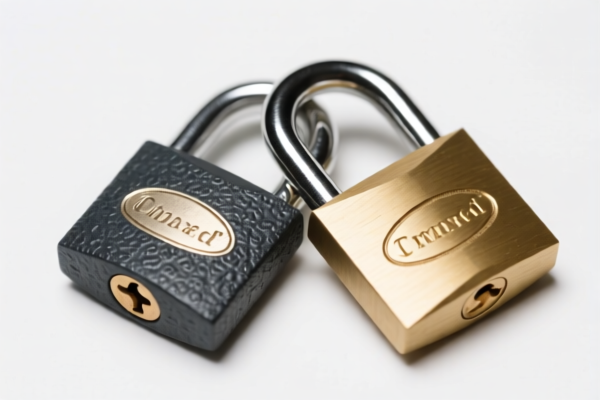
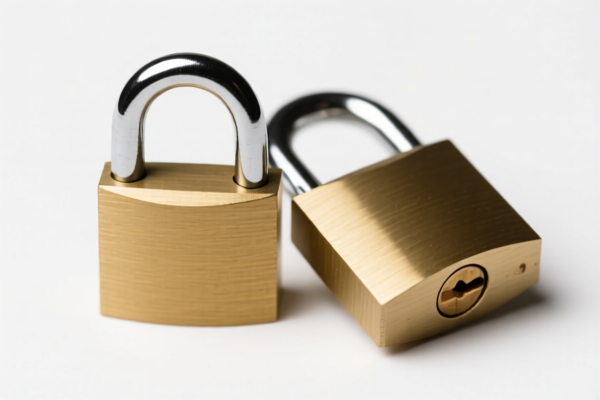
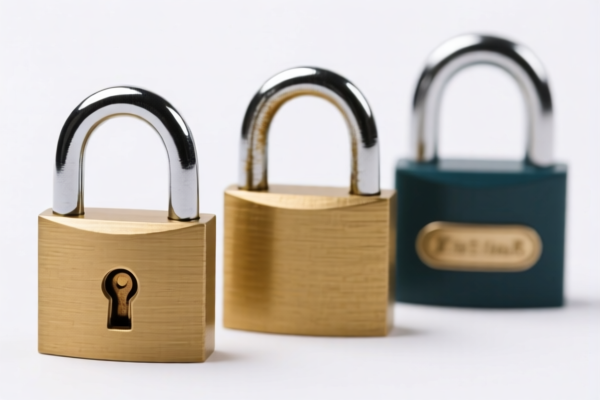

AI Analysis
🔒 Padlock Buckle (Hang Locks & Metal Locking Accessories)
🌐 HS Code Reference & Clearance Guide | 2026 Latest Tariff Analysis | Professional-Level Customs Strategy
📌 I. Product Definition & Classification: Do You Truly Understand "Padlocks"?
A "Padlock Buckle" (commonly referred to as a Padlock or Hanging Lock) is a portable lock designed to be used with hasps, staples, or chains. In international trade, the classification hinges strictly on Material Composition and Functional Design:
-
Precious Metal vs. Base Metal:
- If made of precious metals (gold, silver, etc.), it falls under Chapter 71.
- Most common trade scenario: Made of Base Metals (brass, zinc alloy, iron, steel, aluminum). These fall under Chapter 83 (Articles of base metal).
-
Specialized vs. General:
- 8301.10: Specifically for Padlocks (挂锁). These have a fixed body and a shackle (buckle) that passes through a loop.
- 7326.90 / 7326.19: If the item is technically a "metal fitting" or "fastener" rather than a complete locking mechanism with a shackle, or if it is a generic steel/iron product, it may fall under Chapter 73. However, for true padlocks, 8301 is the primary heading.
⚠️ Critical Distinction:
- If the item is a complete Padlock (body + shackle + key cylinder) → Chapter 83 (8301.xx)
- If the item is a Steel/Iron component or a generic metal fixture not classified as a specific lock → Chapter 73 (7326.xx)
- Note: The provided data shows significant tariff differences based on this classification due to US trade policies.
📦 II. HS Code Classification Details (Based on Provided Data)
According to the <DATA> provided, there are two distinct categories for Padlocks and related metal products. The key differentiator is the specific HS Code assigned by the customs authority, which drastically affects the tax burden.
| HS Code | Product Description | Material | Tax Rate | Primary Risk Factor |
|---|---|---|---|---|
8301.10.60.80 |
Padlock, Base Metal | Base Metal (e.g., Brass, Zinc) | 23.6% | Standard Base Metal Lock |
8301.10.80.00 |
Padlock, Base Metal | Base Metal (General) | 22.3% | General Base Metal Lock |
7326.90.86.88 |
Other Articles of Iron/Steel | Iron or Steel | 87.9% | ⚠️ High Penalty: Subject to 50% Steel/Aluminum/Copper Surcharge |
7326.19.00.80 |
Other Articles of Steel | Steel | 87.9% | ⚠️ High Penalty: Subject to 50% Steel/Aluminum/Copper Surcharge |
🔍 Analysis of the Data:
The data contains duplicates (e.g.,8301.10.60.80appears twice). The core conflict is between Chapter 83 (Specialized Base Metal Articles) and Chapter 73 (General Iron/Steel Articles).
- Chapter 83 codes attract moderate tariffs (~22-24%).
- Chapter 73 codes attract severe tariffs (87.9%) due to the combination of Section 232 (Steel/Aluminum) duties and Section 301/122 duties.
💰 III. Detailed Tariff Breakdown (2026 Latest)
✅ Applicable Jurisdiction: United States (US)
✅ Origin: China (CN) (Implied by "122 Clause" and high surcharges typical of US-China trade tensions)
✅ Effective Time: Current active rates
🎯 1. 8301.10.60.80 & 8301.10.80.00 —— Padlocks (Base Metal)
These codes refer to standard padlocks made of non-precious metals.
| Item | Content |
|---|---|
| Base Tariff | 4.8% - 6.1% (Ad Valorem) |
| Additional Tariff (Section 301/122) | 7.5% |
| 122-Clause Tariff | 10% |
| Total Tax Rate | 22.3% - 23.6% |
| Tax Calculation | CIF Value × Total Rate |
| De Minimis Exemption? | ❌ No (Typically denied for high-tariff goods from China) |
📌 Explanation:
- The 23.6% rate for8301.10.60.80is composed of: Base (6.1%) + Additional (7.5%) + 122-Clause (10%).
- The 22.3% rate for8301.10.80.00is composed of: Base (4.8%) + Additional (7.5%) + 122-Clause (10%).
- These are considered "Standard Padlocks". As long as they are not primarily classified as "Steel Articles" under Section 232, the rate is manageable.
🎯 2. 7326.90.86.88 & 7326.19.00.80 —— Iron/Steel Products (Non-Specialized)
These codes apply if the padlock is deemed a generic "Article of Iron or Steel" rather than a specialized "Base Metal Article." This triggers the harshest penalties.
| Item | Content |
|---|---|
| Base Tariff | 2.9% |
| Additional Tariff (Section 301) | 25.0% |
| 122-Clause Tariff | 10% |
| Section 232 Surcharge (Steel/Al/Cu) | 50% |
| Total Tax Rate | 87.9% |
| Tax Calculation | CIF Value × 87.9% |
| De Minimis Exemption? | ❌ No |
📌 Critical Warning:
- The 50% surcharge for "Steel, Aluminum, and Copper Products" is the killer here.
- If your padlock is made of steel and is misclassified or broadly classified as a "Steel Article" (7326), you will pay 87.9% instead of ~23%.
- Why the difference?8301is for specific base metal articles (locks).7326is for general articles of iron/steel. Customs may reclassify a steel padlock to7326if it doesn't meet specific "lock" definitions in Chapter 83 or if the importer fails to prove it is a "specialized" lock.
🛠️ IV. Customs Clearance Practical Advice (Avoiding Pitfalls)
✅ 1. Material Declaration Strategy
| Strategy | Action | Impact on Tax |
|---|---|---|
| Use Base Metals | Manufacture padlocks using Brass, Zinc Alloy, or Aluminum instead of plain Steel. | ✅ Qualifies for 8301 (~23%) |
| Avoid Pure Steel | Do not use plain carbon steel if it can be classified under 7326. |
❌ Triggers 87.9% if classified as Steel Article |
| Precise Description | Describe as "Padlock, Brass Body, Zinc Shackle" rather than "Metal Lock." | ✅ Helps prove Chapter 83 eligibility |
✅ 2. Documentation Checklist
| Document | Requirement | Why? |
|---|---|---|
| Product Specification Sheet | Must specify Material Composition (e.g., Brass, Zinc Alloy). | Proves it is not "General Steel" (7326). |
| Commercial Invoice | Clearly state "Padlock" and HS Code 8301.xx. |
Prevents customs from defaulting to 7326. |
| Photos of Product | Show the locking mechanism (shackle, body, keyhole). | Proves it is a functional lock (8301), not just a metal bracket. |
| Material Certificate | From manufacturer confirming alloy type. | Critical if customs suspects steel content. |
✅ 3. Classification Optimization (The "8301 vs 7326" Battle)
| Scenario | Recommended HS Code | Reason |
|---|---|---|
| Brass/Zinc Padlock | 8301.10.60.80 or 8301.10.80.00 |
Base metal lock. Lower tax (~23%). |
| Steel Padlock (Specialized) | 8301.10.xx (if possible) |
Argue it is a "Specialized Article of Base Metal." |
| Steel Padlock (Generic) | 7326.90.86.88 |
High Risk. If deemed a general steel article, tax is 87.9%. |
⚠️ Note: Even if made of steel, try to argue for
8301if it is a specialized lock. However, if it is a simple steel latch or clip,7326is likely. Switching to Brass or Zinc Alloy is the safest way to secure the 23% rate.
🌍 V. Global Market Comparison (2026)
| Market | Recommended HS Code | Estimated Tax | Key Requirement |
|---|---|---|---|
| 🇺🇸 USA | 8301.10.60.80 |
23.6% | Avoid 7326 (87.9%) |
| 🇺🇸 USA (Steel) | 7326.90.86.88 |
87.9% | Avoid this classification! |
| 🇪🇺 EU | 8301.10 |
~2.7% | No Section 301/232 equivalents. |
| 🇨🇳 China | 8301.10 |
~6.1% | Import tax only. |
📌 Conclusion for US Market:
The difference between 23.6% and 87.9% is massive.
- Do not use generic "Steel Padlock" descriptions.
- Use "Brass Padlock" or "Zinc Alloy Padlock" to ensure classification under8301.
- If you must use steel, consult a customs broker to see if it can still qualify as8301(specialized article) rather than7326(general article).
📌 VI. Common Errors & Pitfalls (Lessons Learned)
❌ Error 1: Shipping Steel Padlocks without specifying "Specialized Lock."
👉 Result: Customs classifies as 7326 → 87.9% Tax → Huge Loss!
❌ Error 2: Using "Metal Buckle" as the product name.
👉 Result: Ambiguity leads to misclassification. Use "Padlock" in all documents.
❌ Error 3: Ignoring the "122 Clause" and Section 232.
👉 Result: Unprepared for the 50% steel surcharge.
✅ Correct Action:
"Padlock, Brass Body, Zinc Alloy Shackle, Model XYZ. HS Code: 8301.10.60.80."
🎯 VII. Conclusion: Professional Classification Saves Money
🎯 Key Takeaway:
🔹 "Base Metal (Brass/Zinc) = 23% Tax"
🔹 "Generic Steel = 88% Tax"
🔹 "Change Material, Change Destiny!"
📌 Advice:
If you are currently paying 87.9%, immediately switch to Brass or Zinc Alloy padlocks. The material cost increase is negligible compared to the 64% tax saving. For US imports, this is the single most effective cost-saving measure for padlock shipments.
✨ Professional Clearance Starts with Precise Classification!
💼 Your Profit Margin Depends on the First Two Digits of the HS Code!
Customer Reviews
About HS Code Classification
The Harmonized System (HS) is an internationally standardized nomenclature developed by the World Customs Organization (WCO) to classify traded products. Over 200 countries use the HS system as the basis for customs tariffs, trade statistics, and import/export regulations.
Each HS code follows a hierarchical structure:
- Chapter (2 digits) — Broad category of goods (e.g., Chapter 84: Machinery and Mechanical Appliances)
- Heading (4 digits) — More specific grouping within the chapter
- Subheading (6 digits) — Internationally standardized breakdown, used by all WCO member countries
- National subdivisions (8-10 digits) — Country-specific extensions for further classification, such as US HTSUS 10-digit codes
Correct HS code classification is essential for smooth customs clearance, accurate duty payment, and compliance with trade regulations. Misclassification can lead to customs delays, overpayment of duties, or penalties.
When importing from CN to US, the applicable tariff rates may include:
- Most-Favored-Nation (MFN) rate — The standard duty rate applied to WTO members
- General rate — Applied to countries without trade agreements
- Trade remedy duties — Additional tariffs such as Section 301 (anti-dumping), Section 232 (national security), or countervailing duties
The information provided on this page is for reference purposes only. For official classification, please consult with your local customs authority or a licensed customs broker.